
Worries about NZ's demographics are legit. Patriotism alone may not be the answer

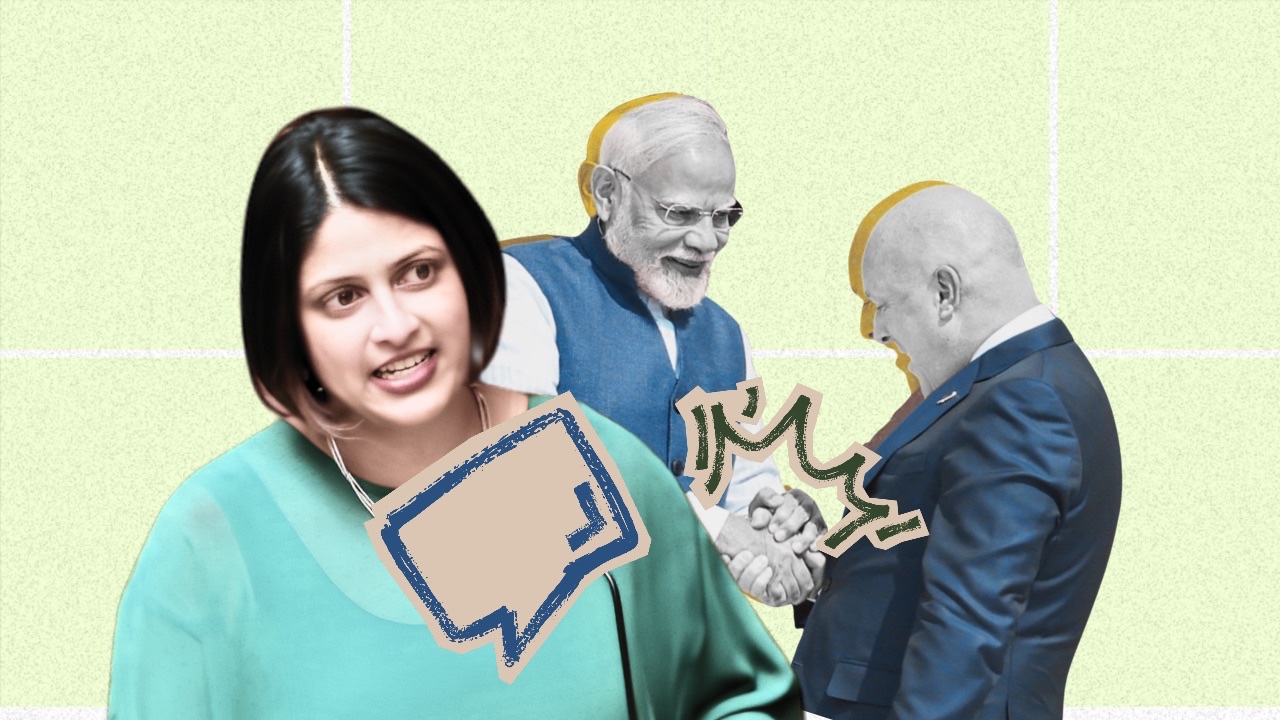
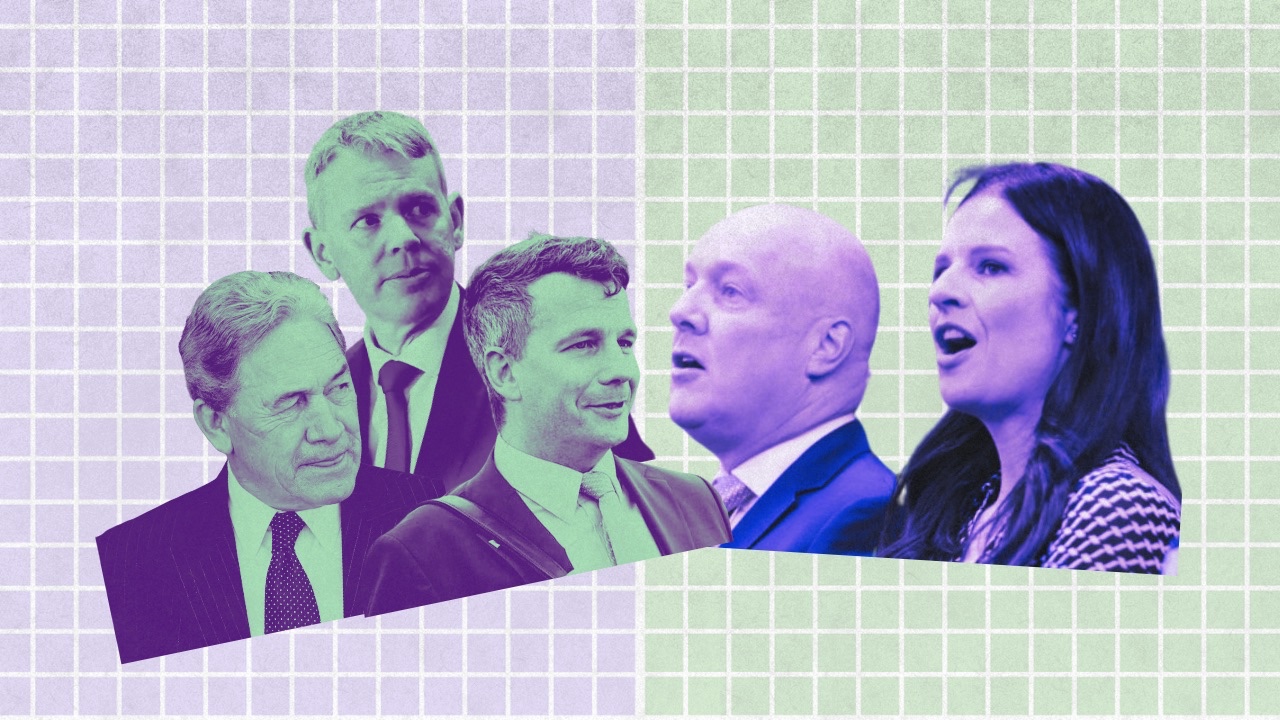
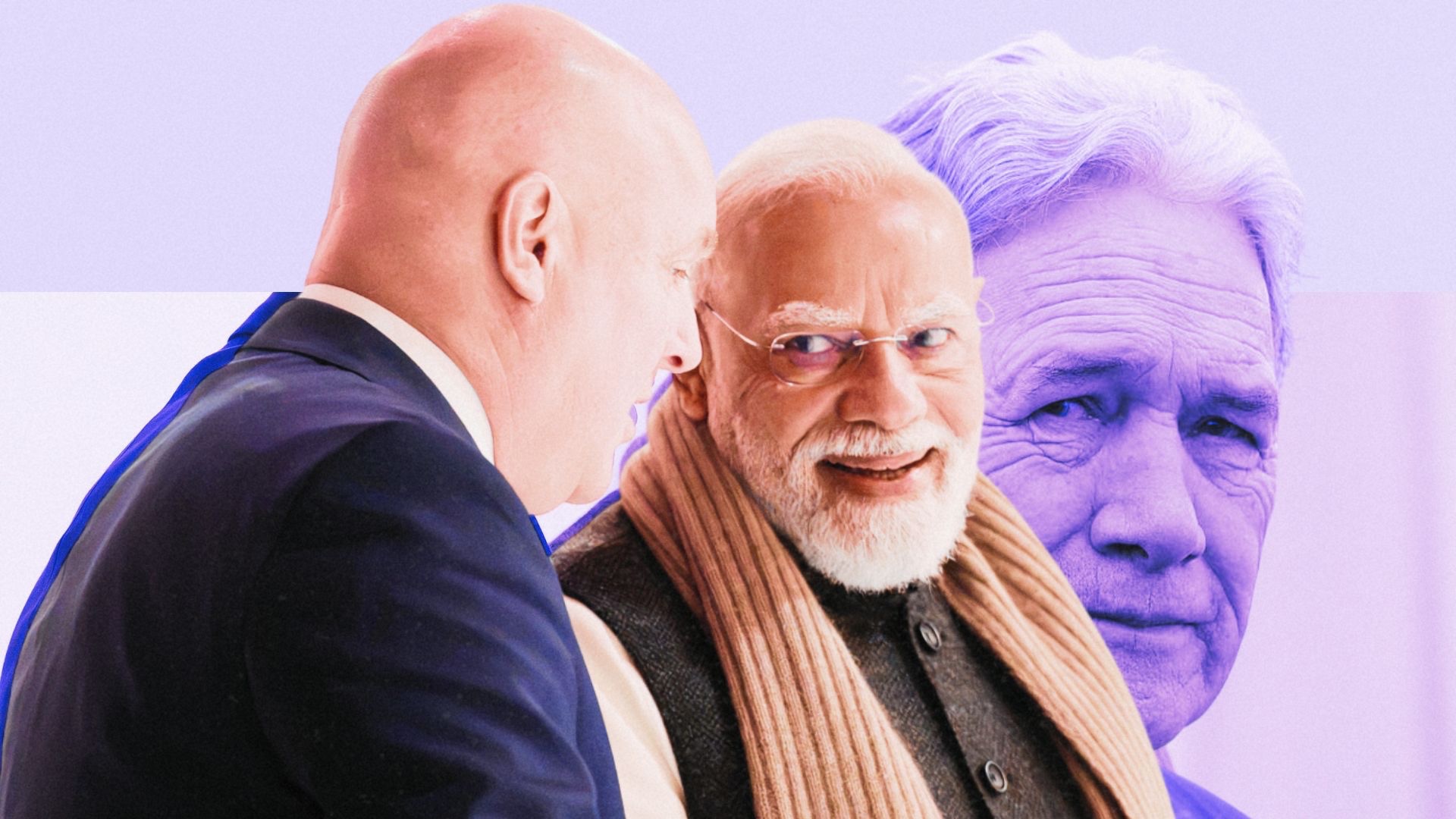
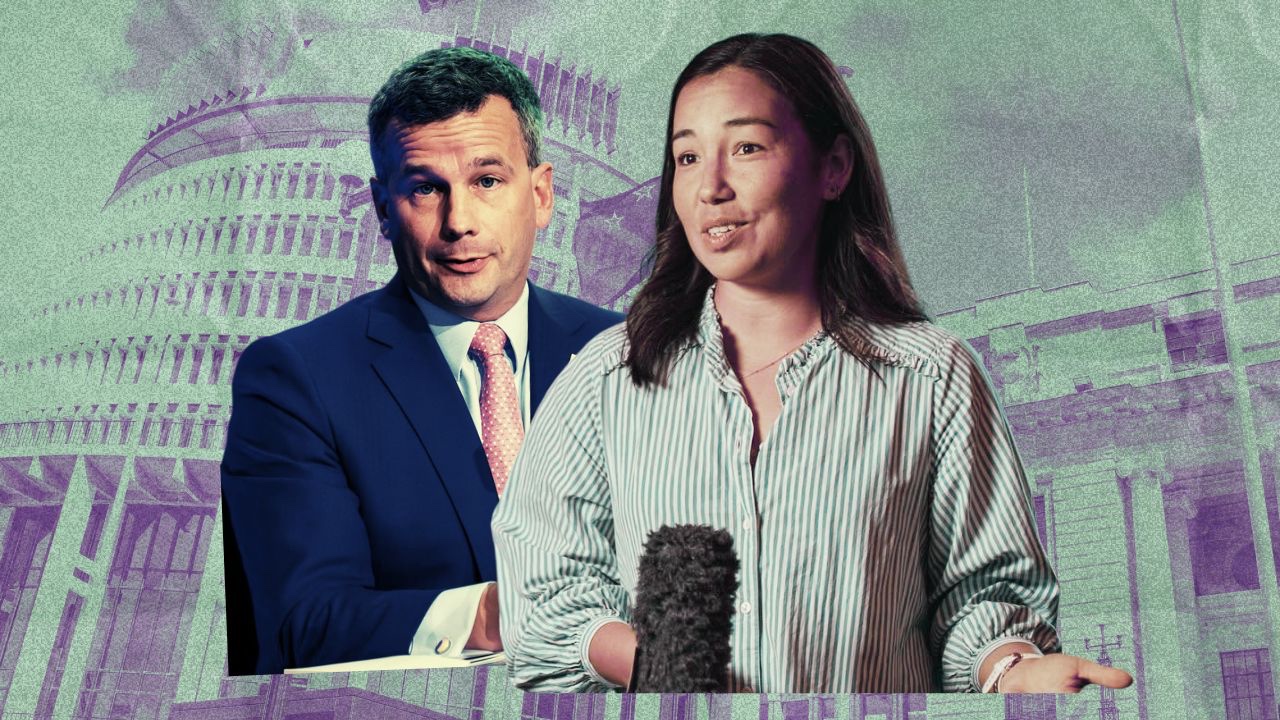
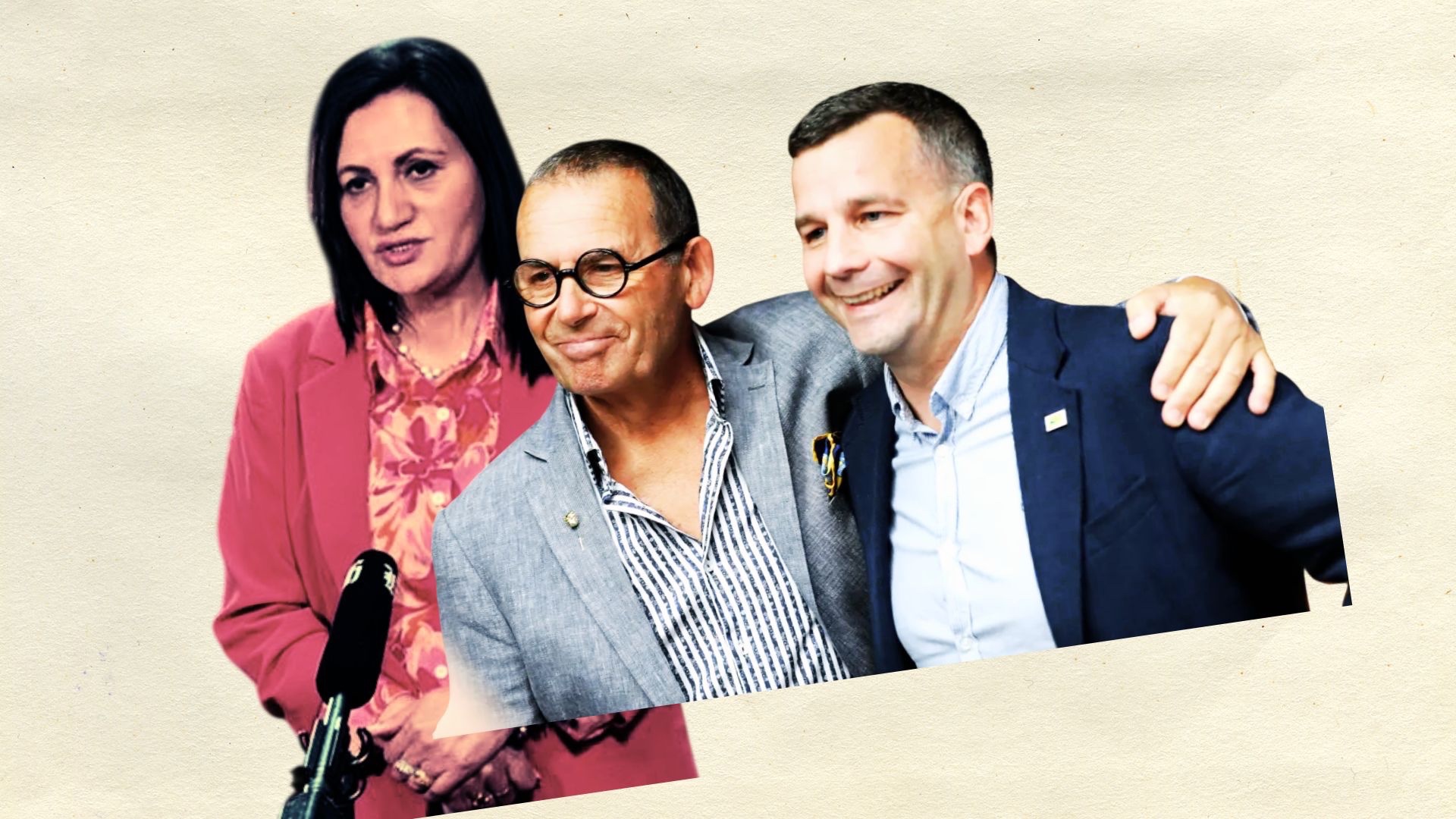
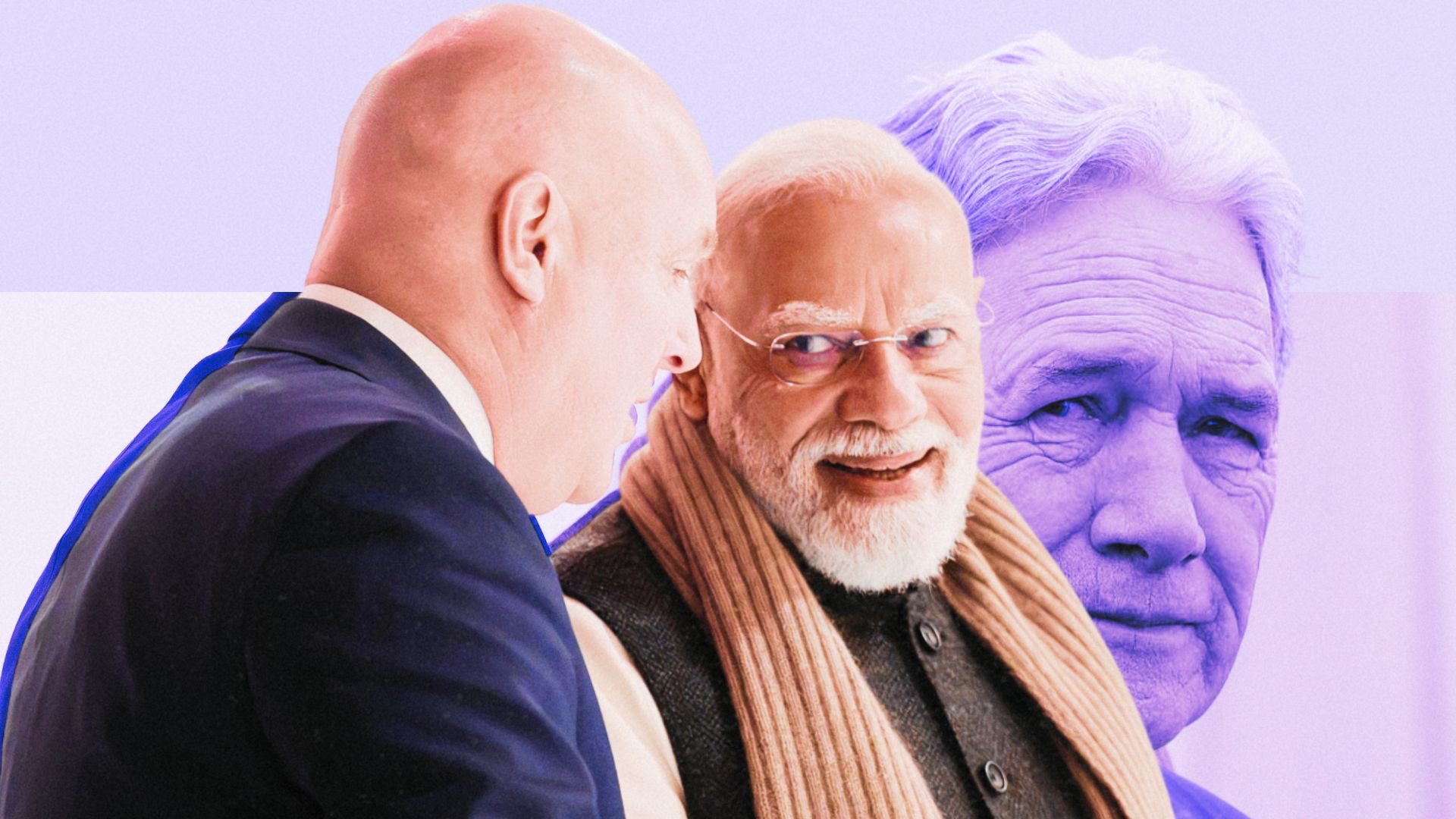
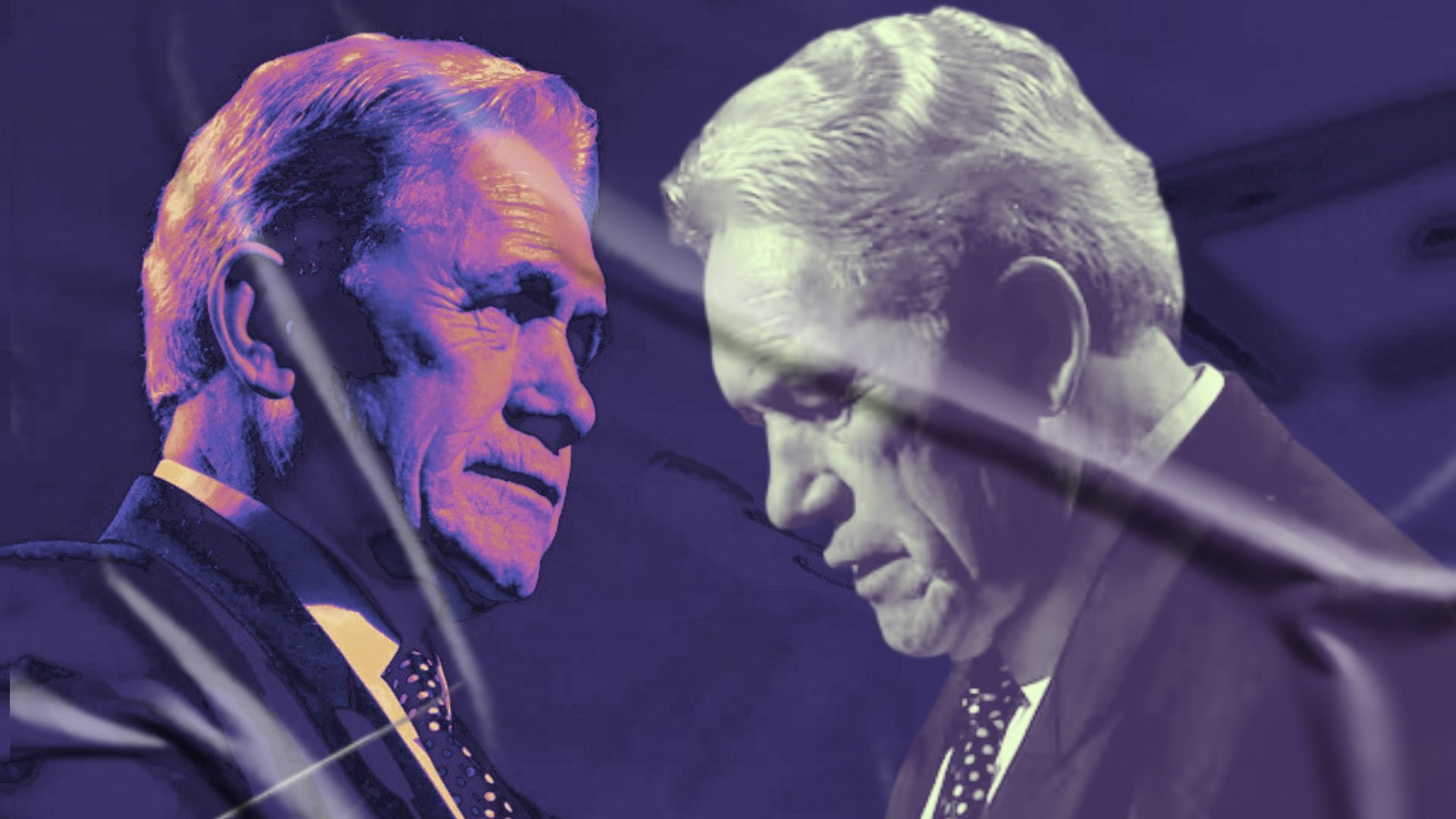
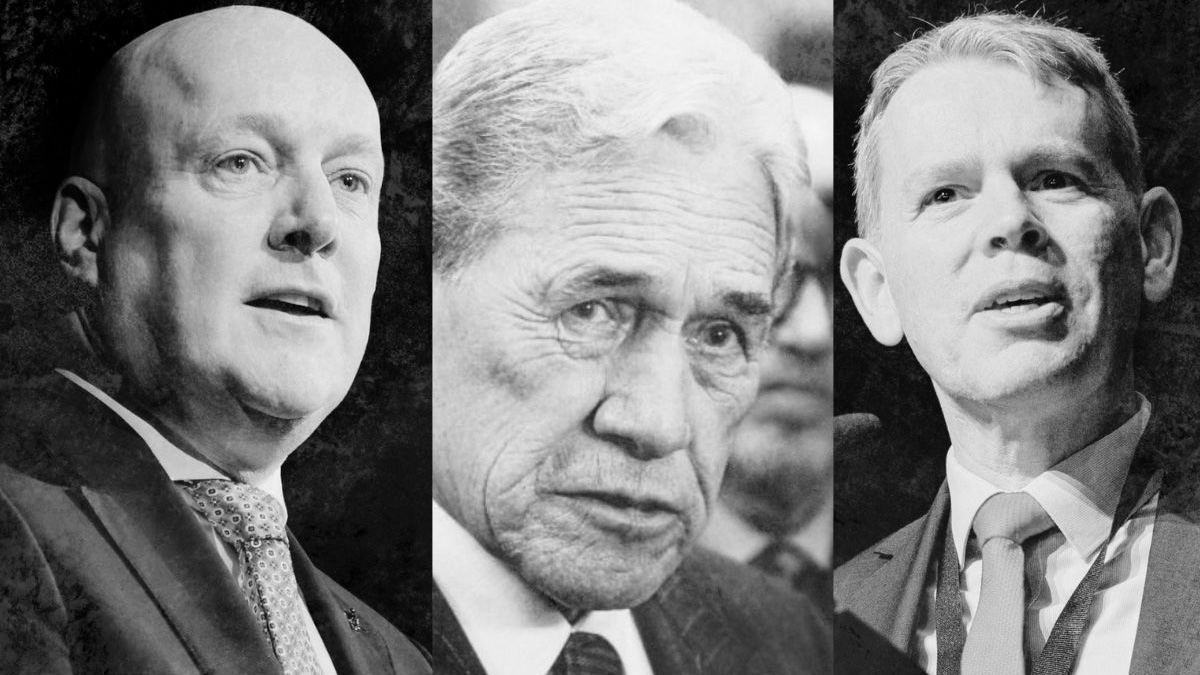
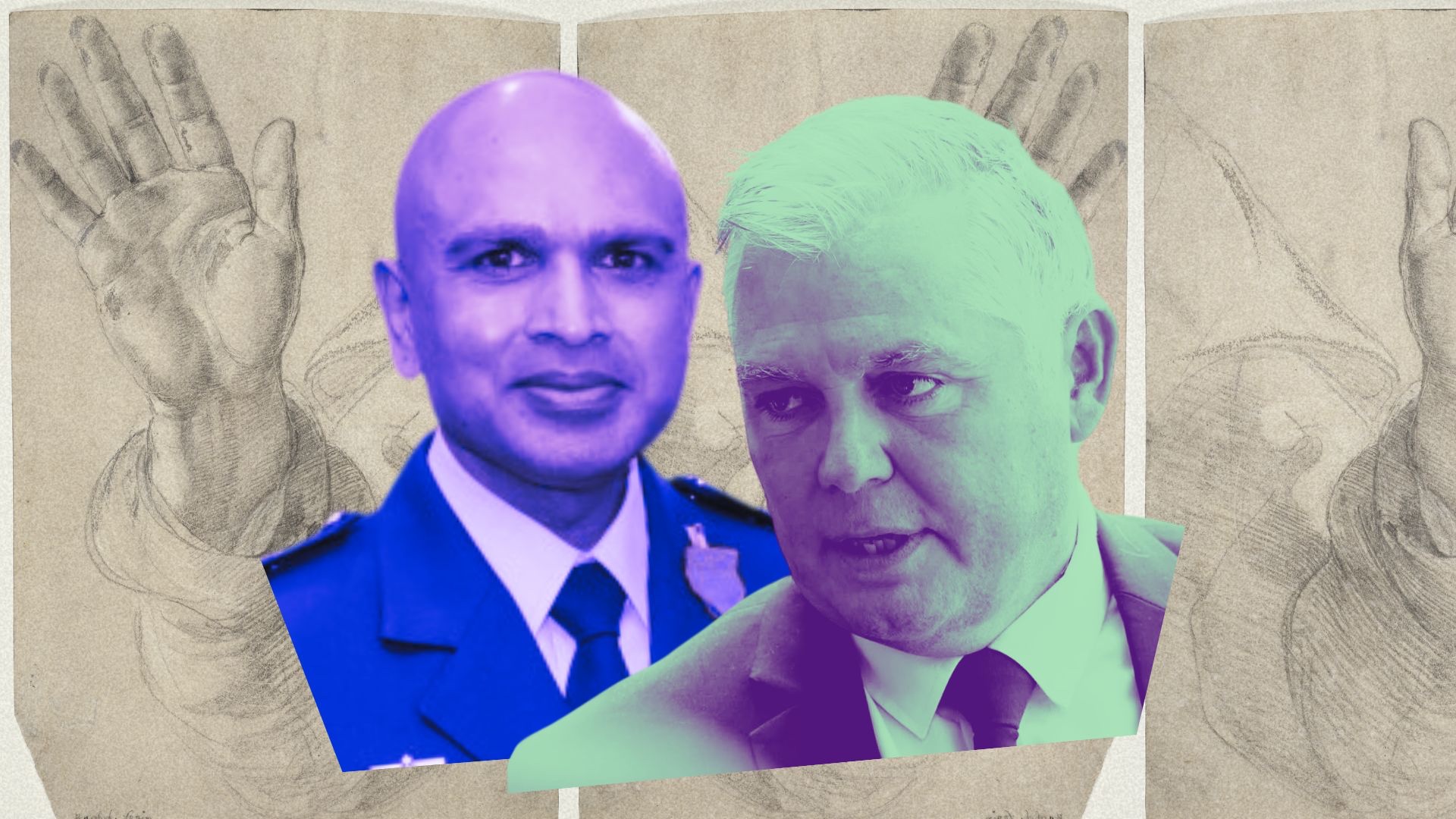
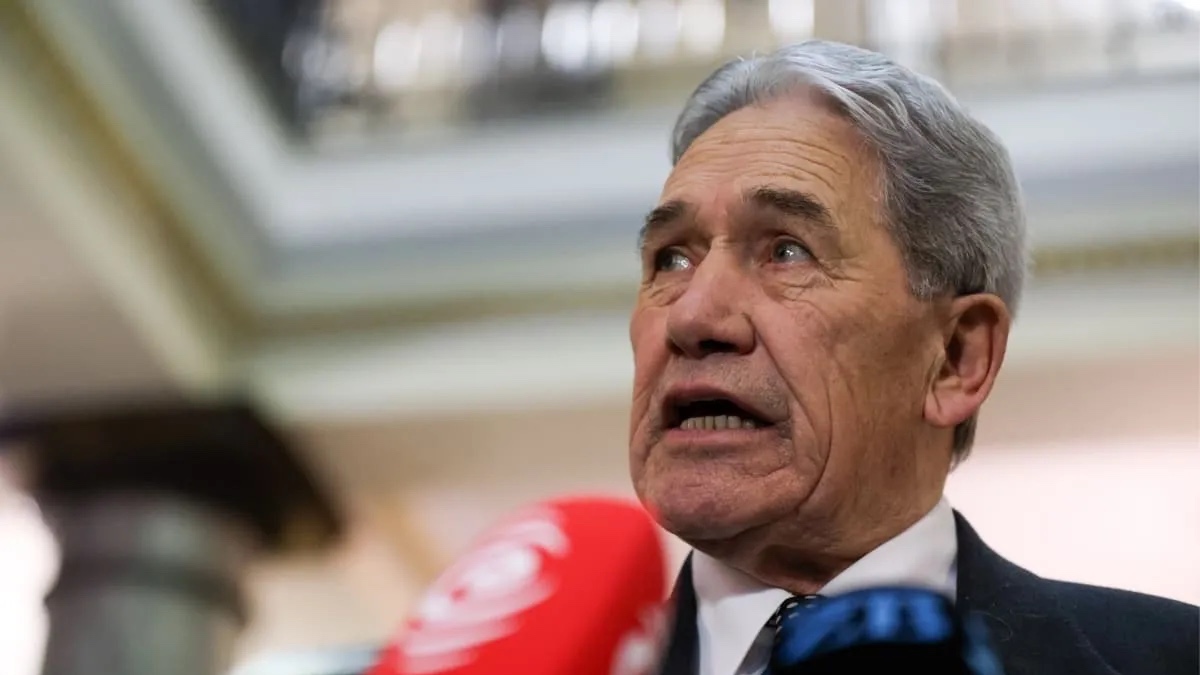
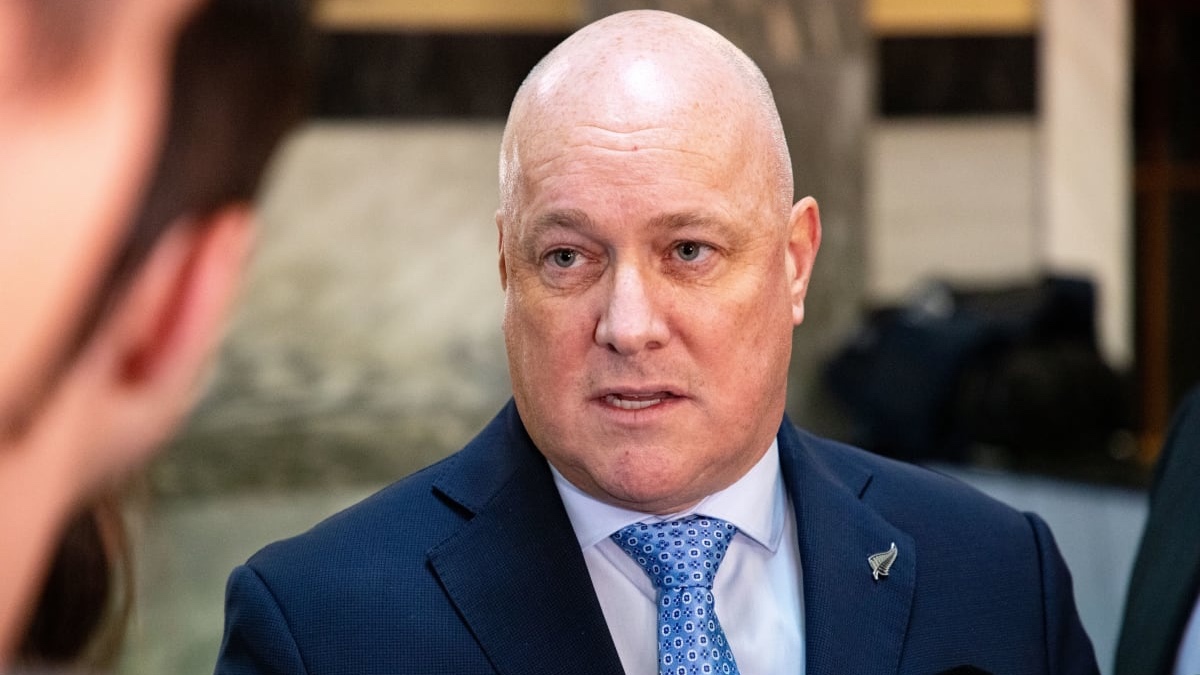
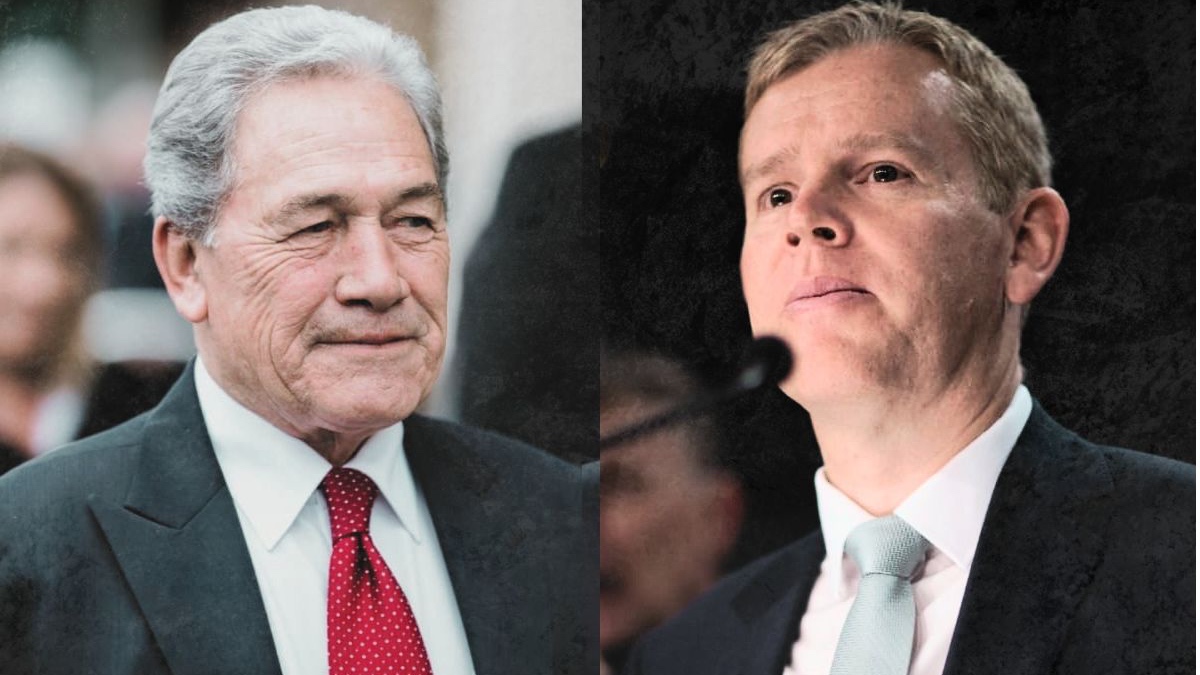
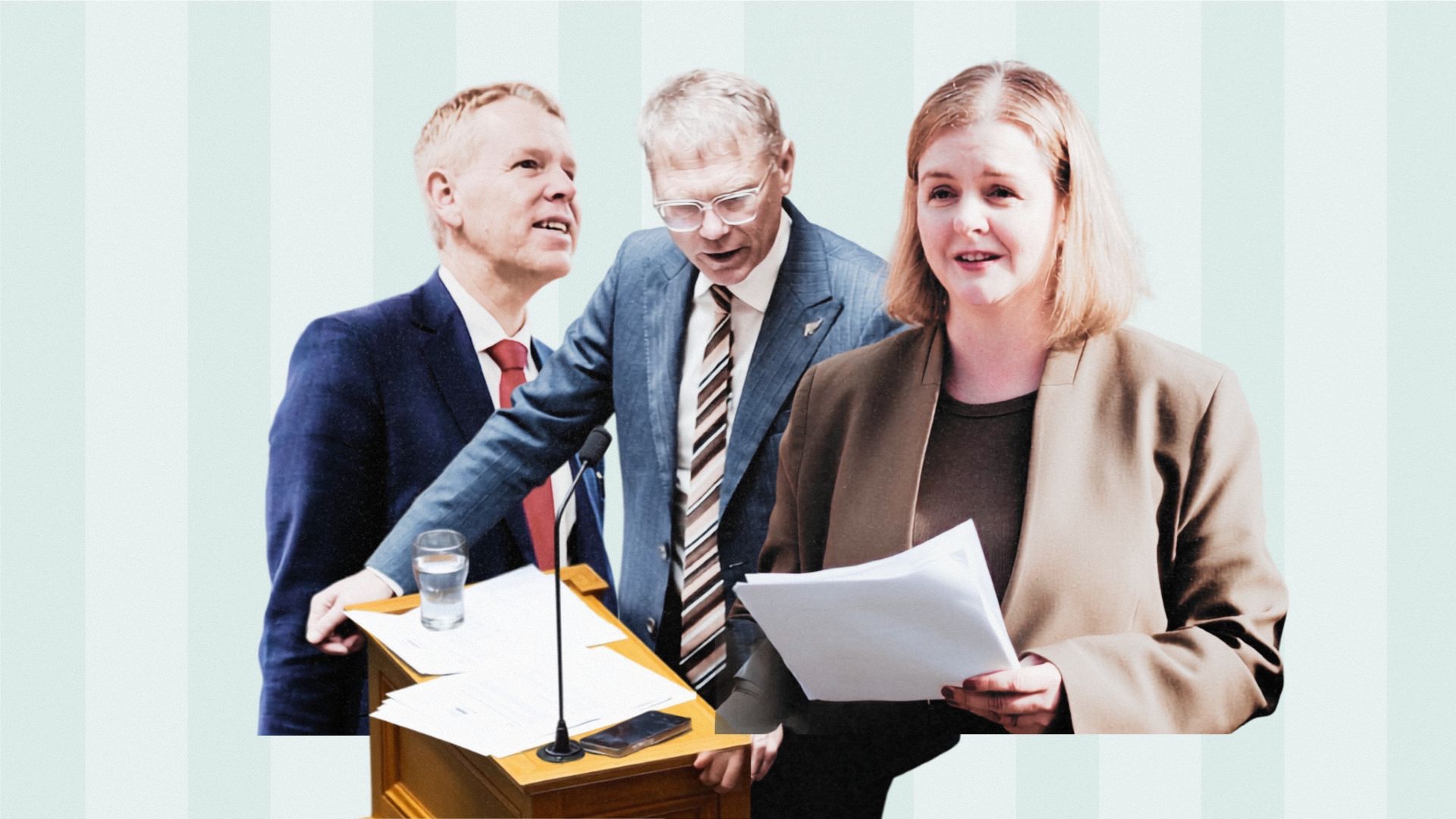
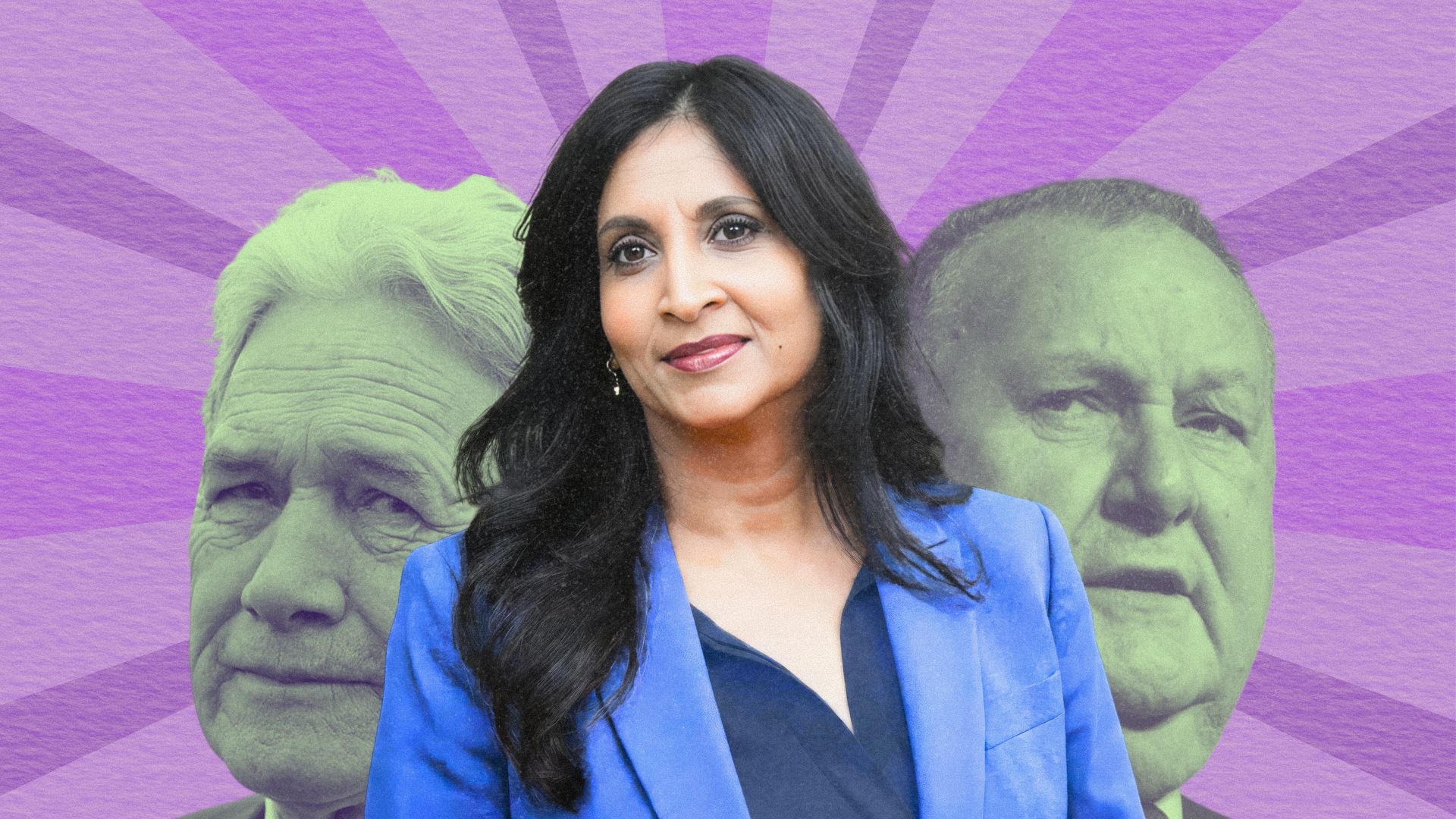
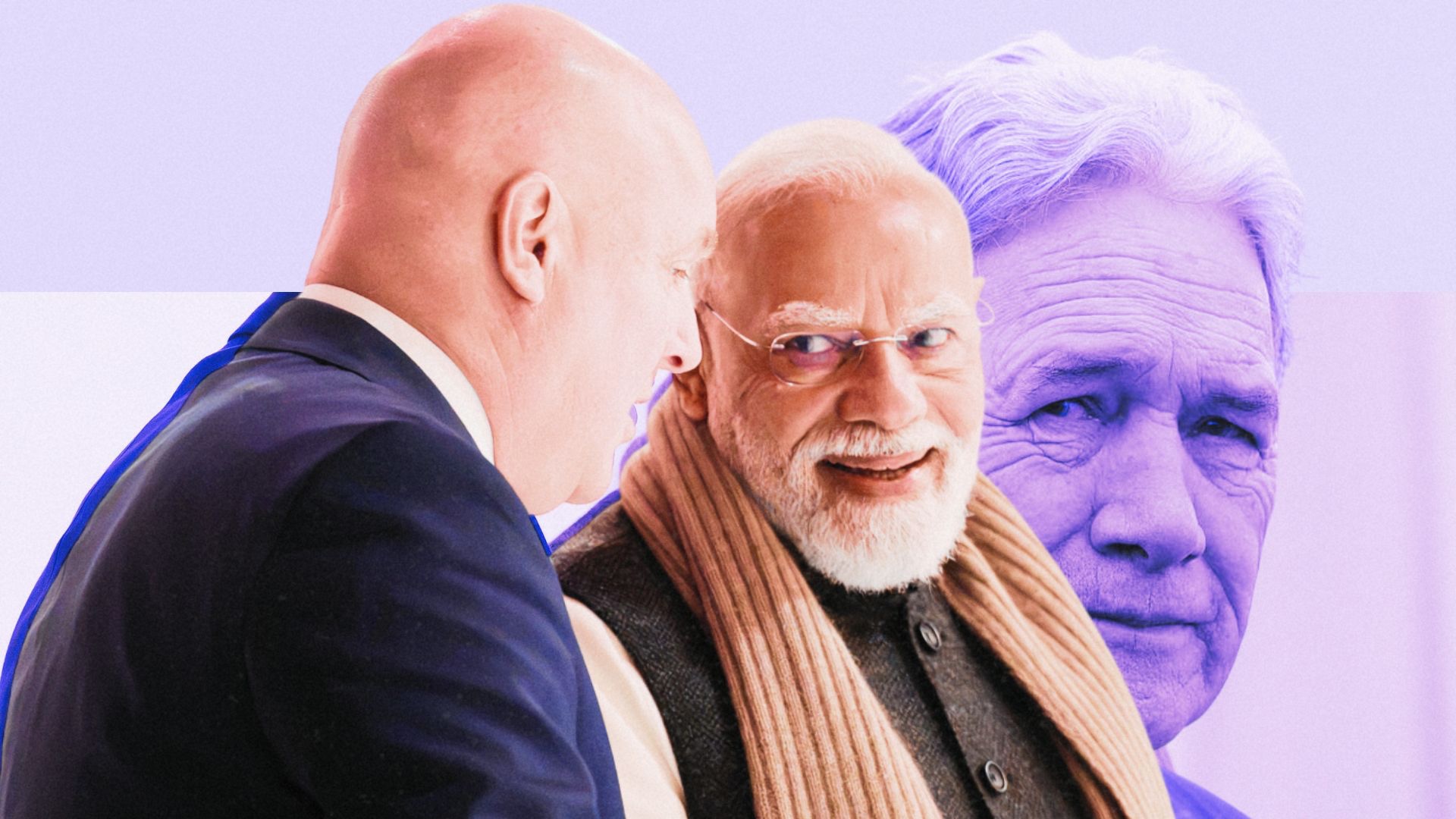
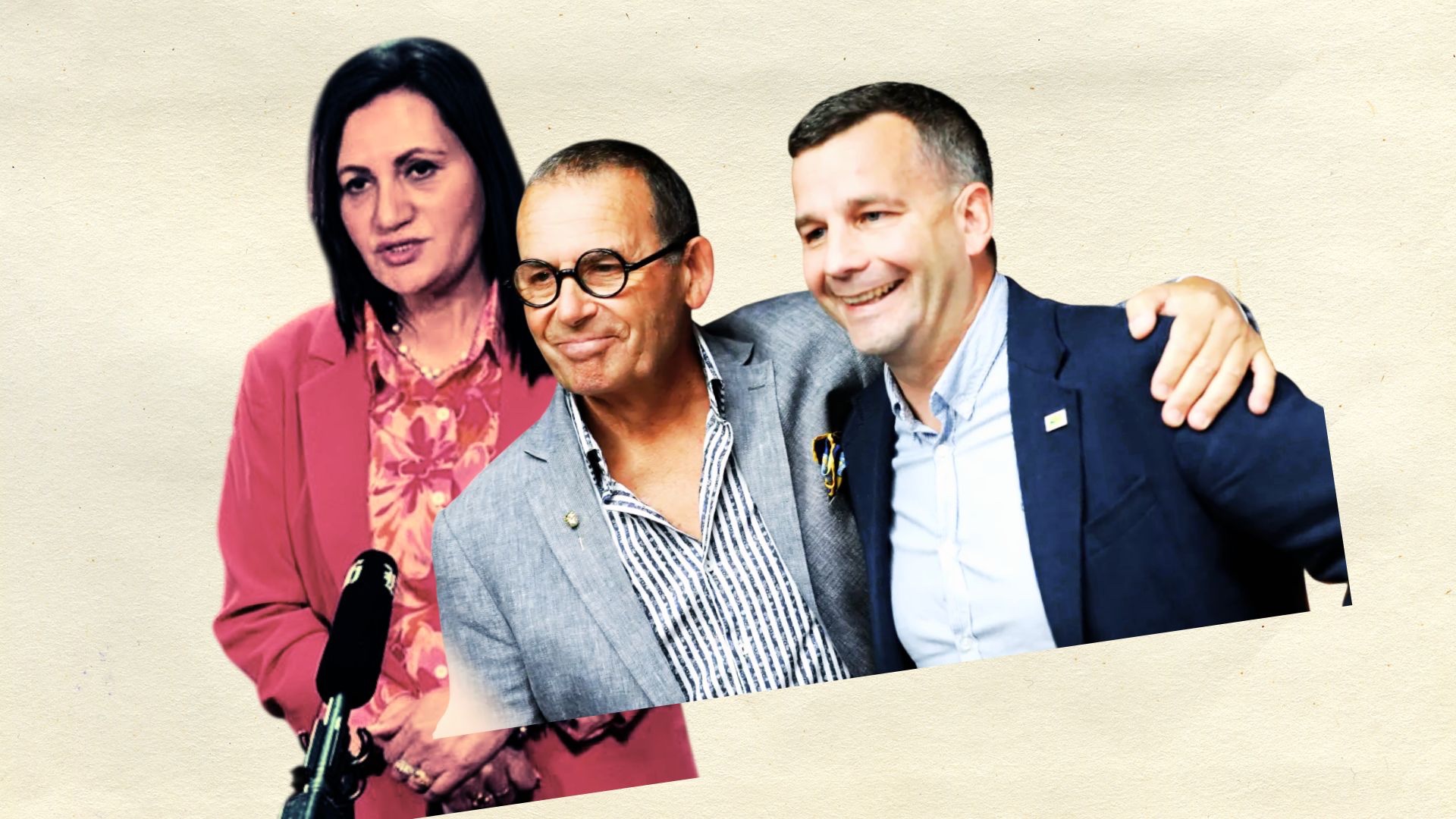
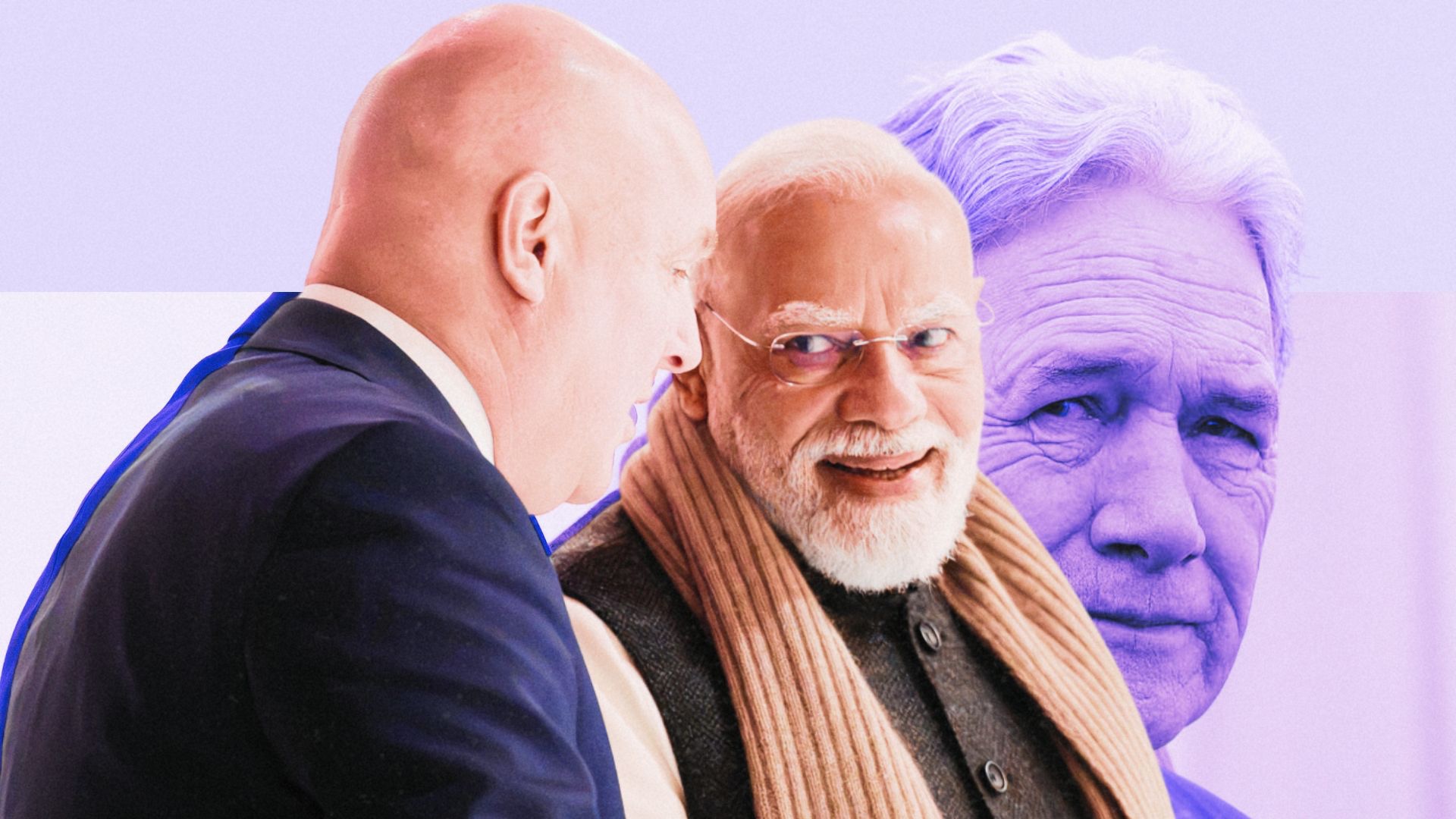
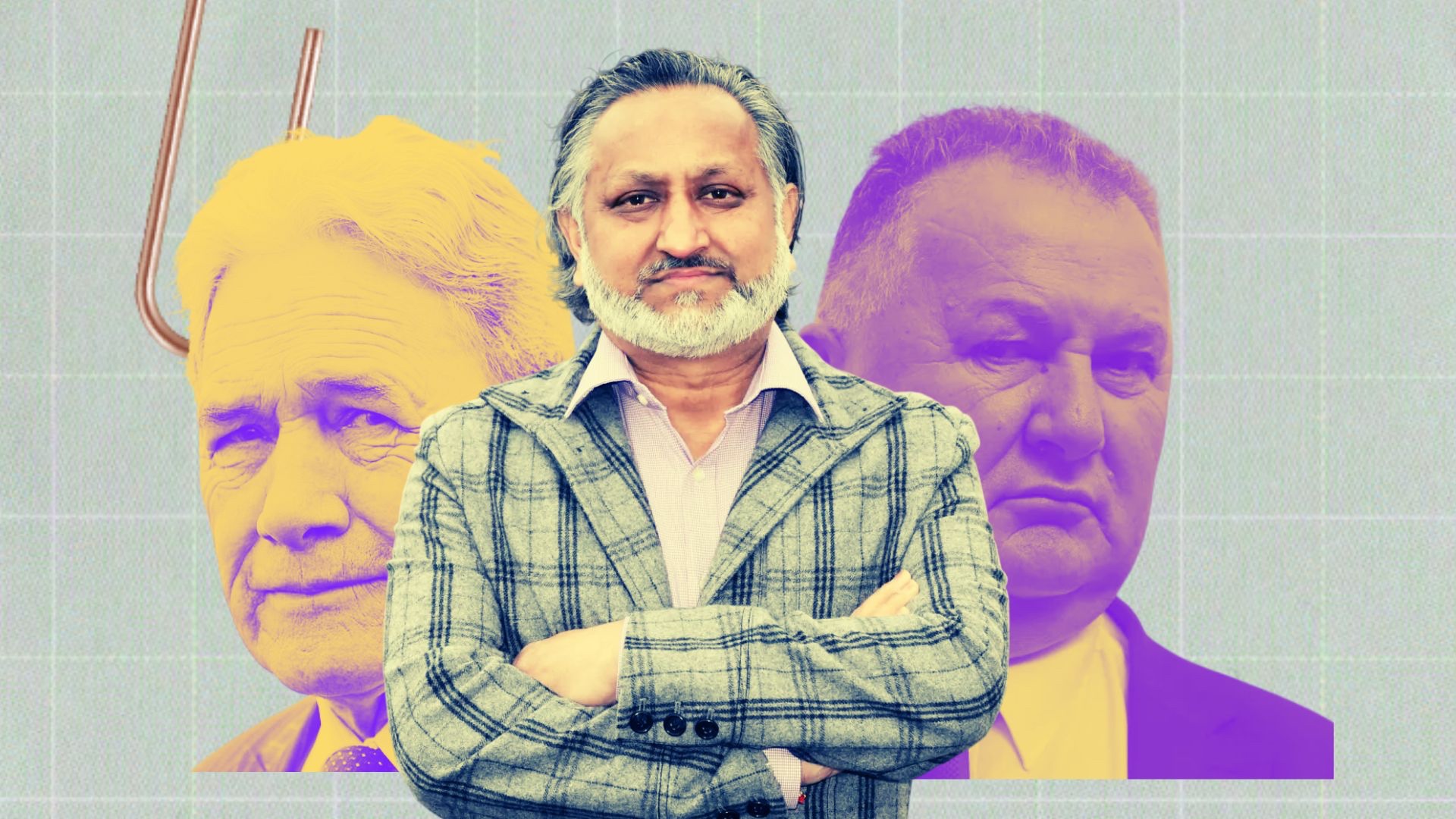
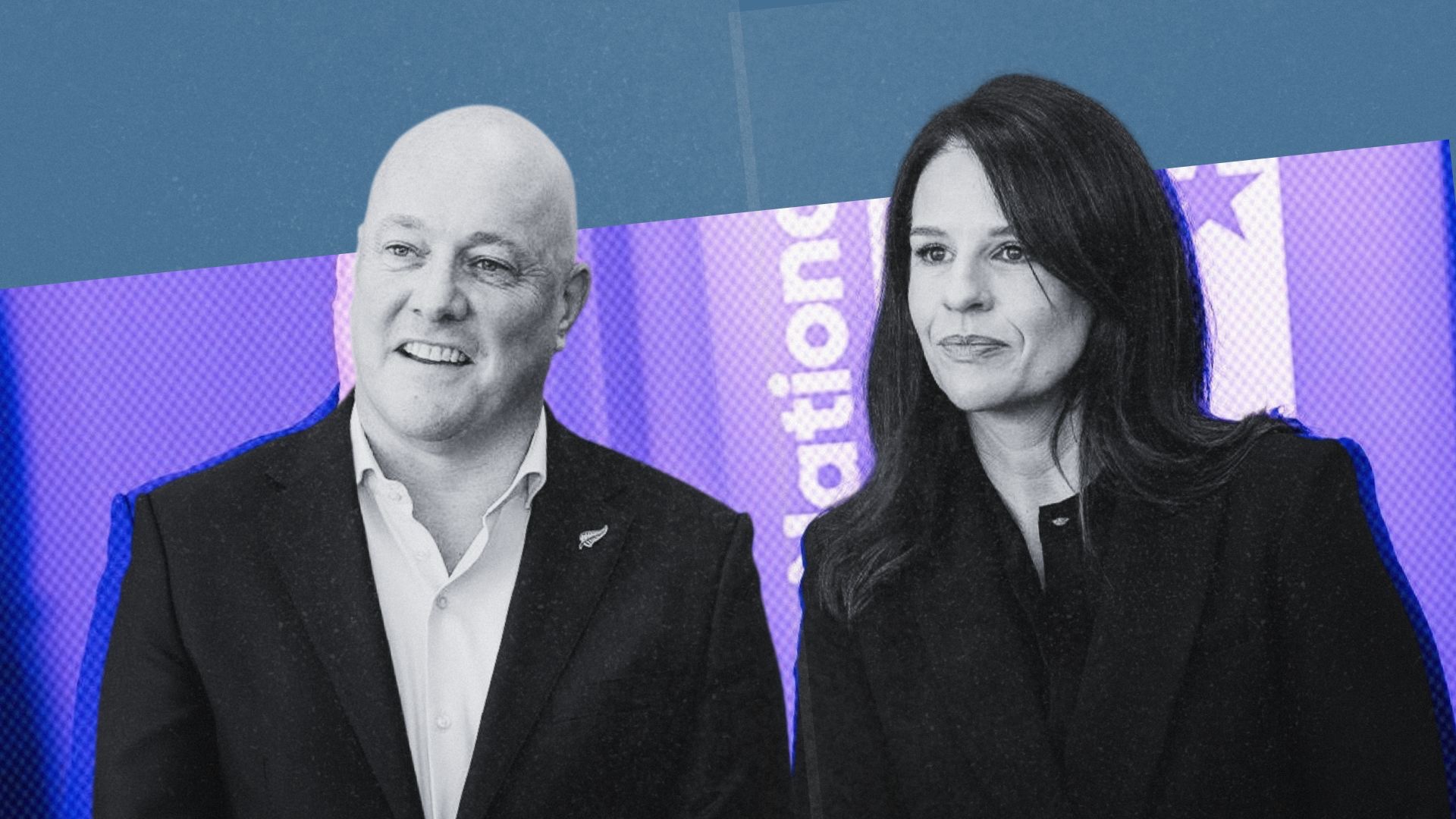
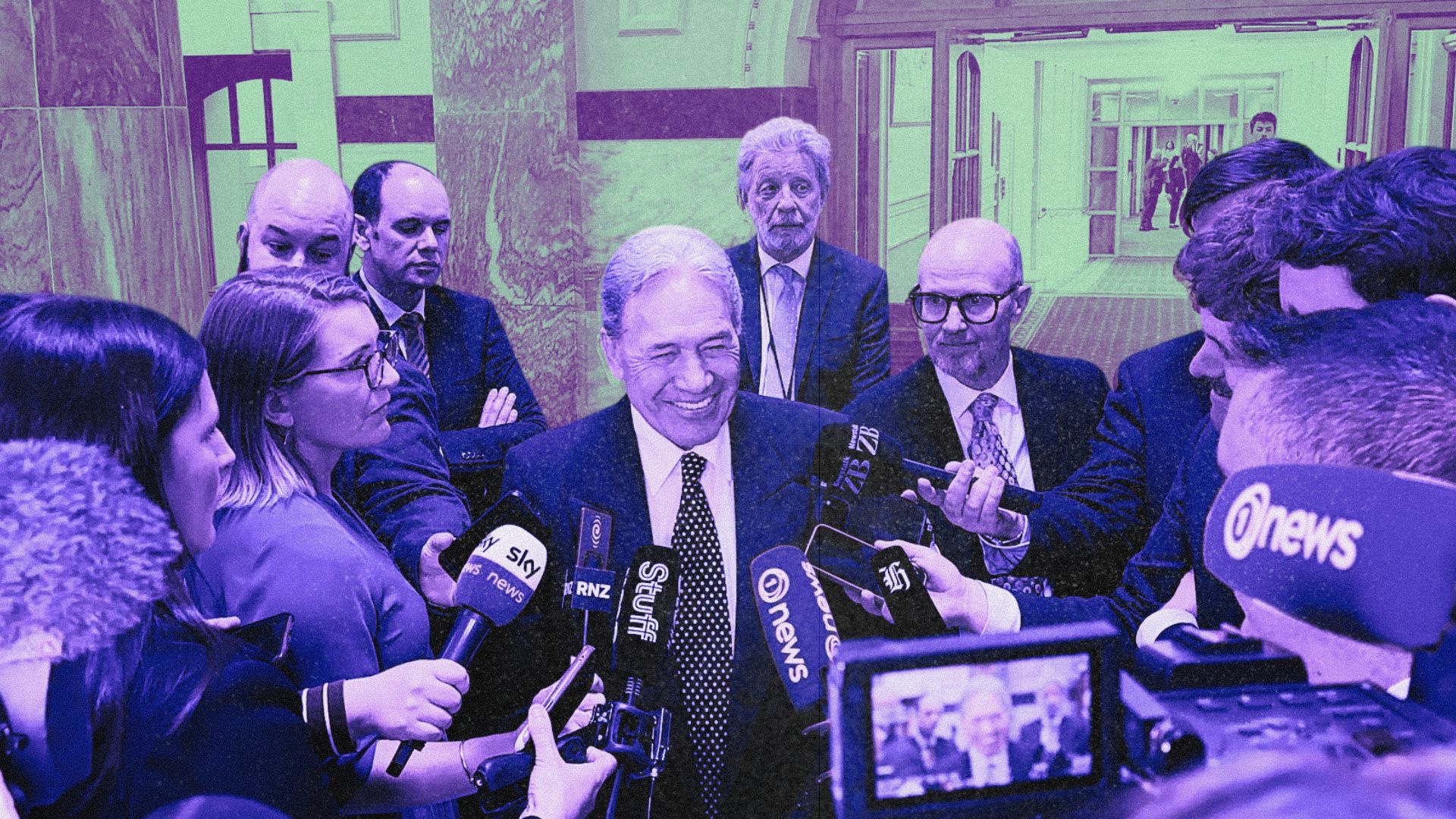
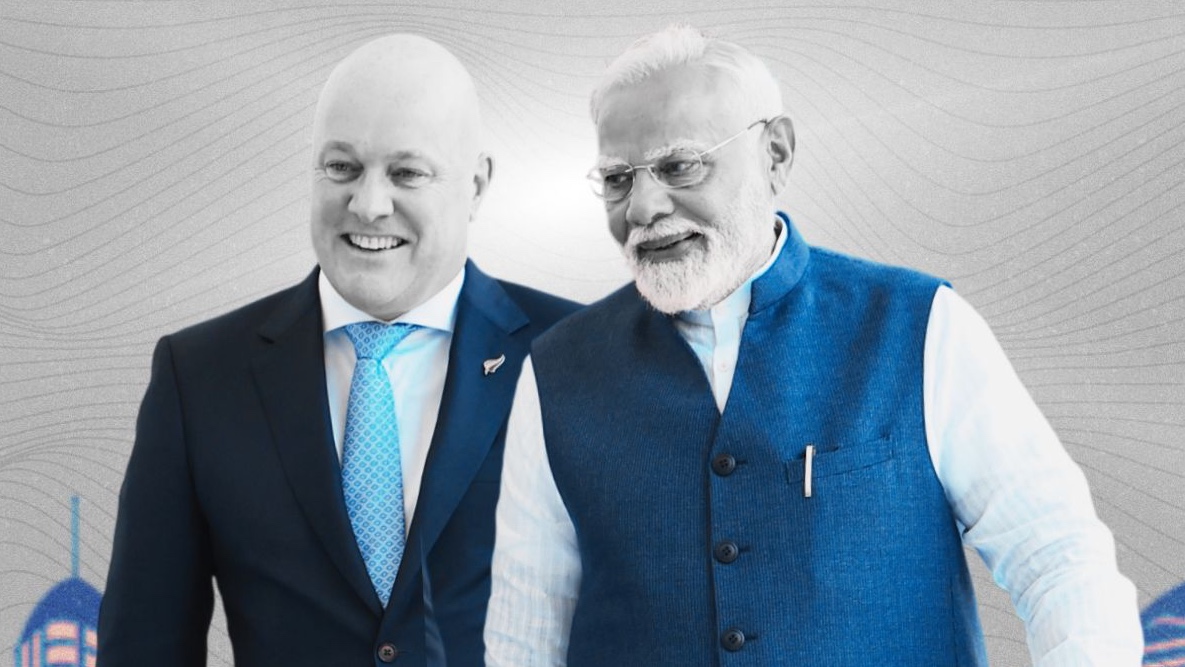
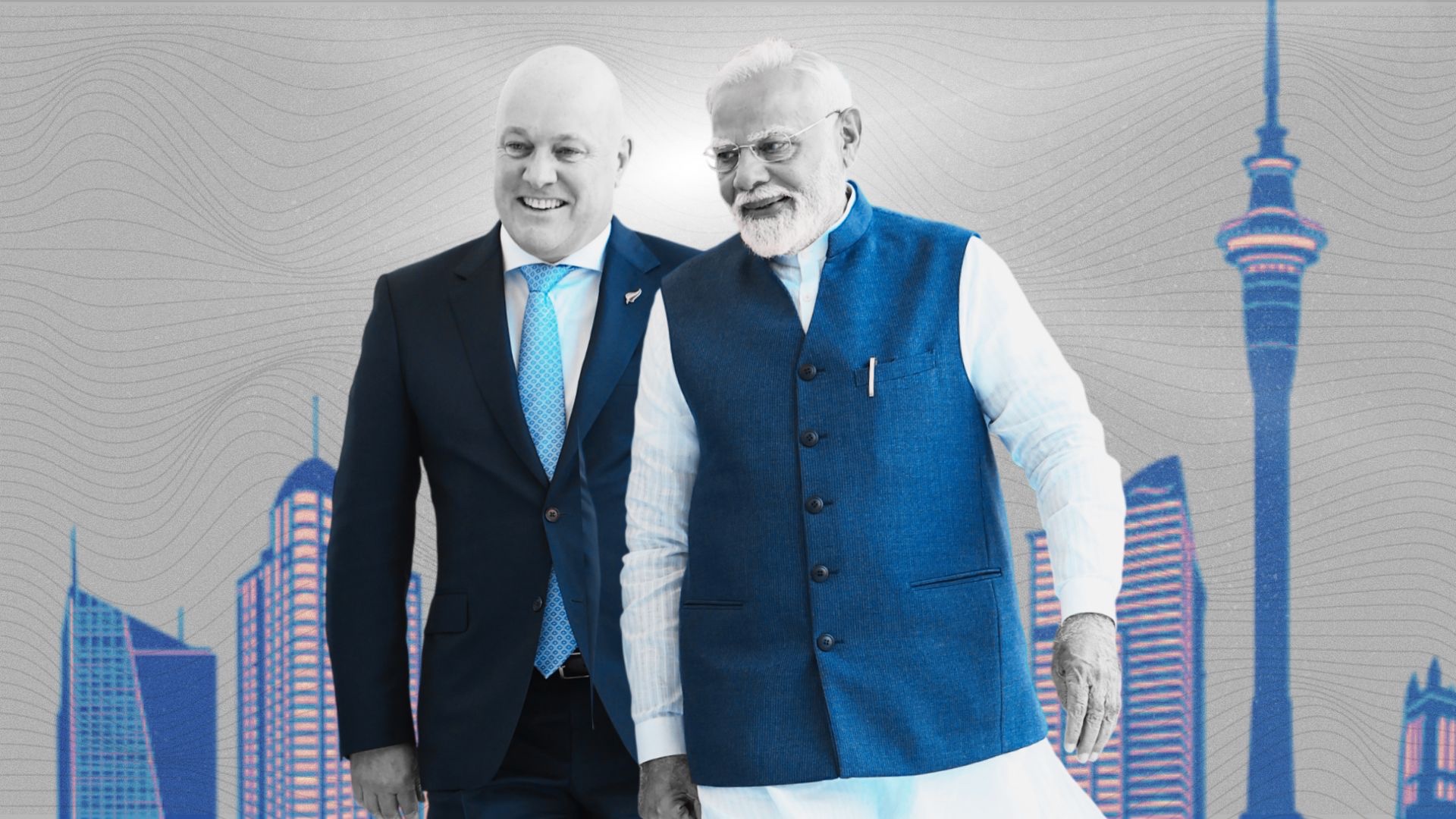
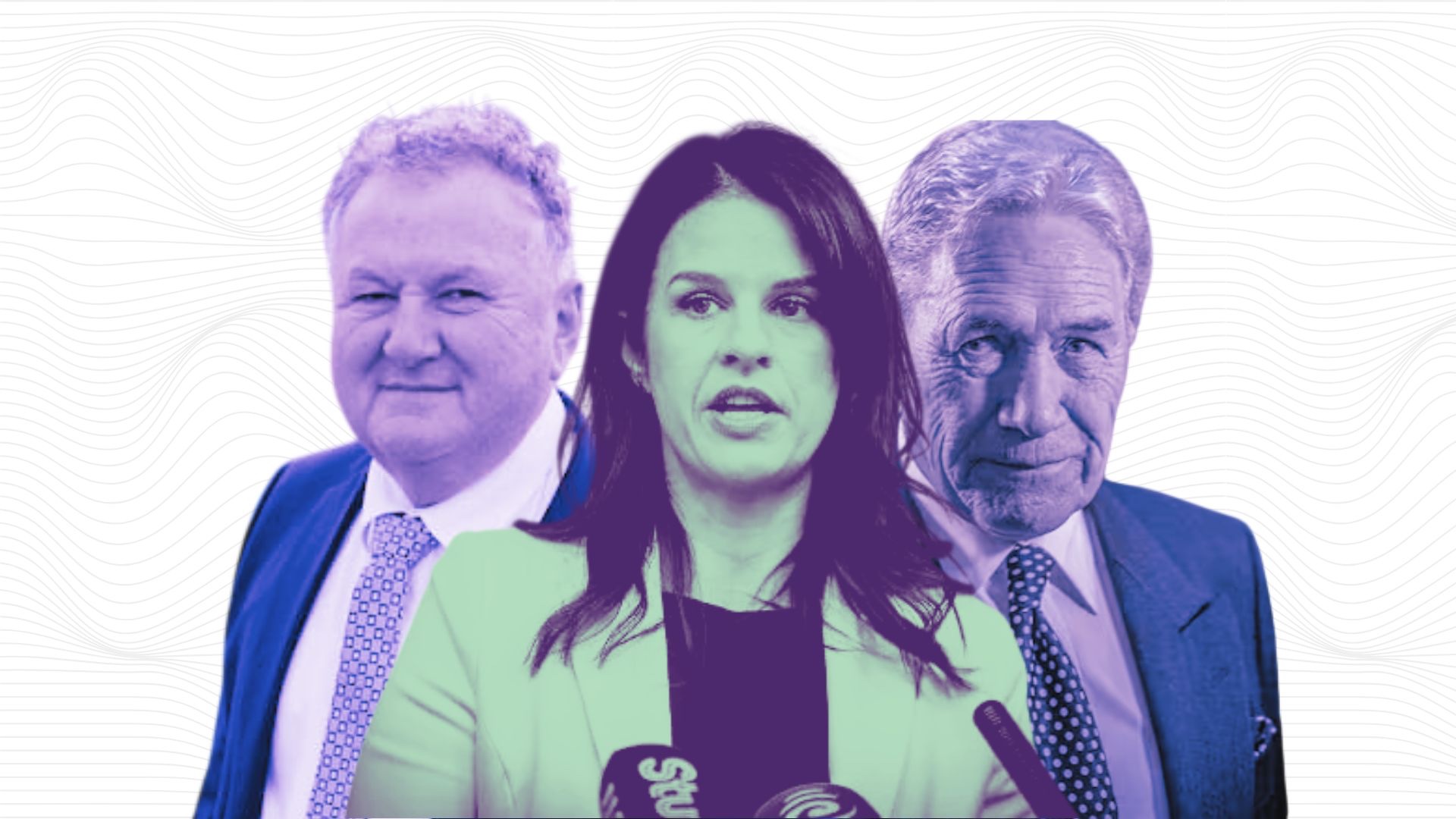
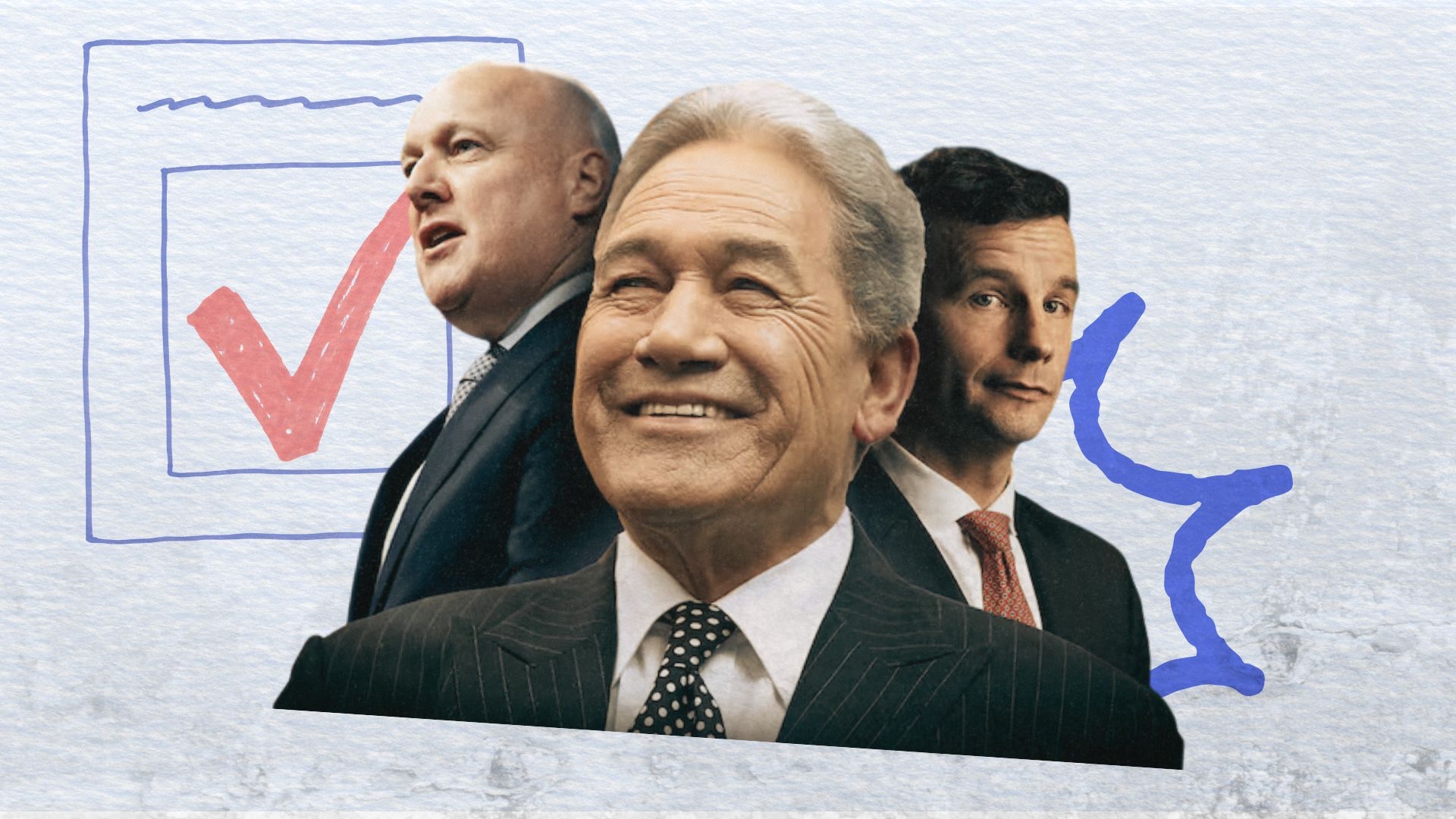
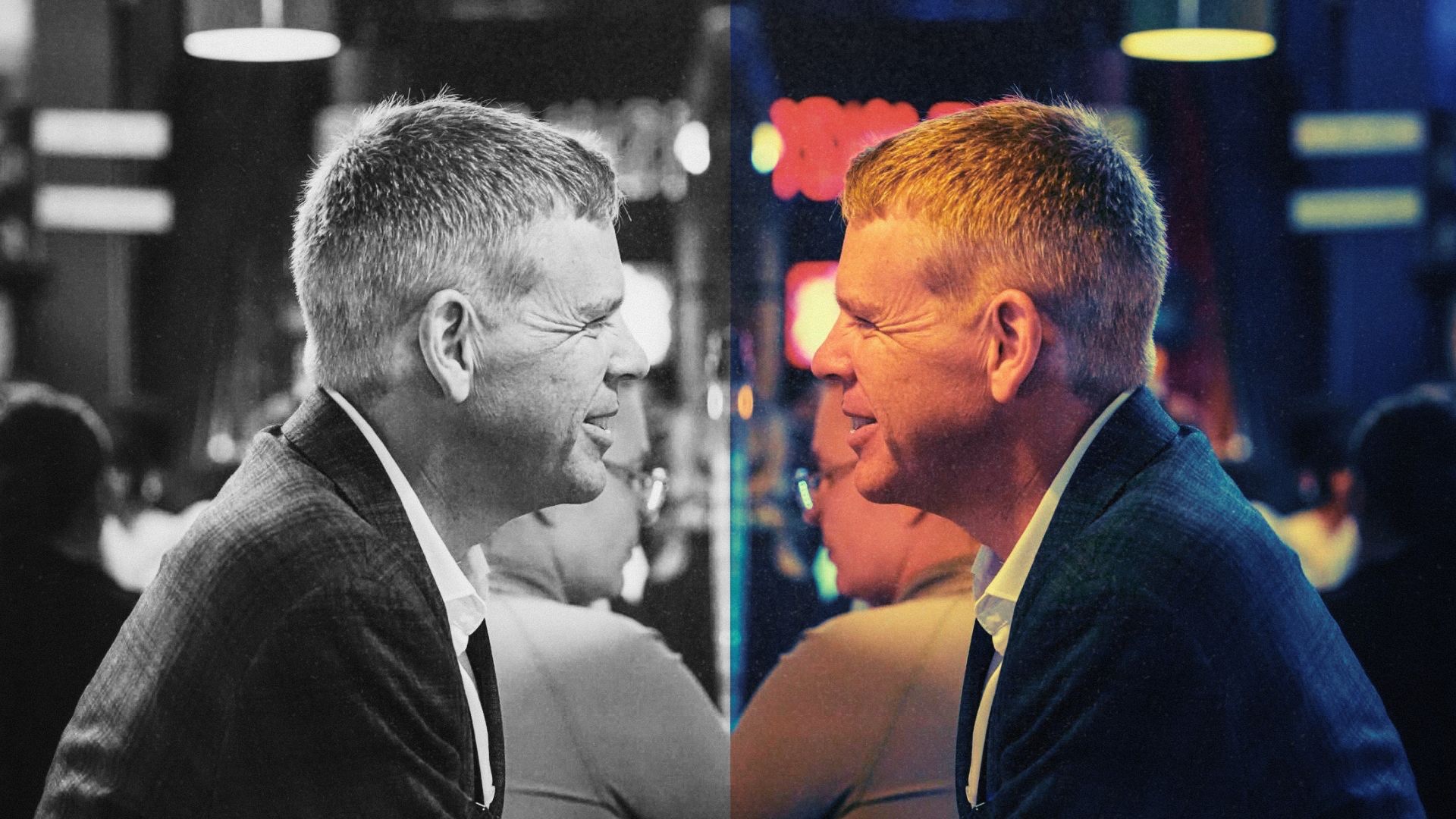
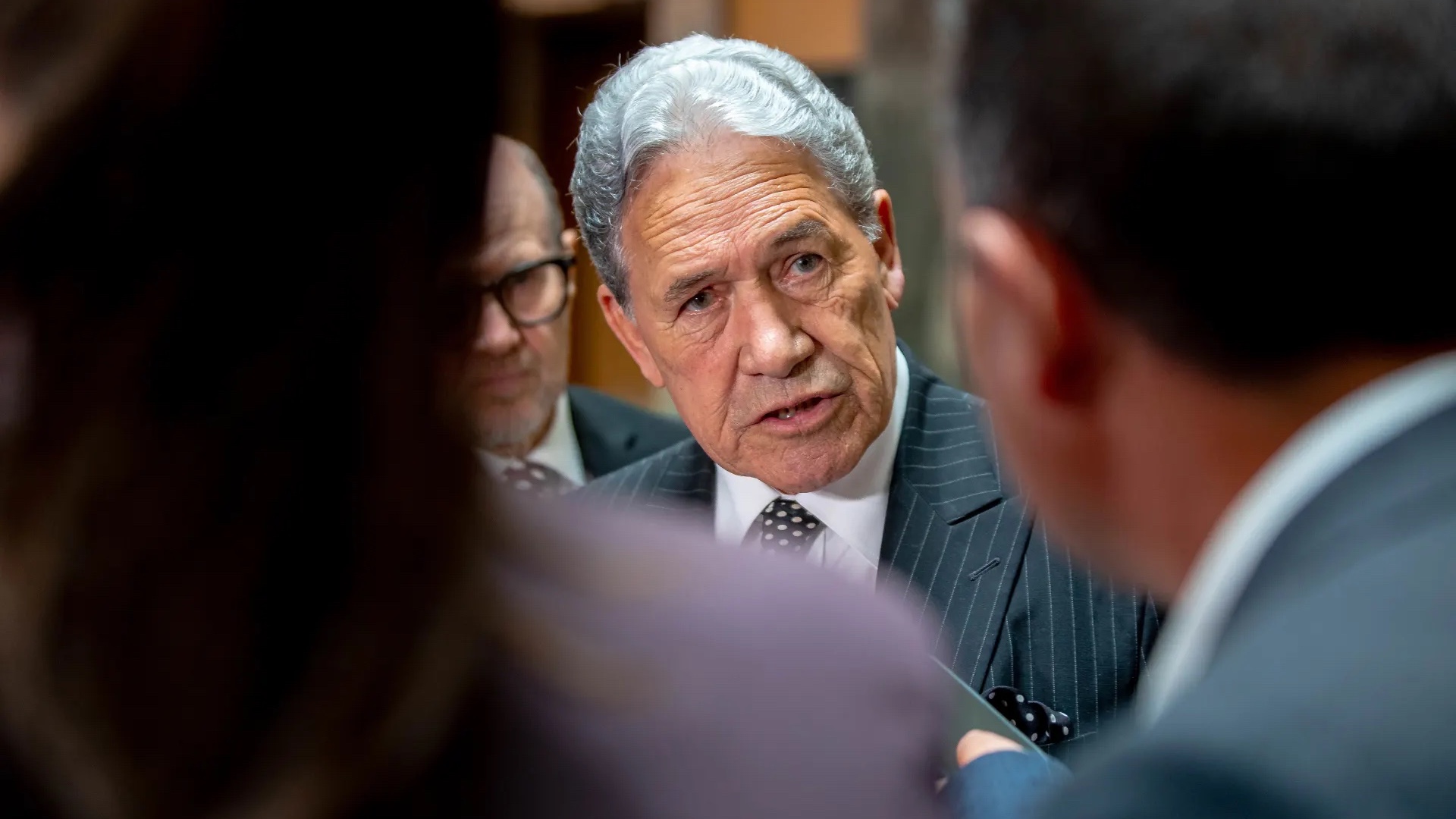
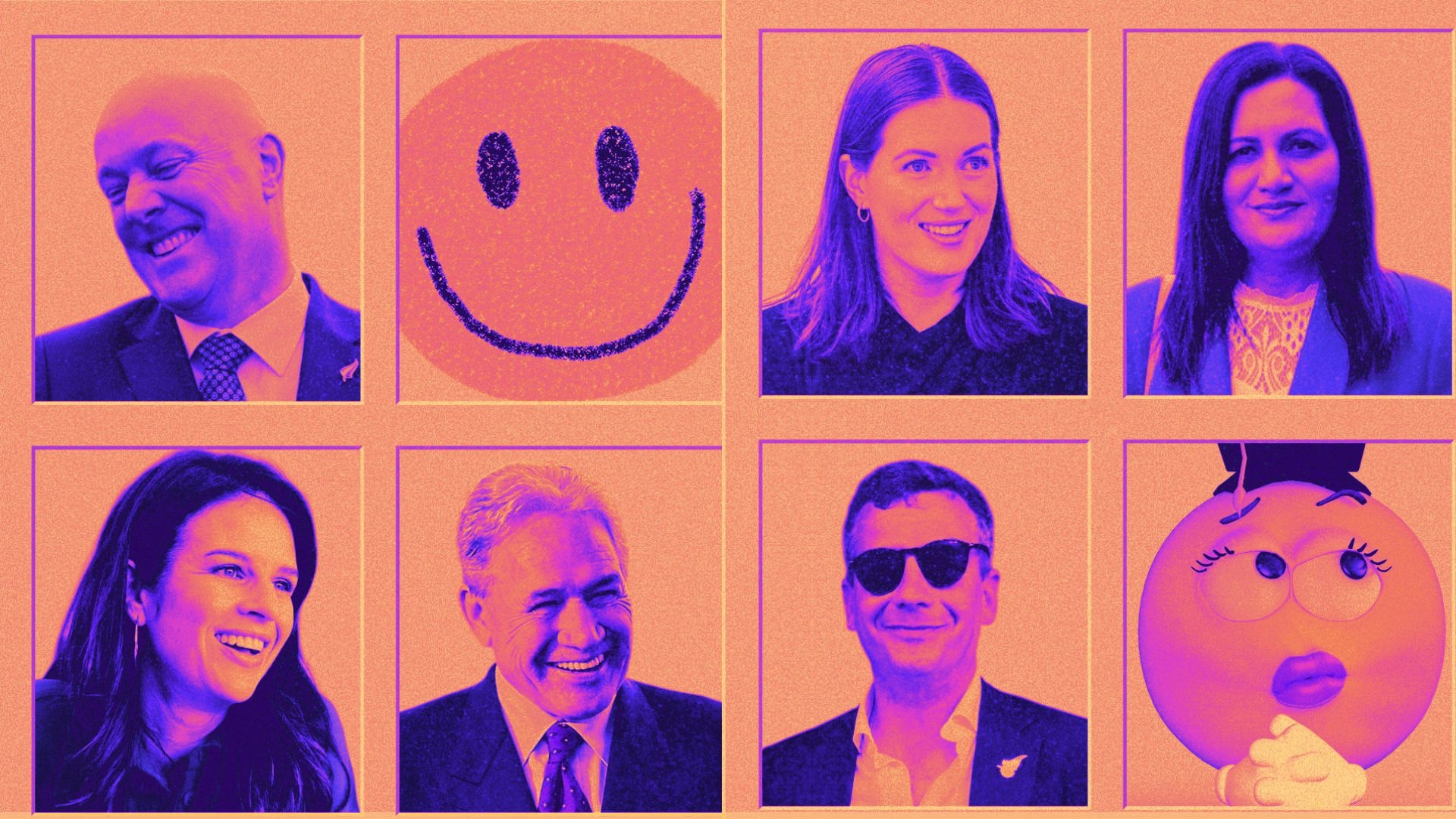
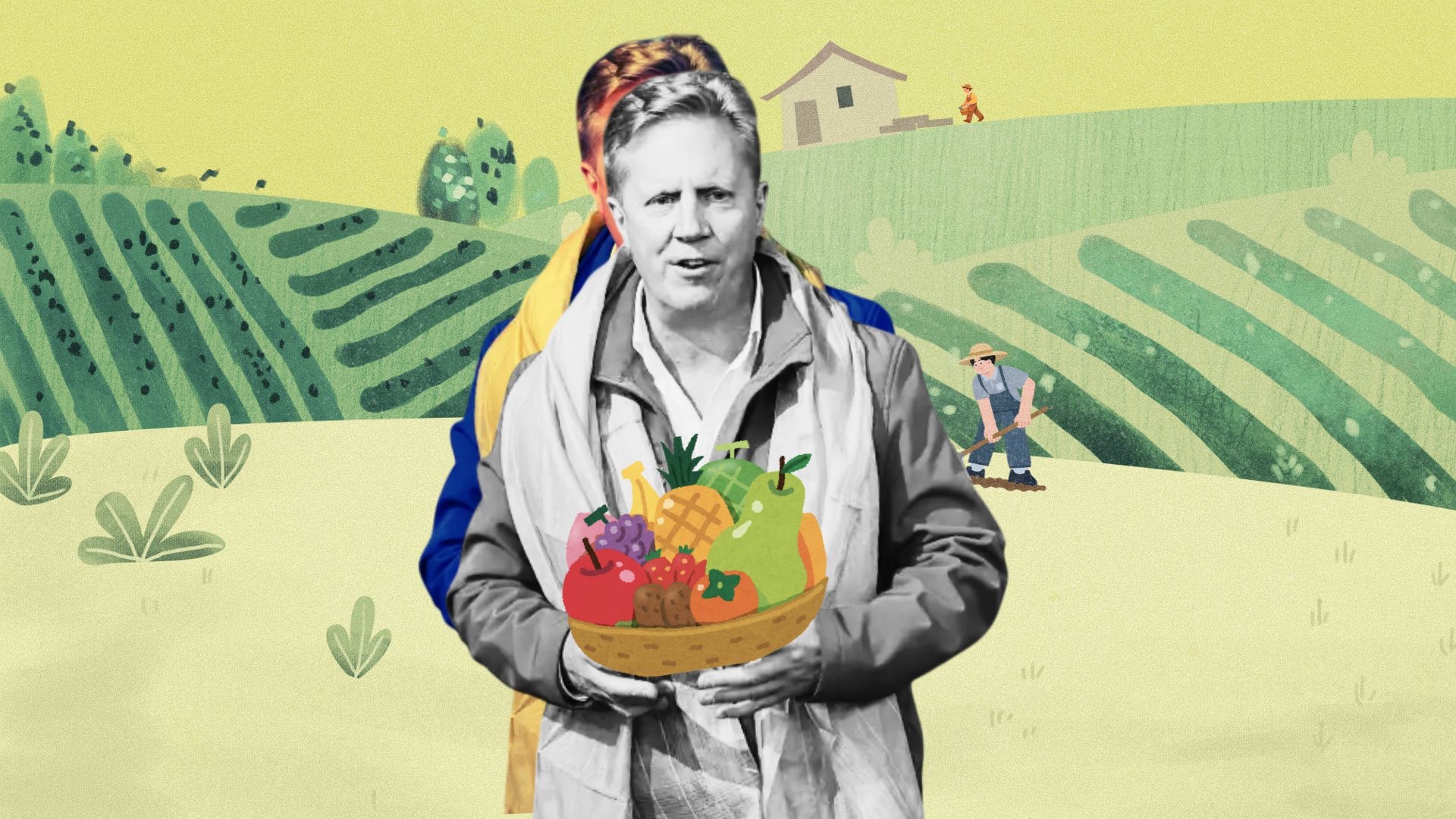
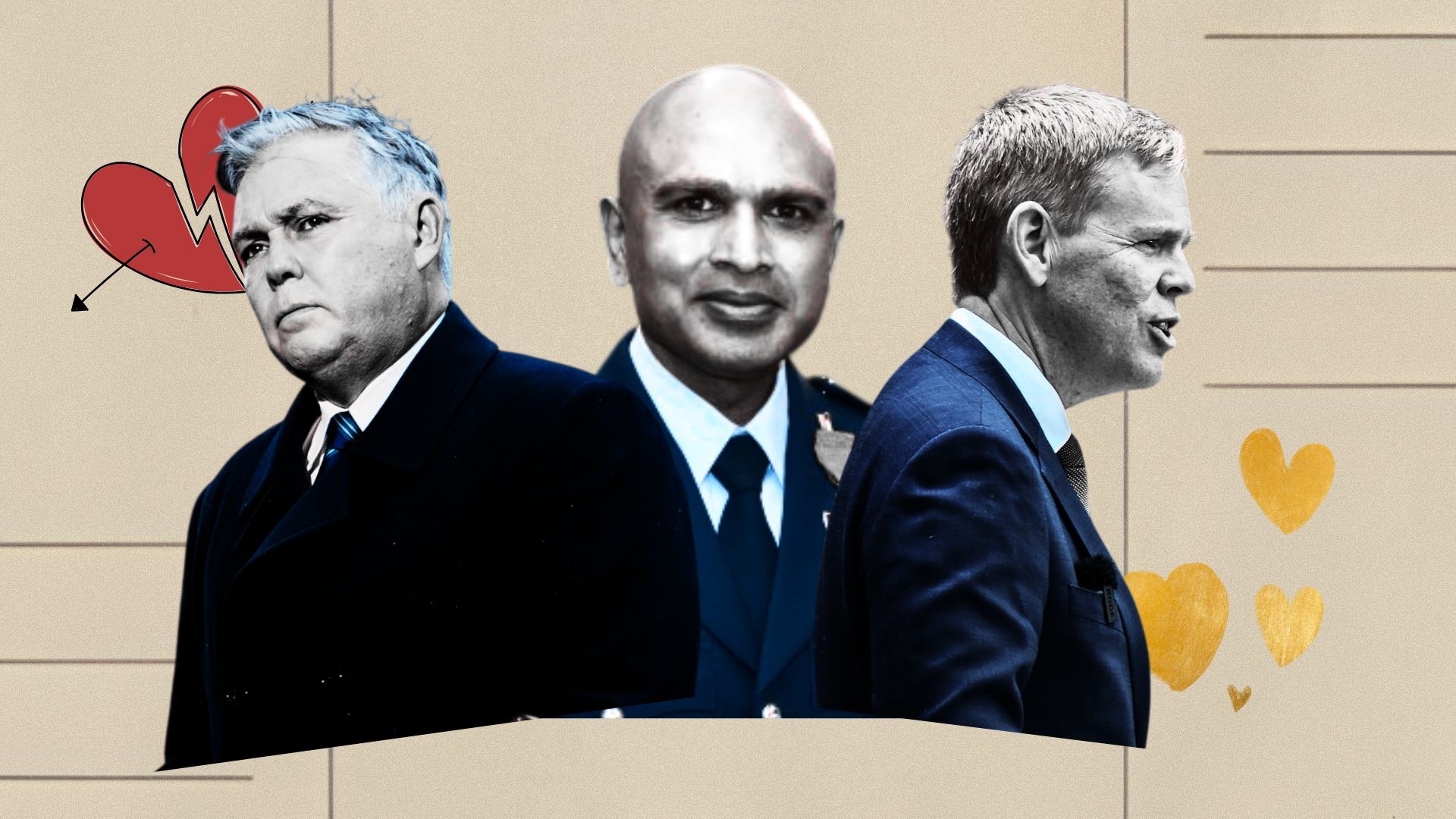
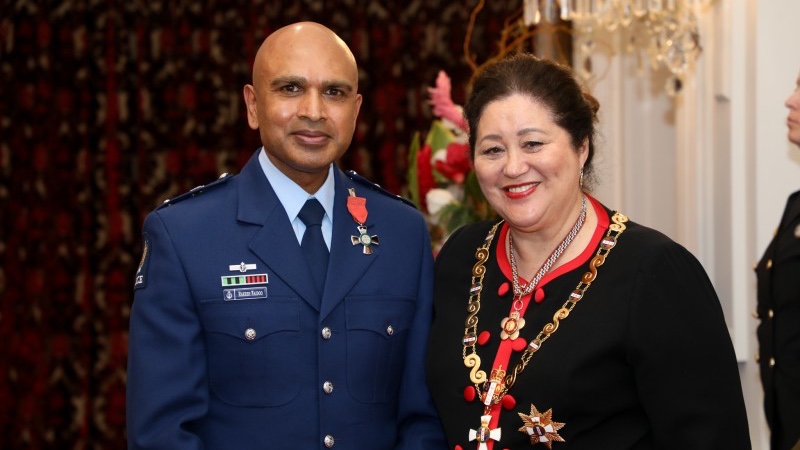
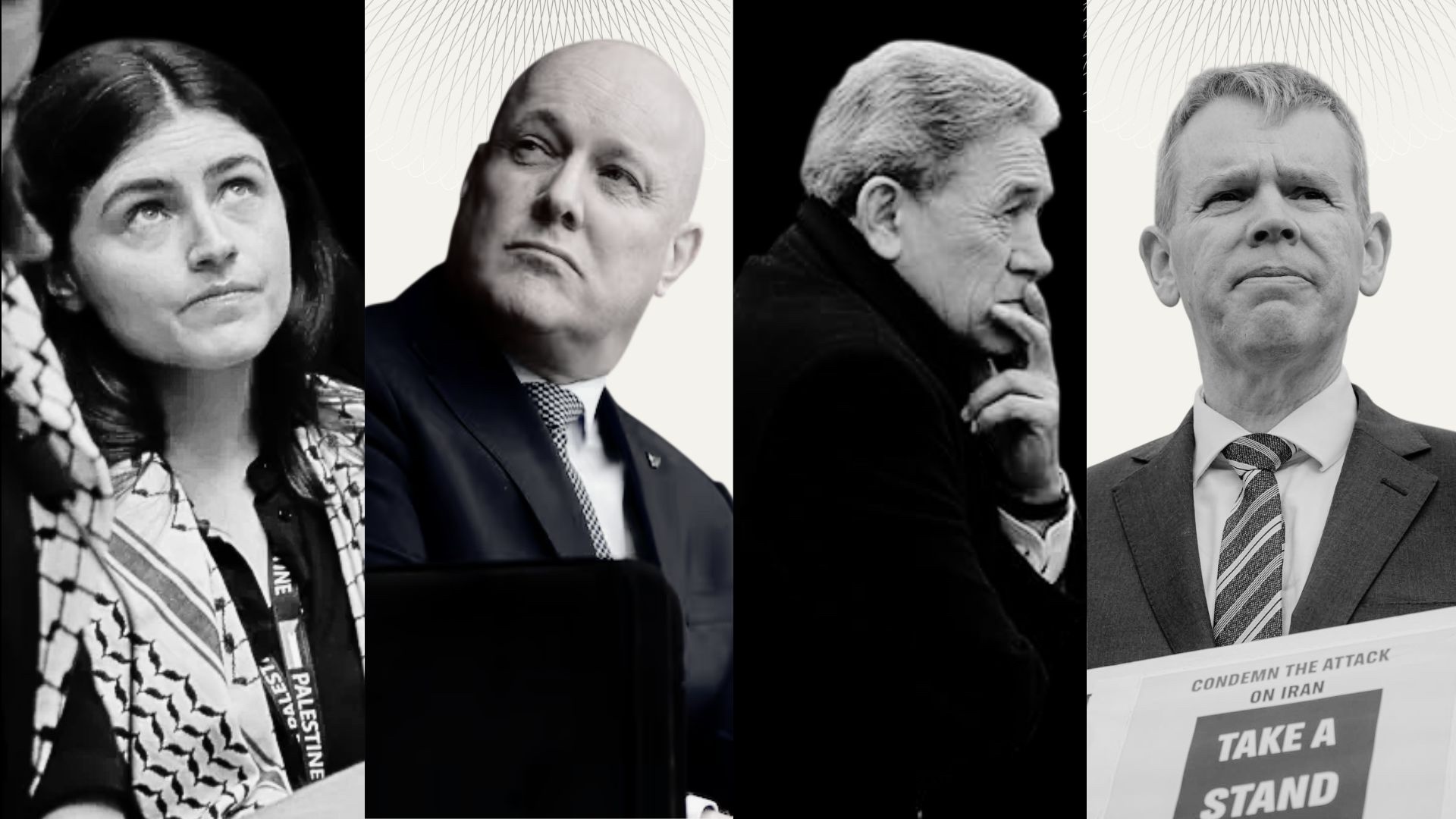
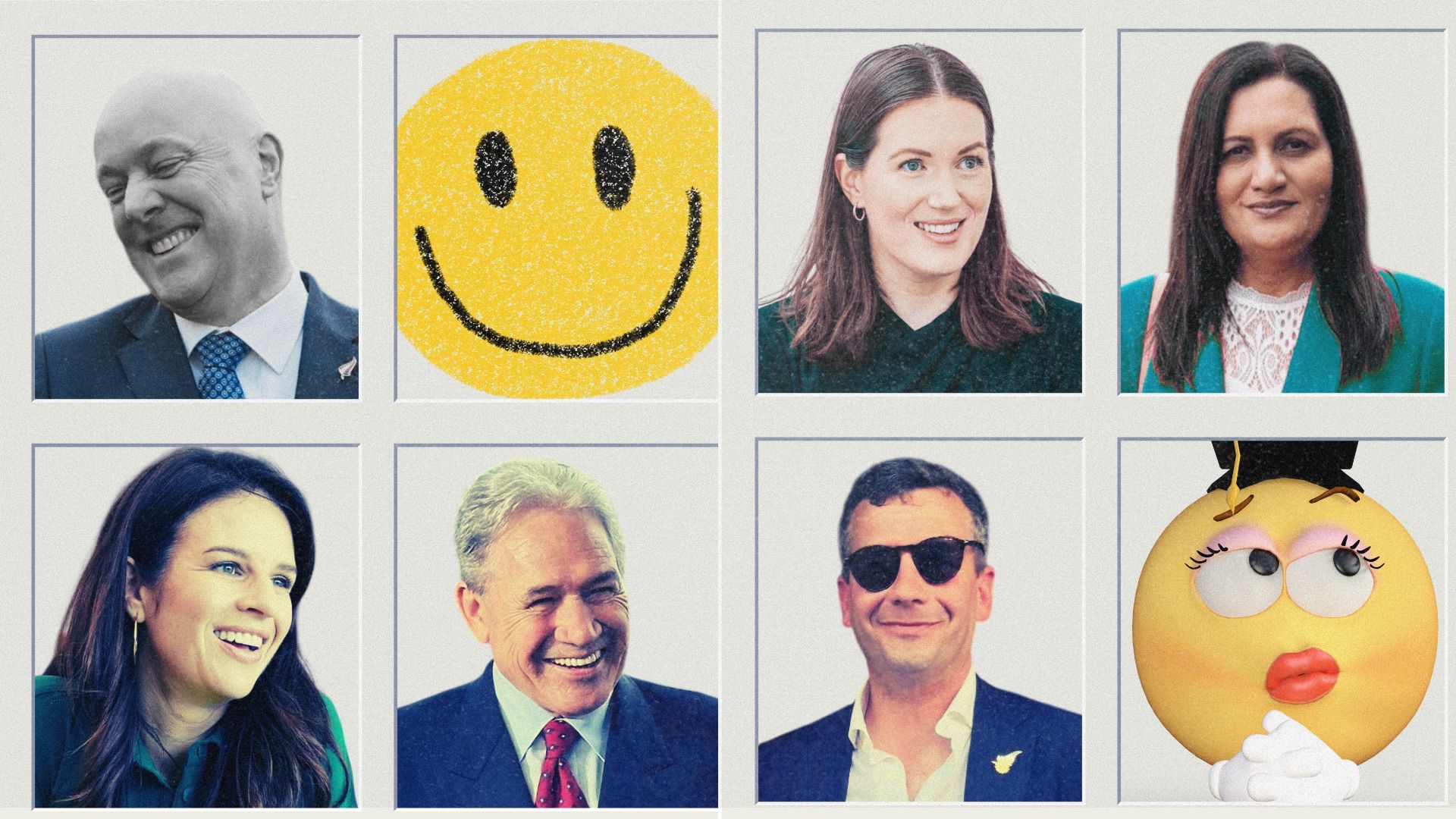
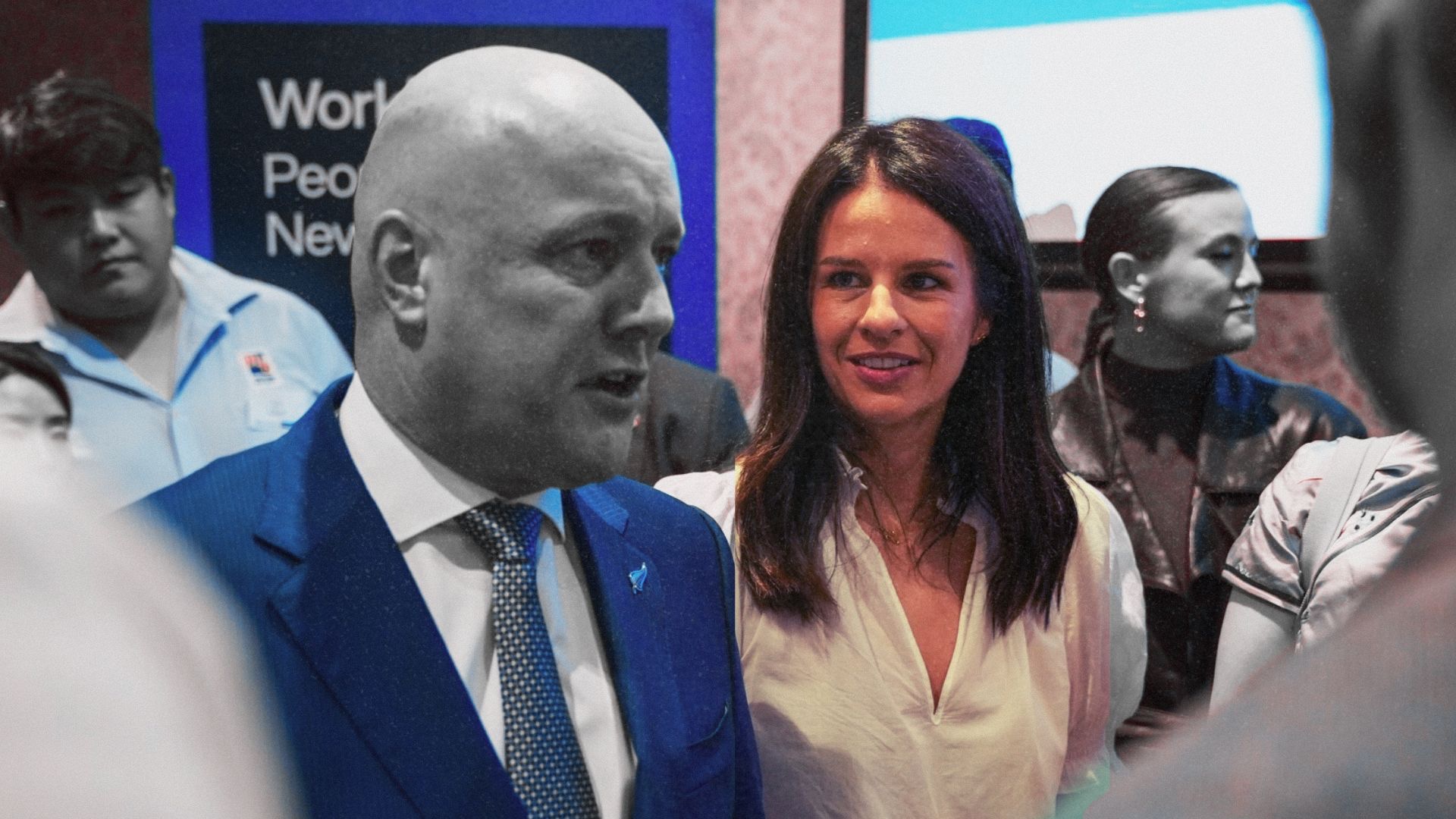
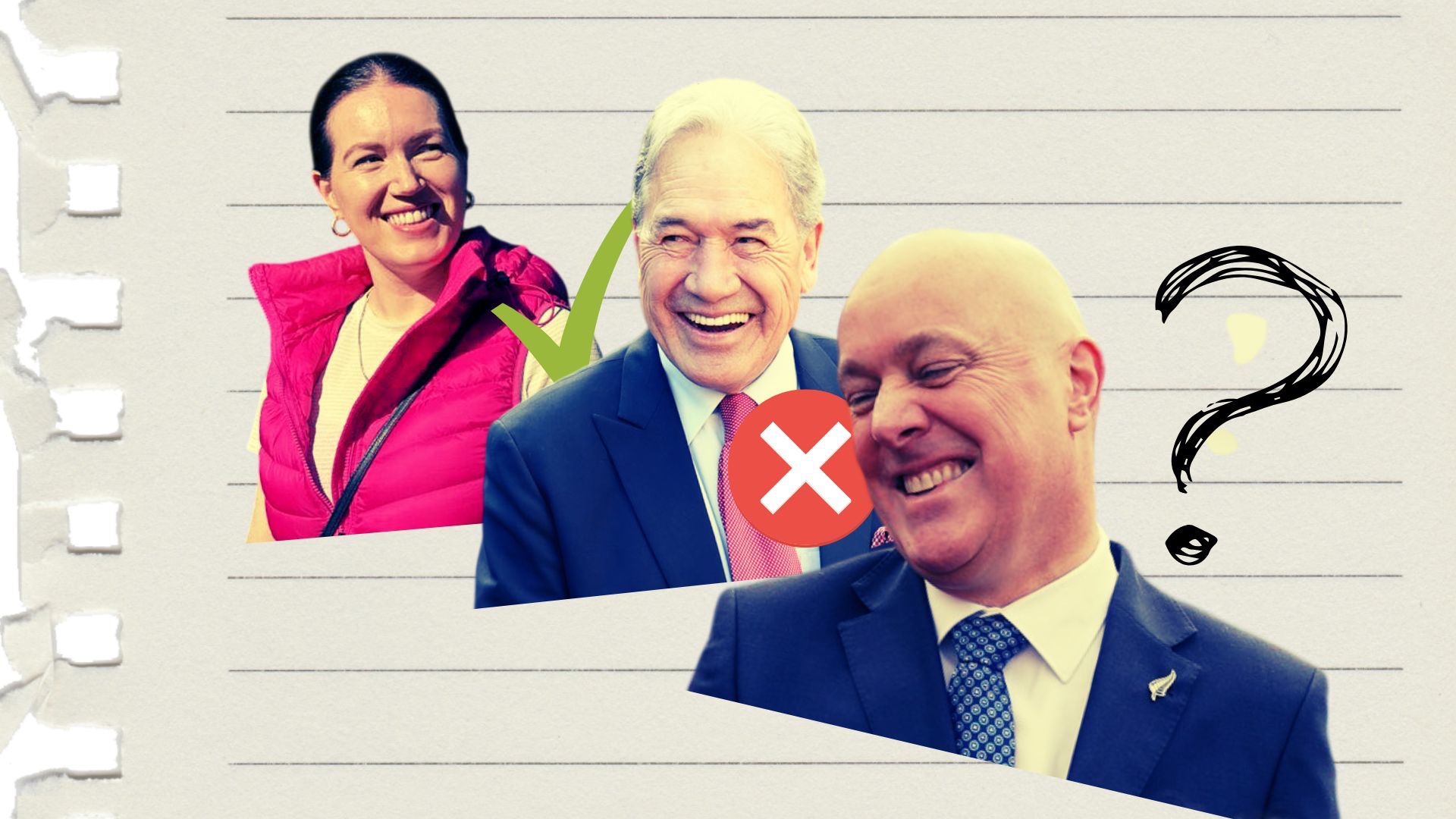
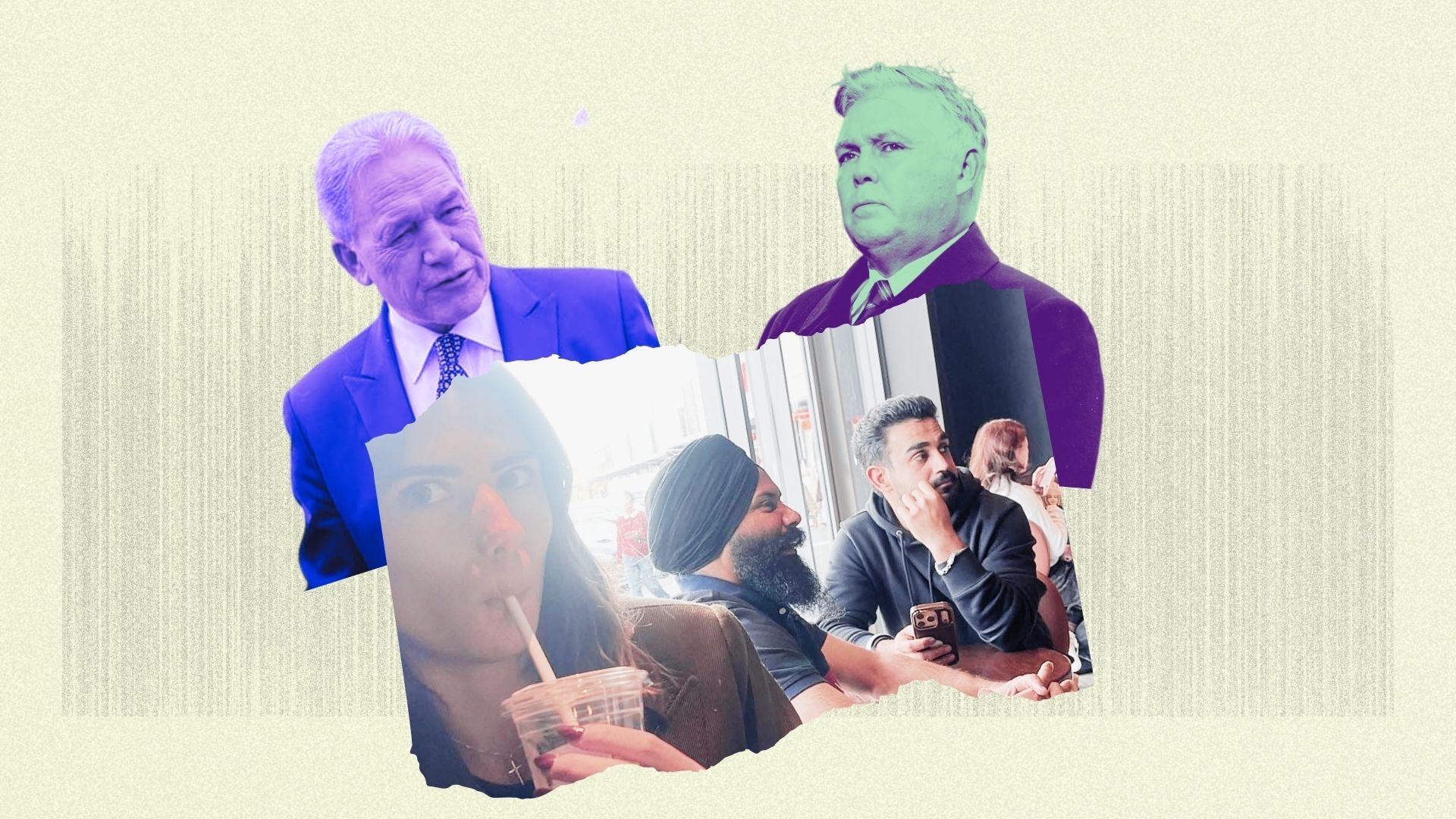
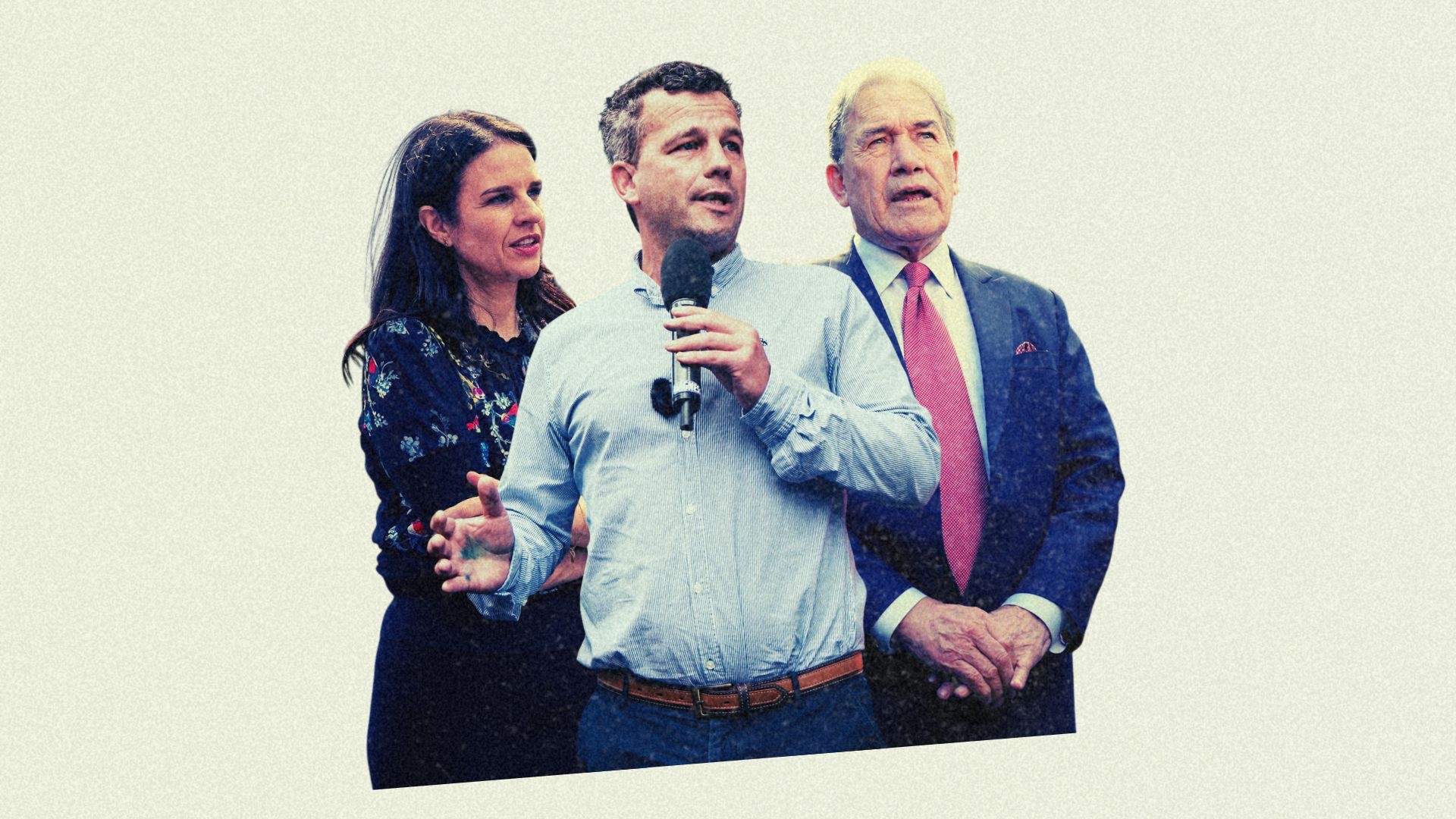
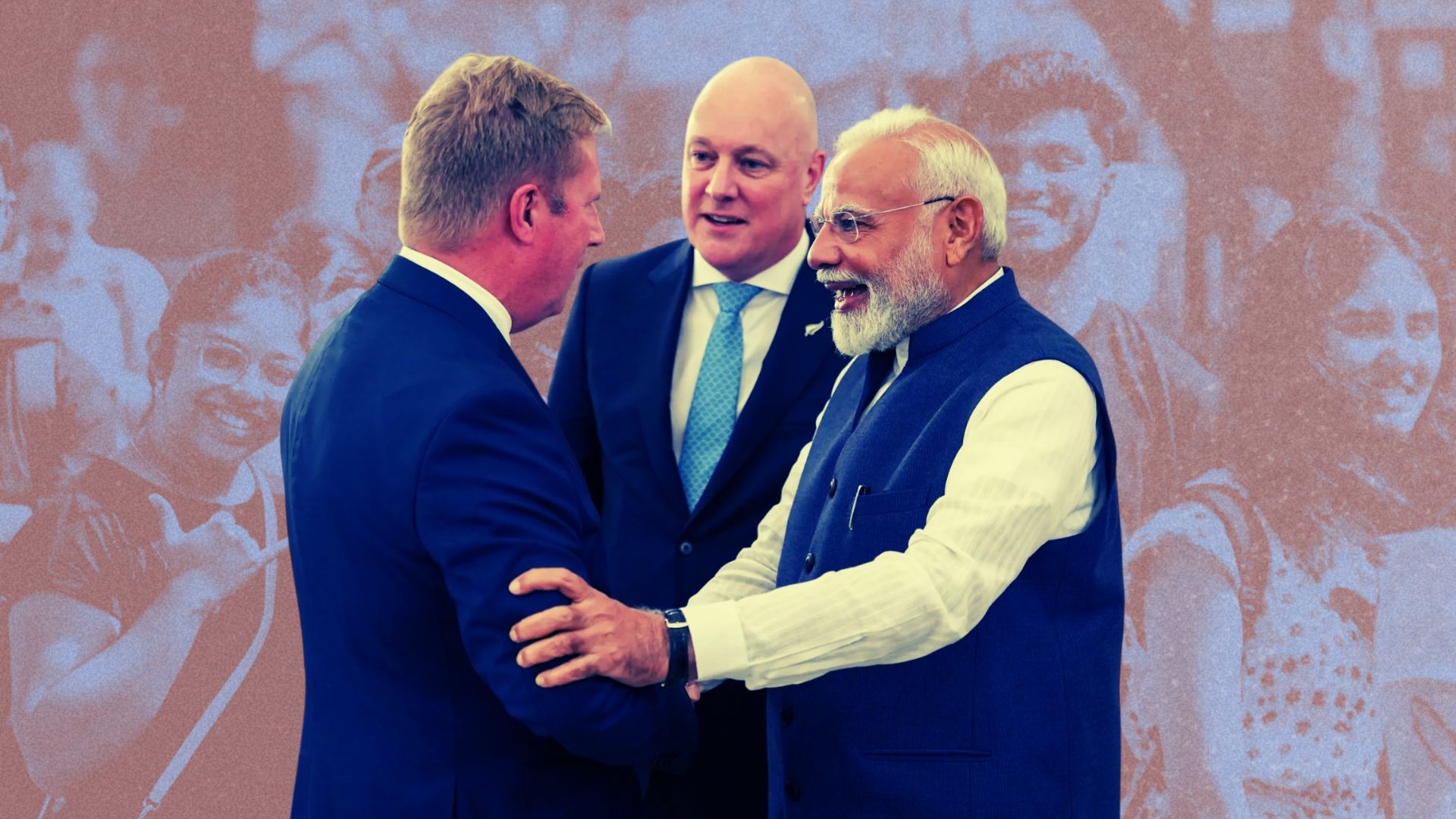
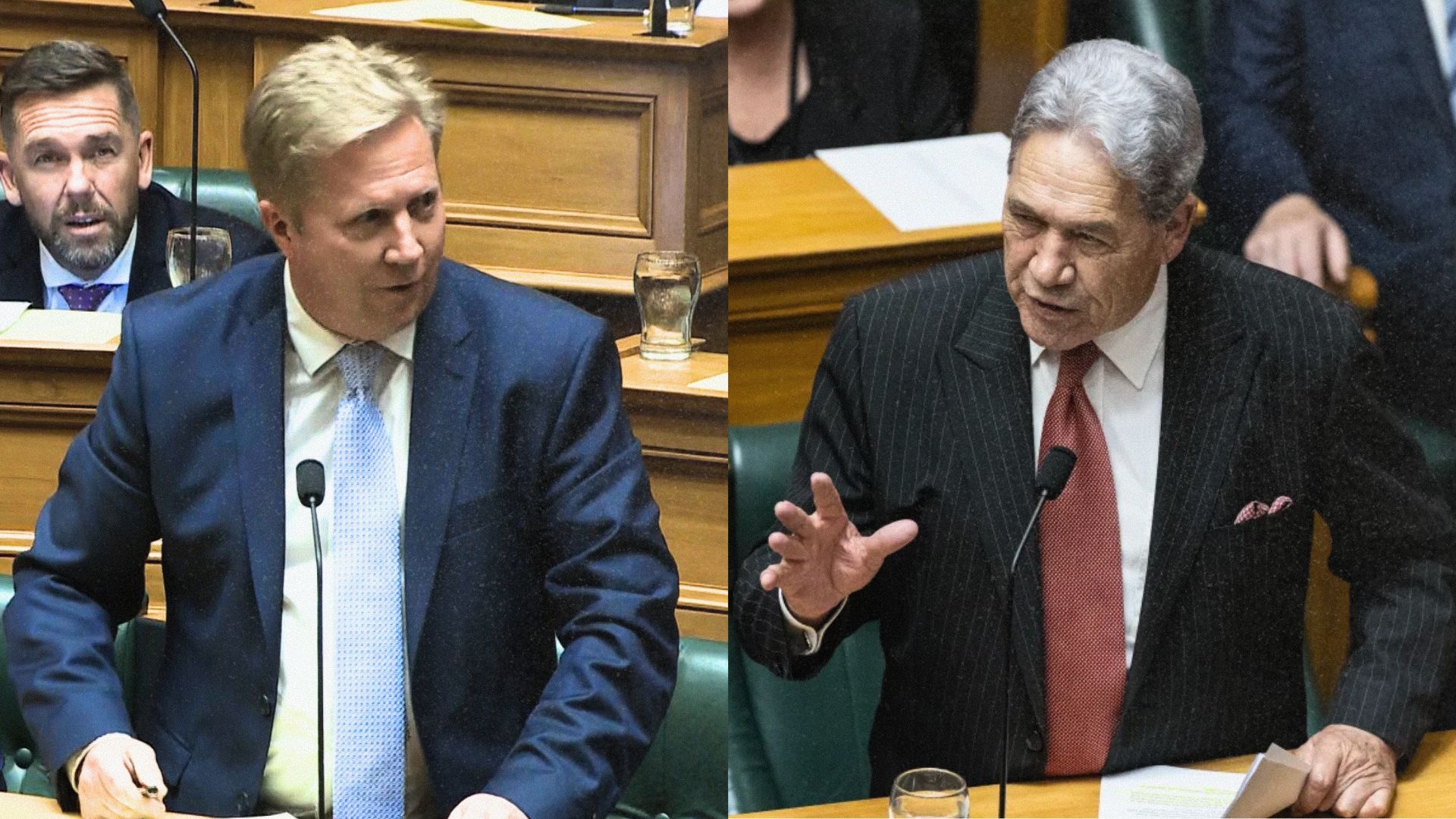
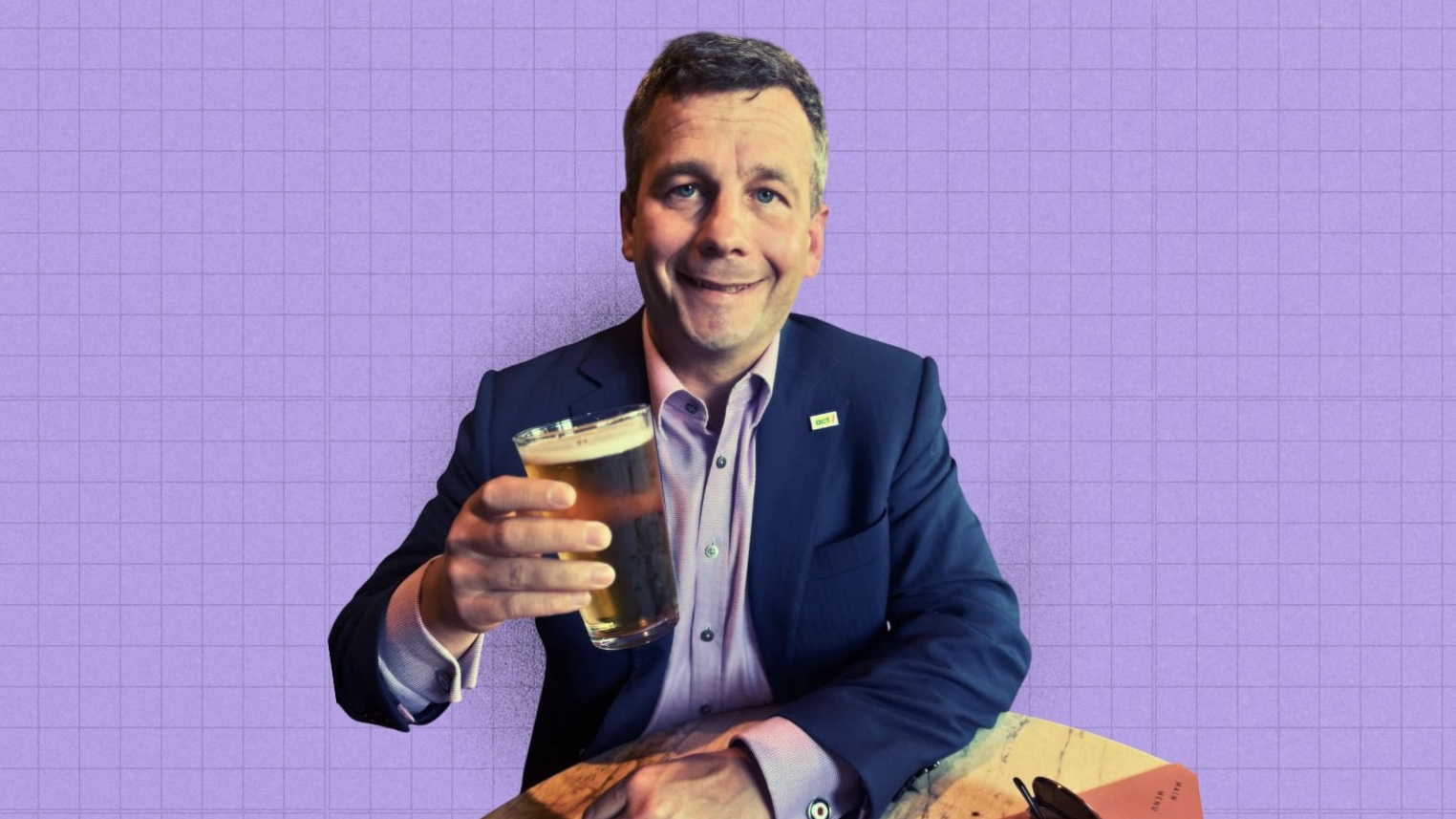
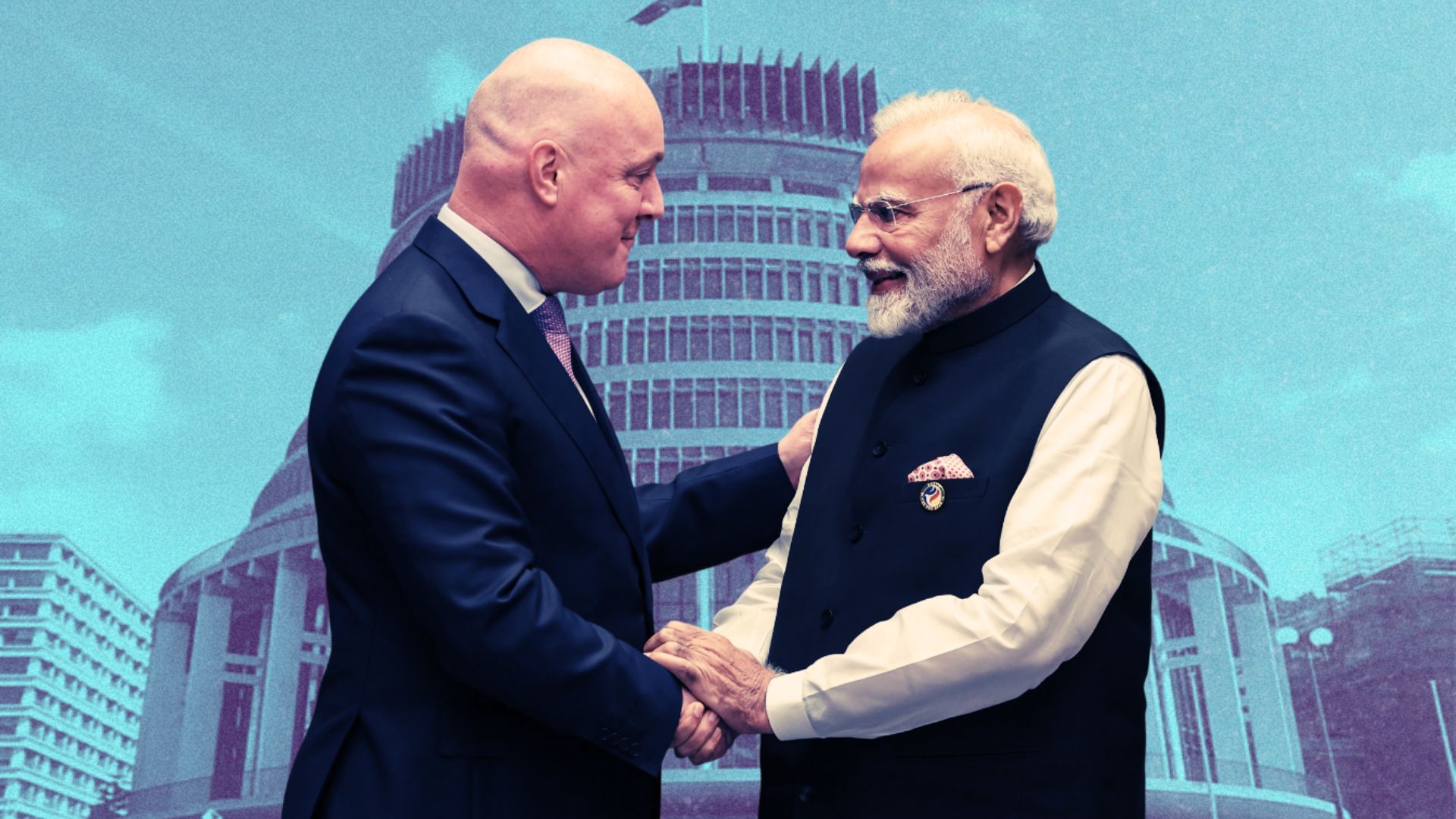
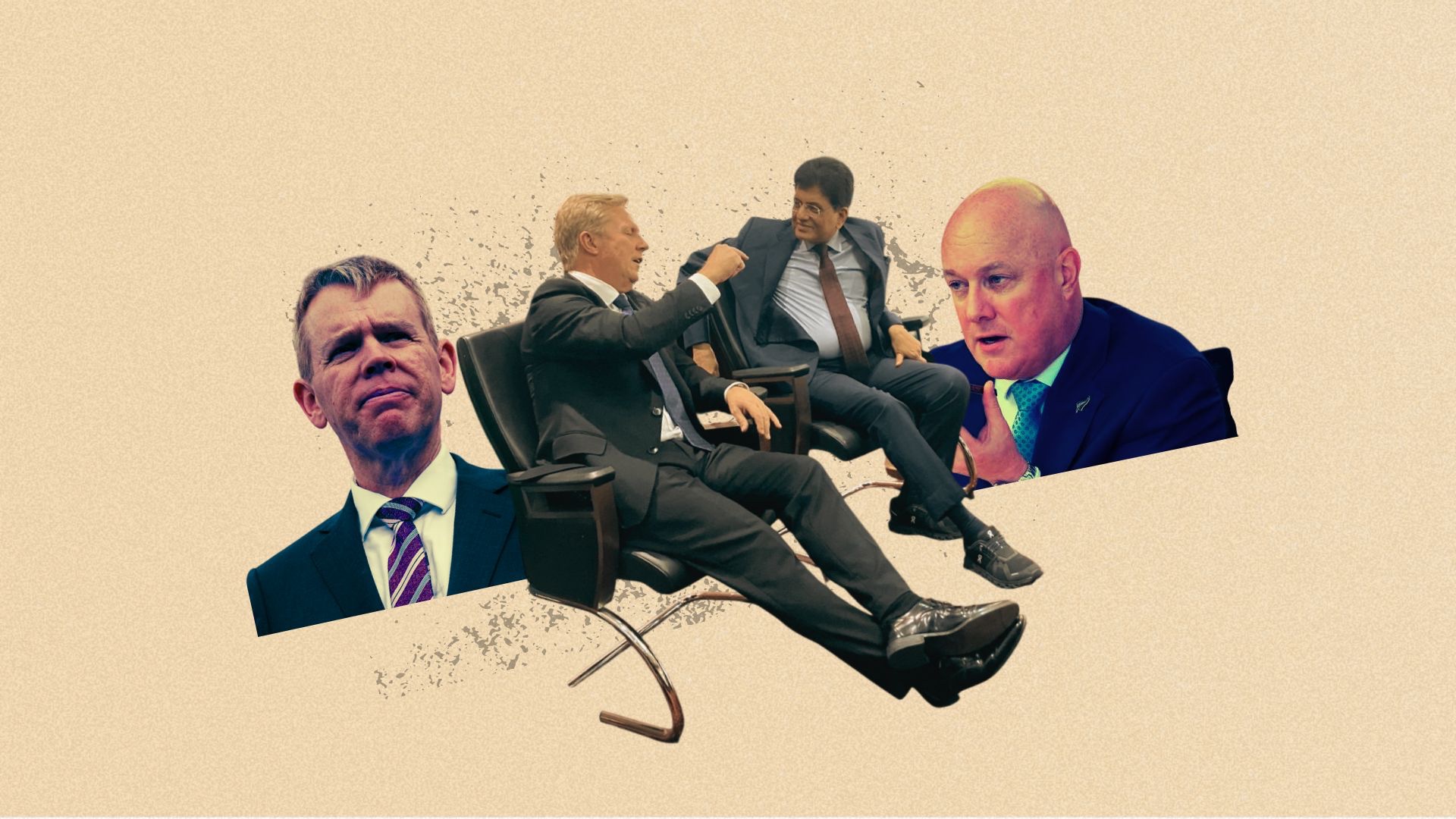
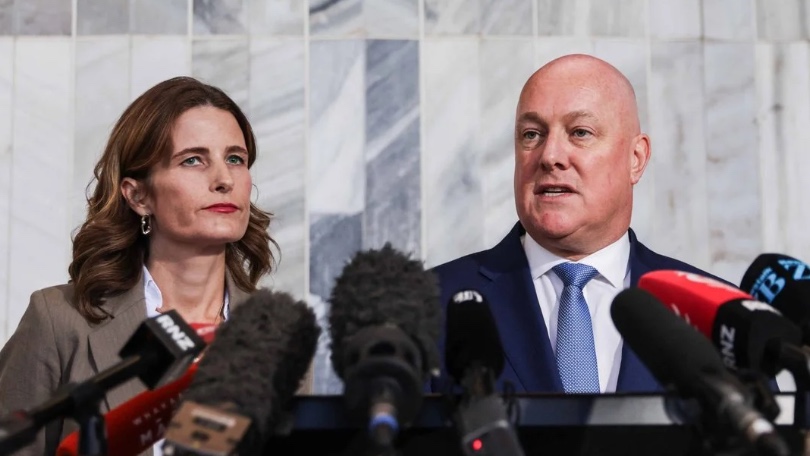
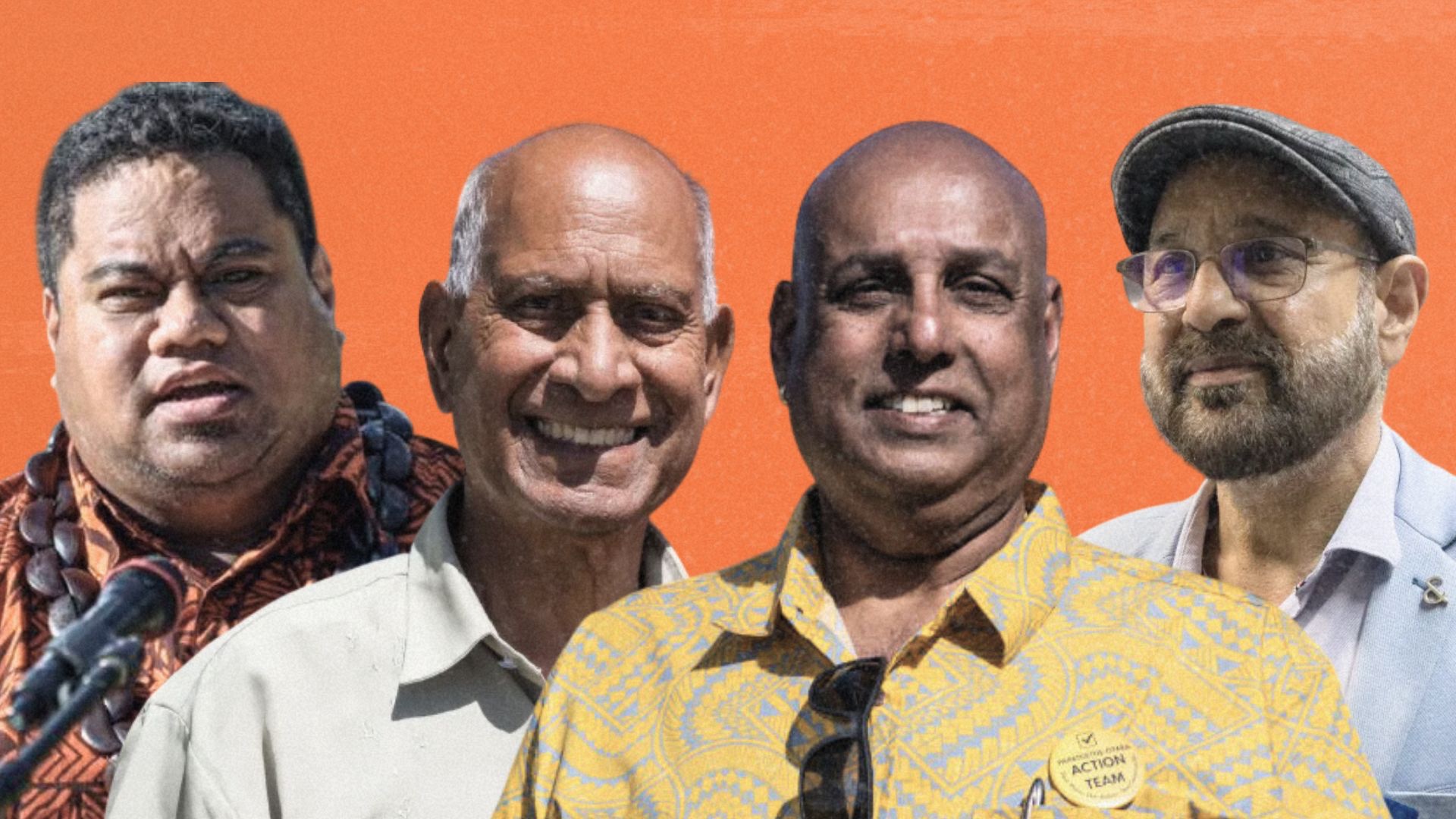
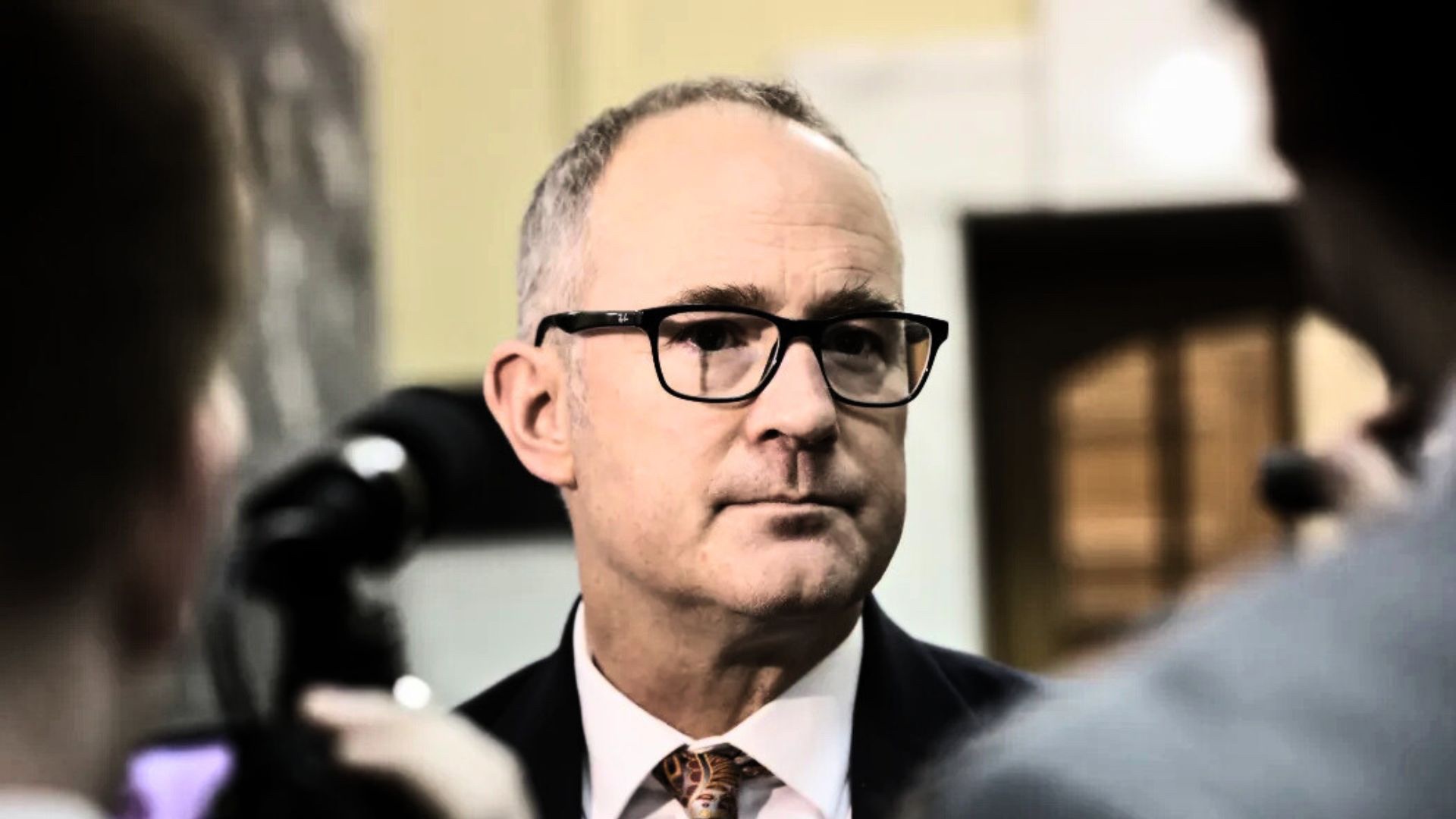
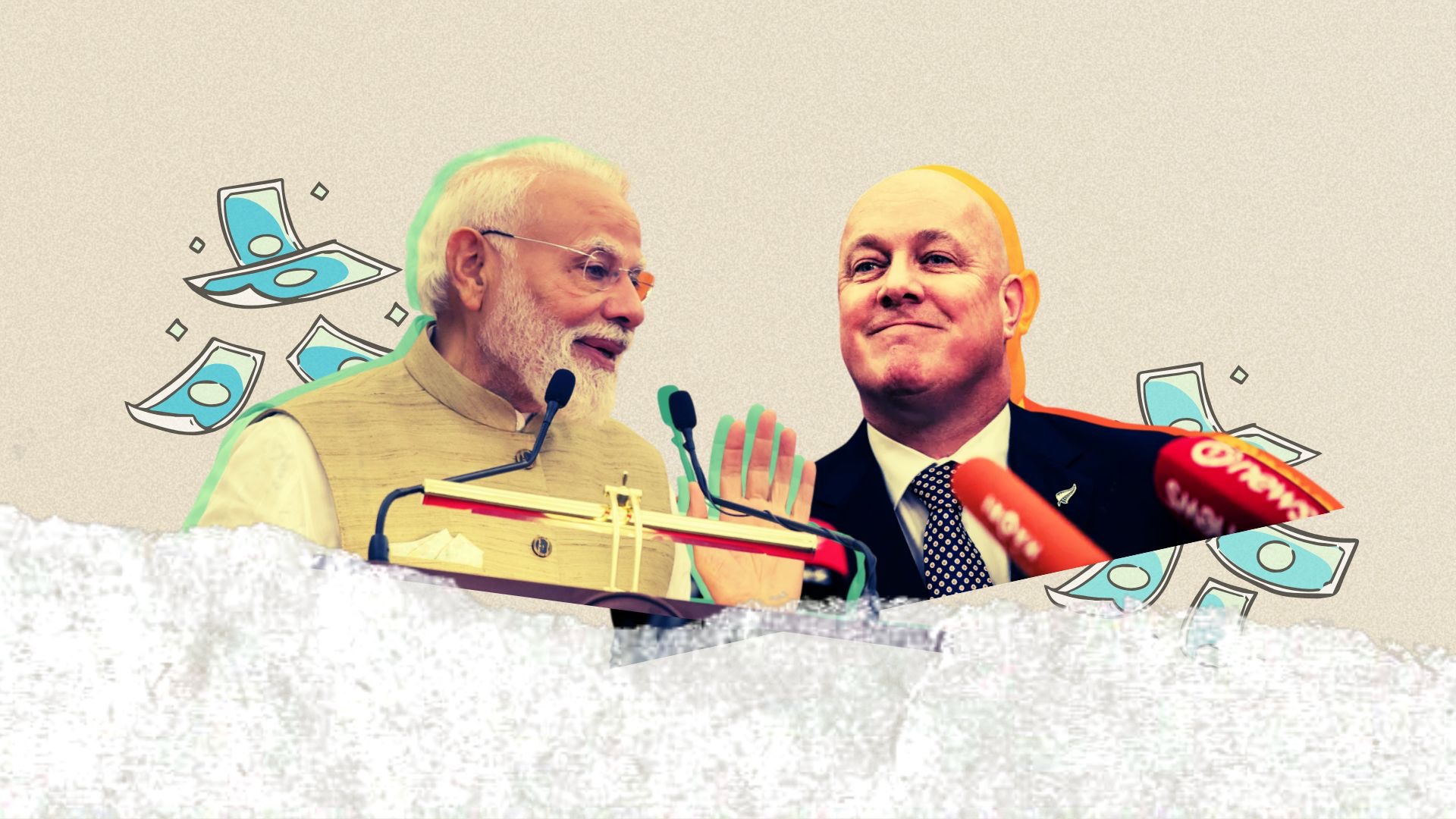
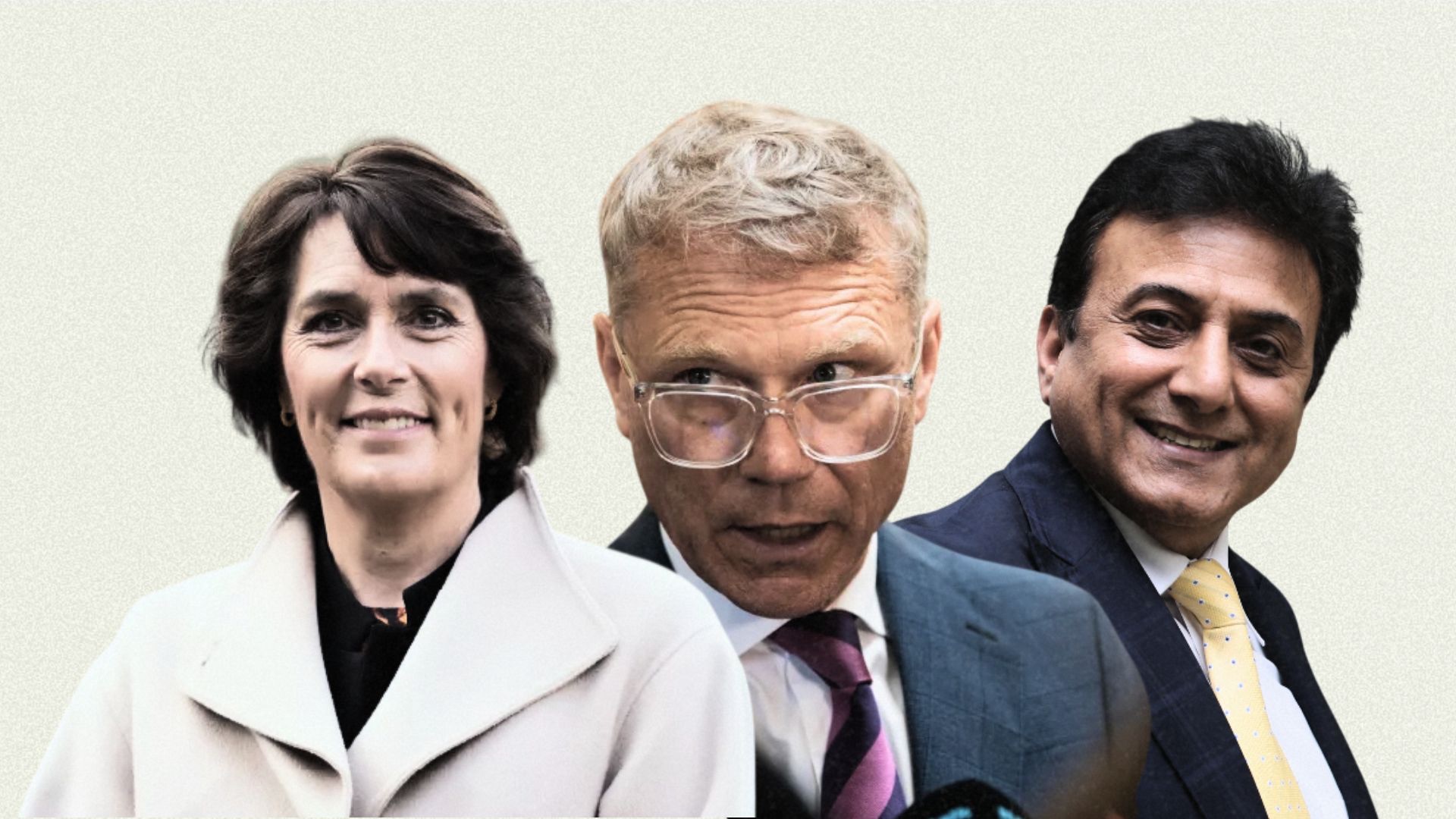
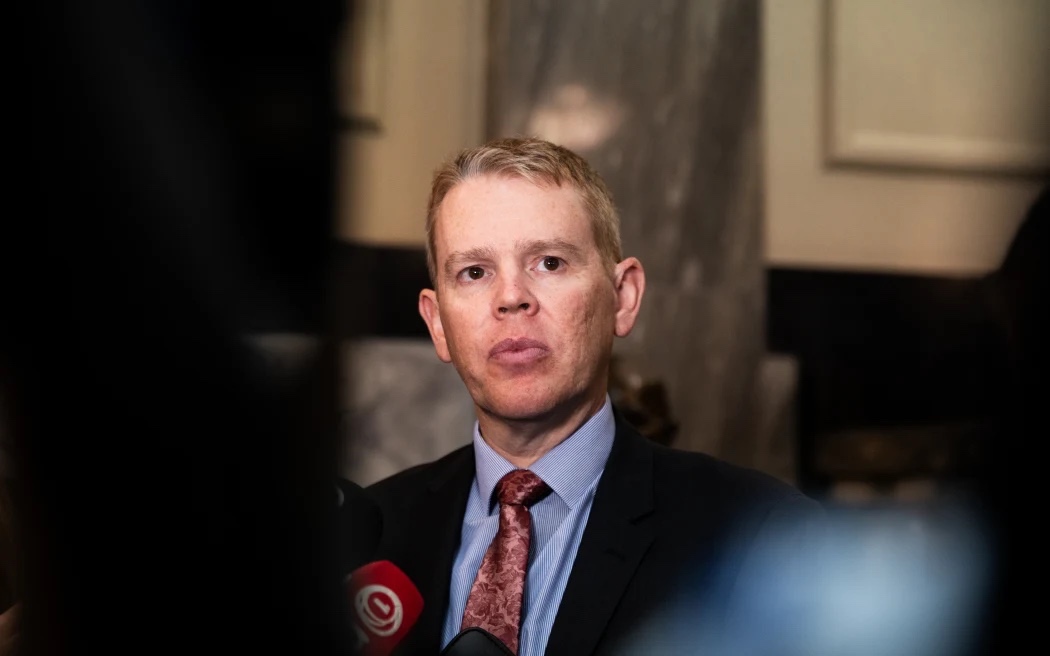
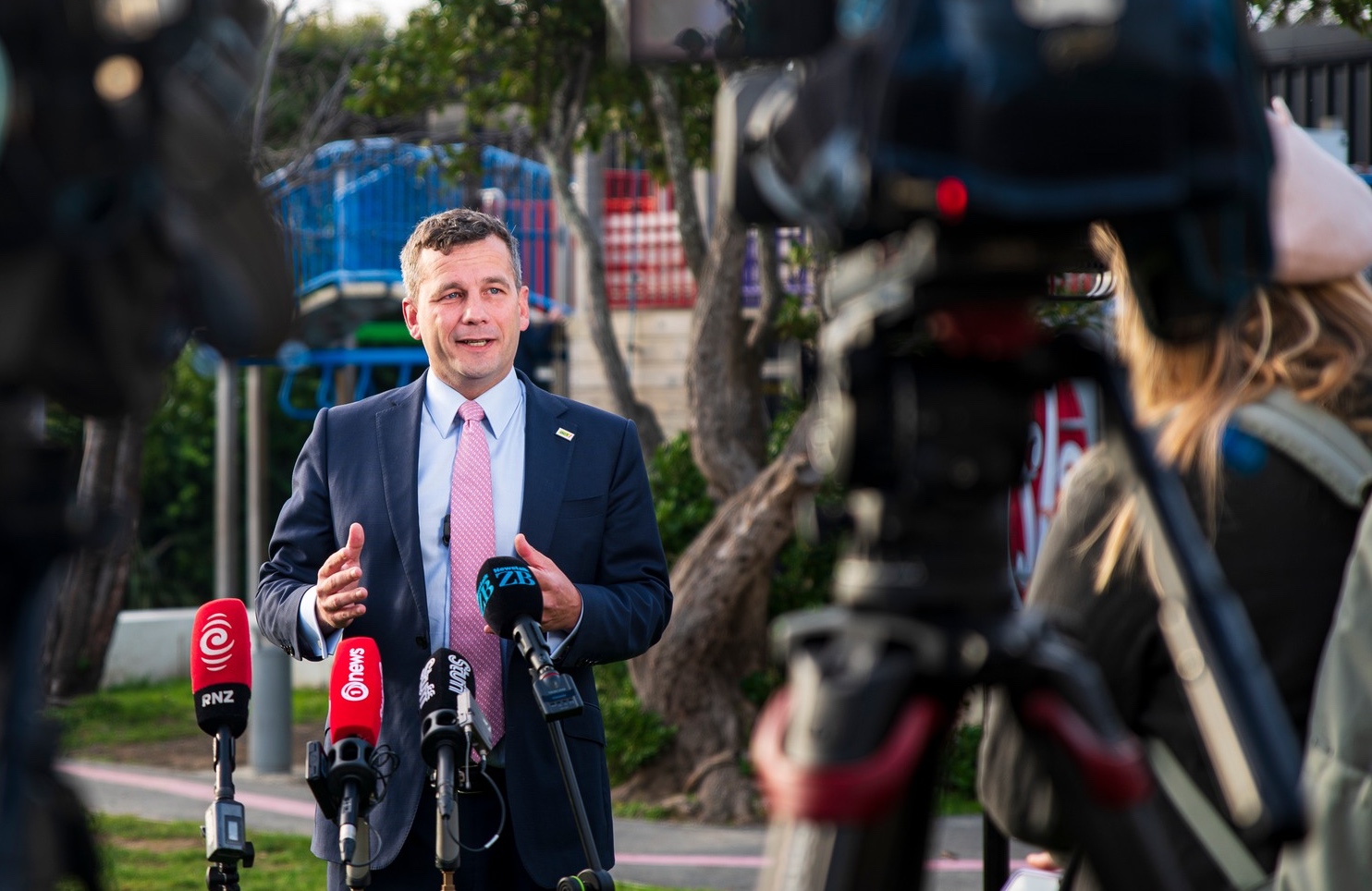
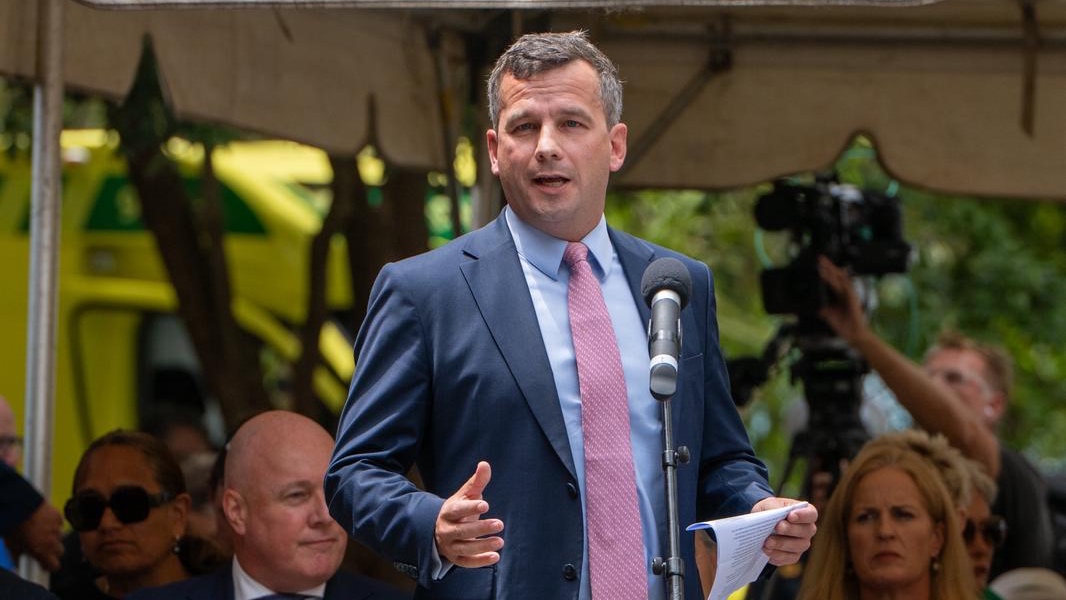
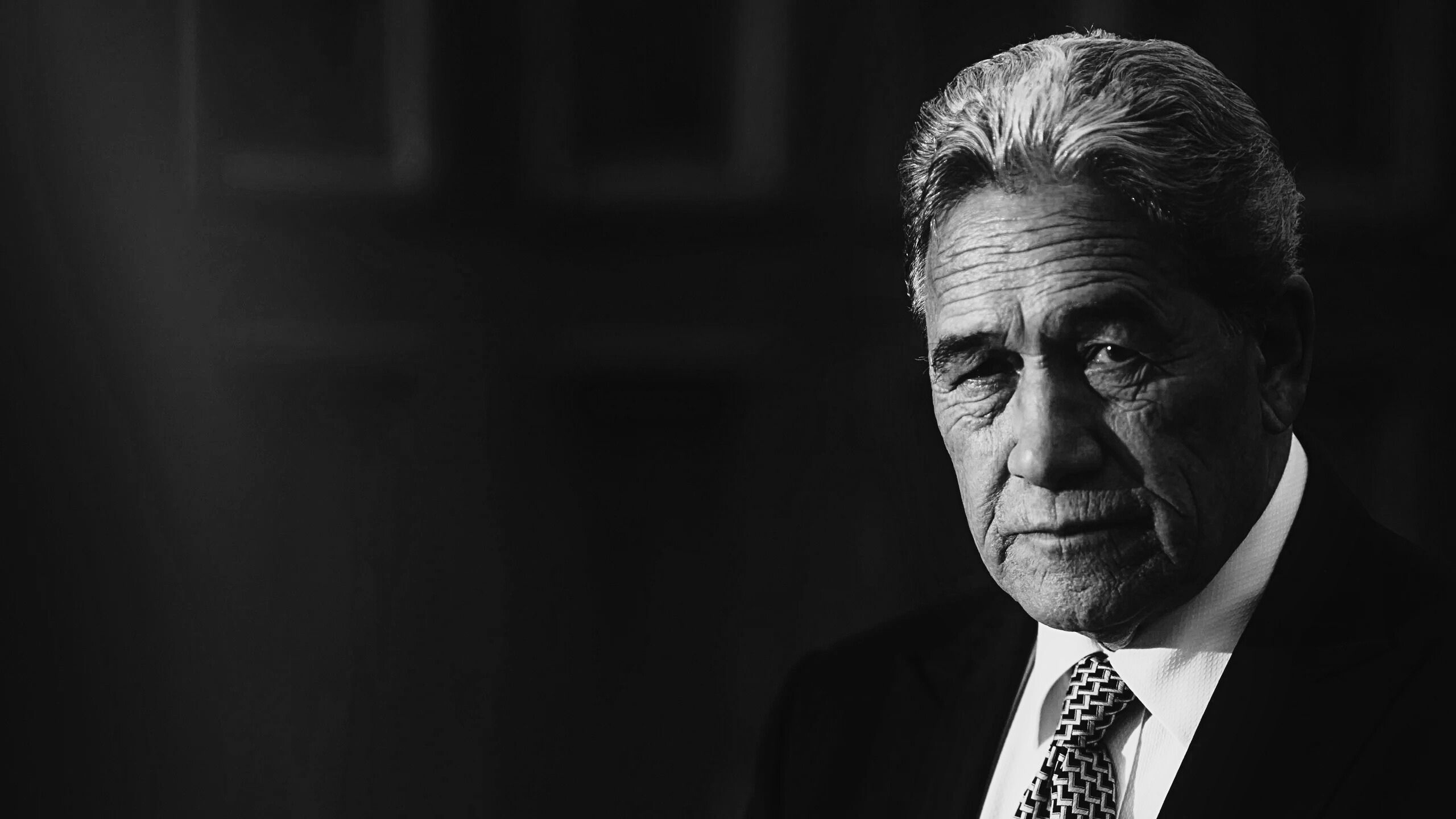
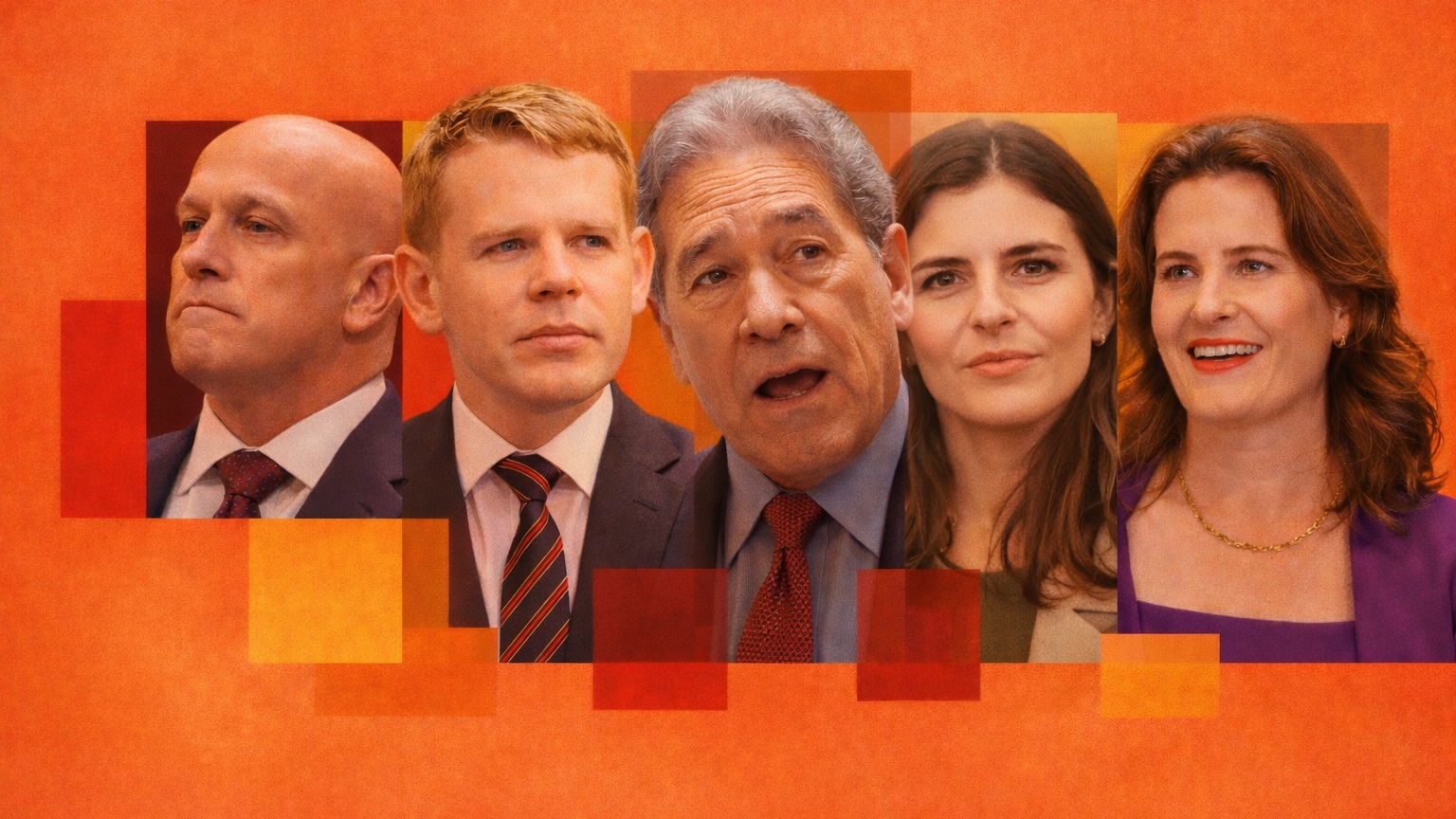
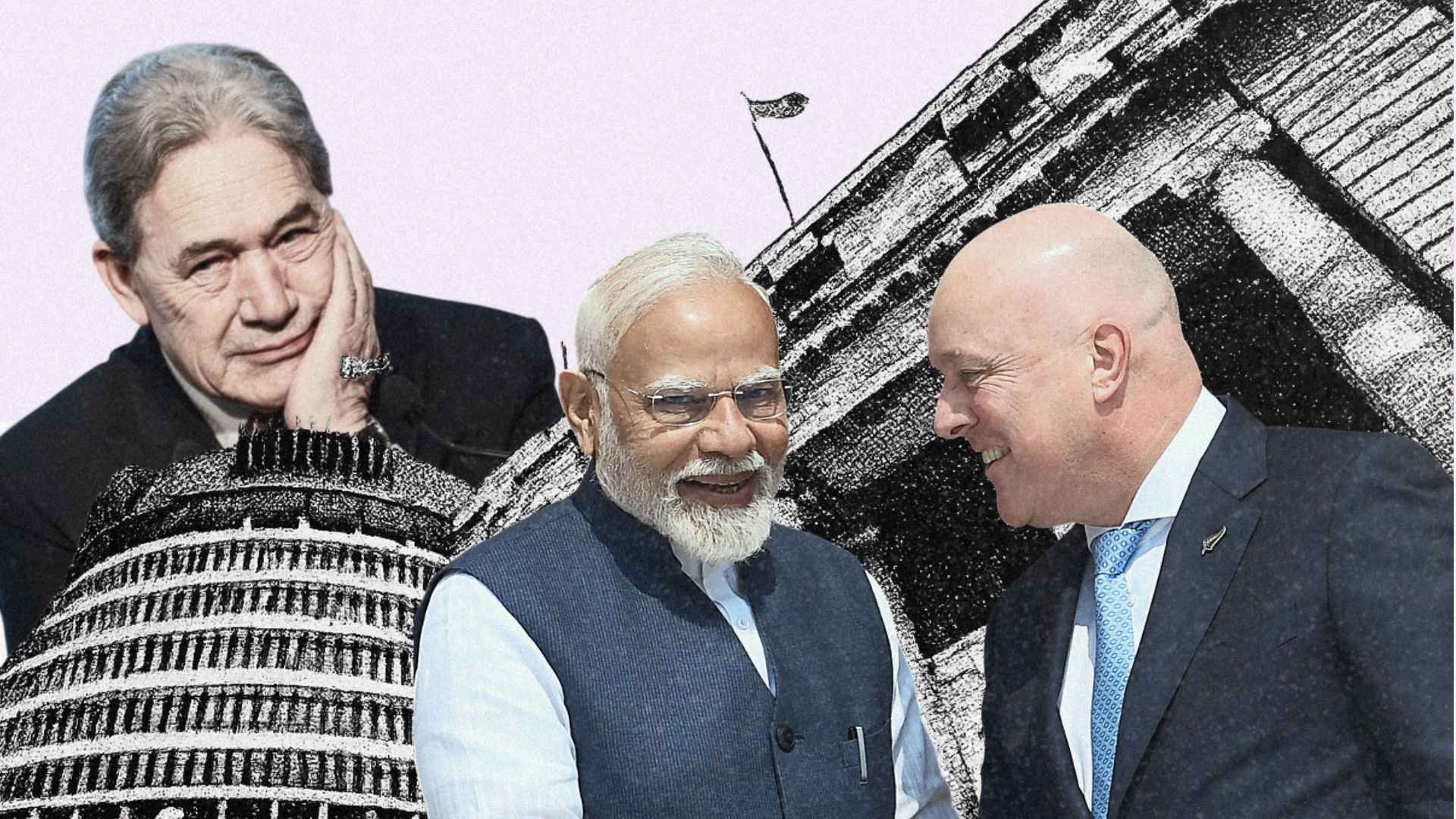
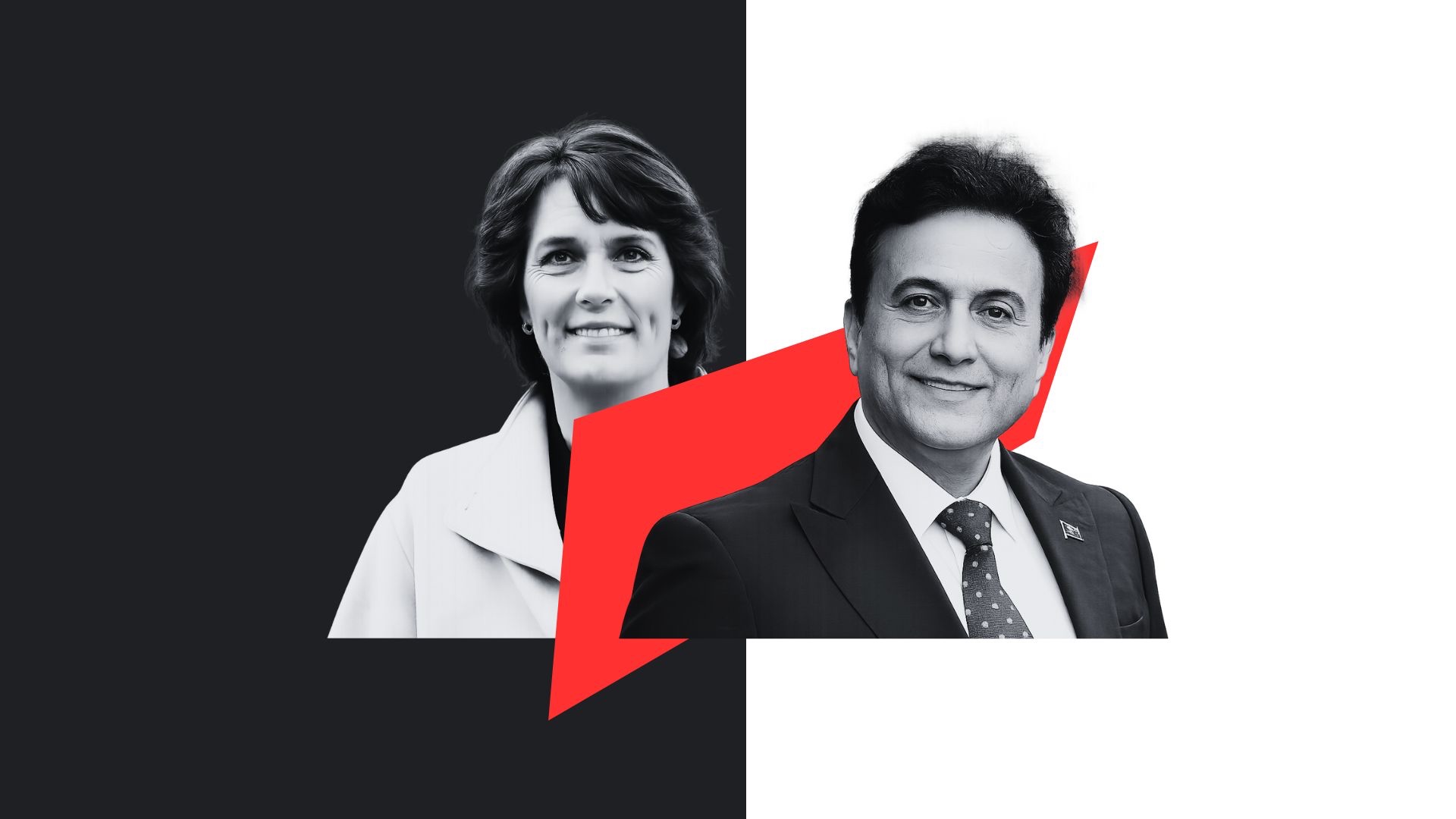
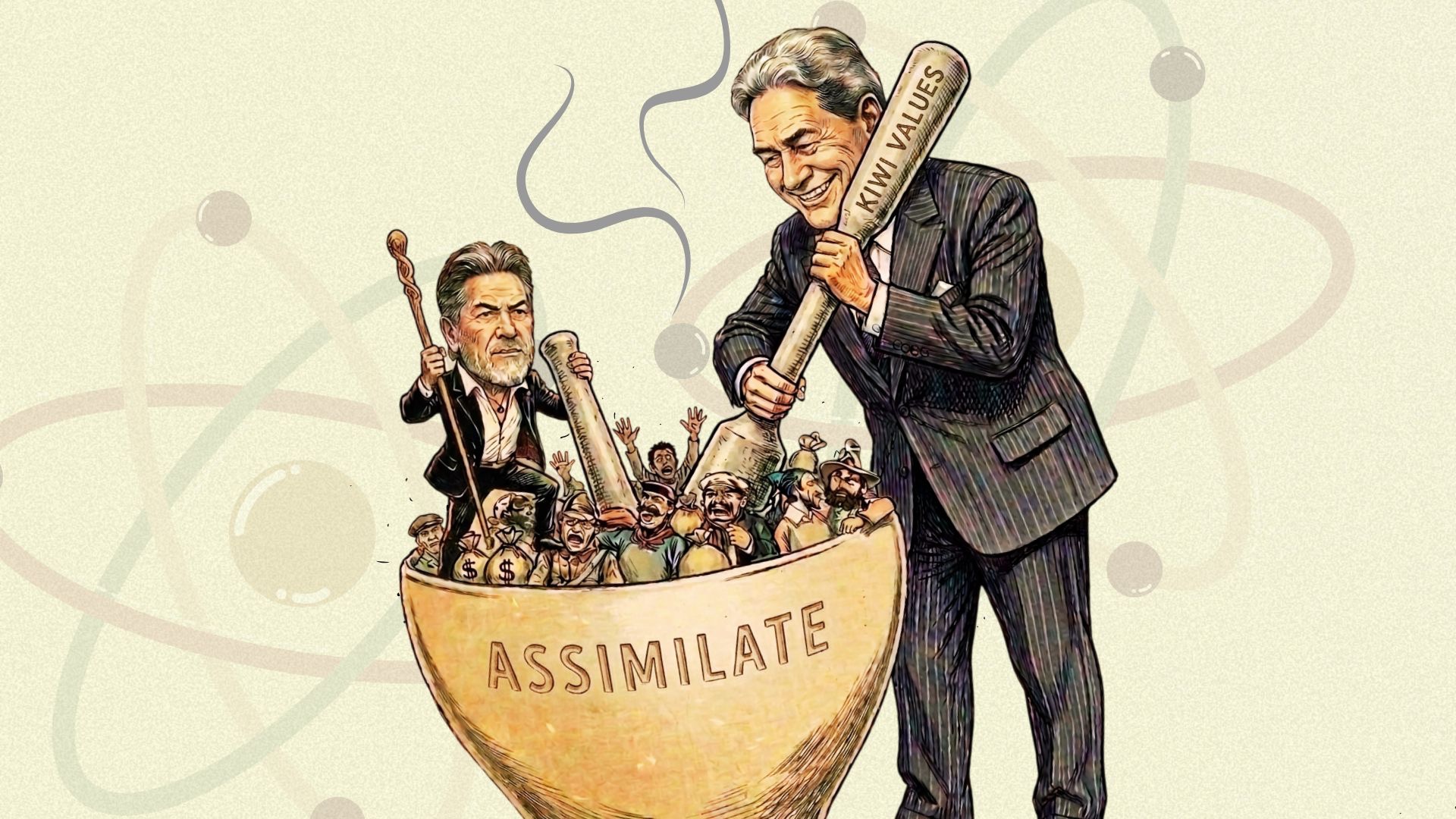
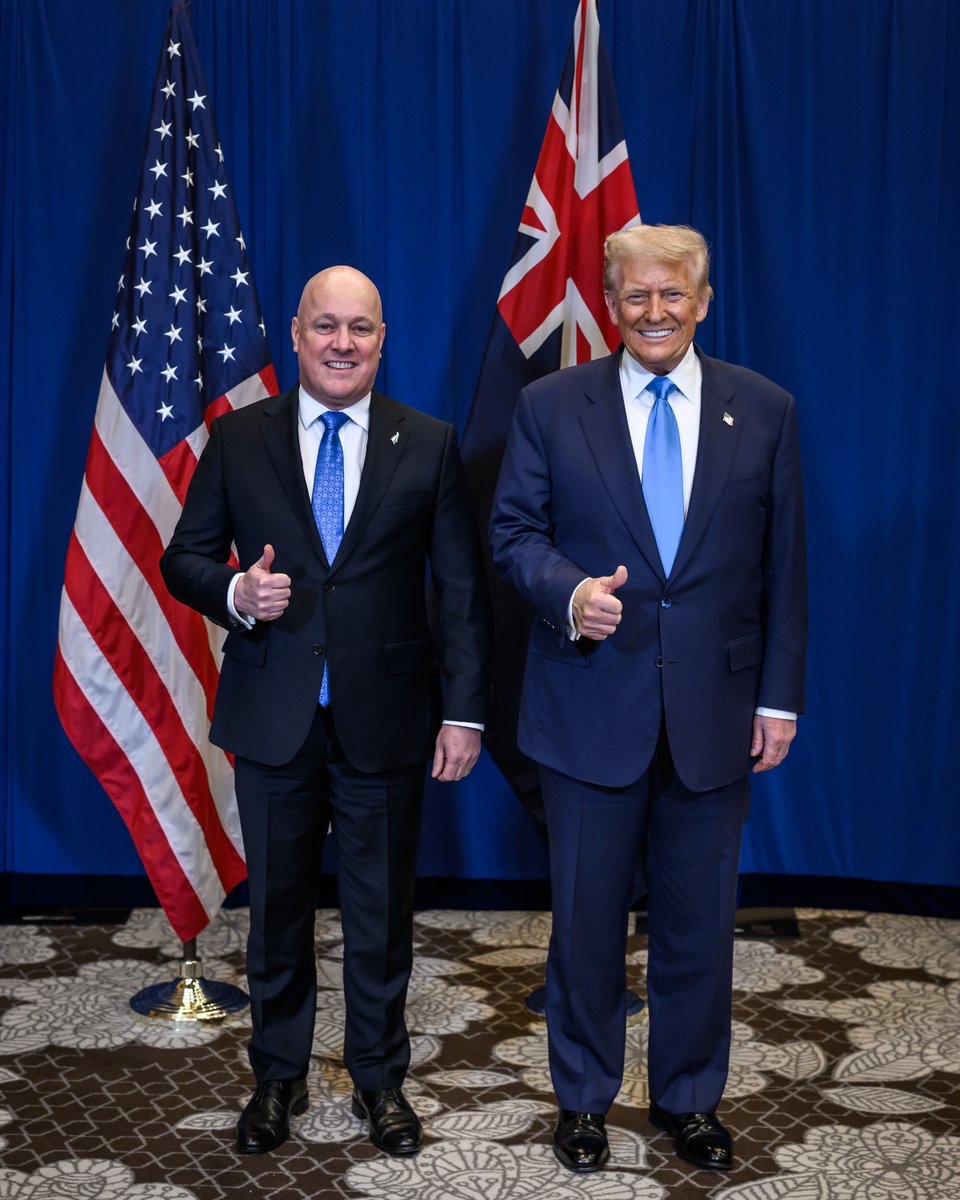
From left: David Seymour, Christopher Luxon and Winston Peters.
New Zealand does need a serious debate about its population mix. It must be a better one.
Opinion: Two months out from the election, questions about citizenship, permanent residence and who should qualify for the benefits of living in New Zealand have moved towards the centre of the campaign.
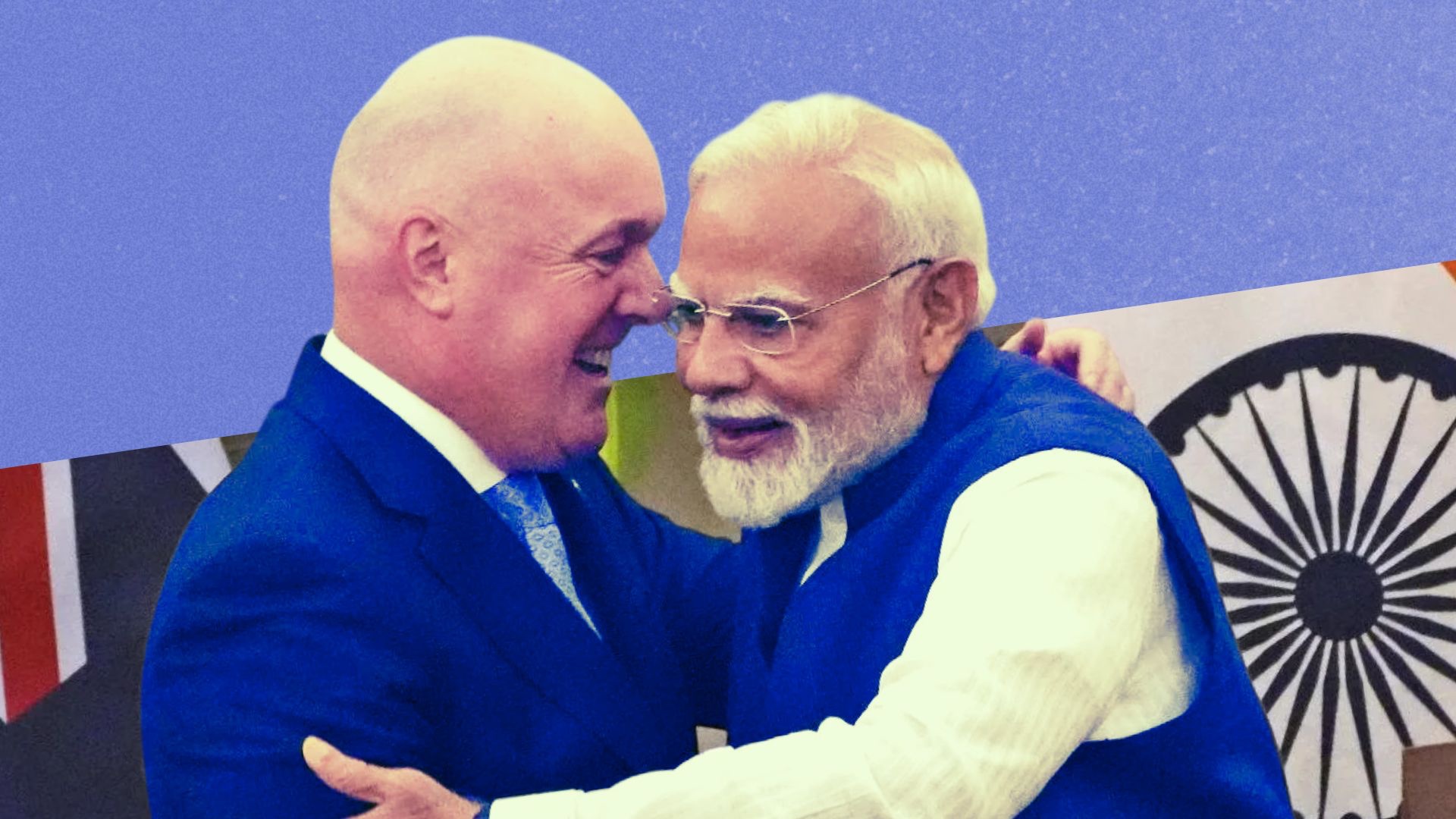
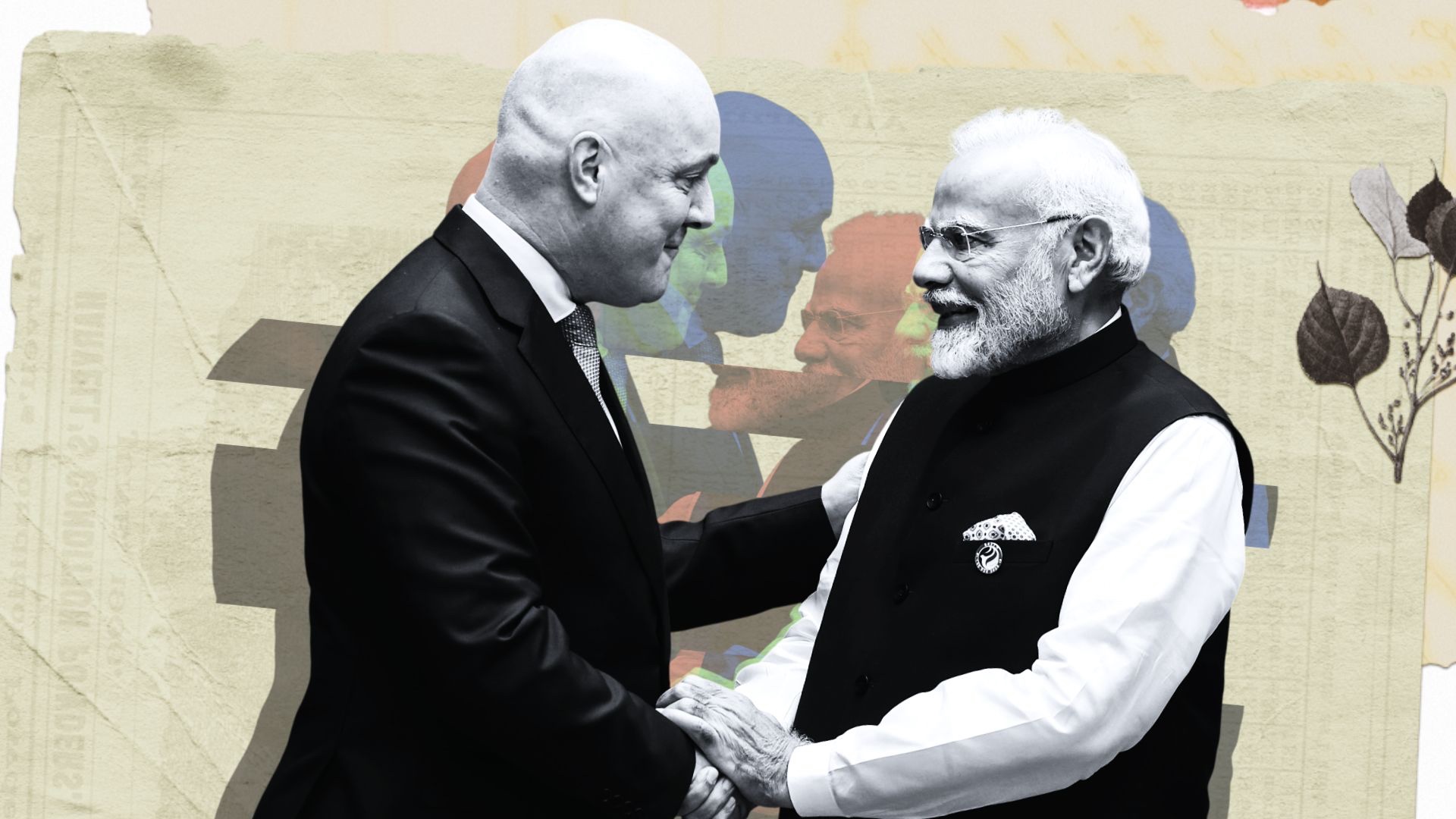
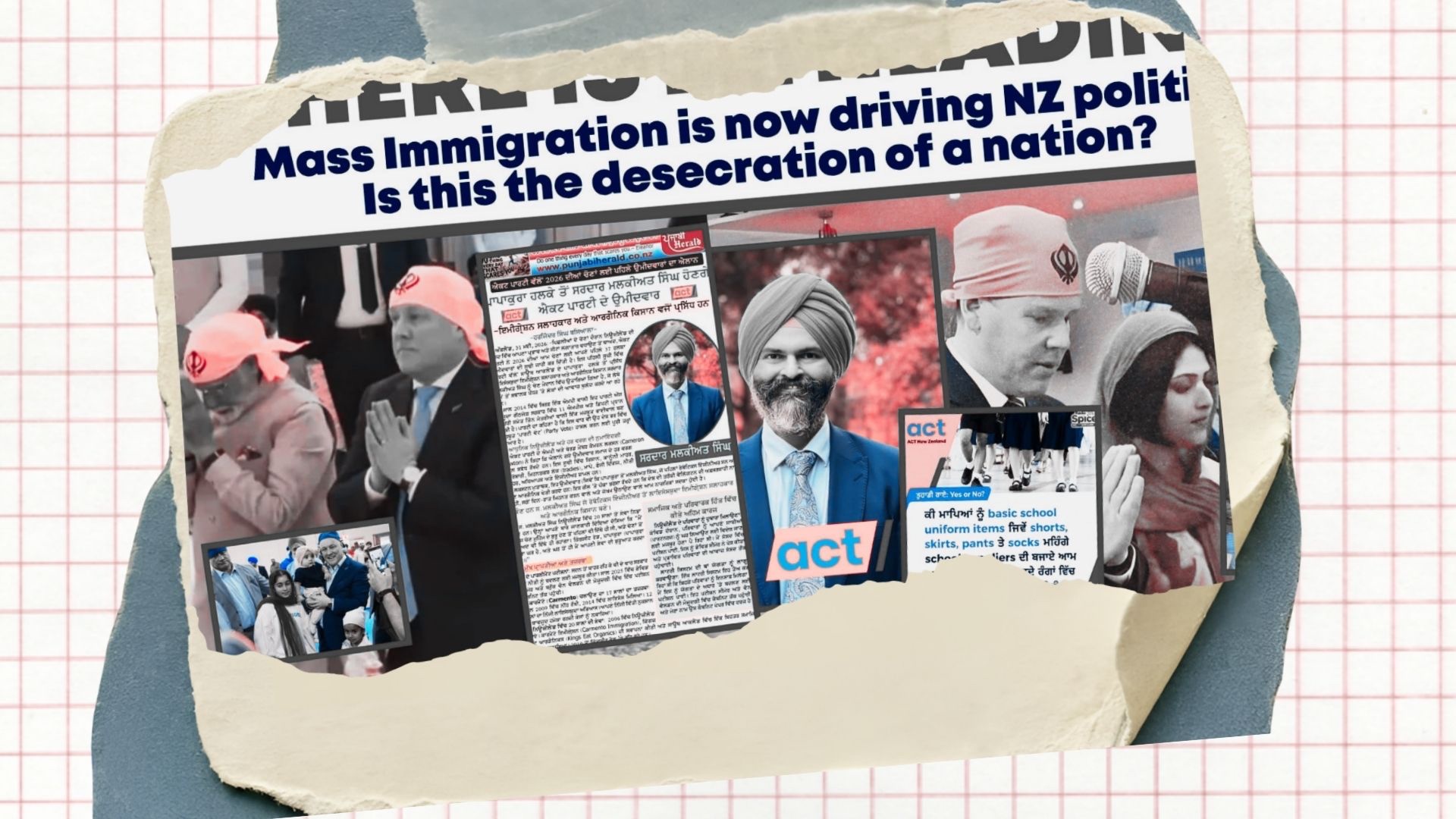
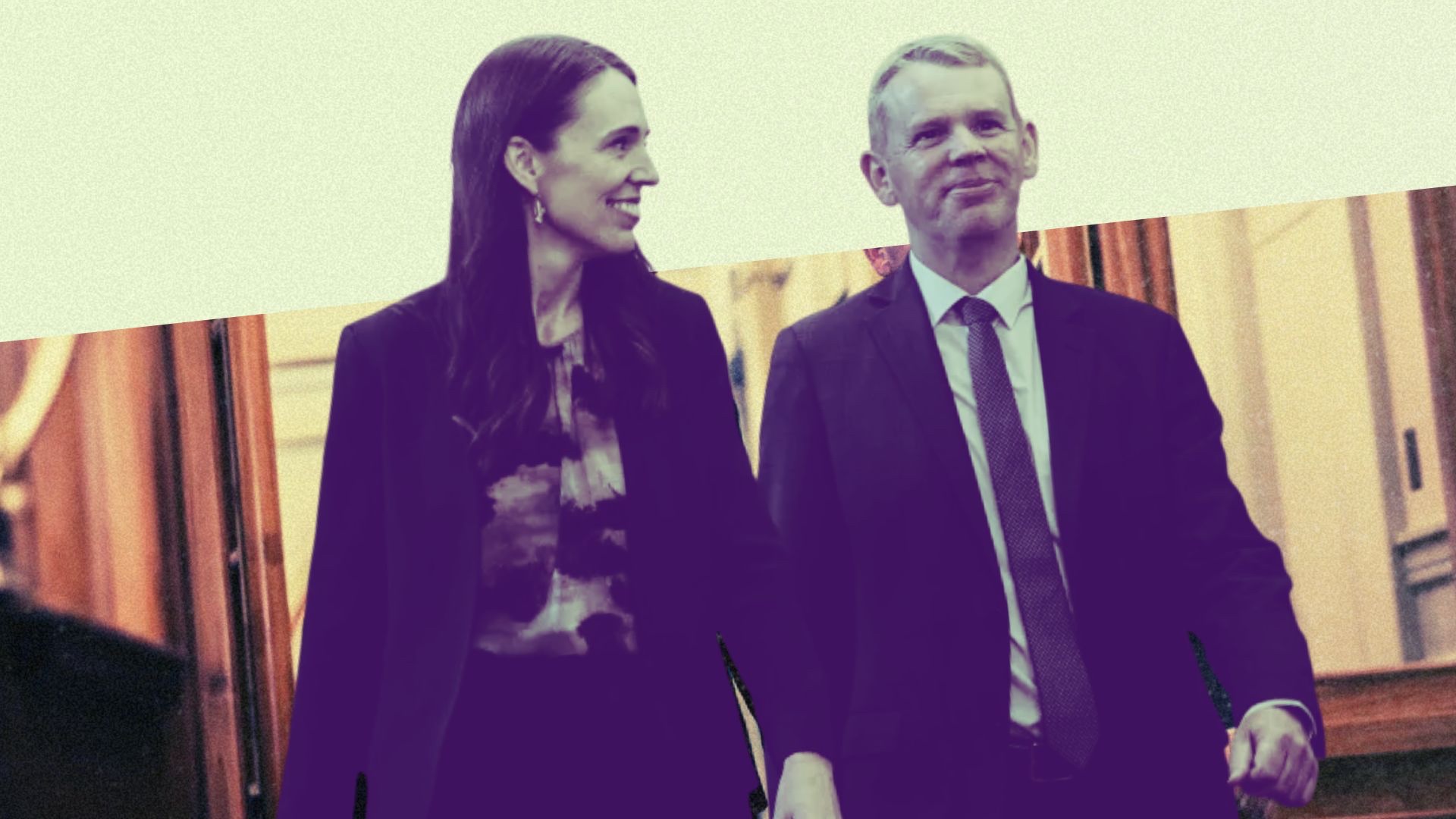
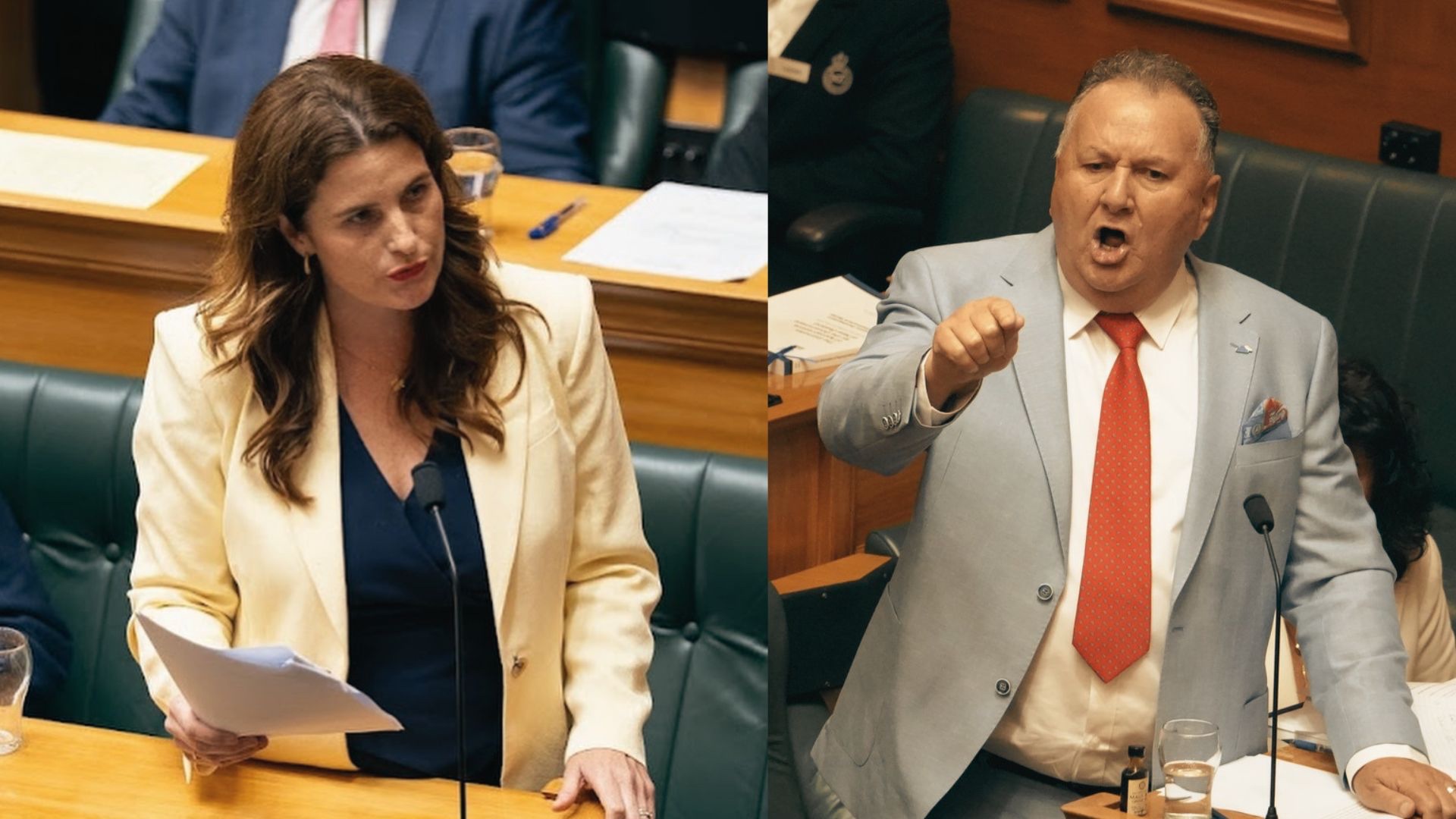
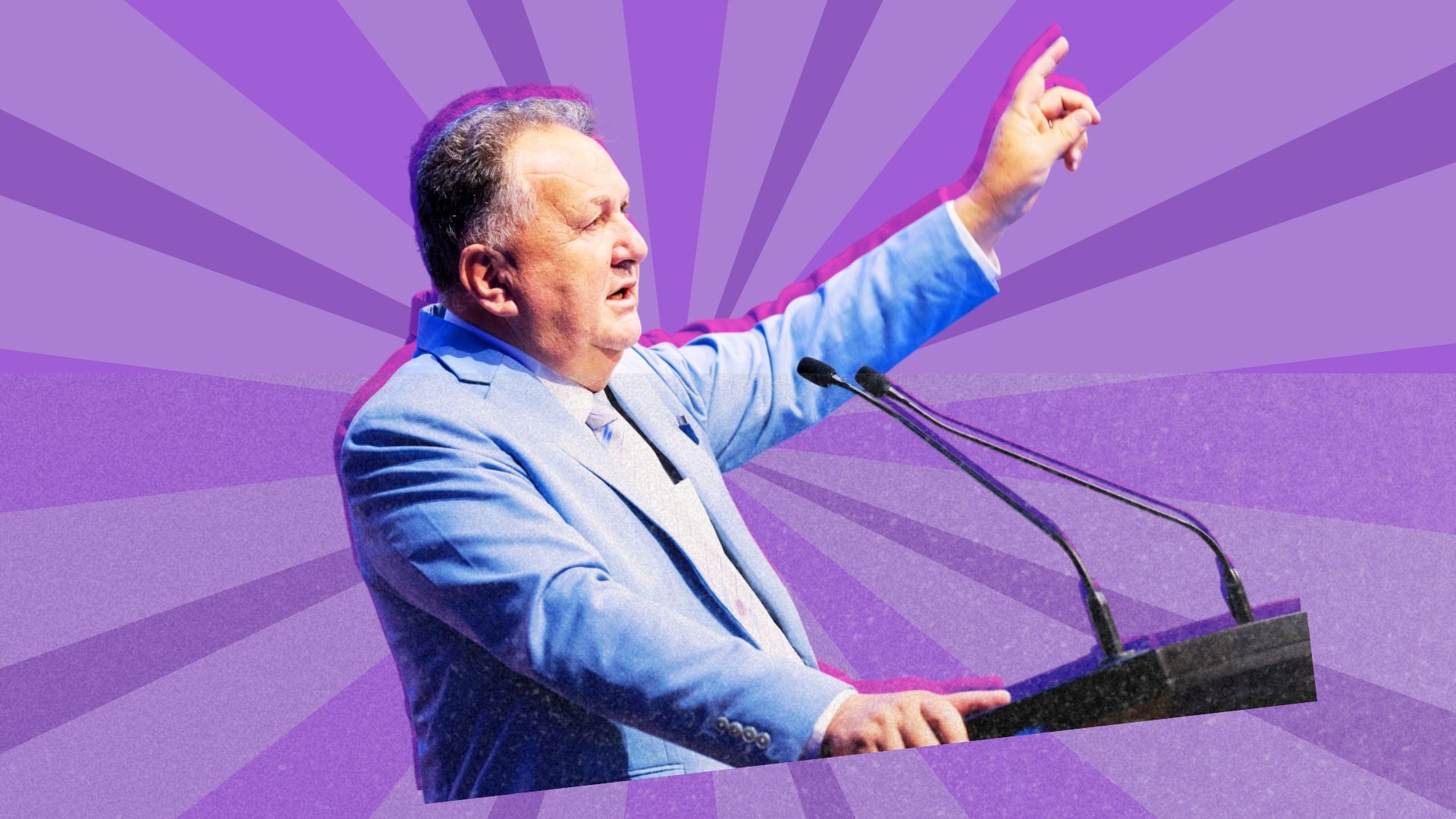
New Zealand First has proposed citizens-only voting and superannuation. ACT wants to scrap indefinite permanent residence, while Labour wants to double the wait for permanent residence from two years to four.
Those policies differ, but together they are asking a similar question. What should distinguish a citizen from someone who simply has the right to live here?
A NZ Herald editorial this week pushed that question further, arguing New Zealand needs a much broader debate about what its population will look like in 10, 20 or 30 years.
Its most important point was that this debate will ultimately be driven less by national identity than economic reality. That is where the conversation should really begin.
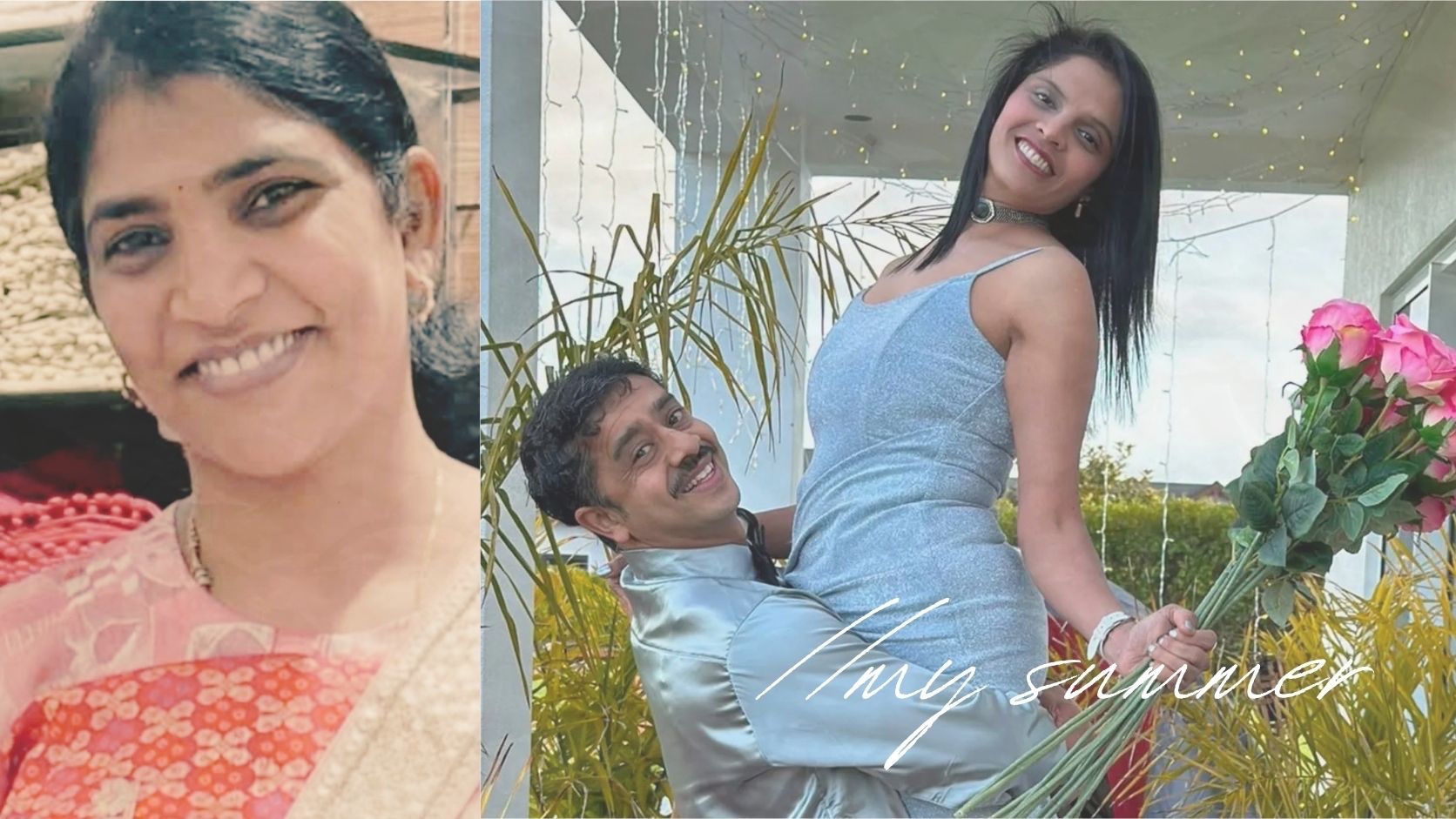
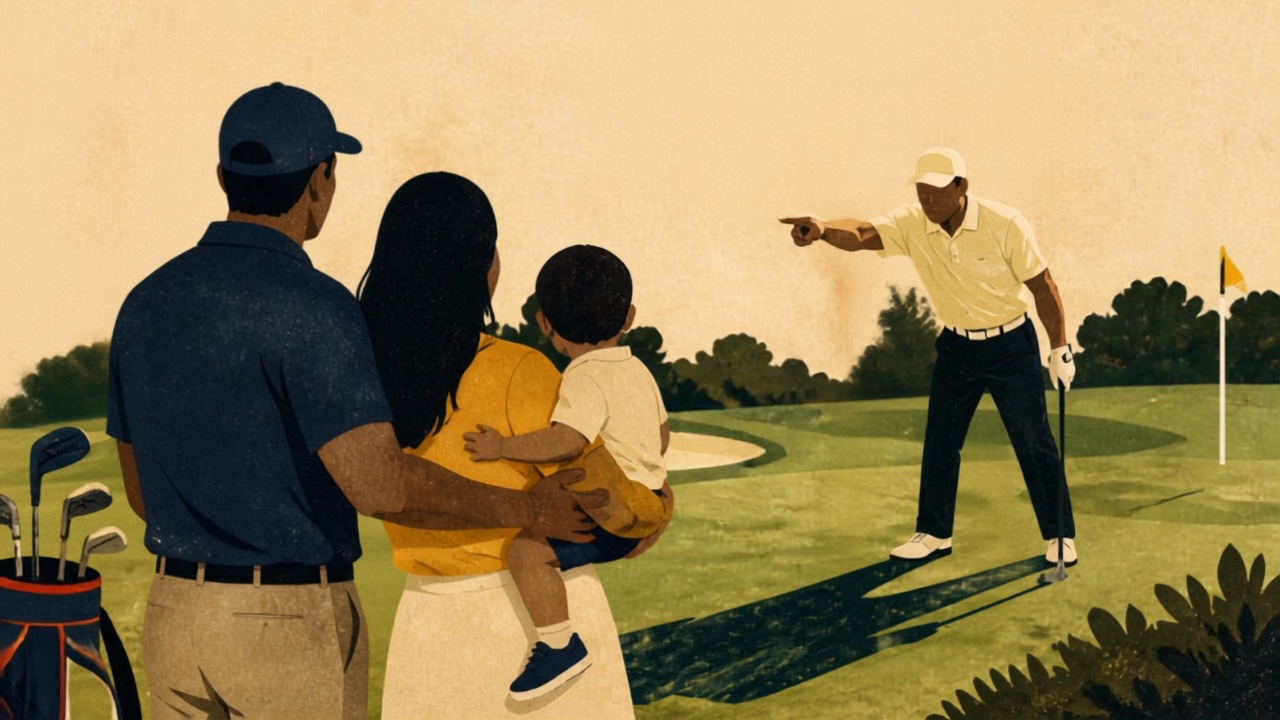
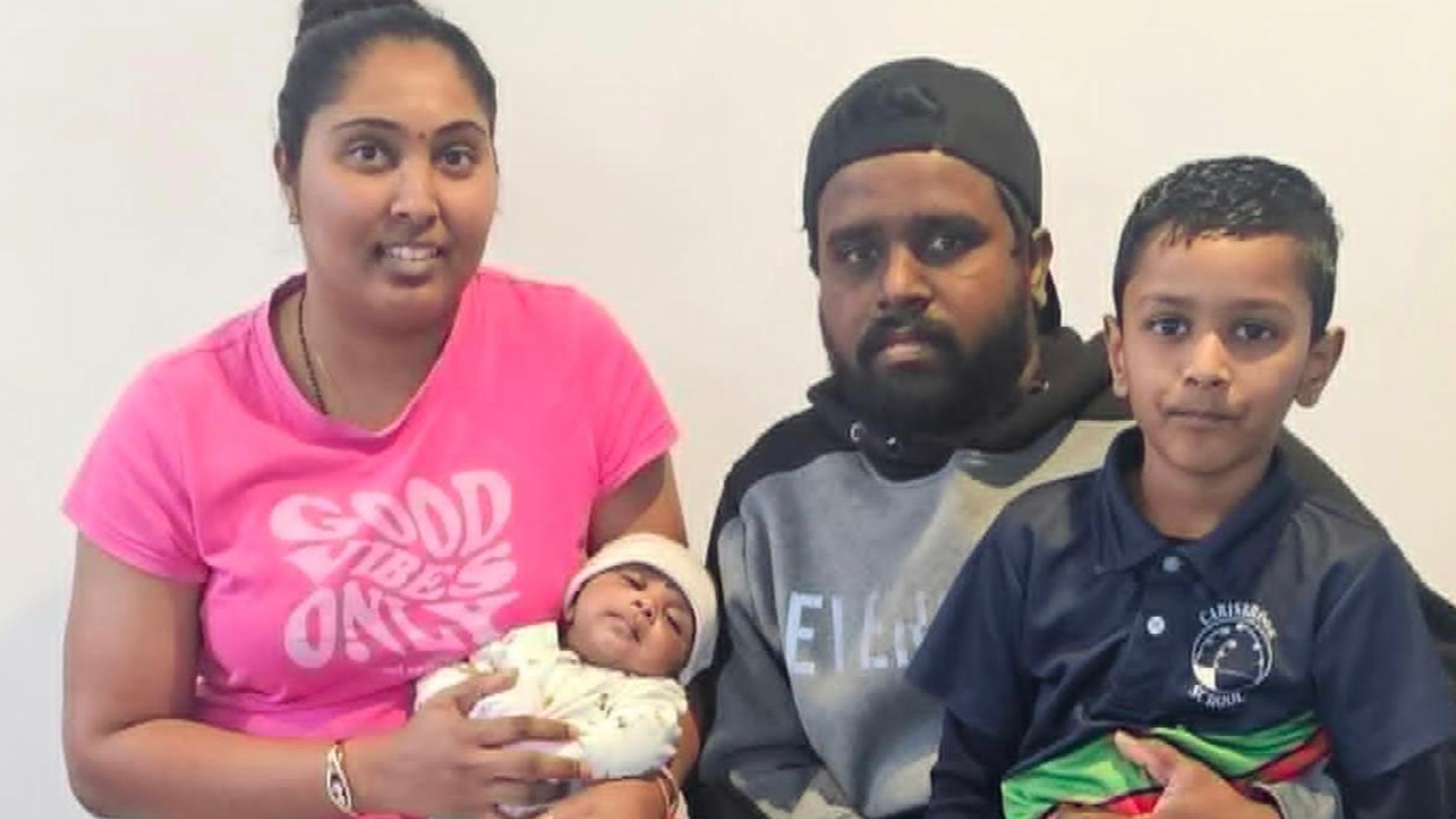
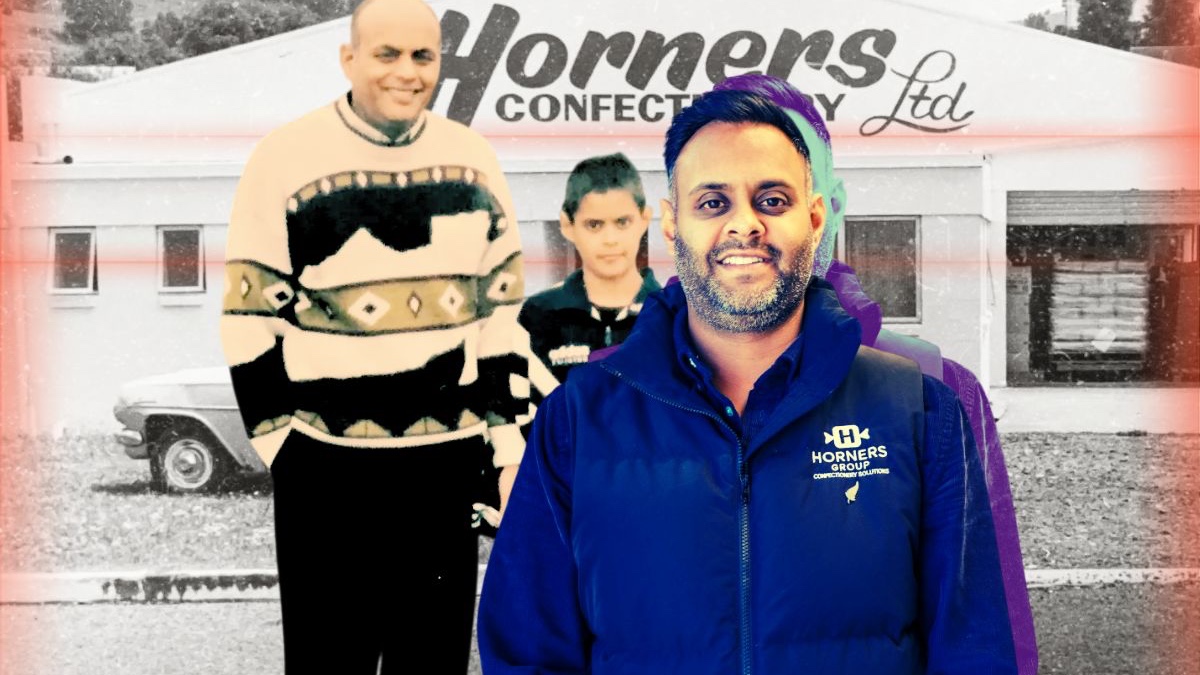
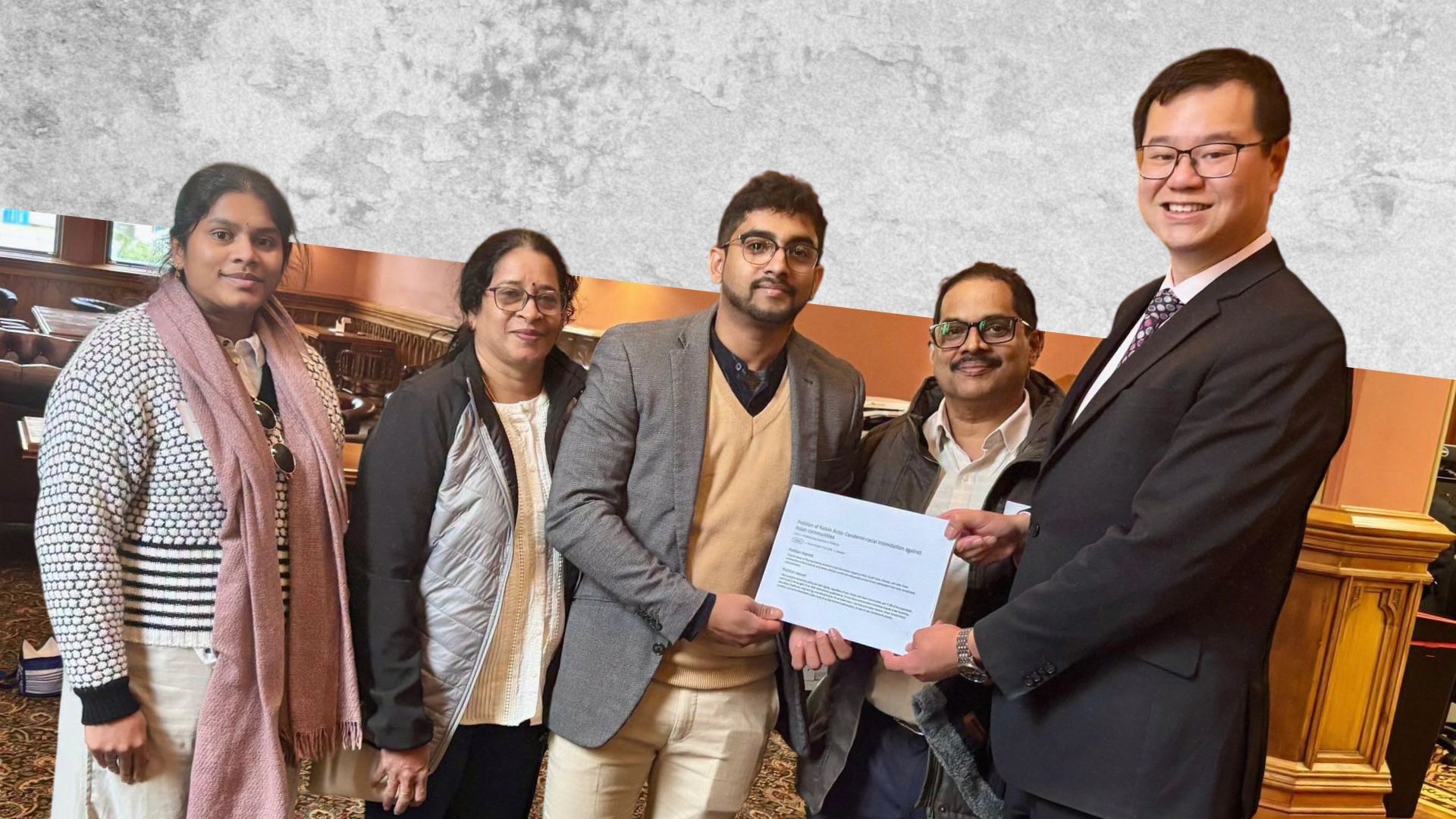
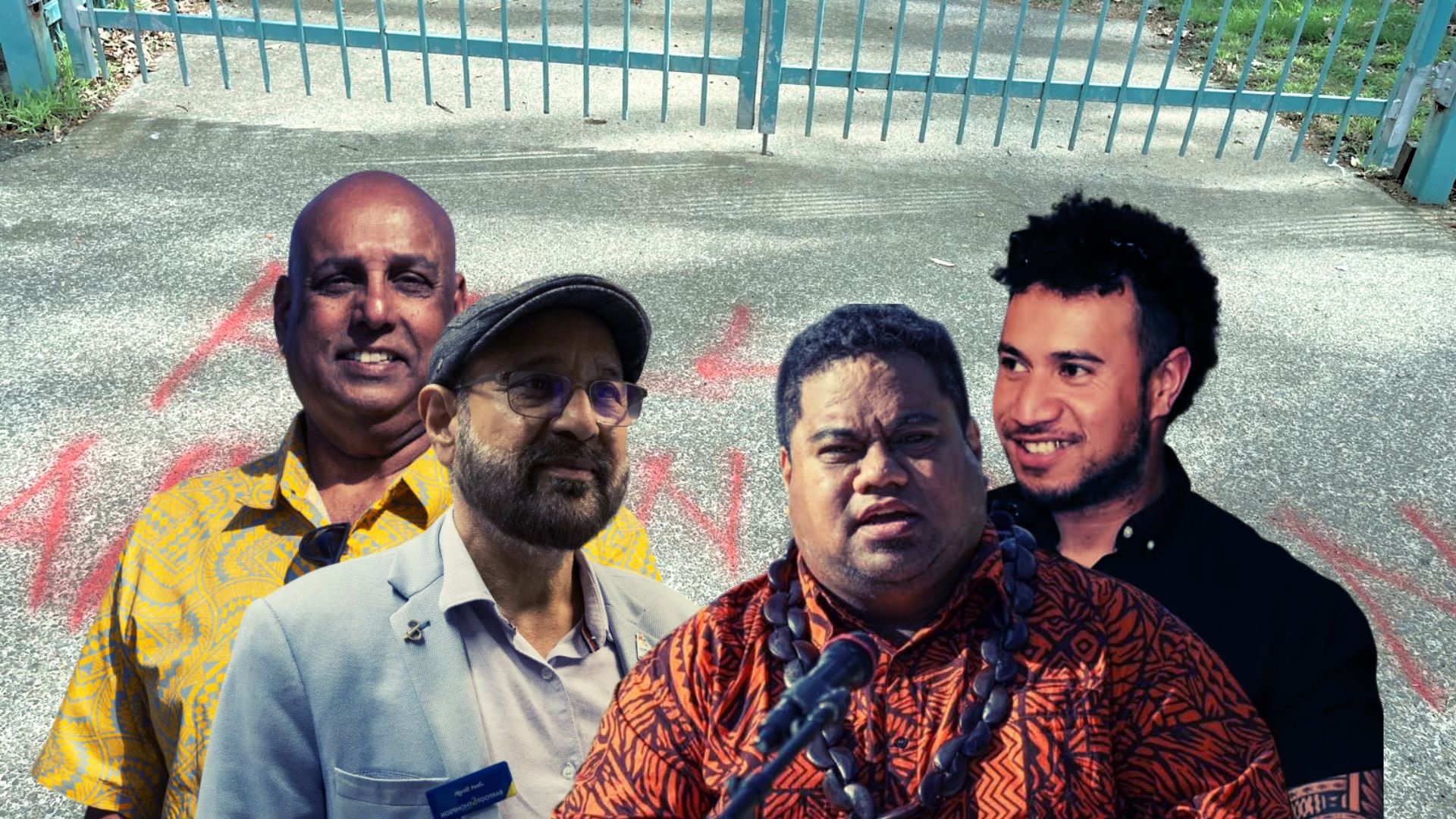
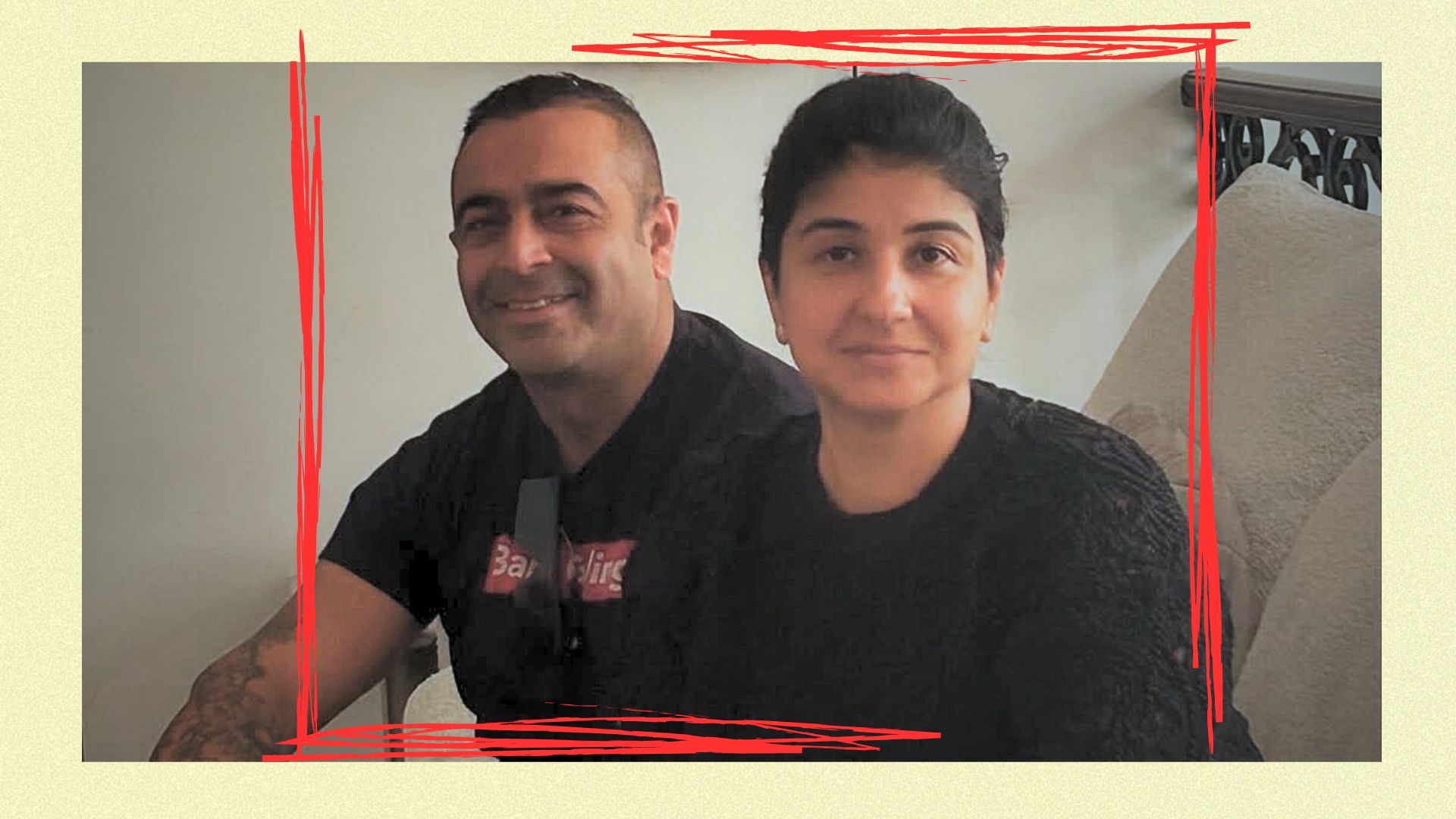
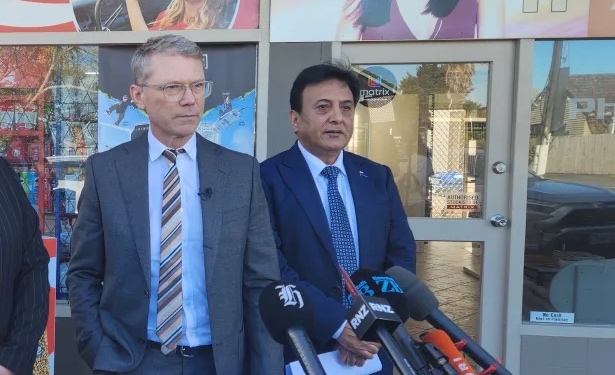
'Devastating': Indian family racially abused in Christchurch, hunt on to identify attacker “We’ll always be reminded of this, thanks to this man who thinks we don’t belong.”
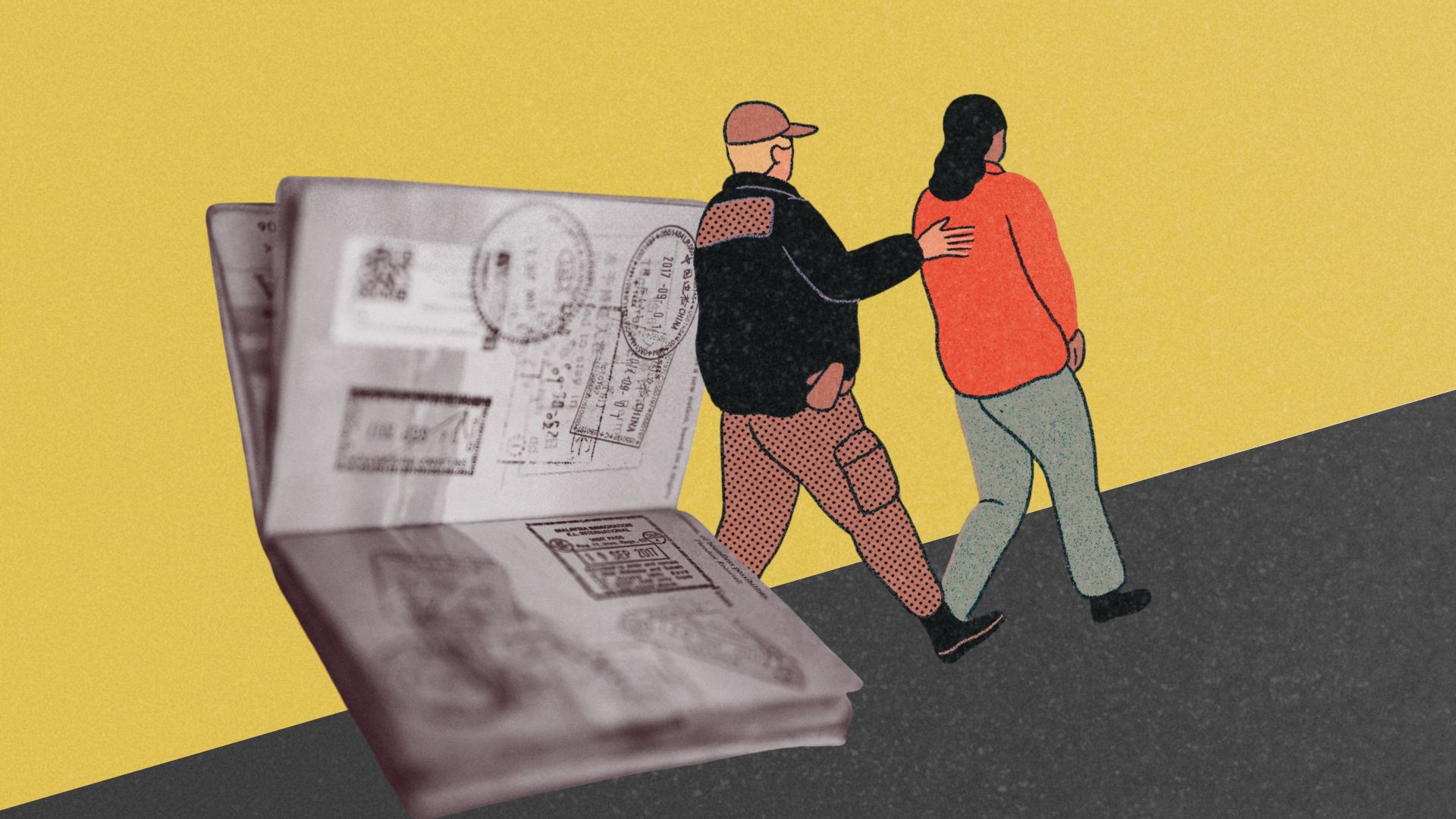
Immigration reset: National drops hints as parties on left and right target permanent residence New Zealand's permanent residence framework provides an edge over Australia and Canada in attracting overseas talent.
NZ First’s policy of division: Turning hatred of migrants into political power This is no immigration reform. It is the politics of exclusion presented as population planning.
Who is going to keep New Zealand running?
New Zealand is getting older. Kiwis are having fewer children. The proportion of people working and paying taxes is expected to shrink relative to those drawing superannuation and requiring increasingly expensive healthcare.
Treasury has been warning about this for years.
In the 1960s, there were about seven working-age New Zealanders for every person aged over 65. Today there are about four. By 2065, treasury expects there to be just two.
We examined the same arithmetic earlier this year when Parliament debated the country's long-term fiscal outlook.
Superannuation is largely paid from taxes collected from today’s workers. Treasury projects health expenditure increasing from about 7.1 per cent of GDP now to about 10 per cent by 2065 under unchanged policy settings.
Its broader conclusion is that New Zealand’s current fiscal settings are not sustainable indefinitely.
Advocacy body BusinessNZ estimates New Zealand could face a shortage of at least 250,000 workers by the middle of the century as working-age population shrinks relative to demand.
That does not mean the answer is simply more immigration. More people require more houses, roads, schools, hospitals and other infrastructure. Poorly managed migration can make pressure on all of them worse.
But it does make the present political debate more complicated.
At the same time as parties are drawing sharper distinctions between citizens and non-citizens, New Zealand’s own demographic projections suggest the country will become more dependent on workers from overseas.
Migration has already changed the equation.
Treasury says stronger migration has left New Zealand younger than earlier projections expected and is likely to continue slowing population ageing.
Migrants are also increasingly important to the tax base. A treasury research found people born overseas made up about 32 per cent of the country's population but contributed about 38 per cent of personal income tax.
That does not make migration cost-free. A larger population also requires more infrastructure and housing.
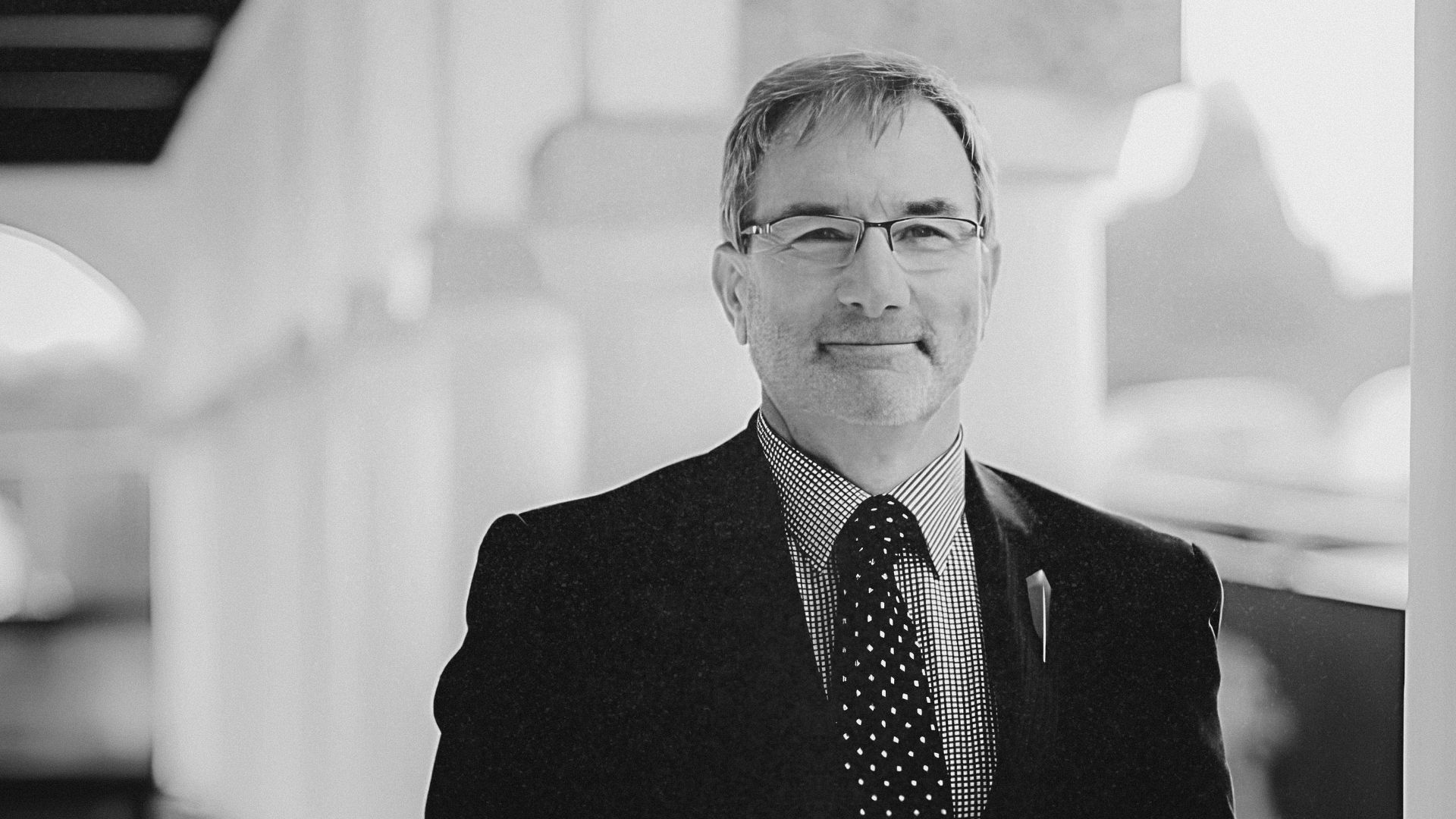
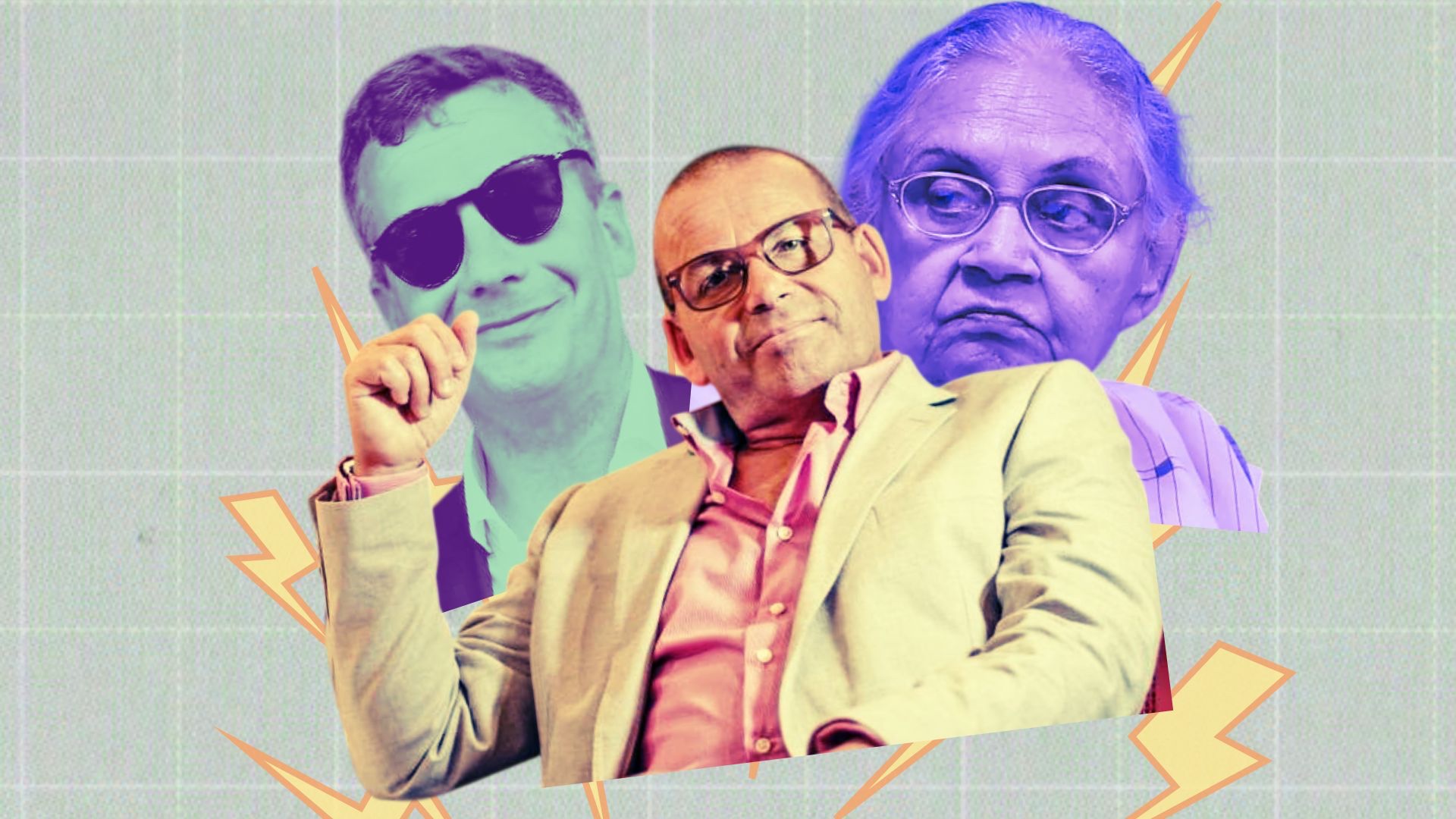
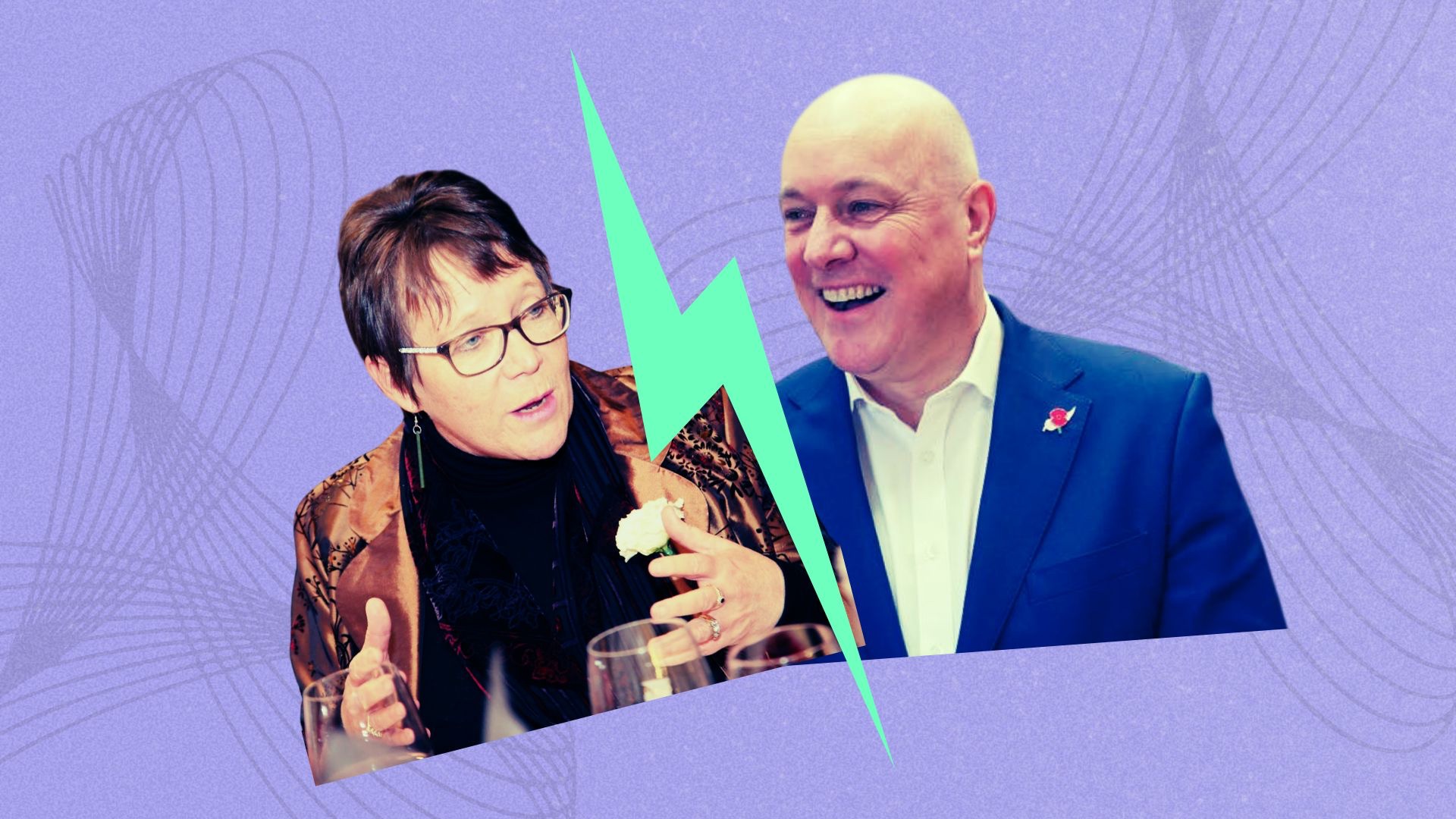
Massey University emeritus professor Paul Spoonley has argued New Zealand can no longer sensibly discuss immigration separately from fertility, ageing and regional population decline.
When we spoke to Spoonley earlier this year, he pointed to the country’s falling fertility rate and declining school rolls as signs of a much larger demographic shift.
New Zealand’s fertility rate is around 1.5 births per woman, well below the roughly 2.1 needed for one generation to replace itself without migration.
Spoonley said the effects were already visible, including education ministry projections for primary school enrolments to fall by about 37,000 over five years.
At the same time, the number of older New Zealanders continues to rise. His argument was not simply that New Zealand needs more migrants. Rather that New Zealand needs a population strategy bringing together ageing, fertility, migration, regional population change and social cohesion.
New Zealand also continues to lose large numbers of its own citizens overseas. About as 64,000 New Zealand citizens left long-term in the year to June. Returning citizens partly offset those departures, leaving a net loss of almost 38,000 New Zealand citizens.
That makes the workforce equation harder again. But none of this means New Zealand should avoid debating citizenship.
The country can decide whether permanent residents should vote. It can decide whether superannuation should be restricted to citizens. It can make citizenship harder to obtain or require migrants to demonstrate a greater commitment before receiving permanent rights.
Those are political choices. But they don't change the underlying demographic equation. There will be more older people drawing on public services and proportionately fewer younger people working to pay for them.
New Zealand can respond by lifting productivity, encouraging people to work longer, increasing labour-force participation, changing tax settings, attracting more migrants. Or, most likely, through some combination of all of them.
That is why a debate increasingly framed around national identity may eventually have to become an economic one.
The question will not only be who gets to call themselves a New Zealander. It will also be who will be here to work, pay taxes, staff hospitals, build homes and support the growing number of New Zealanders who no longer do.