India is a ‘country of countries’: NZ business needs a regional strategy for FTA
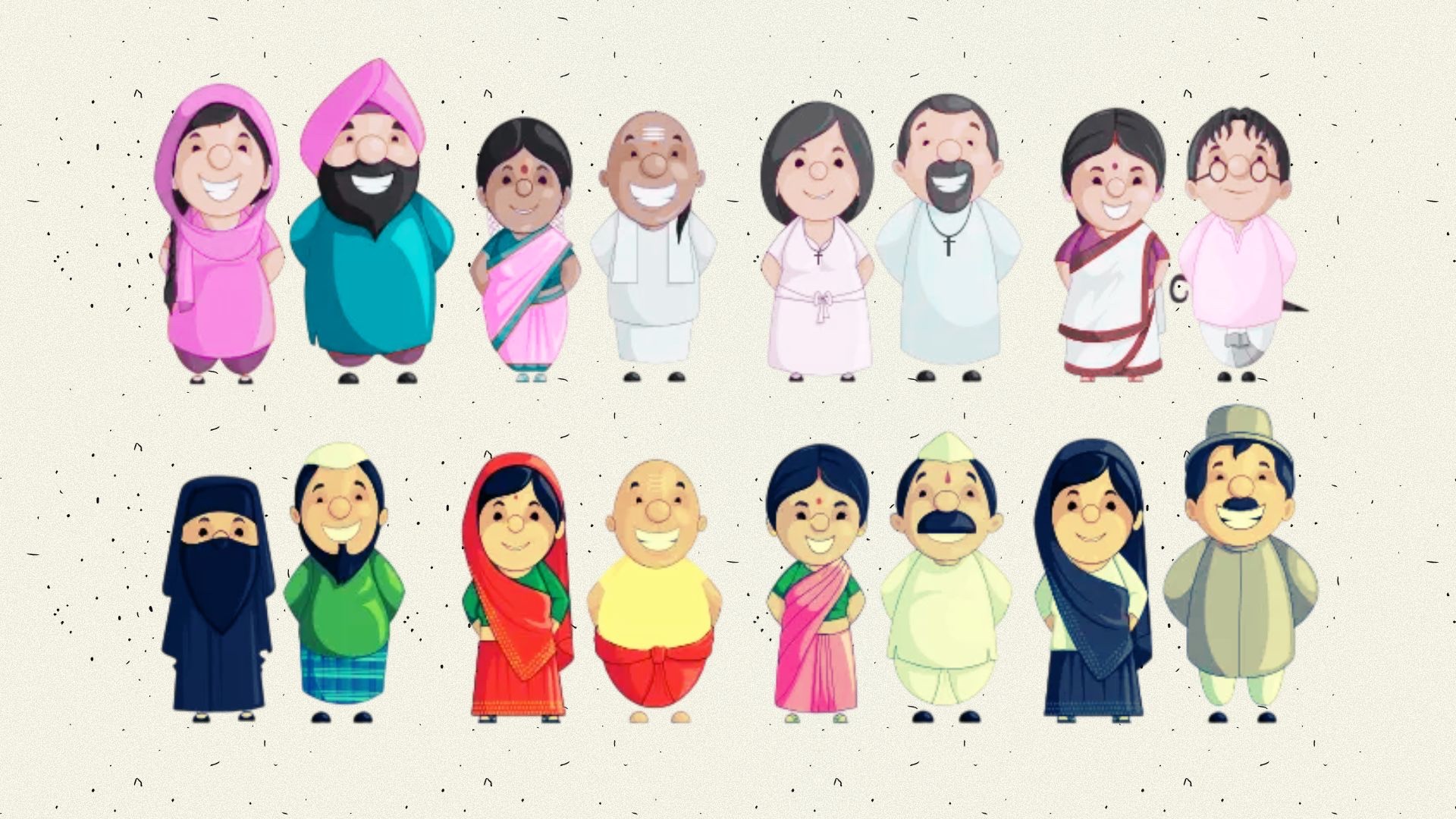
India's sheer size and diversity makes it a tough market to grasp.
India’s complex economy requires a business strategy for each of its 36 states and union territories.
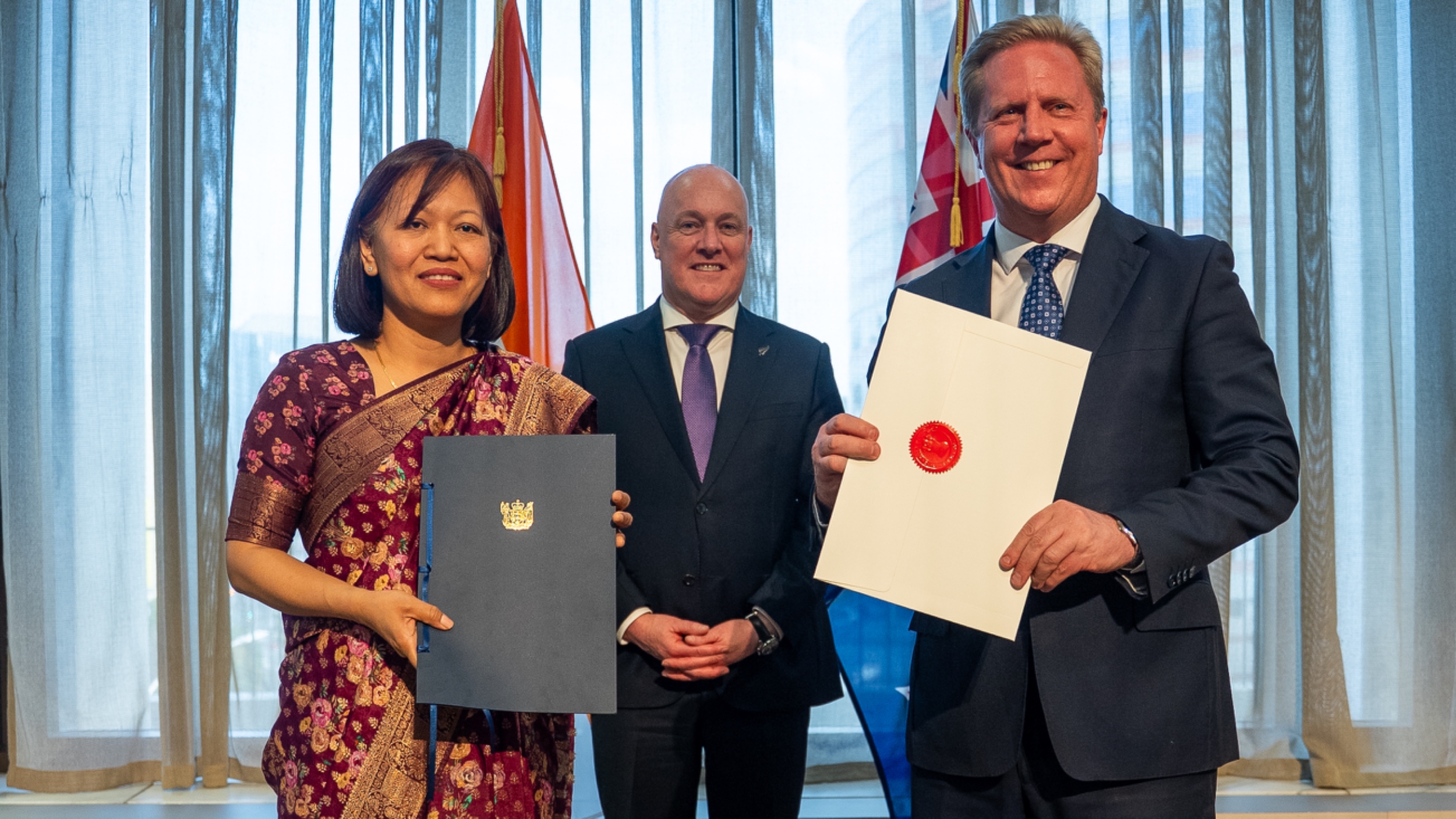
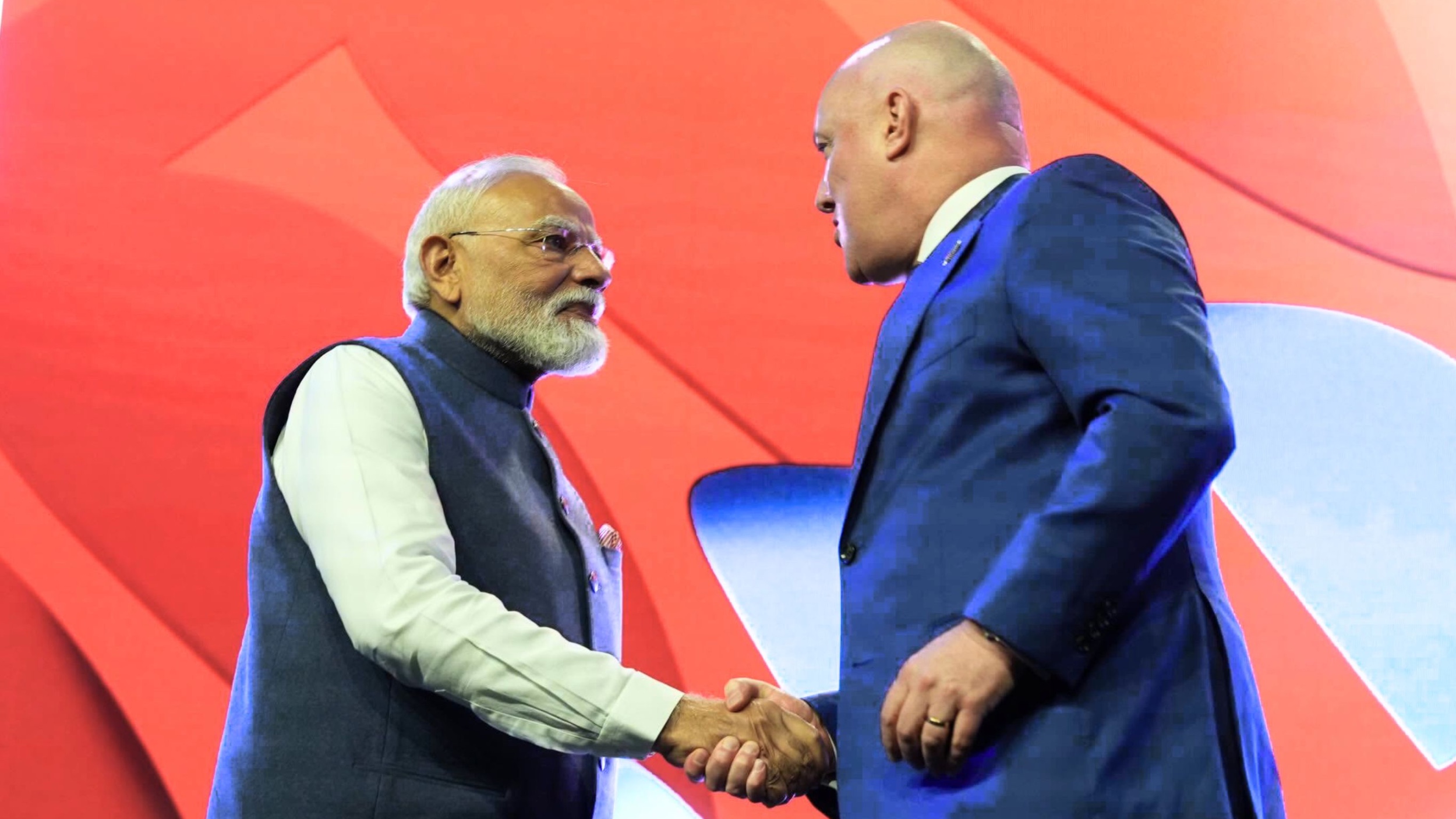
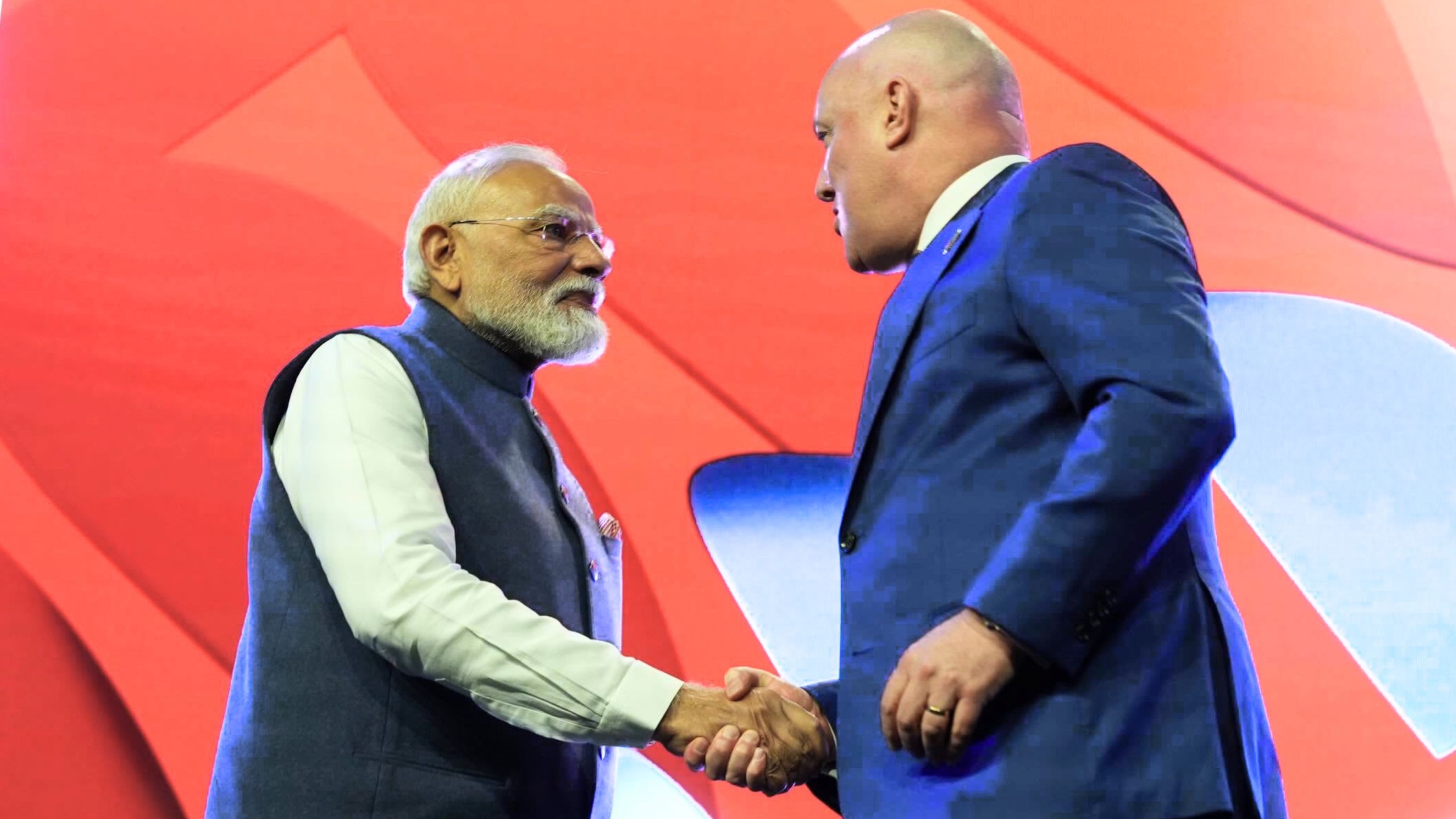
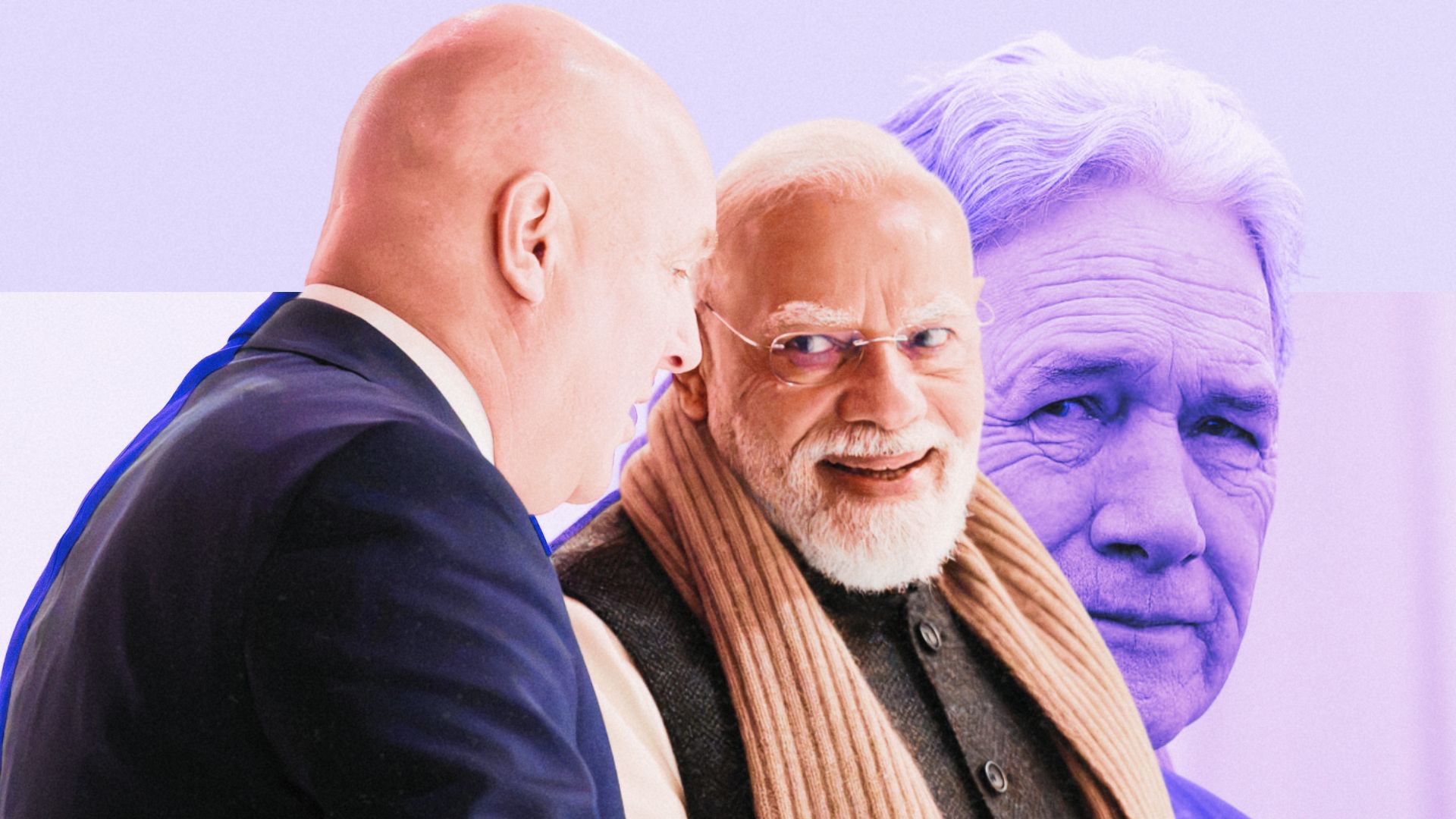
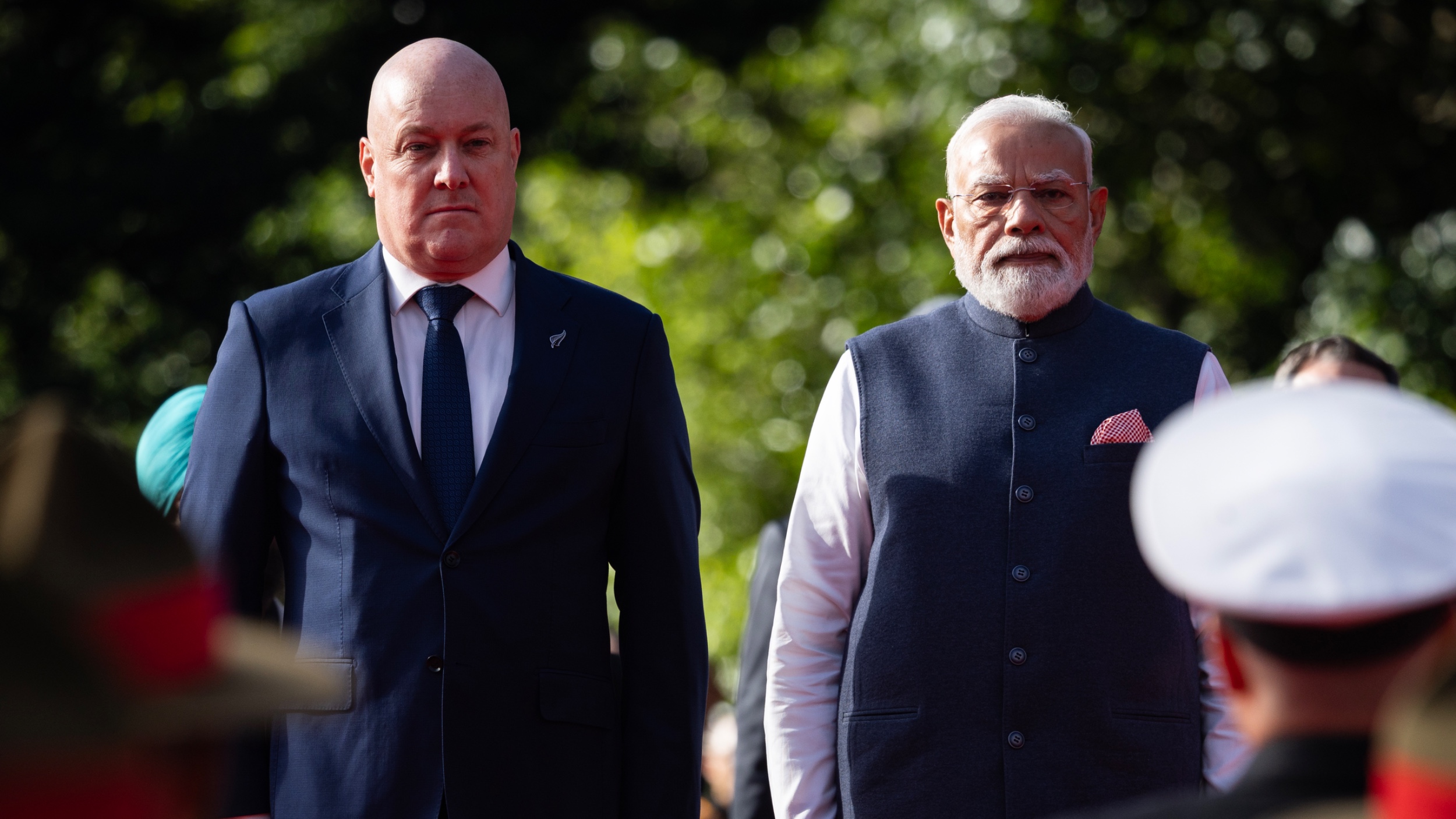
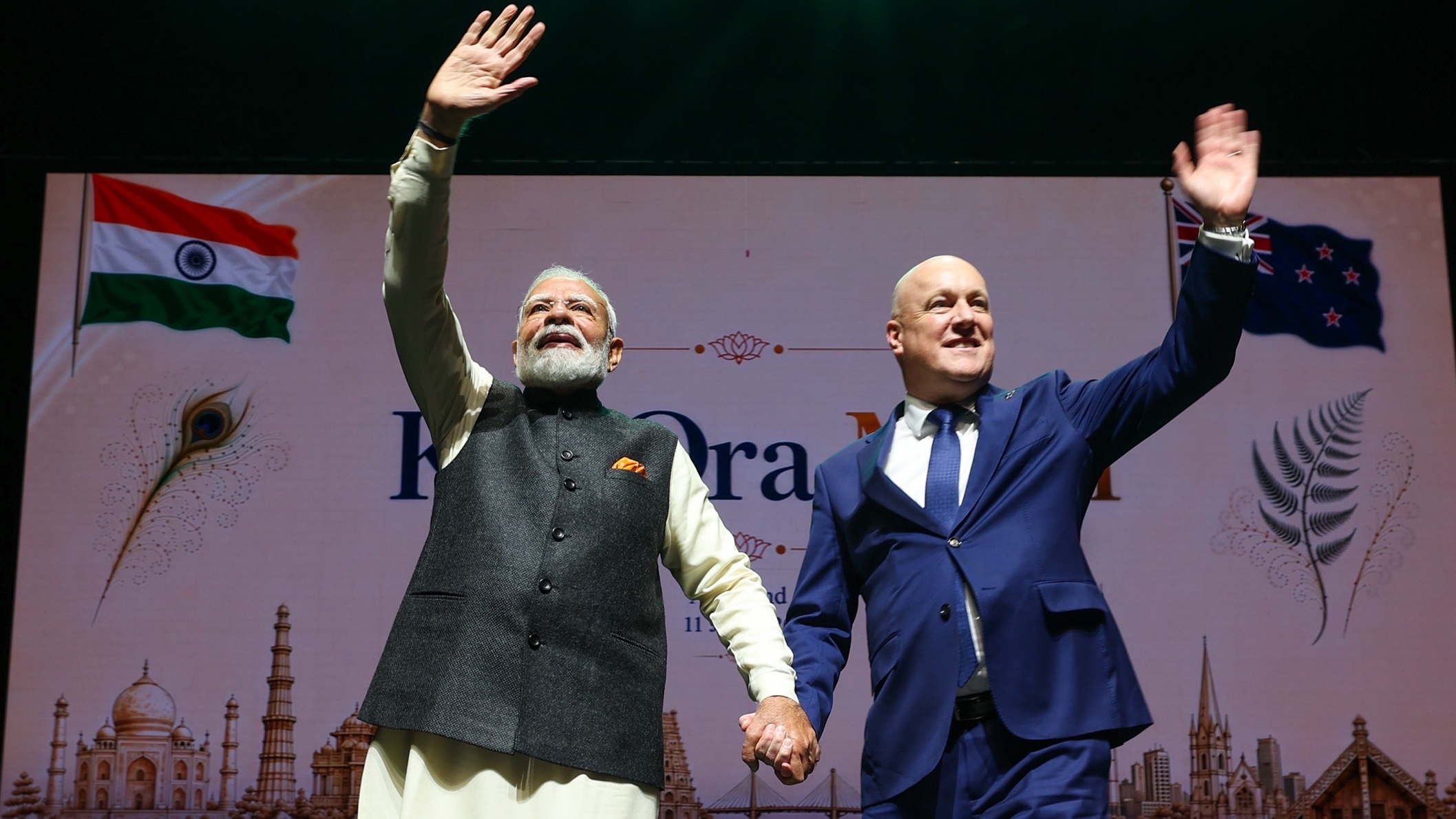
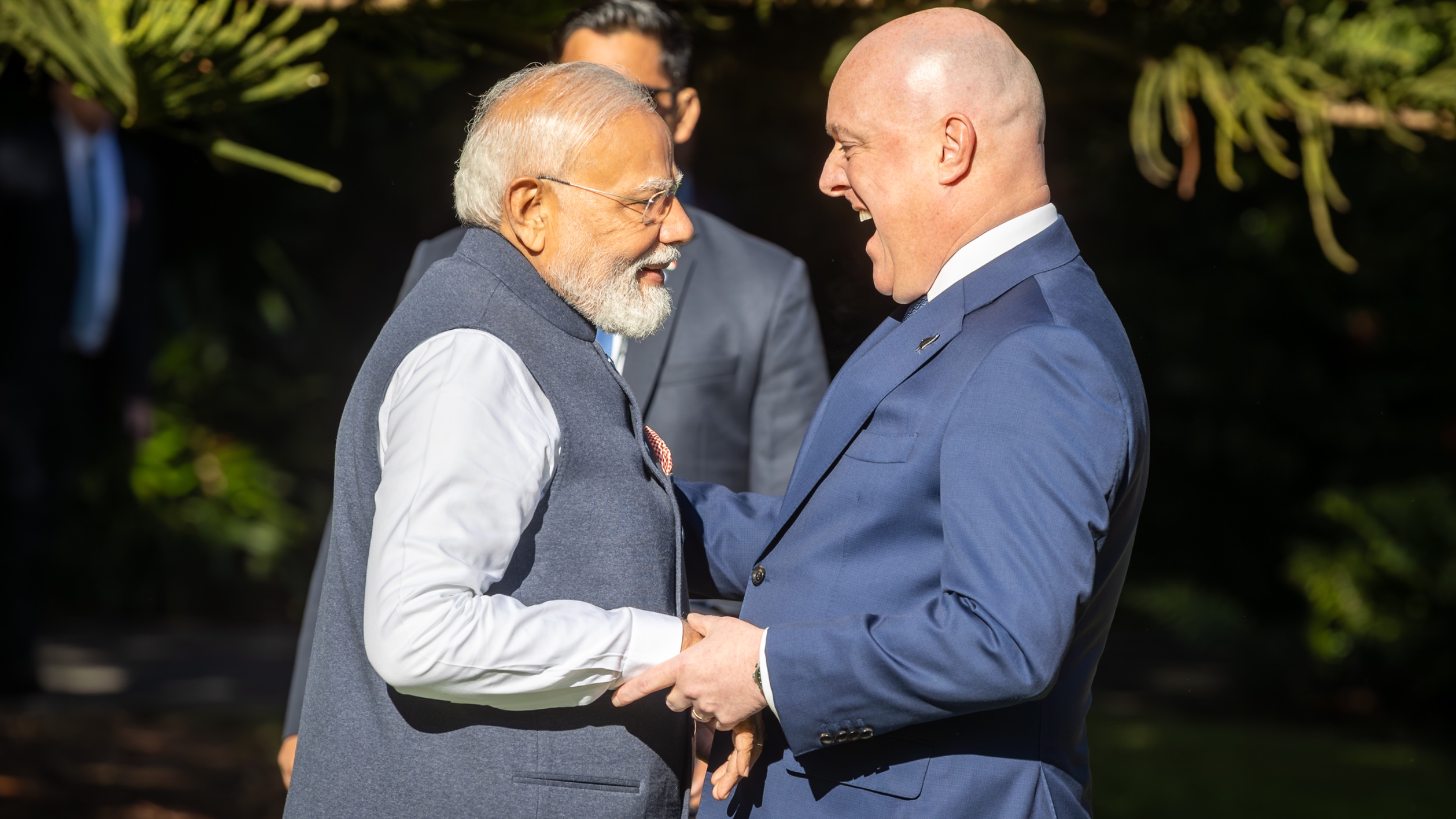
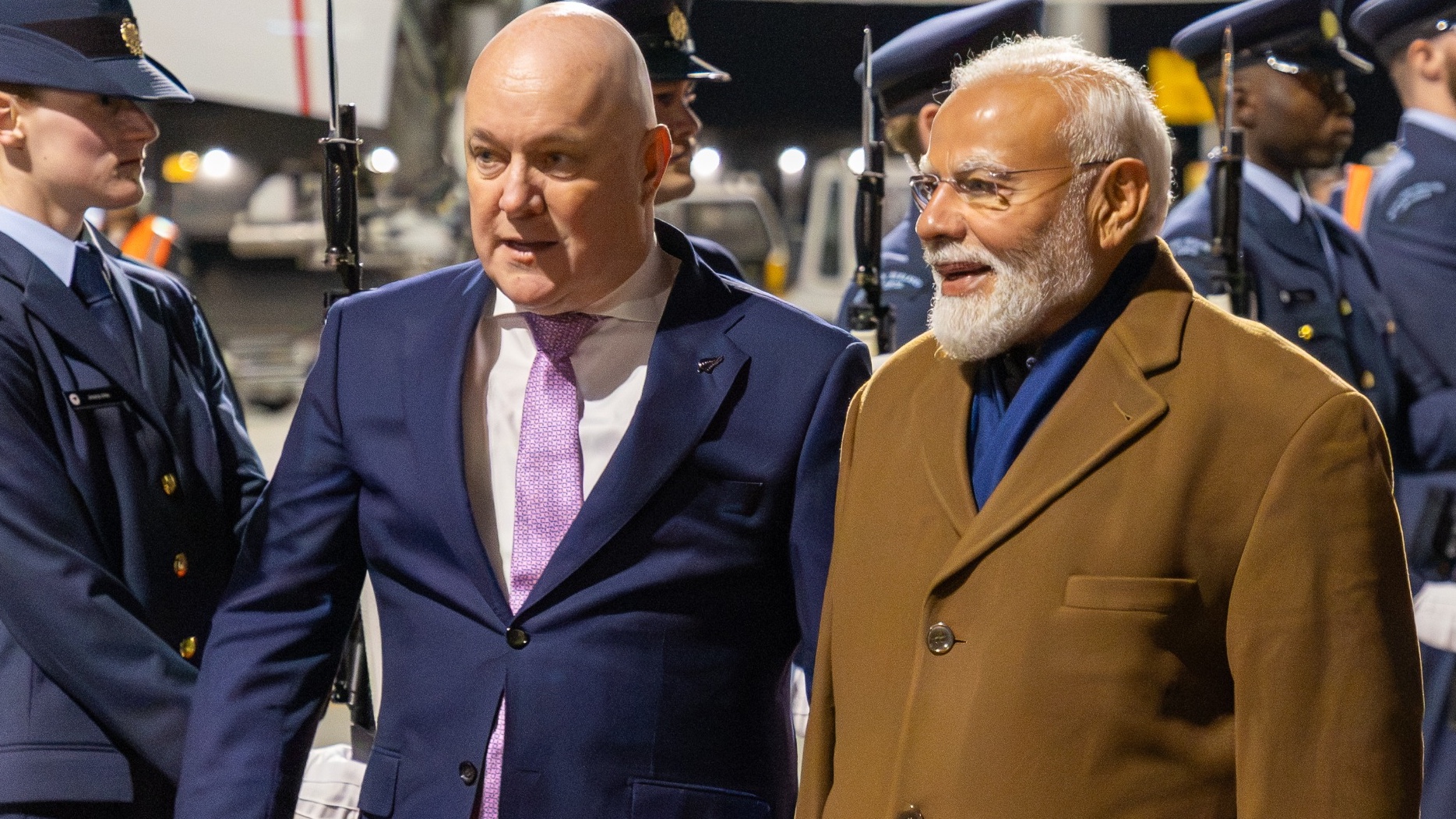
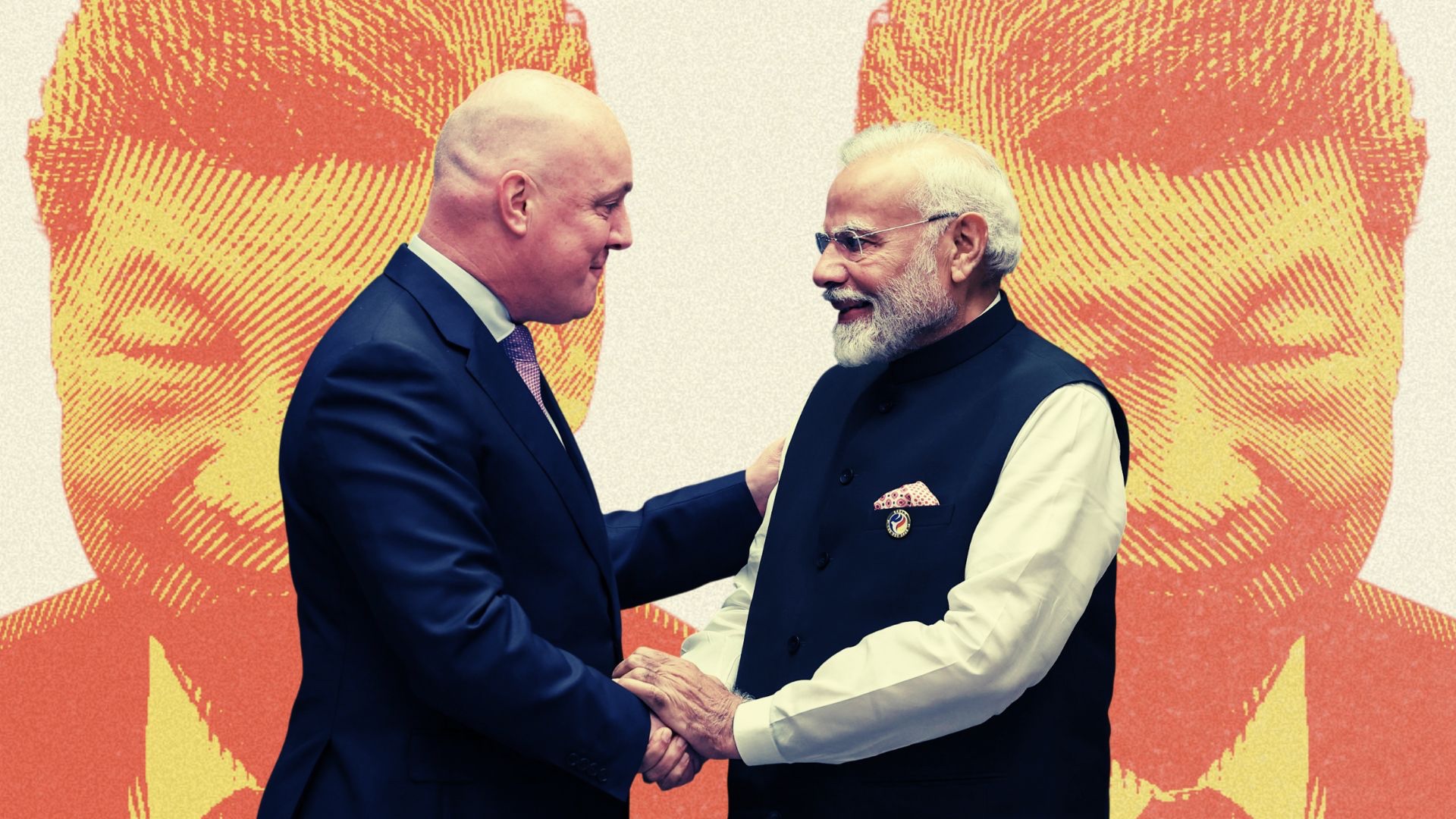
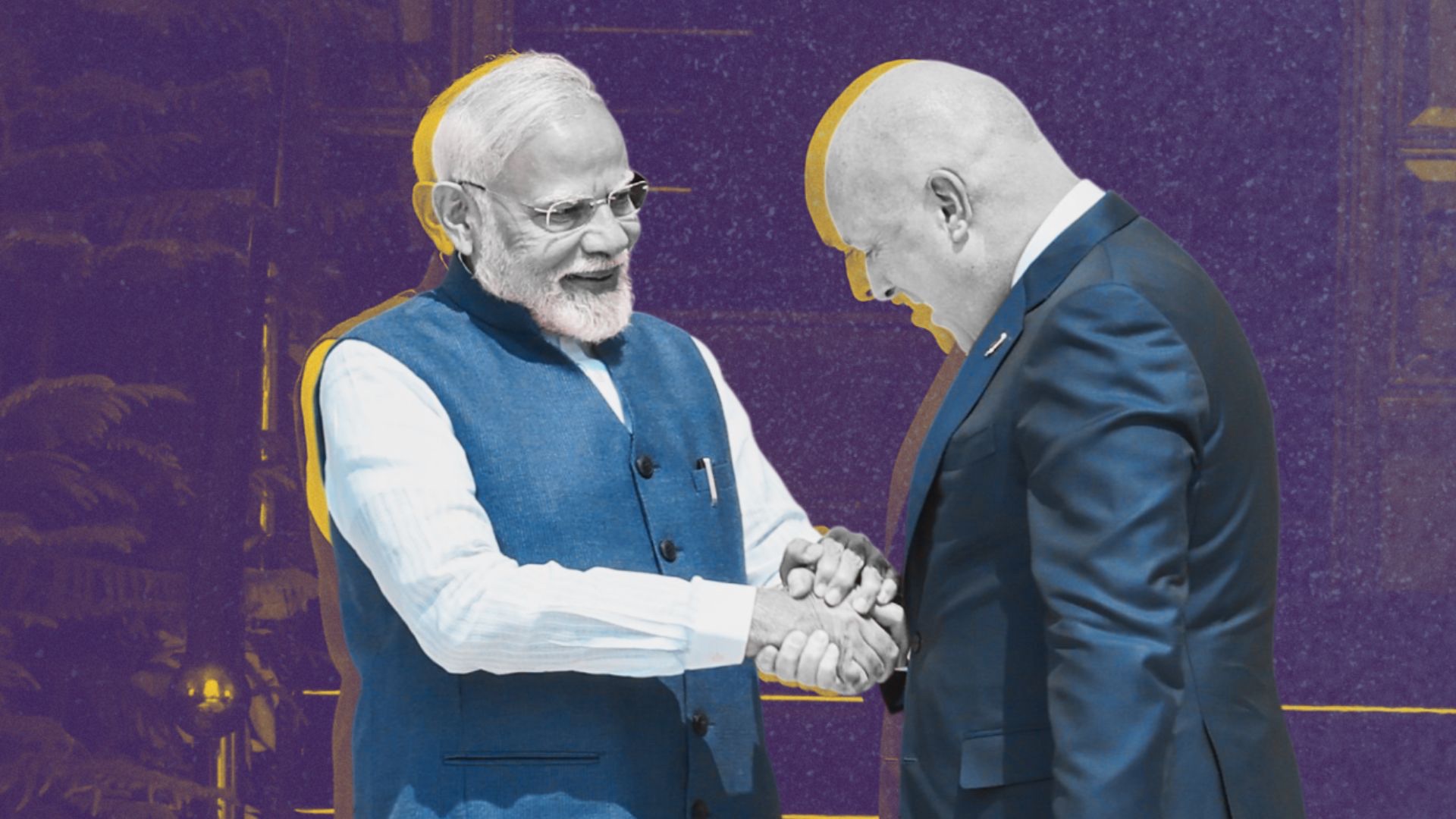
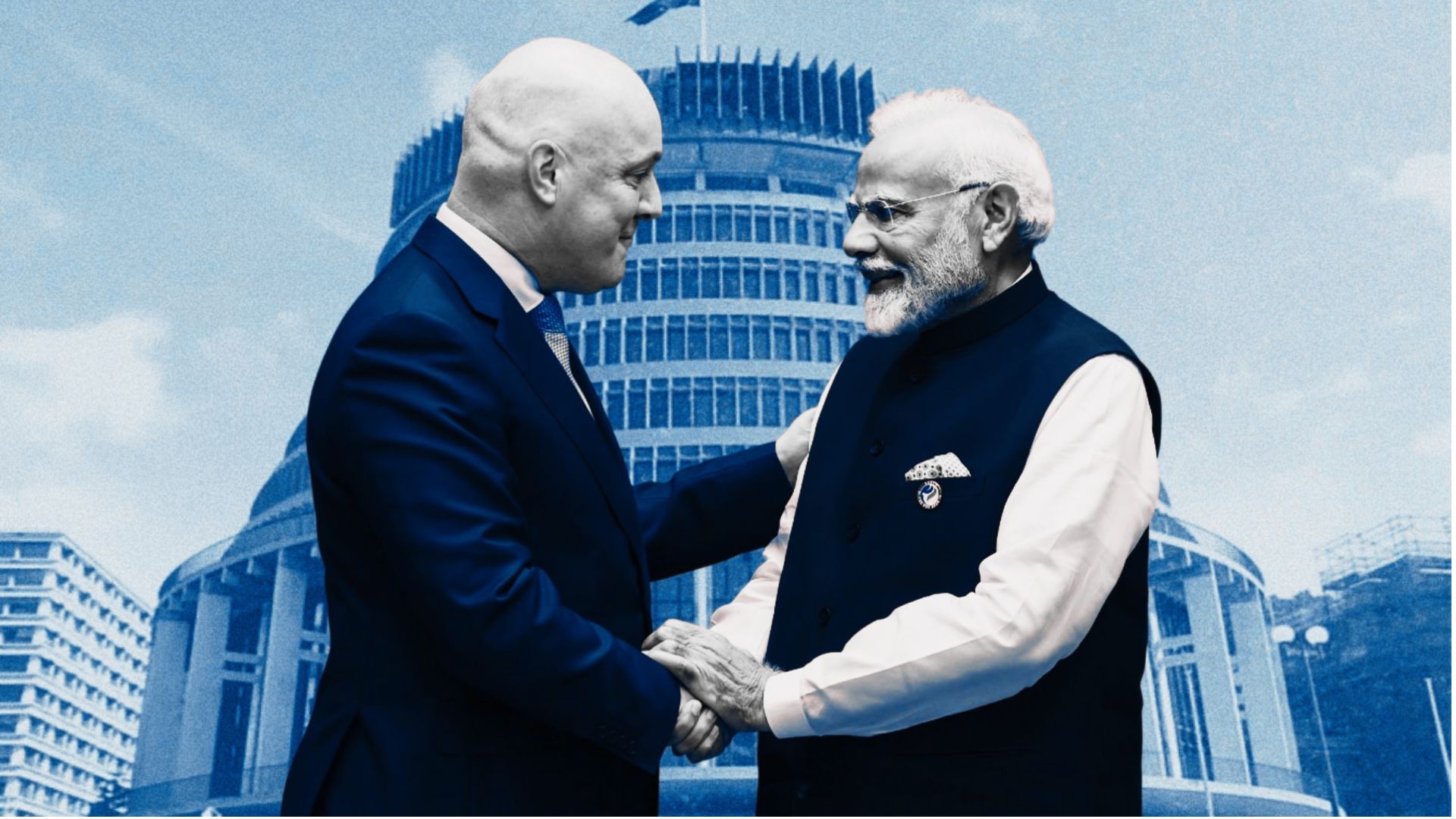
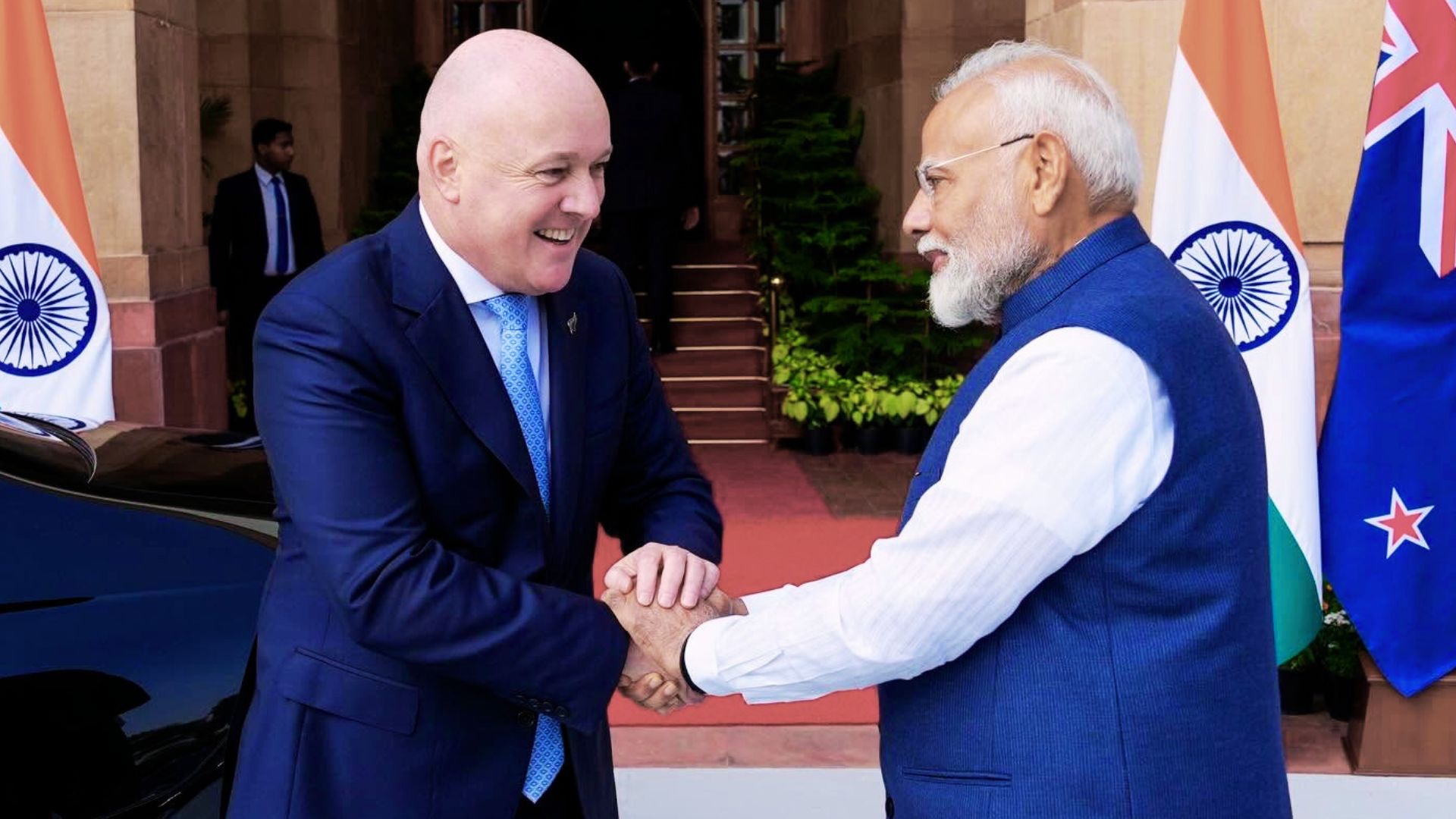
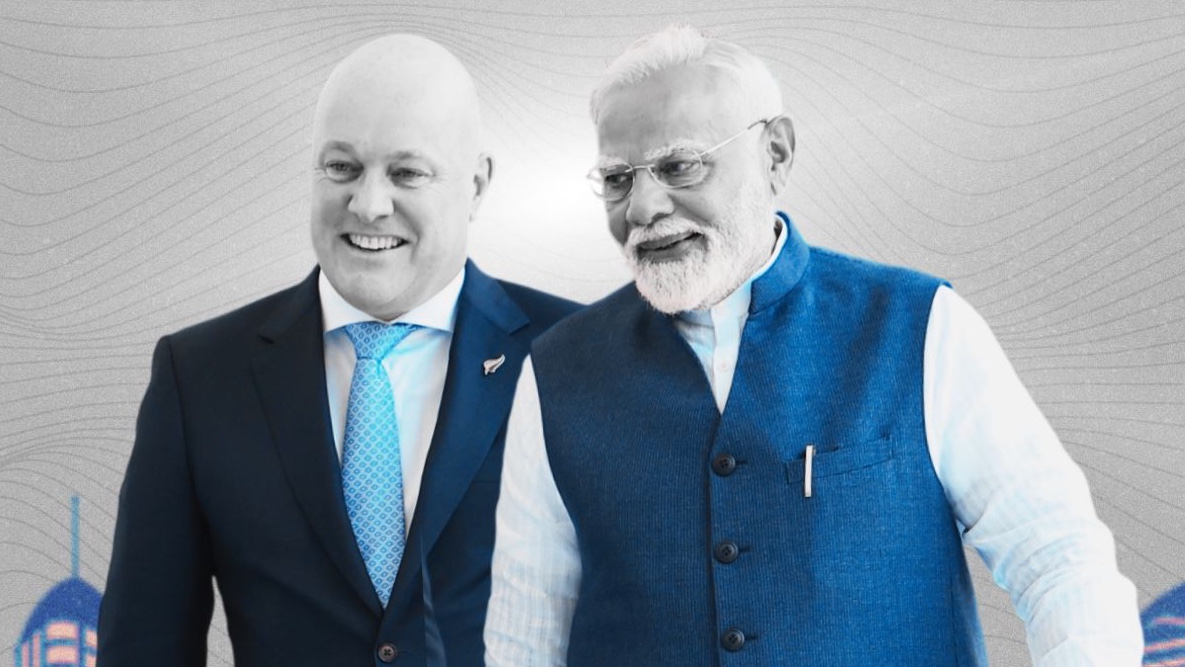
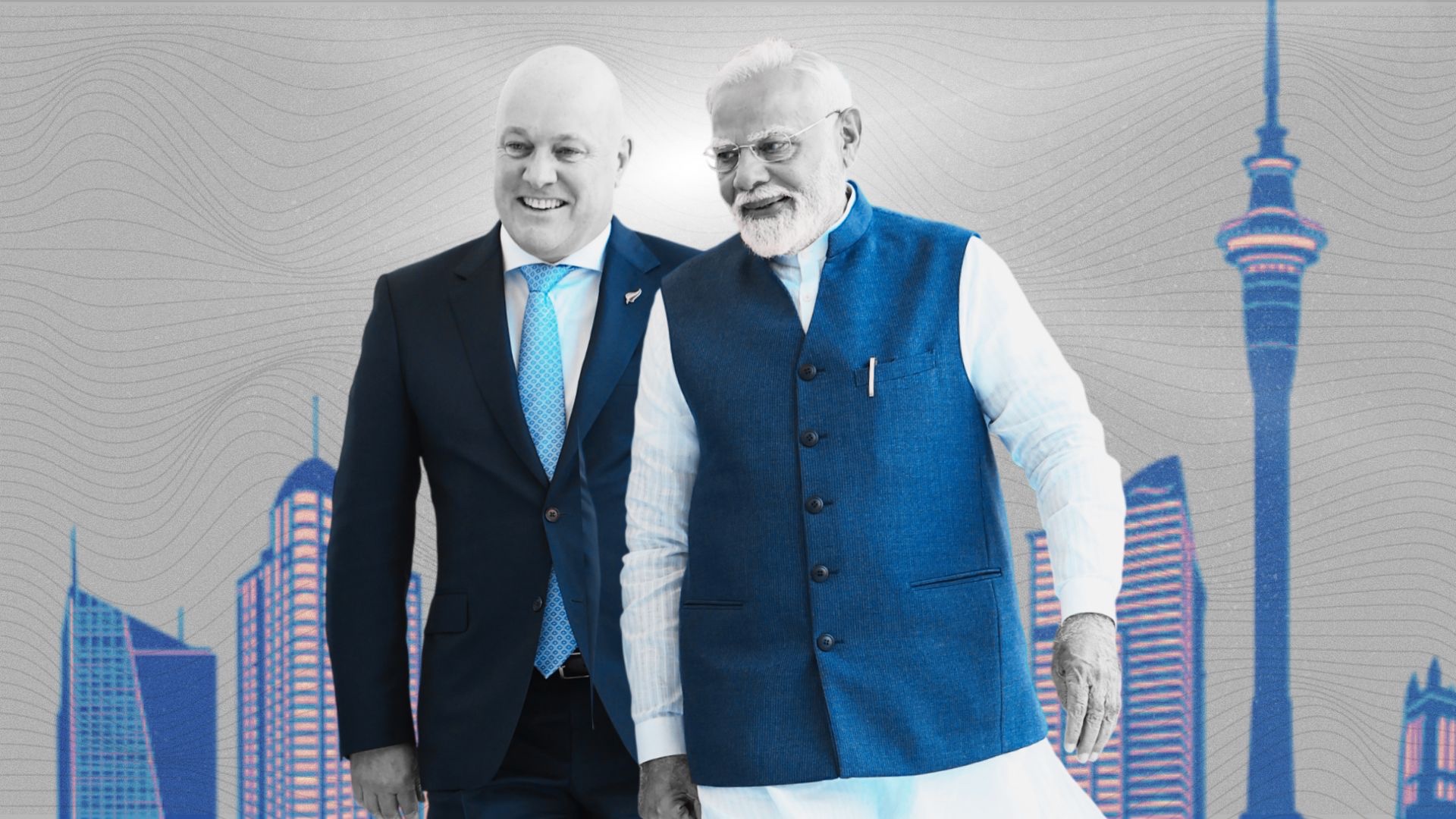
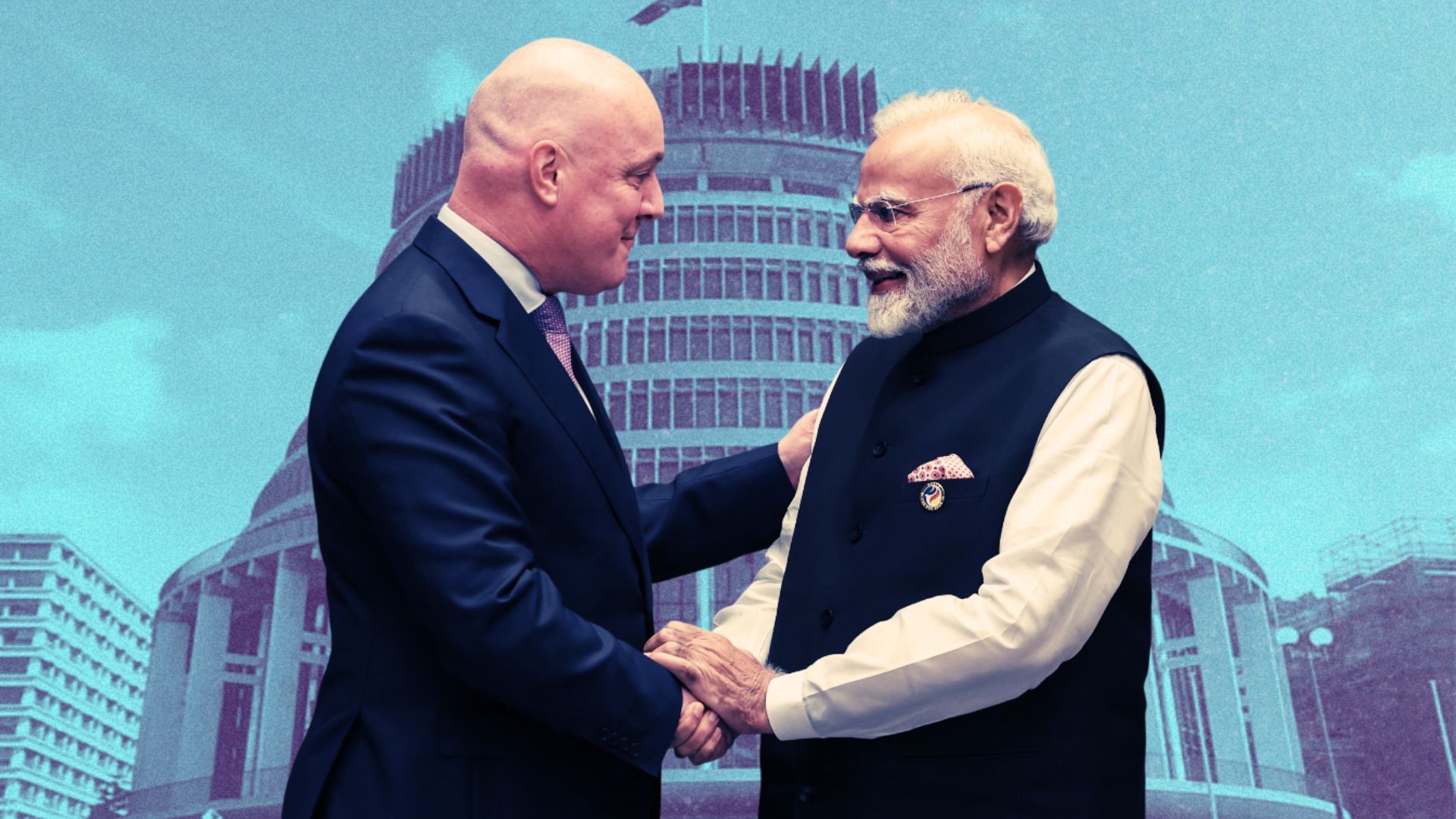
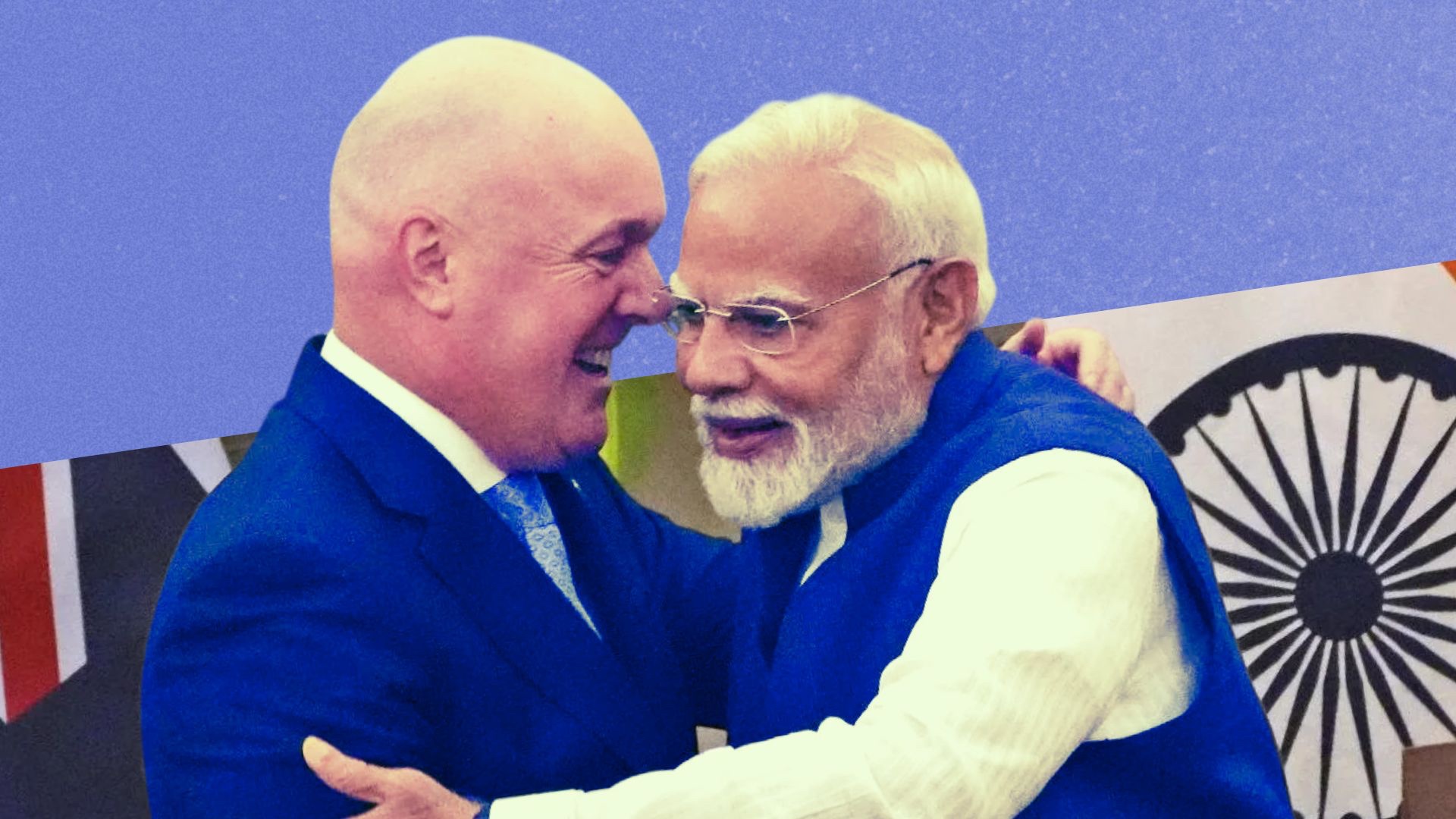
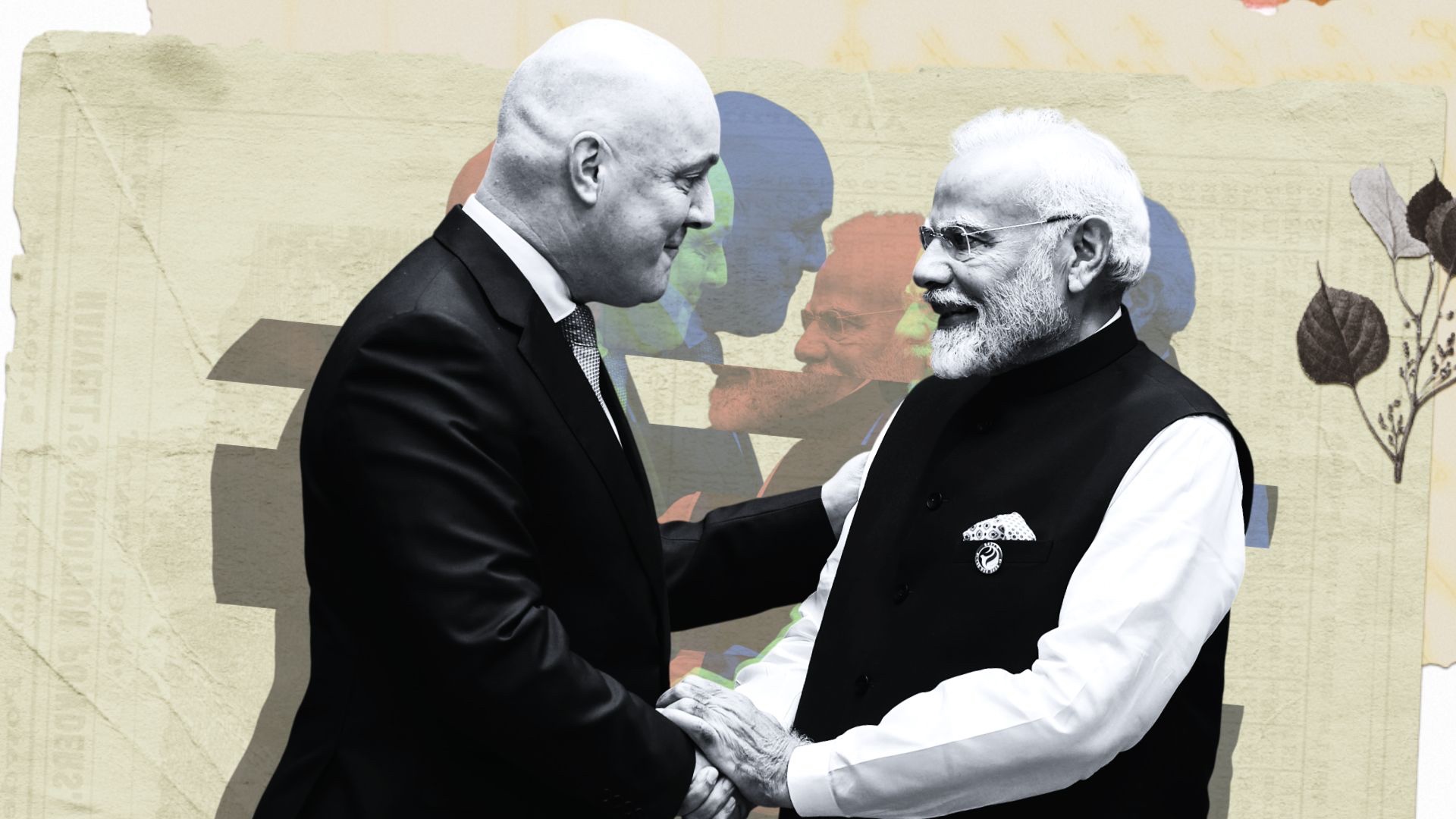
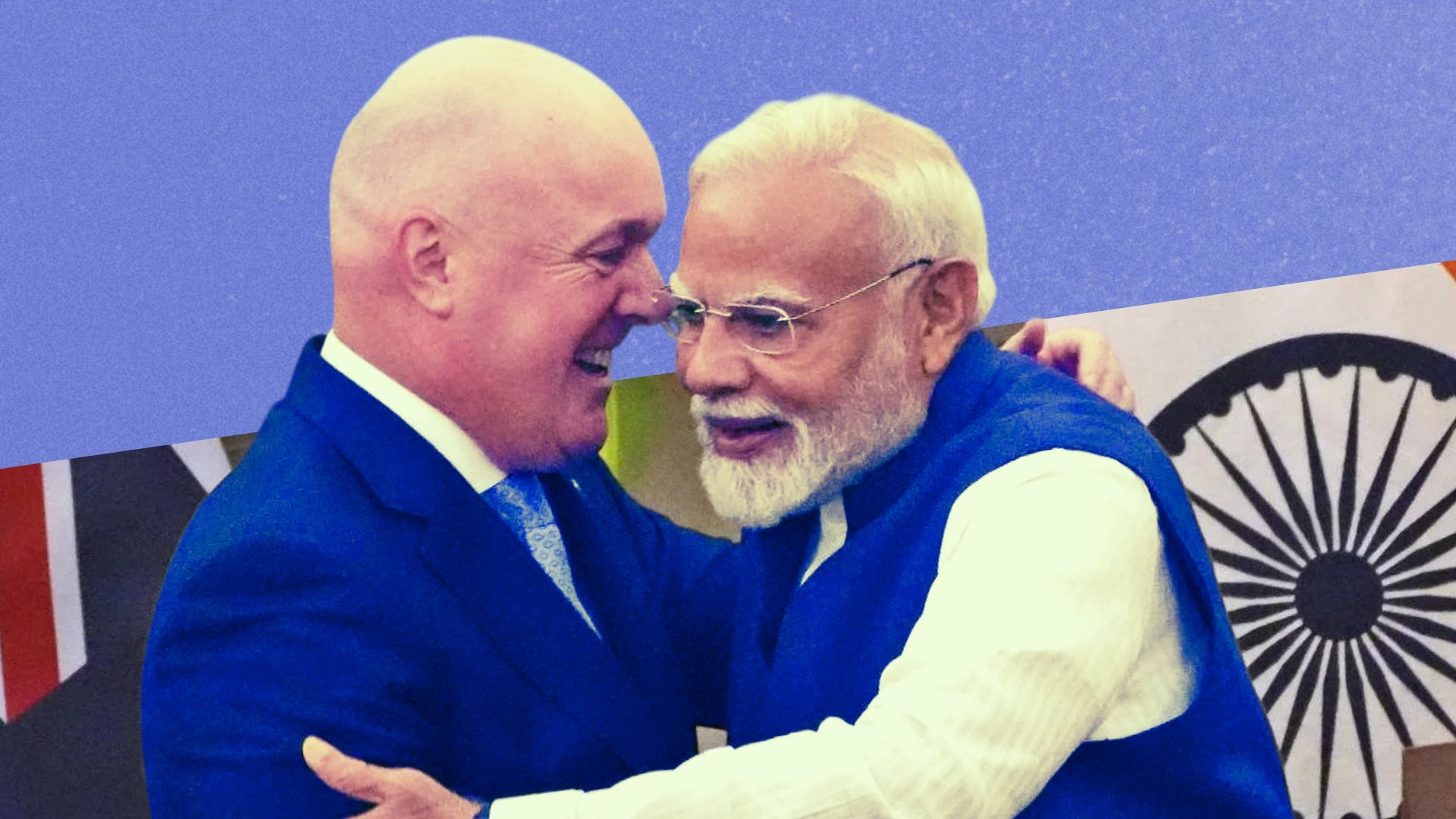
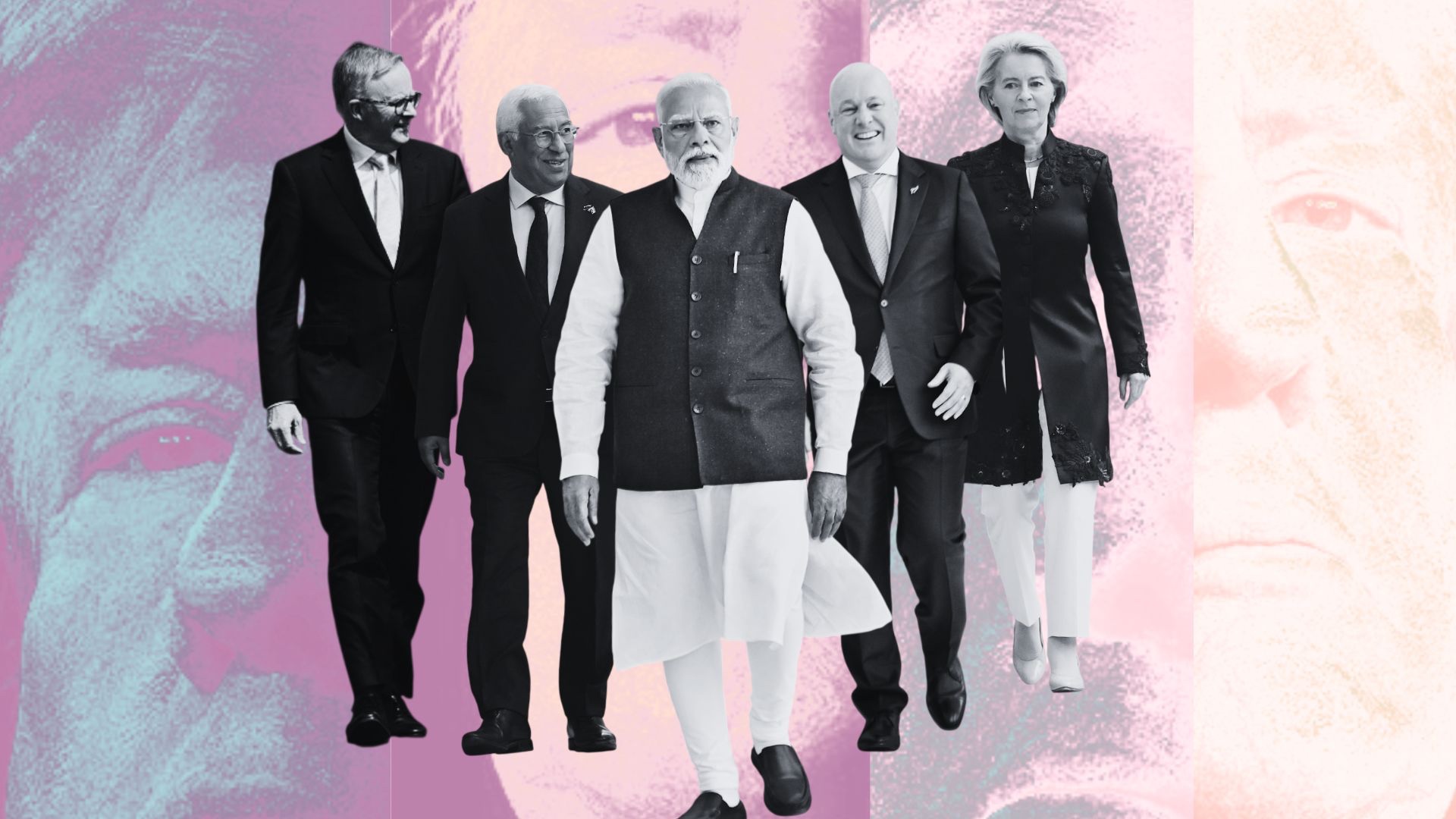
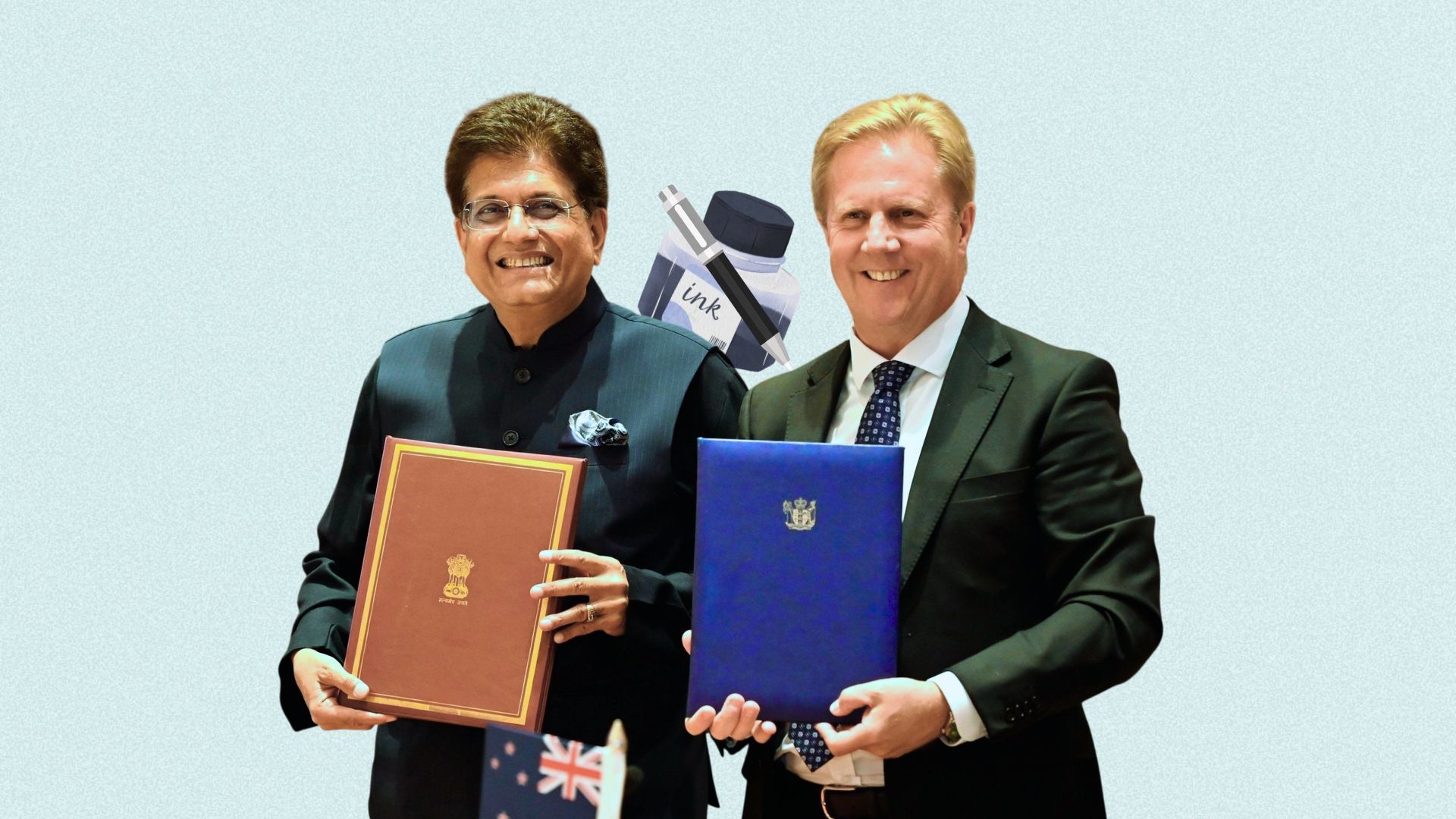
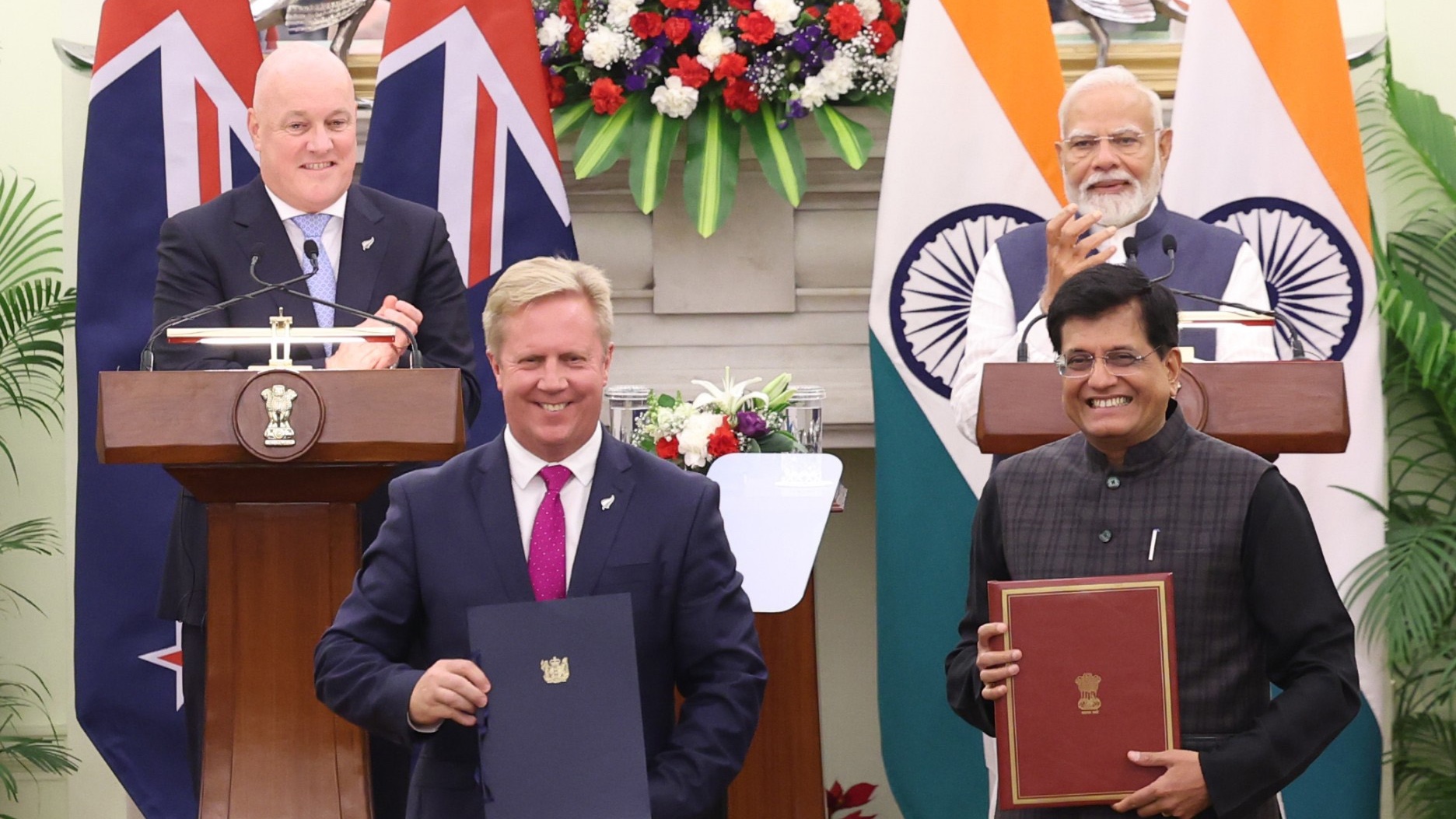
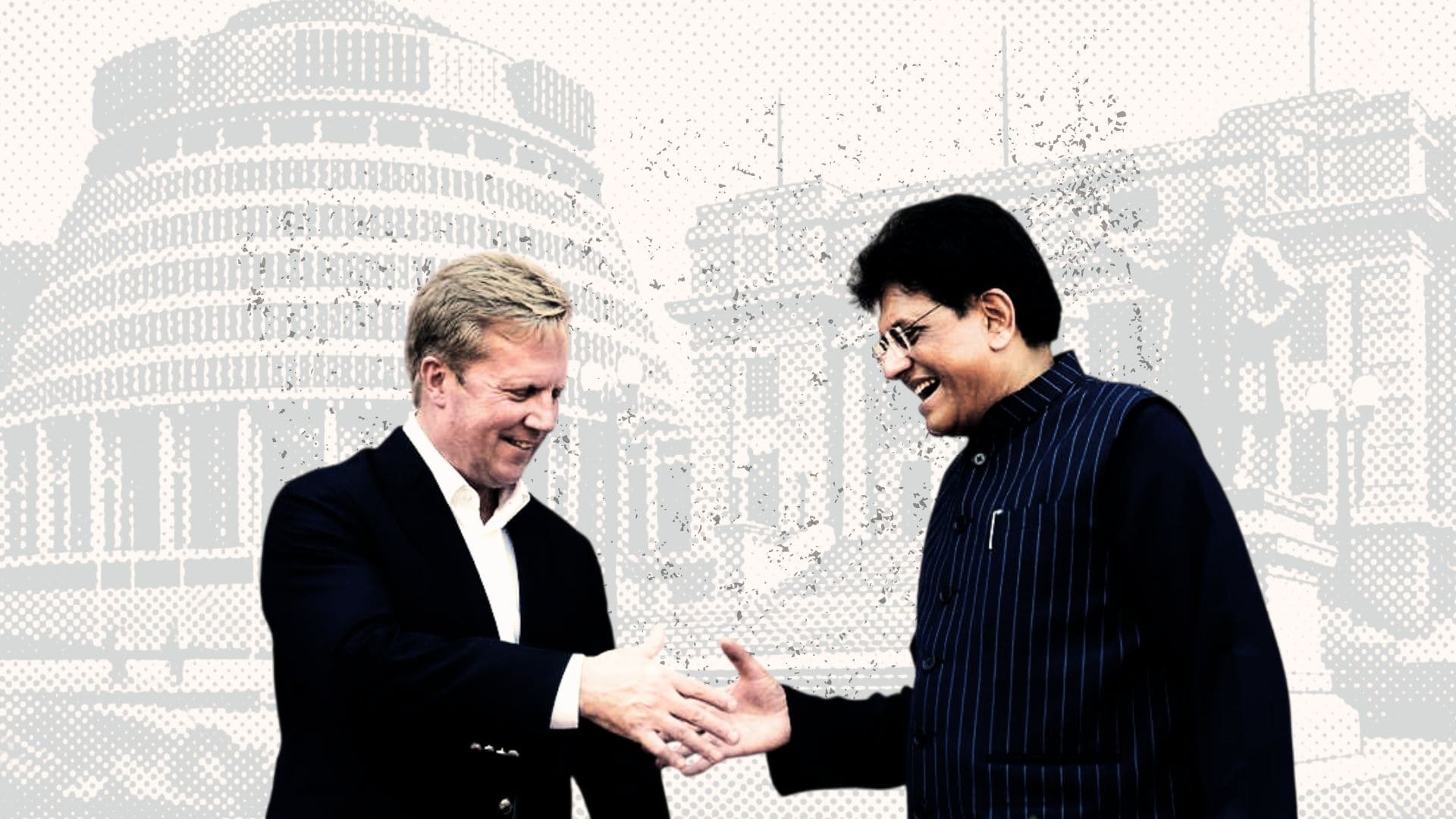
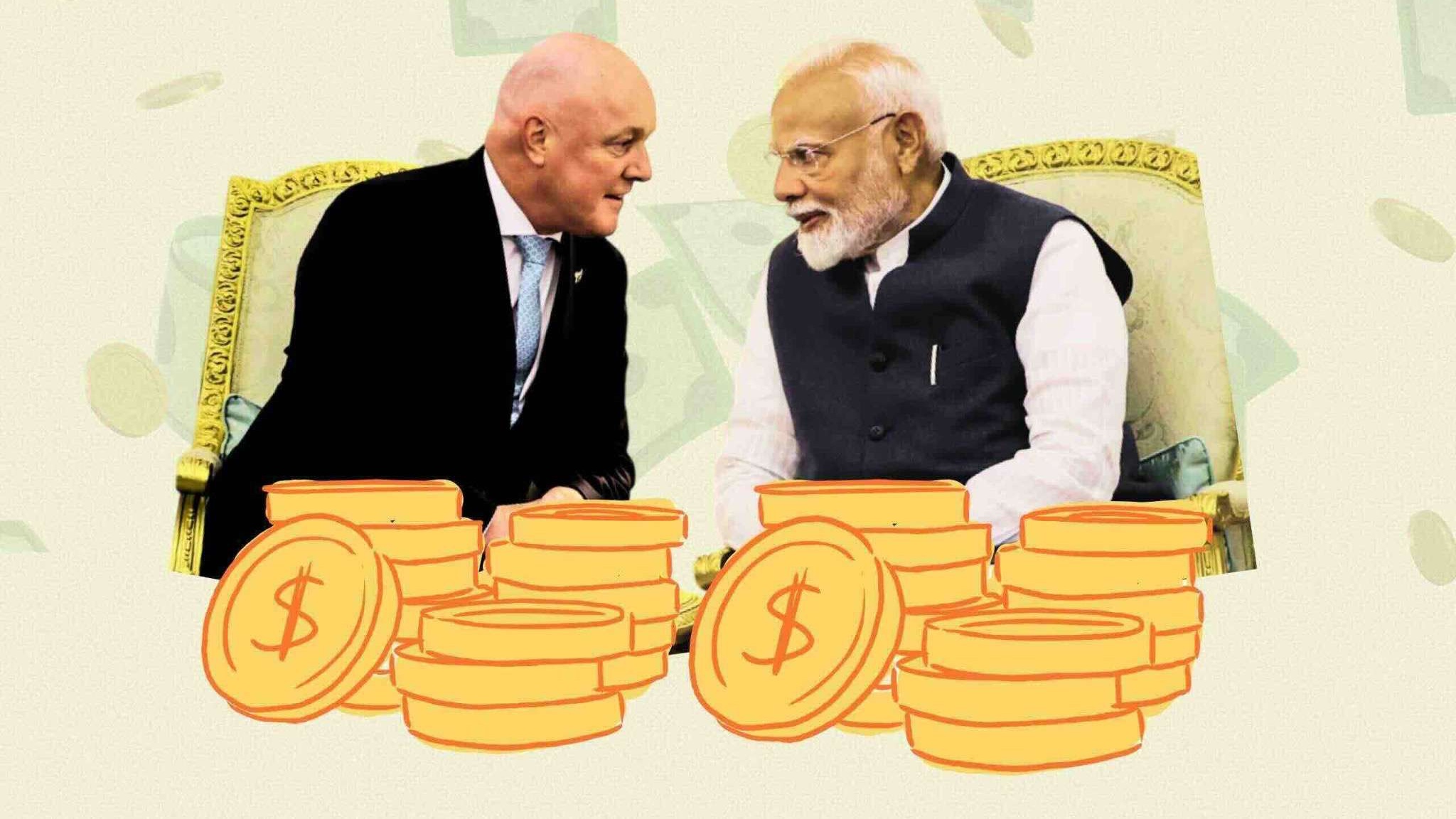
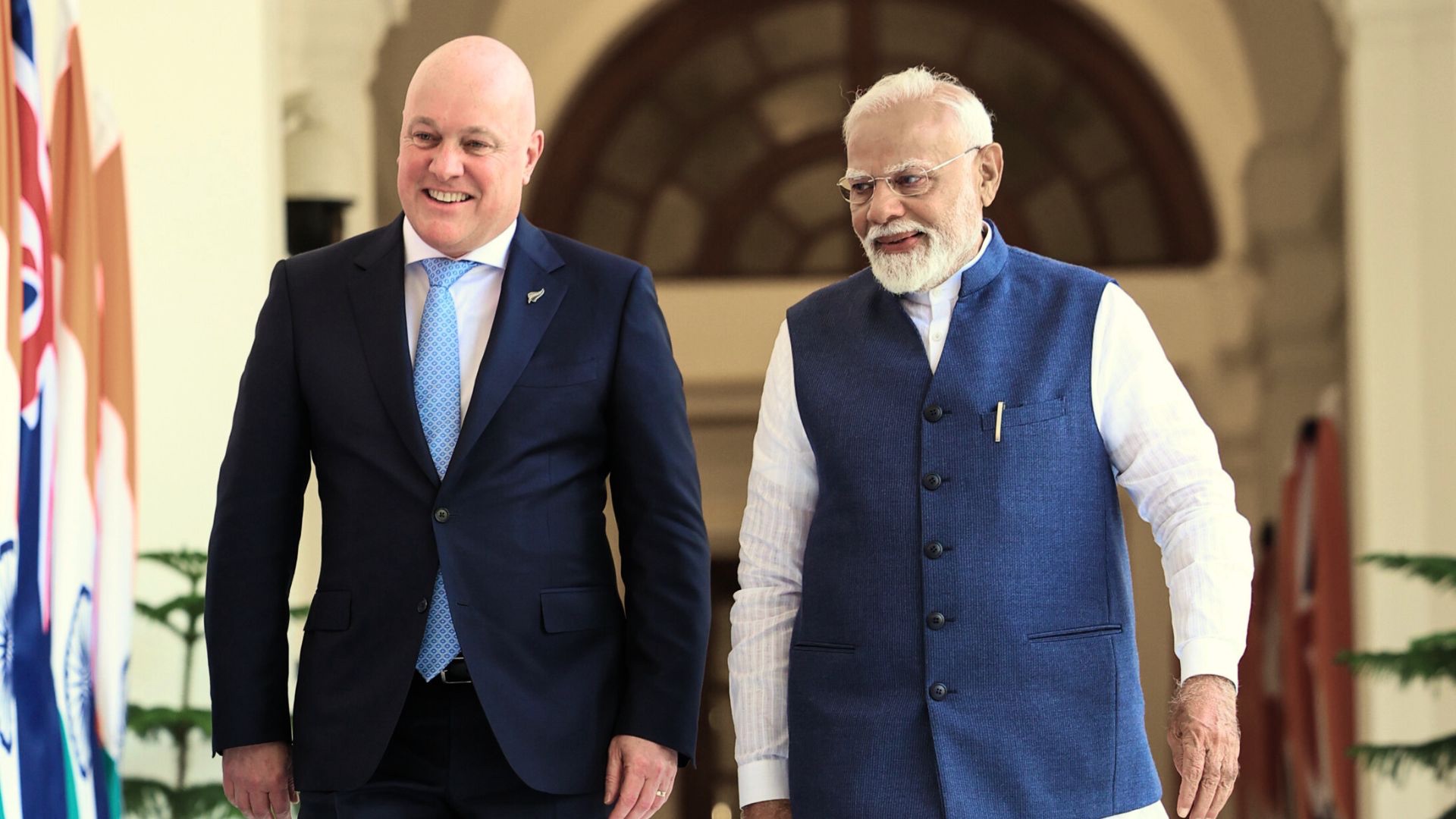
The recently signed free trade agreement between New Zealand and India has so far been discussed and debated in very broad terms: the size of the Indian market, opportunities for exporters, implications for immigration.
Much of this is understandable. Preferential access to a market larger than the European Union and ASEAN countries combined, with purchasing power forecast to grow exponentially by 2050, is indeed an opportunity.
Realising that opportunity, however, is another matter entirely. The real test for New Zealand businesses lies in how they now approach the regionally complex and dynamic Indian market.
While the free trade agreement calls for a clear strategy for doing business in India, the harder question is whether a pan-India strategy is enough in a market so diverse and difficult.
A country of countries
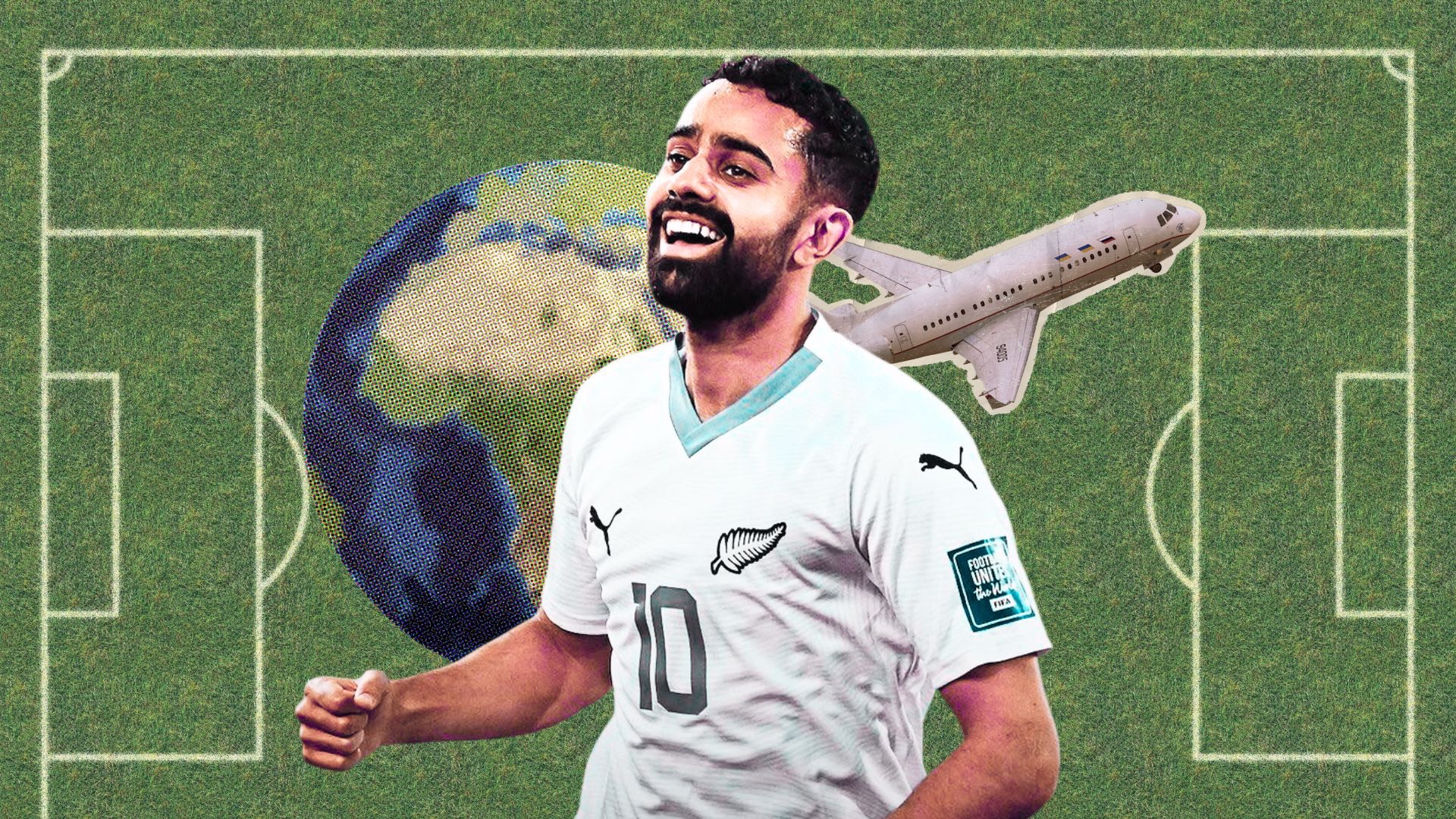
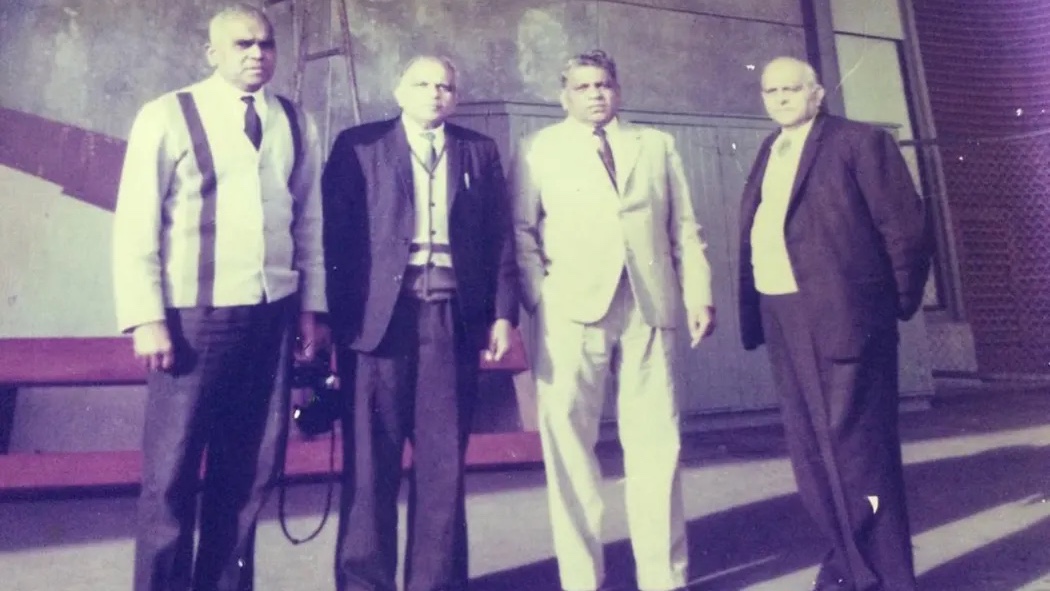
New Zealand hockey gambled £500 on an Indian team a century ago. It's paying off even today Crowds of 25,000, an astonishing 80 goals by one player and a sporting revolution that helped Indian migrants find acceptance.
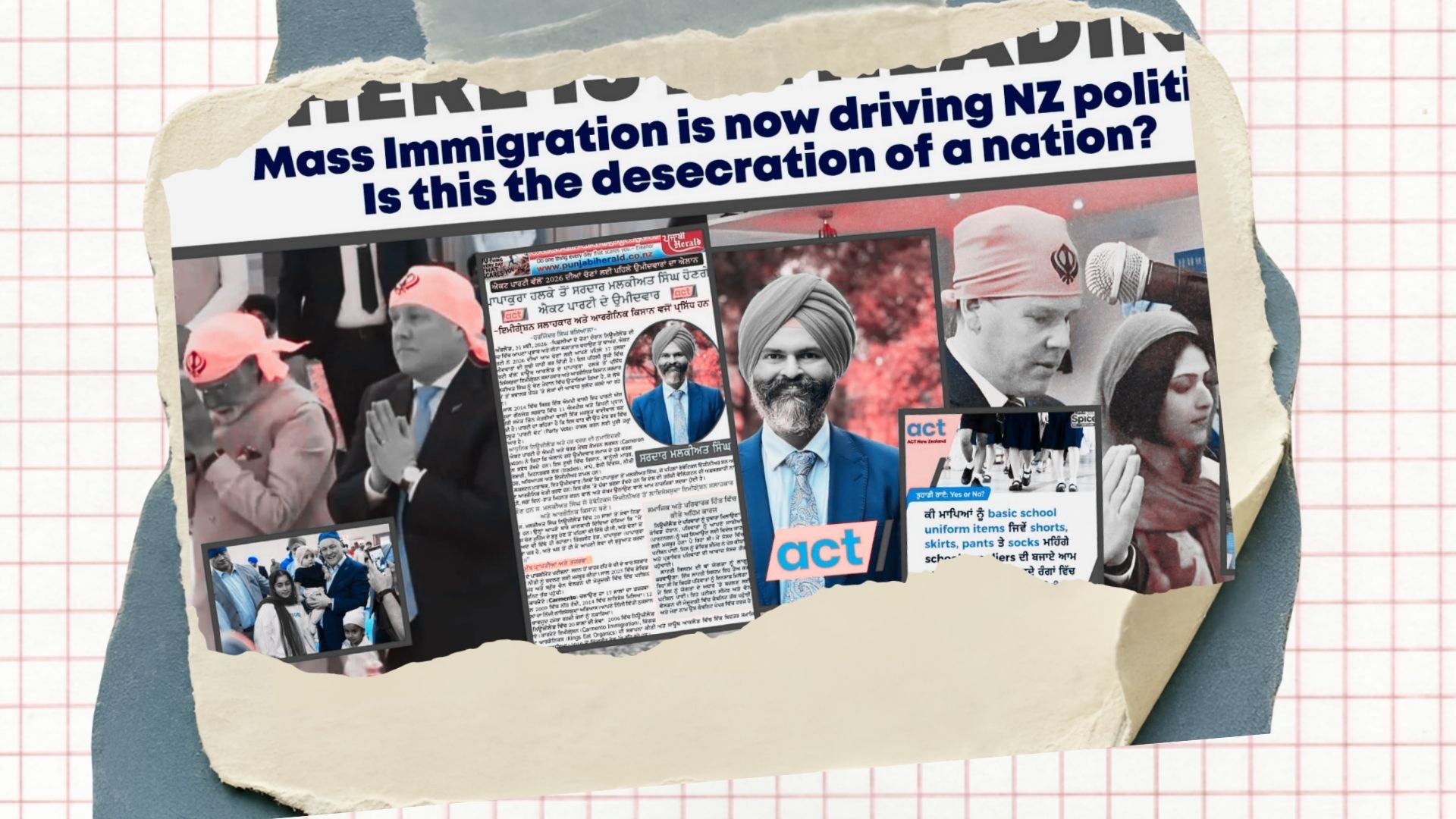
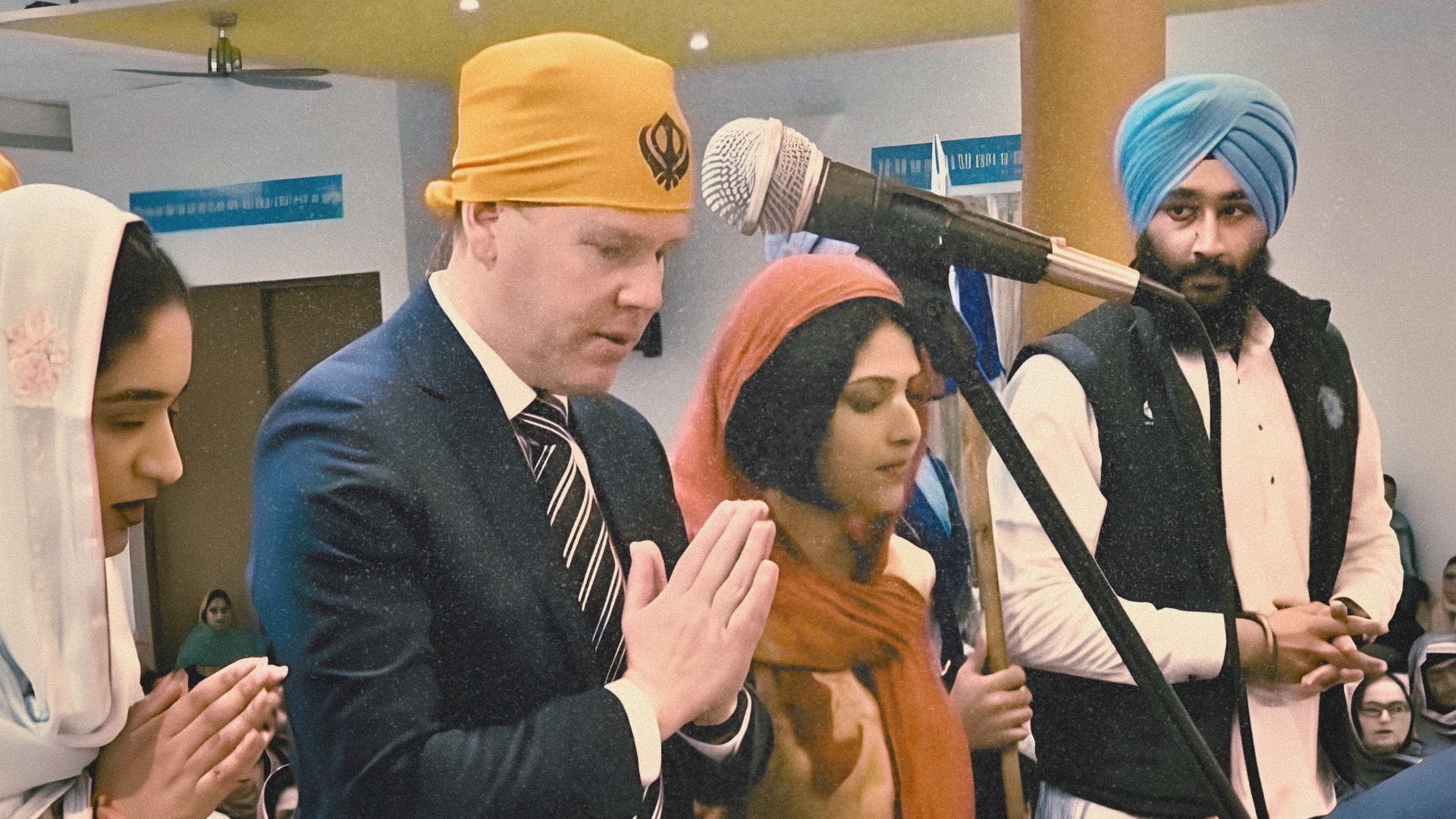
Tamaki says he was detained in Australia and sent back from airport over Sikhs, Muslims remarks The Destiny Church leader claims Australian authorities considered his presence a risk to Sikh and Muslim communities.
Being Indian and Kiwi at once. How Ajaz Patel's 10-wicket haul brought his two worlds together A historic moment in Mumbai left the Black Caps spinner reflecting on something far deeper than cricket.
The regional differences within India’s large and complex economy make it a “country of countries” requiring a business strategy for each of its 36 states and union territories.
Key policy decisions – about infrastructure development, land and labour, healthcare and transport, licensing and permitting – are all made at state level. On top of this, economic, social, political and cultural expectations vary across states.
Approaching each as a separate market is vital, with the economic and operational environments considered in tande.
For example, the states with highest GDP are Maharashtra, Tamil Nadu, Uttar Pradesh, Gujarat, Karnataka and West Bengal. But the top-ranking states for ease of doing business are Kerala, Andhra Pradesh, Gujarat, Rajasthan, Tripura and Uttar Pradesh.
Also, given the nature of the country’s governance structure, the relationship between central and state governments is an important consideration when deciding where to focus.
New Zealand businesses will almost inevitably struggle in states where operating on the ground is difficult and economic conditions less advanced. Picking the right entry point will be important.
Building and sustaining business relationships is key to a winning strategy. But in a country like India, or within one of its very different states, this depends on managers possessing real “cultural intelligence” to interact effectively.
Breaking into the Indian market needs patience. Doing business there is vastly different to New Zealand. For example, New Zealand ranks first and India 63rd on the World Bank Group’s ease-of-doing-business index, despite substantial improvement over the past decade.
Developing networks and relationships will be important. In my past research I have spoken with senior New Zealand managers doing business in India. They have explained how building family-level relationships with their trade partners has helped sustain business ties even during tougher economic conditions.
On the other hand, this can be a double-edged sword. While close relationships can help overcome uncertainty and leverage shared resources, they can also create a tendency to avoid conflict and encourage opportunistic behaviour or lax oversight.
Realism and patience
New Zealand business and export managers also need to be prepared to change and adapt their ways of thinking about economic, cultural and business practices. Expecting things to happen like they do in New Zealand won’t work, risking lost opportunities and damaged relationships.
The good news is that a lot of advice and support is available, including from New Zealand Trade and Enterprise, the Ministry of Foreign Affairs and Trade and Export NZ.
Academic and business associations such as the New Zealand India Research Institute, India New Zealand Business Council, New Zealand Bharat Chamber of Commerce and Industry and New Zealand India trade Alliance may also be helpful.
Despite the promise held in the free trade agreement, those at the coalface of building business relationships in India have to be realistic about the actual challenges (especially if they have yet to even visit the country).
Overall, an effective India strategy will be mindful of regional variation but open to broader approaches that will apply nationally: building close but careful business relationships, being adaptable and avoiding Eurocentric mindsets.
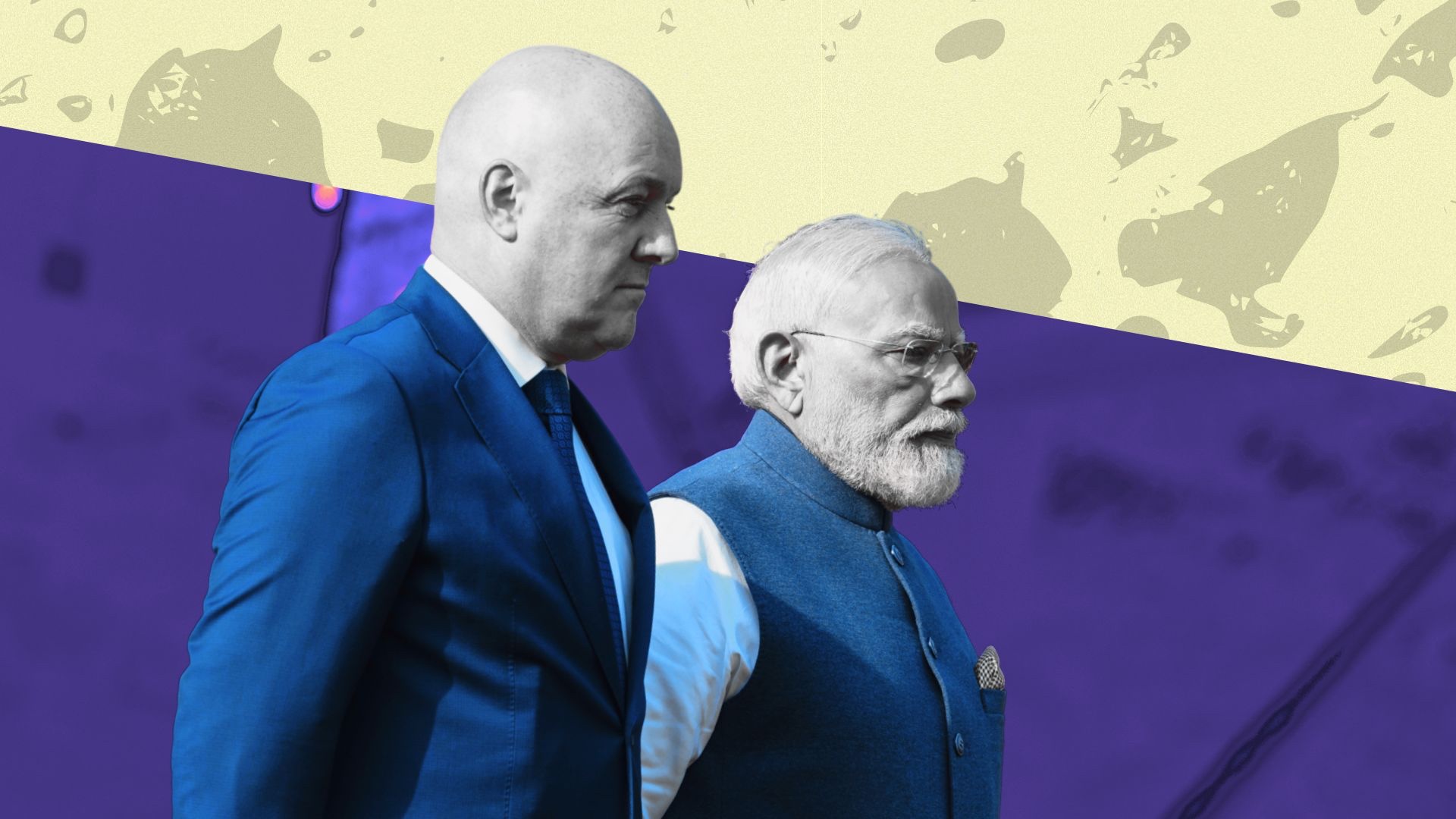
The central Indian government under Prime Minister Narendra Modi has made a priority of encouraging development and reducing regulatory clutter. But this too will vary across the country.
Exporters of goods and services will need to customise their strategies for each state, region and market. That means careful, data-based analysis of the various opportunities, operating environments and customer segments.
To be blunt, the happy headline of “1.4 billion potential customers” is largely a fiction. There is no real pan-India business strategy that will work. A nuanced, patient and contextualised approach will be the best basis for long-term success.
(This story was first published in The Conversation. Revti Raman Sharma is associate professor of international business, head of the School of Marketing & International Business, Te Herring Waka — Victoria University of Wellington.)