NZ First says population trends are at a ‘crisis point’. The reality is not that simple
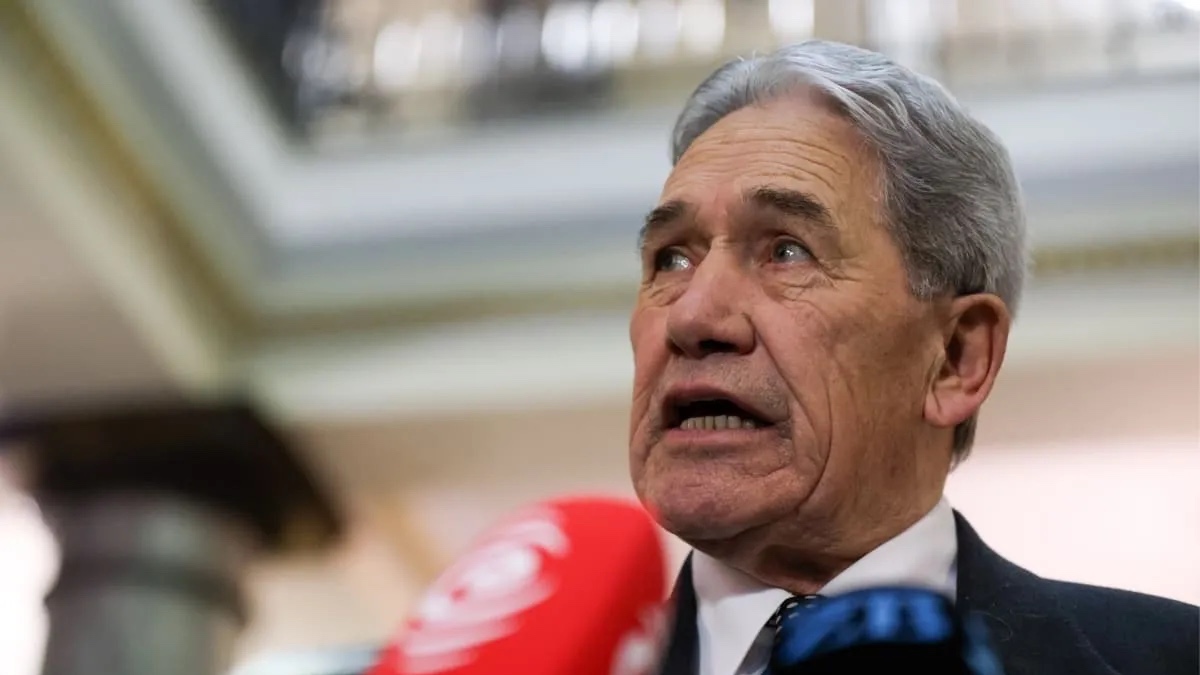
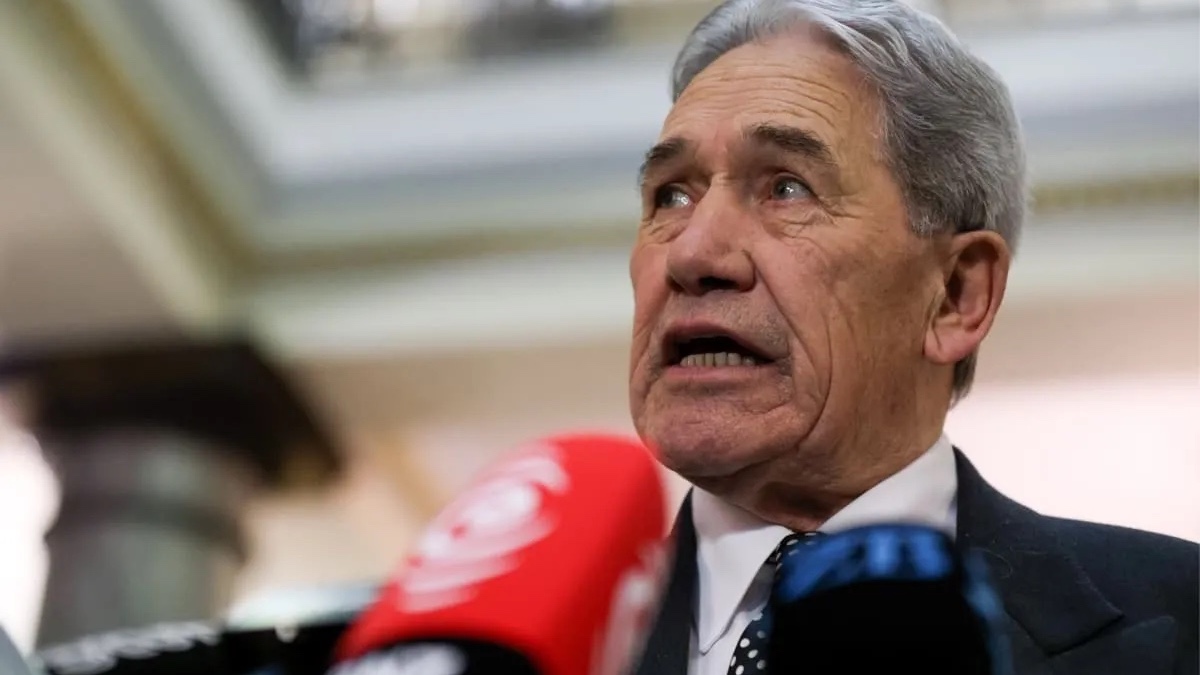
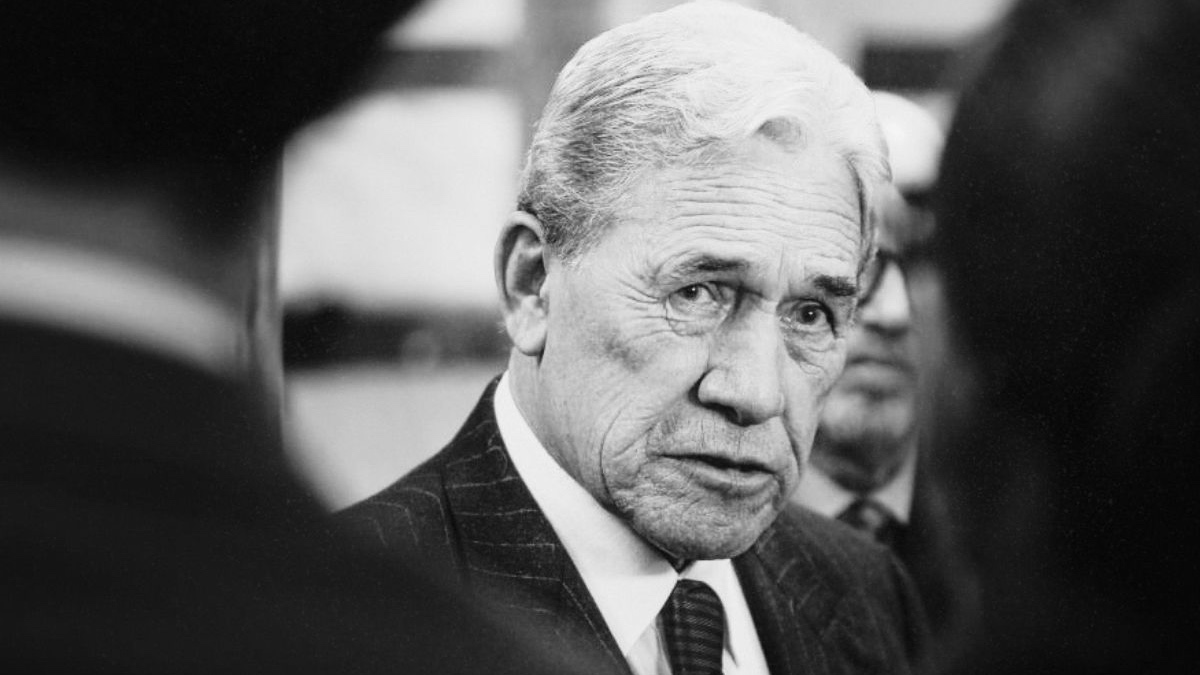
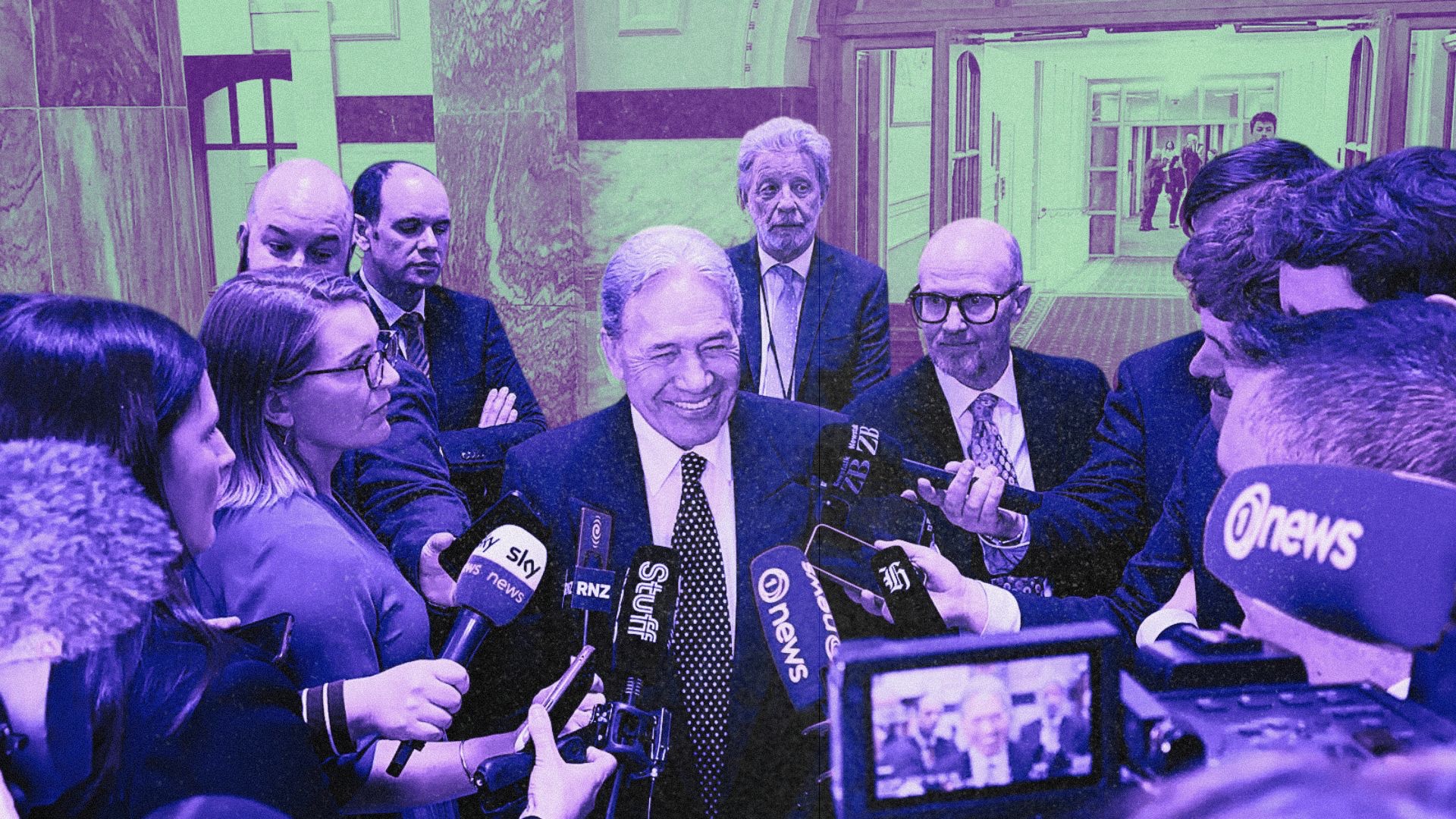
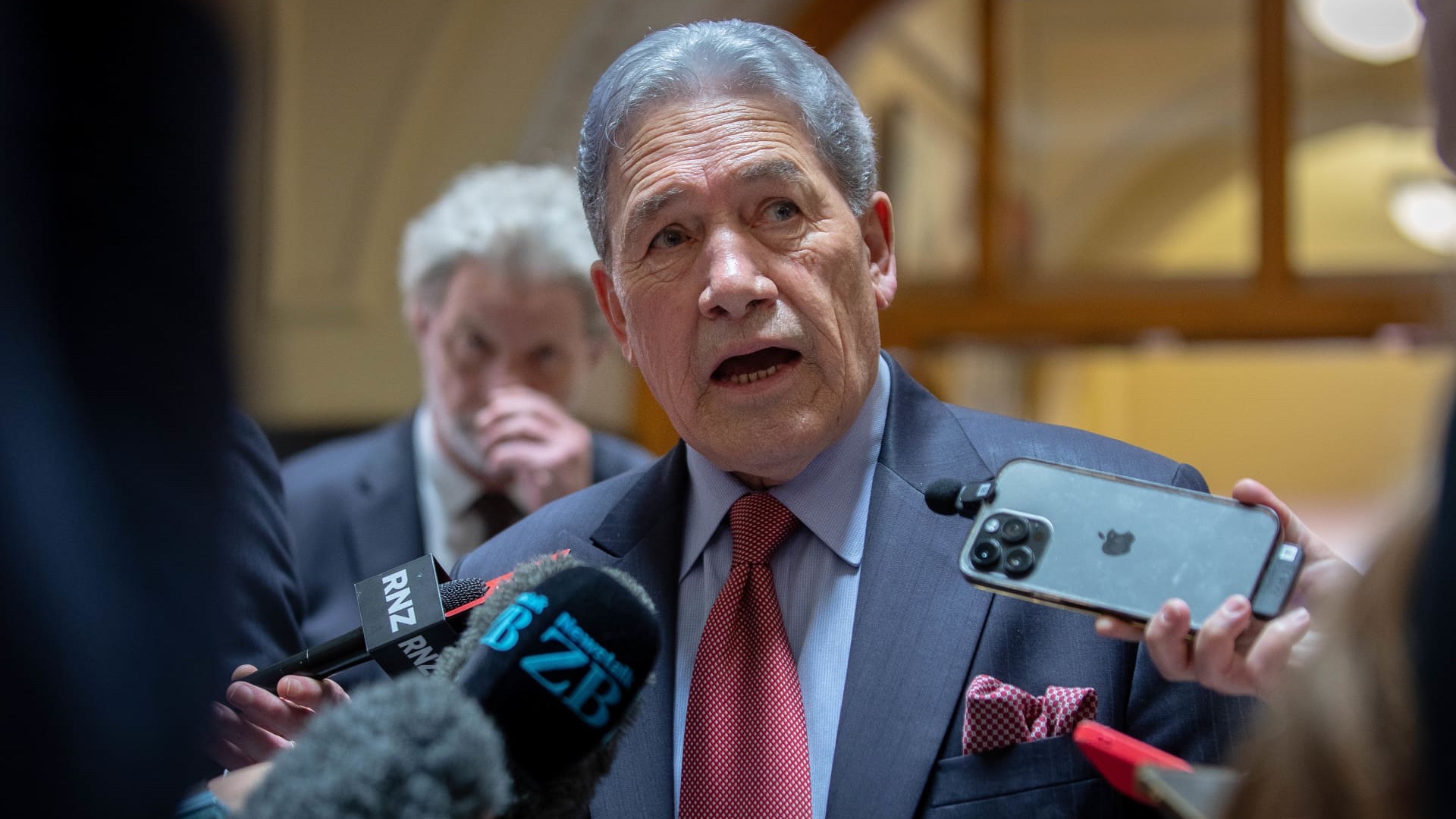
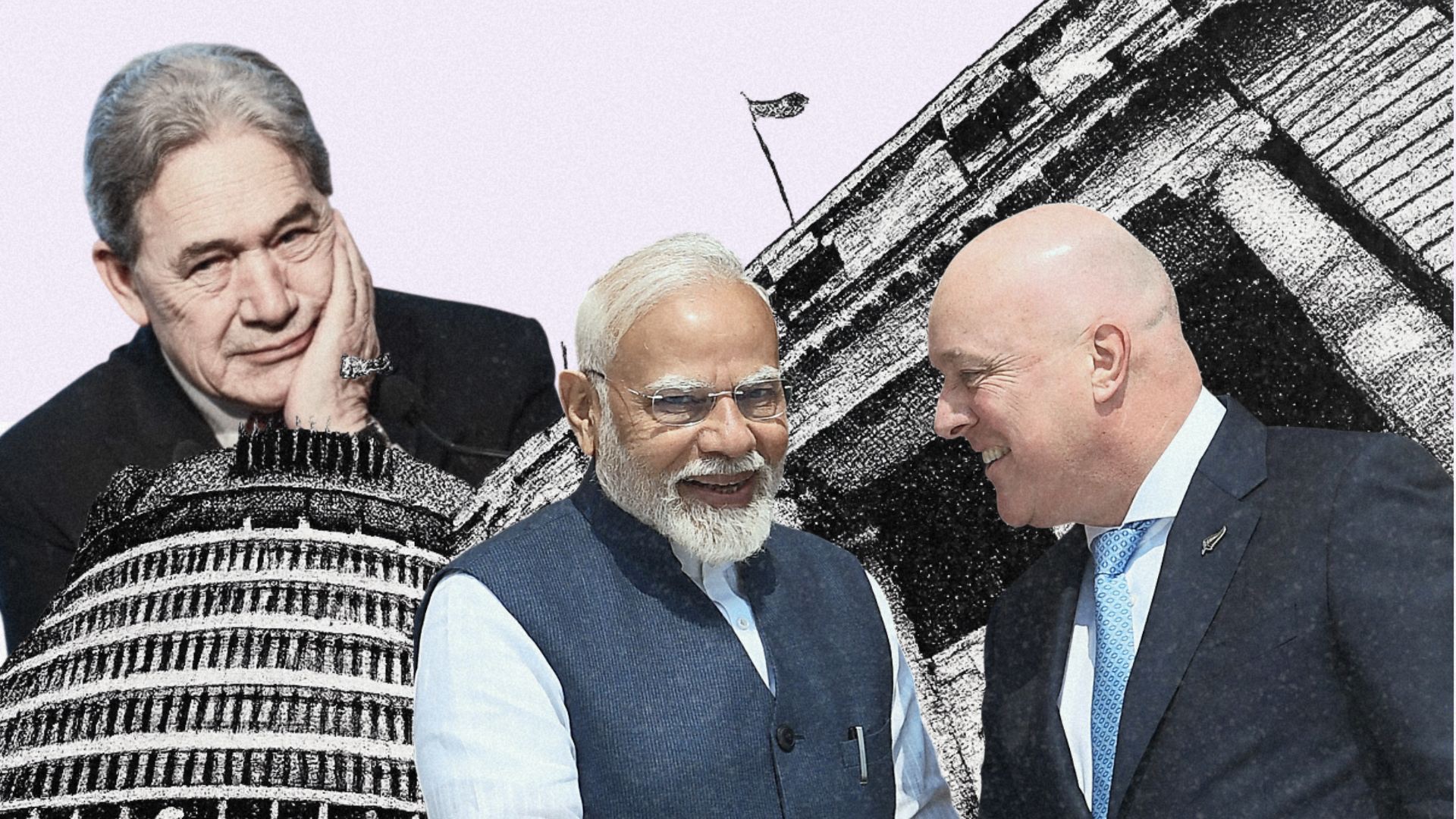
New Zealand First leader Winston Peters.
A policy predicated on increasing the number of 'certain babies' is neither effective nor necessary.
NZ First’s announcement of a policy to encourage New Zealanders to have more babies was made with dramatic urgency. But can we take the claim behind its Kiwi Kids Grant – that population trends are at a “crisis point” – at face value?
The grant would provide a kind of “baby bonus” to help young families raise the first three children through the first three years of their lives.
On the surface, any fiscal commitment to support hardworking members of society in a cost-of-living crisis appears positive. But there’s an ideological component, too, as the grant would only be available to New Zealand citizens.
Elsewhere, governments have tried this type of intervention before, based on the assumption that financial incentives will increase the number of babies born. As the recent example of Poland shows, results are usually mixed.
The Kiwi Kids Grant looks similar to the “baby bonus” Australia tried in the early 2000s, which also showed mixed results and may not have directly increased overall fertility rates.
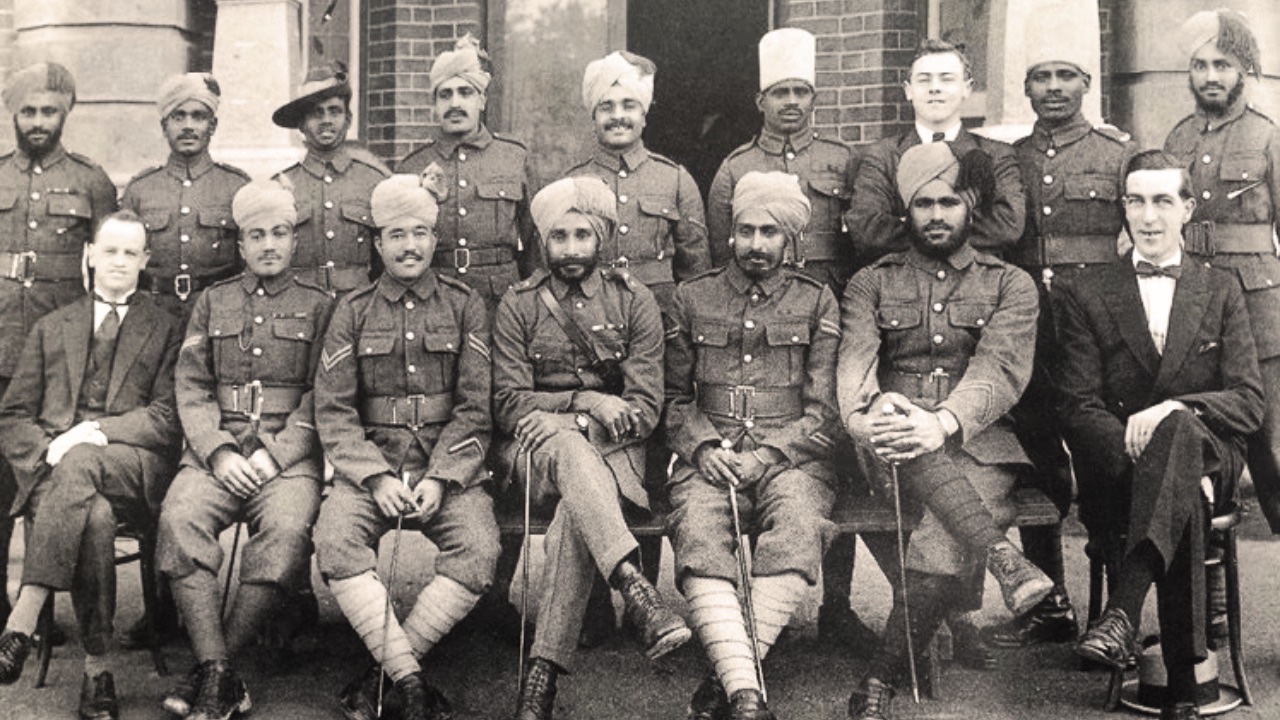
New Zealand hockey gambled £500 on an Indian team a century ago. It's paying off even today Crowds of 25,000, an astonishing 80 goals by one player and a sporting revolution that helped Indian migrants find acceptance.
Tamaki says he was detained in Australia and sent back from airport over Sikhs, Muslims remarks The Destiny Church leader claims Australian authorities considered his presence a risk to Sikh and Muslim communities.
Being Indian and Kiwi at once. How Ajaz Patel's 10-wicket haul brought his two worlds together A historic moment in Mumbai left the Black Caps spinner reflecting on something far deeper than cricket.
The bigger question, however, is whether there is a need for people to have more babies. Advocates of such policies use terms such as “crisis” or “ticking time bomb”, but the reality of New Zealand’s population growth isn’t that simple.
What does ‘birthrate’ measure?
New Zealand’s population size has been steadily increasing, and is projected to keep increasing for the rest of the century. It is now at five million, and expected to reach about eight million by 2078.
The growth is due to births continuing to outnumber deaths, along with positive net migration. There has been a steady number of babies born since the 1950s, around 60,000 per year.
Birth numbers are not the same as birthrates, however. More precisely, the “total fertility rate” (TFR) calculates the number of babies who would be born to a hypothetical person who lived out their entire reproductive lifespan in a specific year.
This statistical tool is widely used by demographers but may not always be interpreted accurately. The TFR is a snapshot that provides a lot of information about one moment in time. It is useful for looking at trends and for comparing countries or groups of people.
New Zealand’s TFR has shown a gradual decline since the 1990s, similar to other wealthy countries. There are various complex reasons for a low TFR but it appears to be here to stay in New Zealand and worldwide.
What the TFR cannot directly tell us is the total number of births each year or over a lifetime. If the number of childbearing-aged people in a population increases, more babies will be born – even if each person on average has fewer babies. In this case, the total number of babies can increase even as the TFR declines.
Also, if people delay having babies, the TFR may look lower even when the average number of children per family stays the same. In other words, a focus on TFR may miss seeing the actual babies.
Fertility rates aren’t all the same
Unlike other wealthy countries with low TFRs, New Zealand is in a unique position because some population groups have higher total fertility rates than others.
Across the course of their intertwined history, Māori and New Zealand-European populations have experienced very different birth trends.
The New Zealand-European TFR of 1.6 is lower than the Māori TFR, currently at 1.9. The Māori population is also youthful, with a median age of 26.8 years compared to the New Zealand-European median age of 41.7.
The Pacific TFR is even higher at 2.1, and the Pacific population has an even younger median age of 24.9 years.
These youthful Māori and Pacific populations provide built-in momentum for New Zealand’s future population growth. They also represent a potential economic and social windfall in the form of more working-age people in those demographics as the overall population ages.
A ‘balanced’ population?
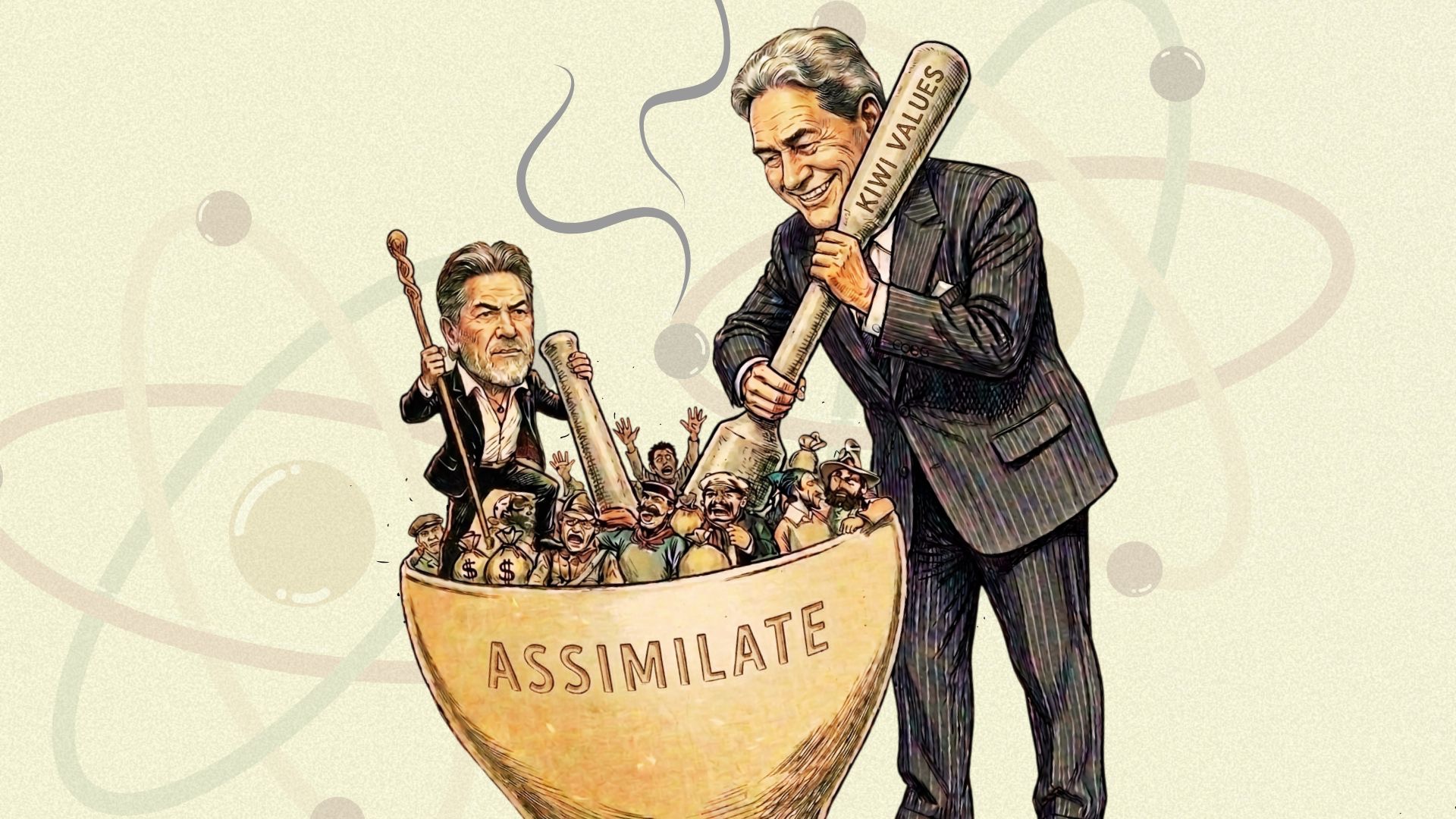
Looking at these statistics by demographic category highlights a key aspect of NZ First’s Kiwi Kids Grant: by confining eligibility to New Zealand citizens, it implies a need for a particular kind of baby to be born.
The policy refers to a “severely unbalanced” and “diminishing Kiwi population”. But what is a “balanced” population? Clearly, the grant is part of a wider party position on immigration and a perceived need to manage its social and economic impact.
Migration has been a key strategy by various governments to address labour market shortages, increase productivity and demand, and support an ageing local population.
But NZ First’s birthrate policy would mean non-citizen migrants who want to have and raise children in New Zealand will miss out. On that basis, it is not only about encouraging more births, but also about determining what the future population should look like.
But if it is a better future for New Zealand that is the aim, a policy predicated on increasing the number of certain babies is neither effective nor necessary.
It would make more sense to focus on supporting New Zealand’s growing population, especially its Māori and Pacific youth, who represent a potential “demographic dividend”.
Sustained investment in young people’s education, employment, health and housing can help maintain workforce participation, productivity, tax revenues and community wellbeing.
As a bonus, those policies can also provide more supportive future conditions for those who would like to become parents.
(This story was first published in The Conversation. Bryndl Hohmann-Marriott is Associate Professor of Sociology, University of Otago; and Moana Rarere is Demographer/Lecturer in Population Studies, University of Waikato.)