Migrants are told to be grateful. New research asks shouldn't NZ be grateful too?

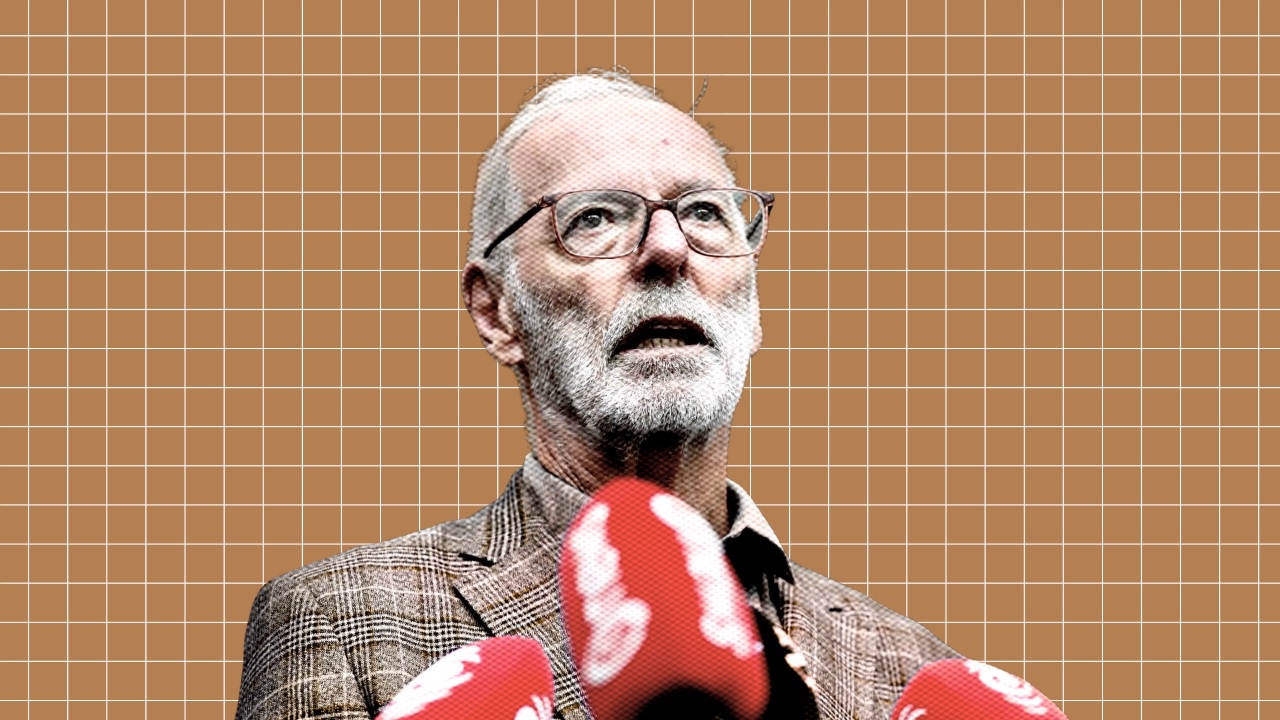
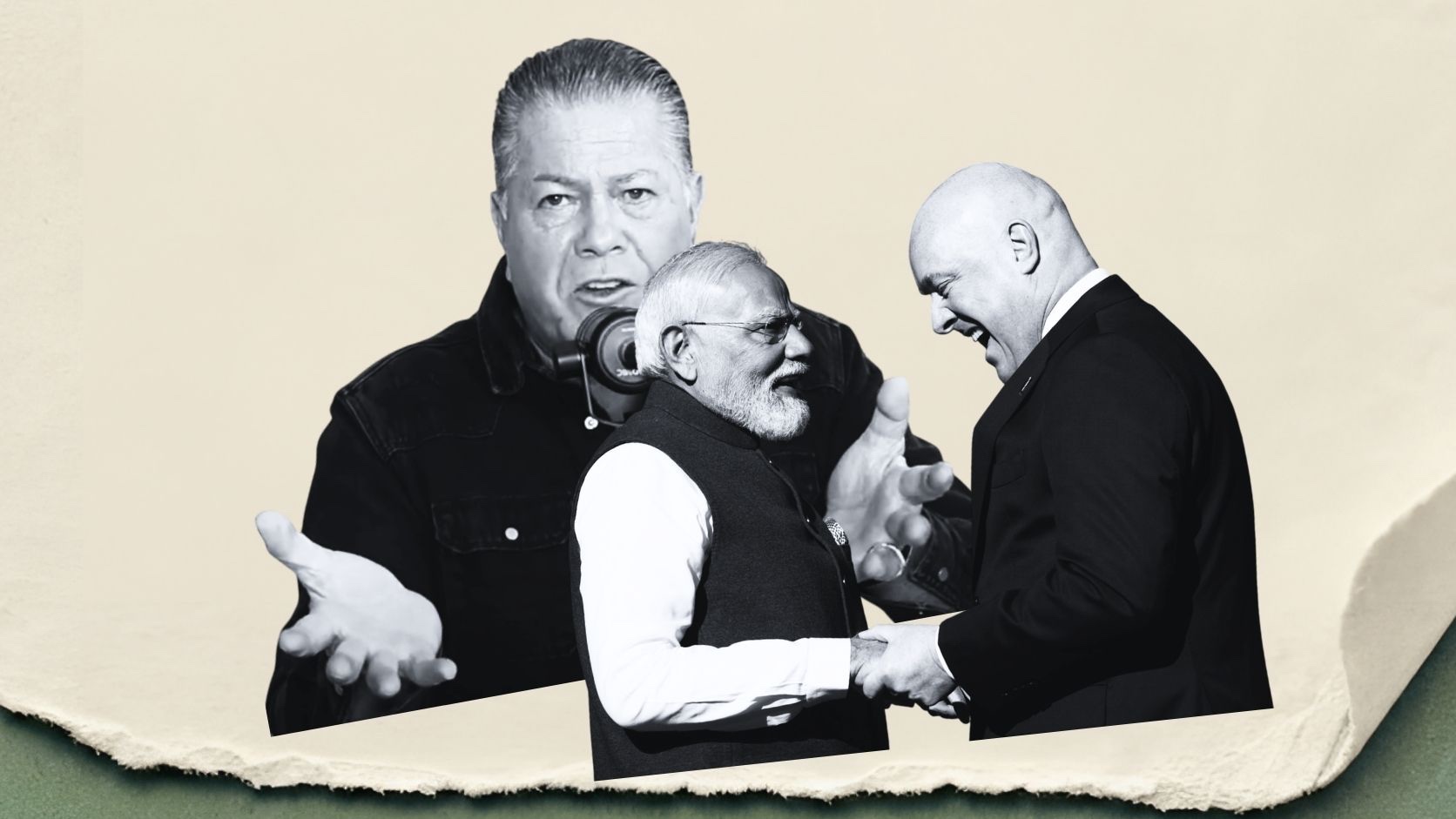
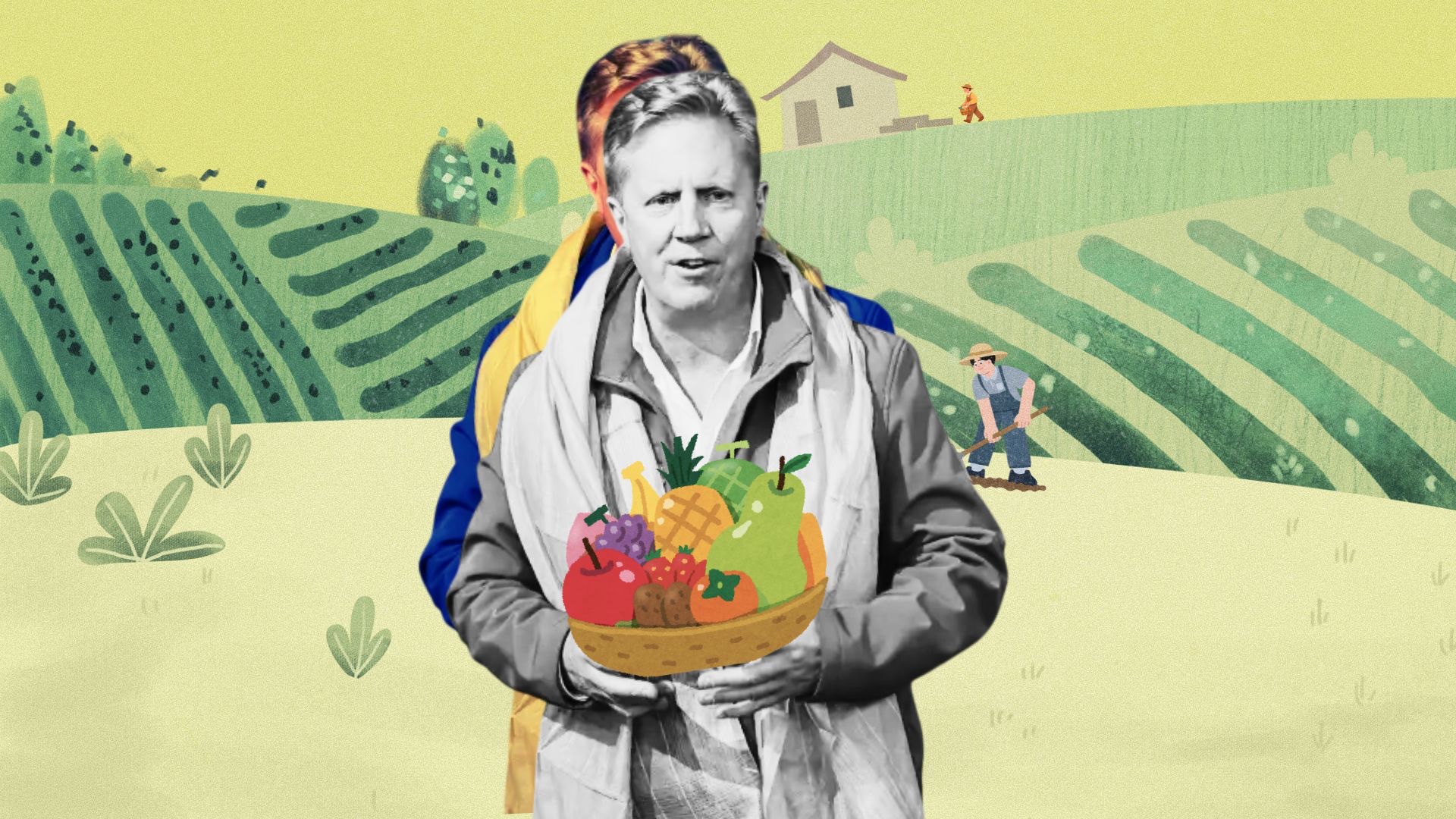
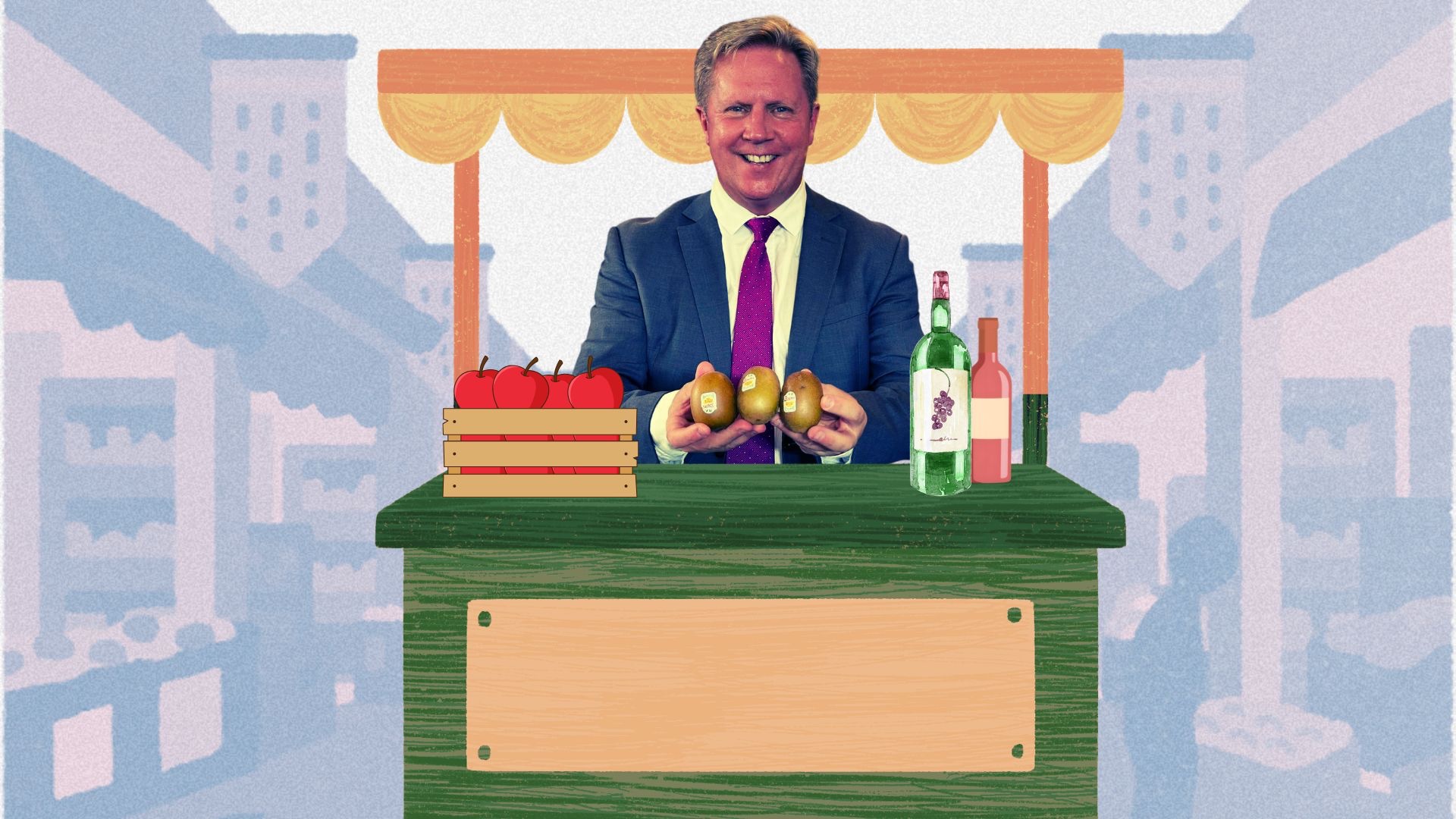
(From left) Shane Jones, Erica Stanford and Winston Peters.
"We argue gratitude should be reciprocal, acknowledging the interdependency between migrants and the state."
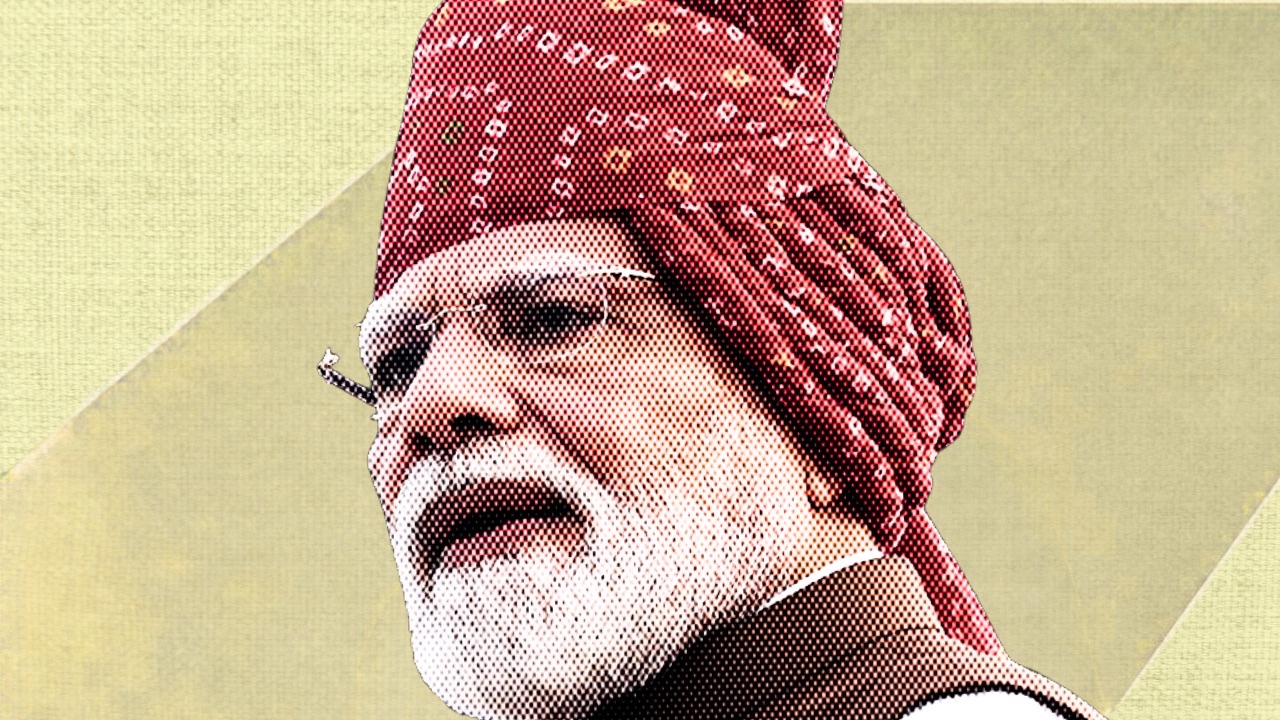
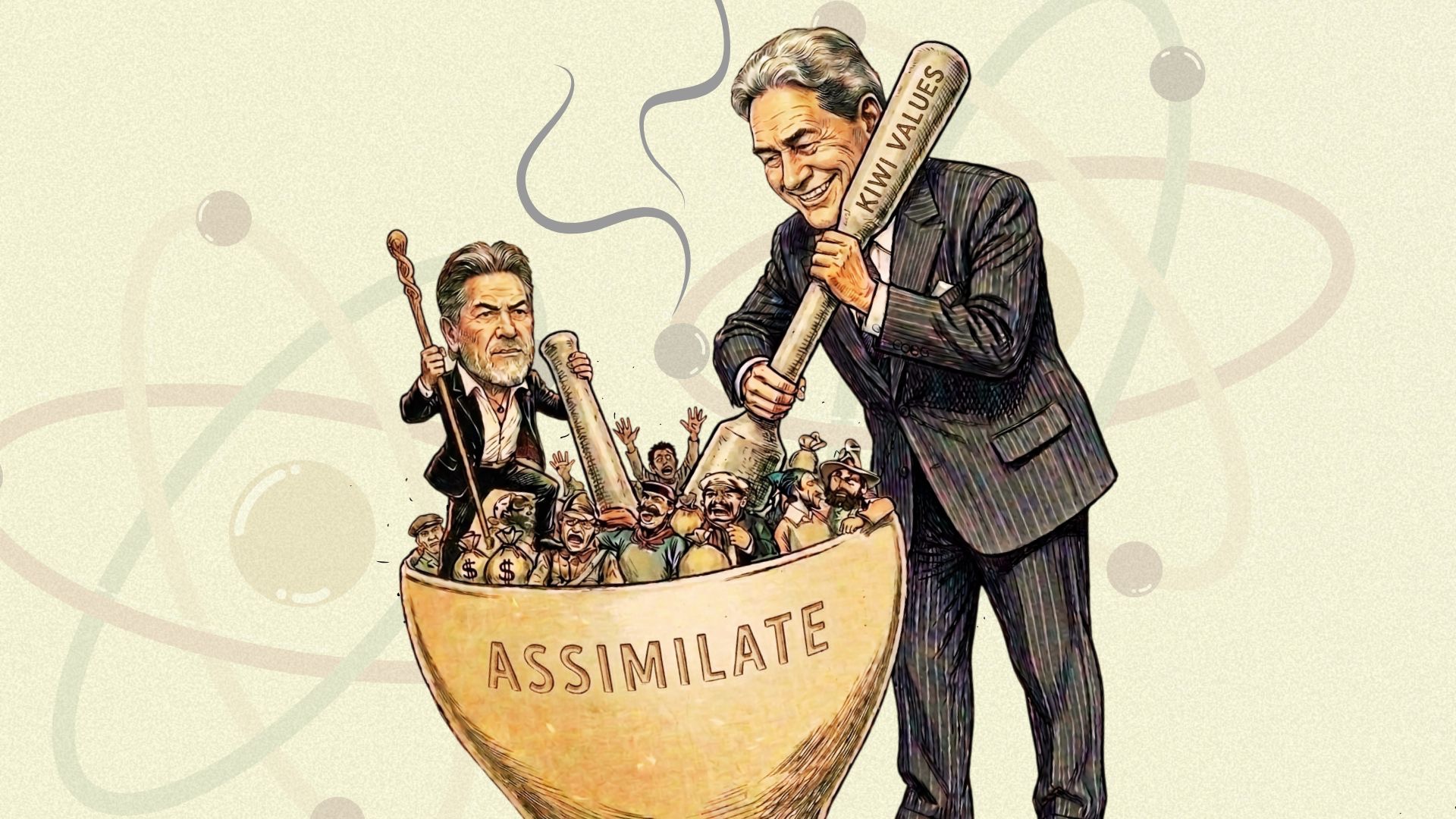
New Zealand First leader Winston Peters is known for targeting immigrants with inflammatory comments about their place in their new country.
He made headlines last year when he urged immigrants who “come here with their ideas, foreign to our country” to “show some gratitude”.
Recently, he doubled down, insisting the “Kiwi dream” was not for just anybody who “decides to come to our great country […] we have built just for their convenience”.
But Peters’ comments are not isolated. They exemplify a broader rhetorical pattern and political strategy: the migrant gratefulness narrative.
Similar rhetoric is used by Pauline Hanson in Australia, portraying immigration as the nation extending a privilege and demanding appreciation and obedience in return.
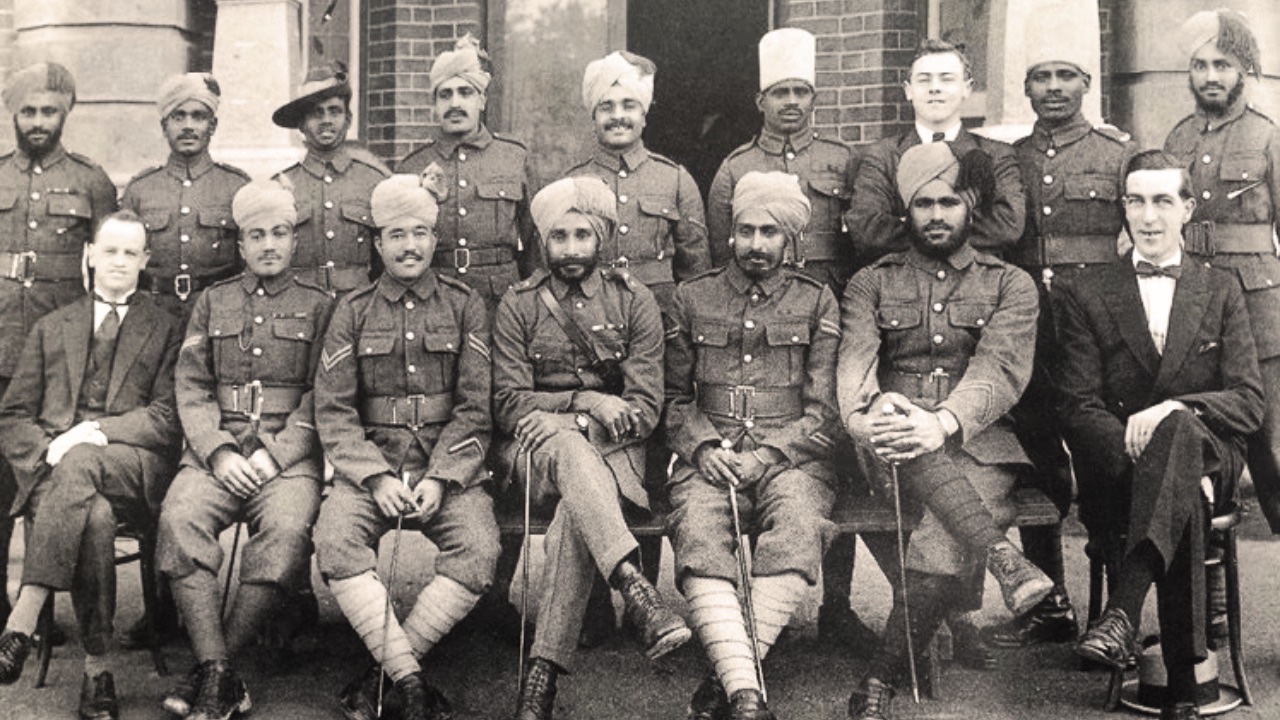
New Zealand hockey gambled £500 on an Indian team a century ago. It's paying off even today Crowds of 25,000, an astonishing 80 goals by one player and a sporting revolution that helped Indian migrants find acceptance.
Tamaki says he was detained in Australia and sent back from airport over Sikhs, Muslims remarks The Destiny Church leader claims Australian authorities considered his presence a risk to Sikh and Muslim communities.
Being Indian and Kiwi at once. How Ajaz Patel's 10-wicket haul brought his two worlds together A historic moment in Mumbai left the Black Caps spinner reflecting on something far deeper than cricket.
As our new research shows, migrants often absorb these expectations into their own sense-making.
We worked with older Chinese people who migrated to Aotearoa New Zealand as young adults and found they internalised and reproduced gratefulness as important to their life experiences as migrants.
They used gratefulness to explain lifetime experiences of racism, suggesting that when migrants experience discrimination, it is due to a lack of gratitude.
They framed poor treatment and racism as inevitable, as part of “human nature” – something to be endured rather than challenged.
Migrants as indebted guests
Gratefulness narratives are a powerful rhetorical tool used strategically by political leaders. They reframe the state as benevolent and access to public services as a gift rather than a right, only afforded to those who are “deserving” and grateful.
Access to services, fair treatment and transparent processes become conditional. Something migrants must earn through displays of appreciation.
This narrative positions migrants as forever indebted guests rather than rightful members of society.
Politicians deploy these narratives to redirect public frustration and incite nationalist fears. When economic pressures and social problems are blamed on migrants, it shifts the focus away from policy failures that limit opportunities for all – foreign and local-born citizens.
The systemic arrangements that create and maintain these economic and social problems remain unaddressed. Instead, an already marginalised group of people is offered up as a convenient scapegoat.
Why this narrative is harmful
This rhetoric of gratefulness is highly successful at fulfilling two core functions.
First, it acts as a smokescreen. It diverts attention from political inaction by offering a simple explanation for complex problems and a group to point the finger at.
Second, it works to silence legitimate grievances regarding how migrants are treated. Instead, migrants who raise concerns are framed as ungrateful and unappreciative.
Political leaders create the expectation of gratitude, which filters through to the rest of the community to shape beliefs about how migrants should conduct themselves.
This includes migrants themselves. The Chinese migrants in our study talked about finding strategies for negotiating racism and resisting stereotypes so as to fit in and present themselves as good, contributing members of the host society.
This internalisation is not accidental. This is precisely how gratefulness narratives are designed to work. Migrants’ gratitude for whatever treatment they receive helps maintain the political status quo.
When migrants believe discrimination is inevitable, it suggests no alternative arrangement is possible. This shifts responsibility from politicians to create conditions of equity to migrants who are left to manage discrimination and racism on their own.
Taking personal responsibility for experiences of discrimination reflects neoliberal ideology. “Good” migrants work hard, stay quiet and show their appreciation. In return, they earn the (conditional) right to belong.
Who should be grateful?
The irony is that Aotearoa New Zealand’s economic wellbeing is heavily dependent on migrant labour.
Migrants contribute a disproportionately high share of income tax. Migration is also the main contributor to population growth.
Without migrant labour, New Zealand’s superannuation system would be unsustainable.
Despite relying on migrants to sustain the economy, political leaders continue to demand gratitude rather than offering it.
Given this reality, the expectation that migrants perform gratitude for the benefits and opportunities they are entitled to as tax-paying residents is misplaced.
Maybe the state should instead show some gratitude to migrants for choosing Aotearoa New Zealand at a time when the country is in urgent need of their skills, labour and contributions.
To strengthen social cohesion, we argue gratitude should be reciprocal, acknowledging the interdependency between migrants and the state. Community is not best strengthened through partisanship and competition to belong, but through recognition of mutual benefit.
(This column was first published in The Conversation. Ágnes Szabó is associate professor, Te Herenga Waka — Victoria University of Wellington; Mary Breheny is research associate, Te Kunenga ki Pūrehuroa – Massey University.)