Sikh Nagar Kirtan: NZ's new human rights statement makes public religious expression explicit

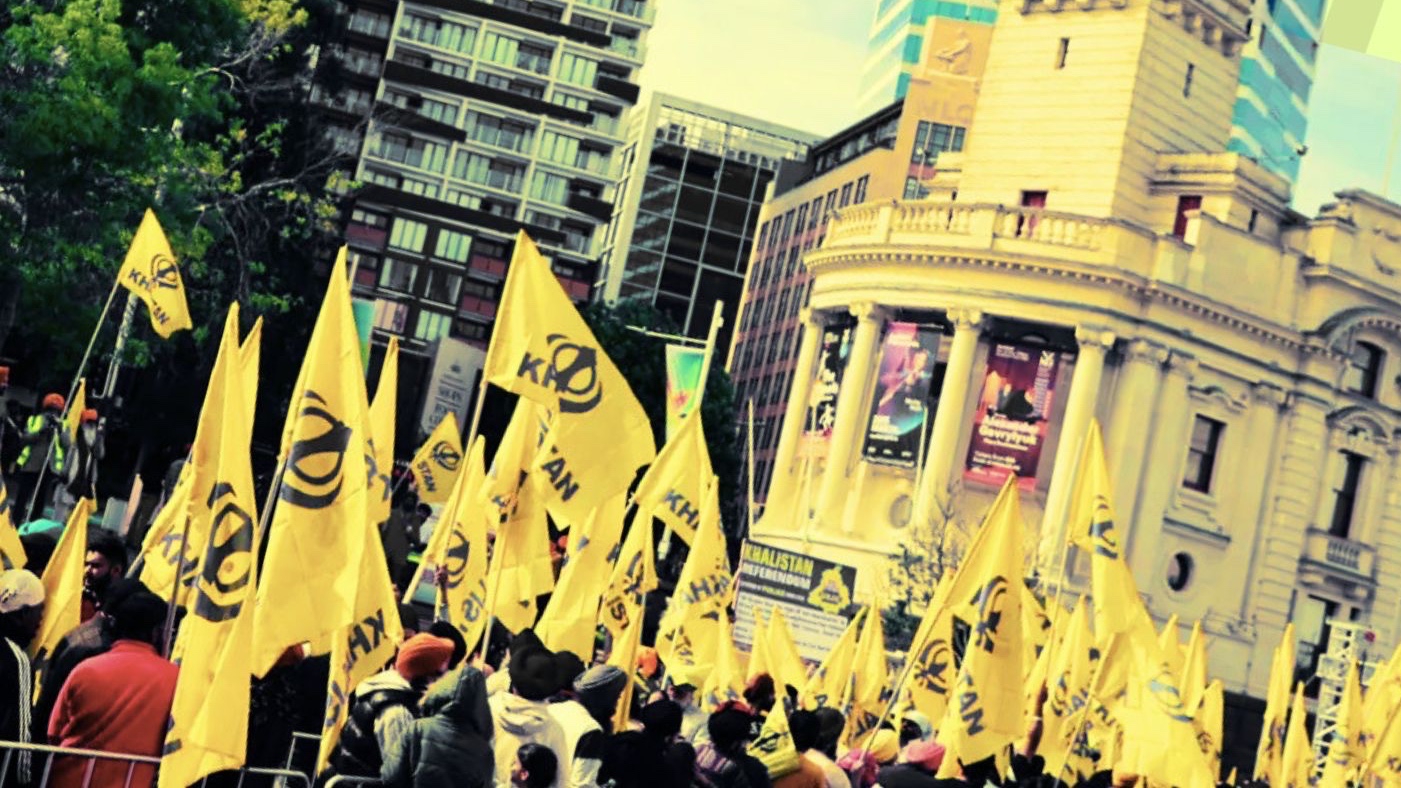
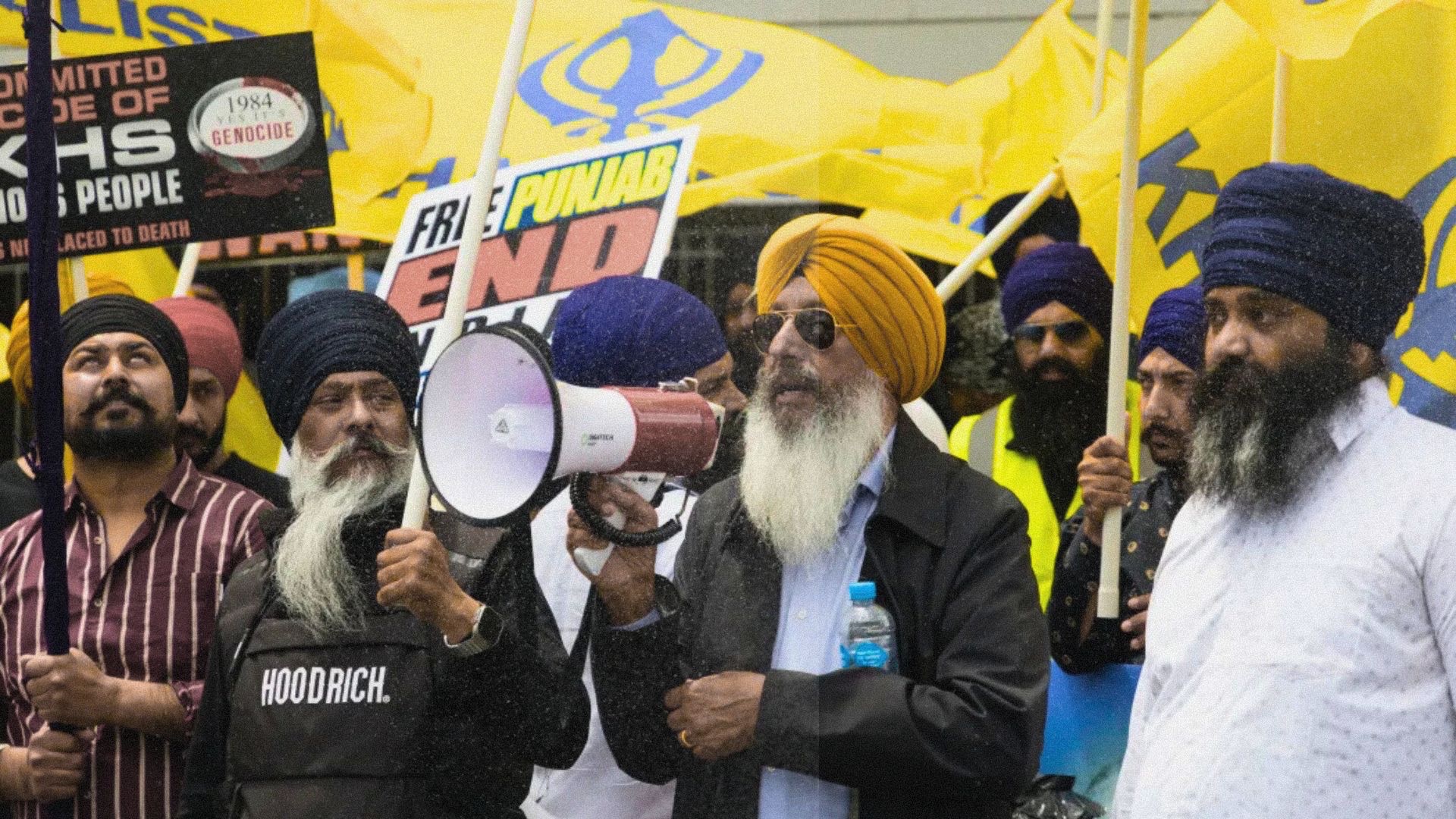
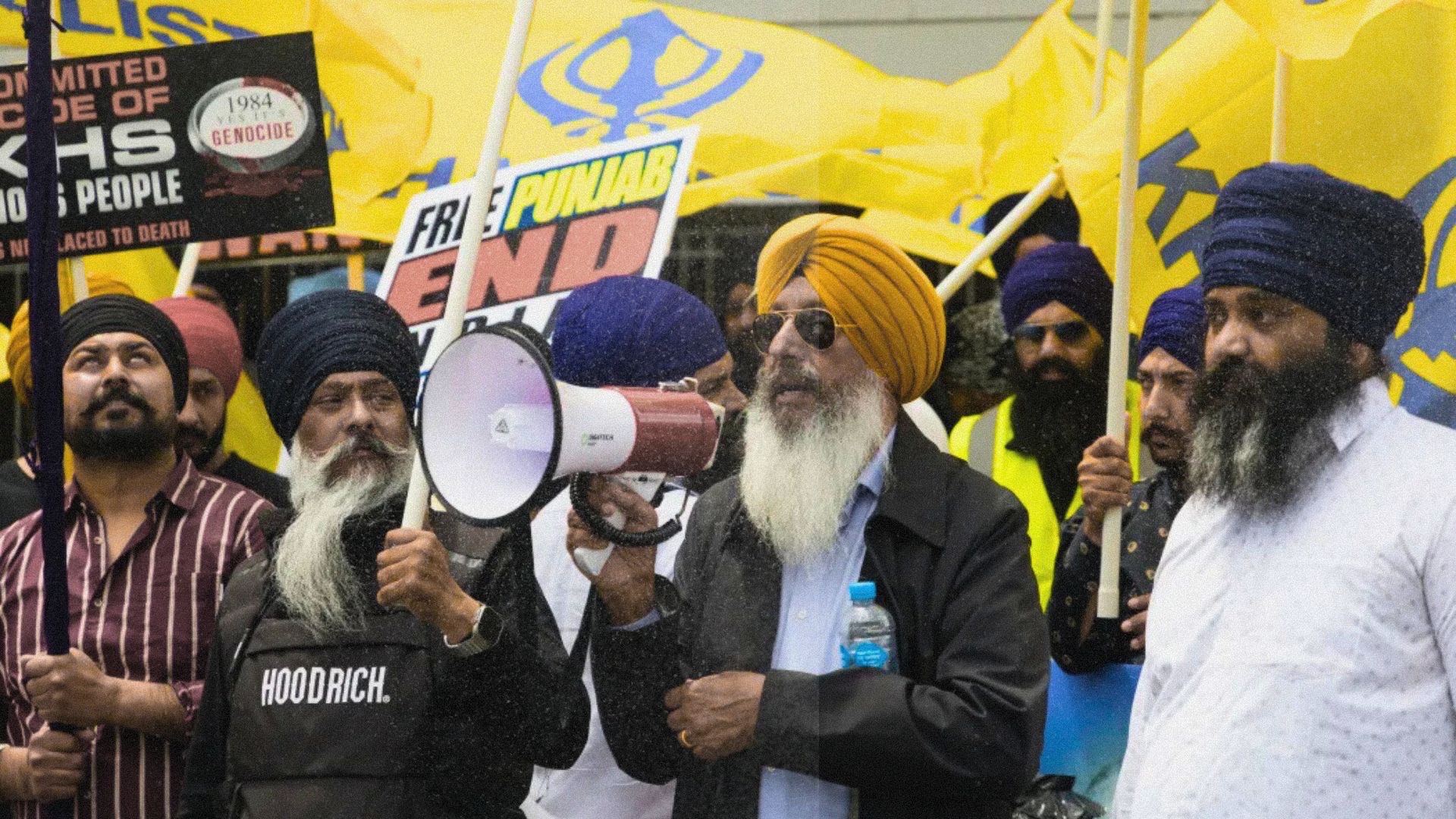
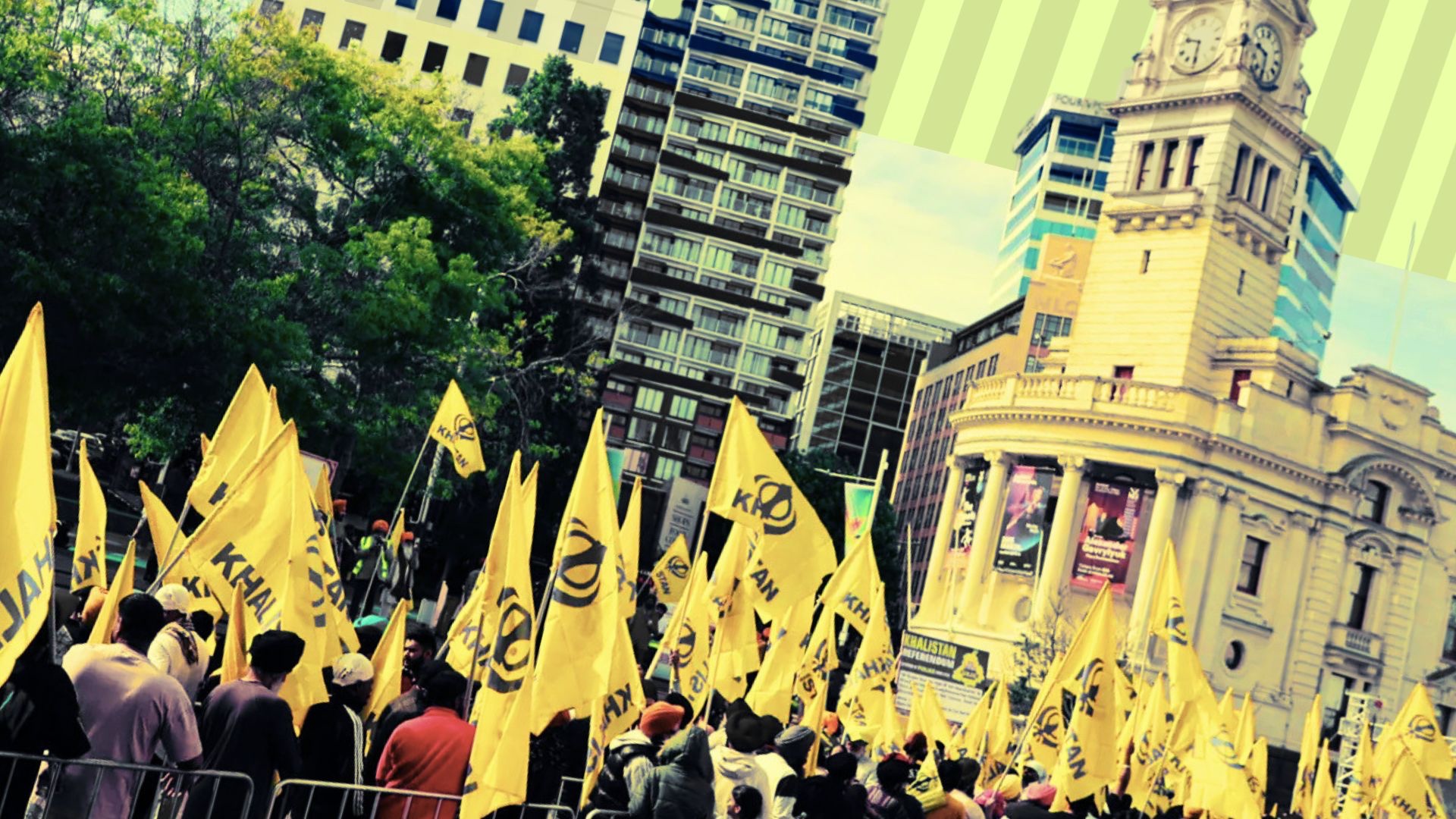
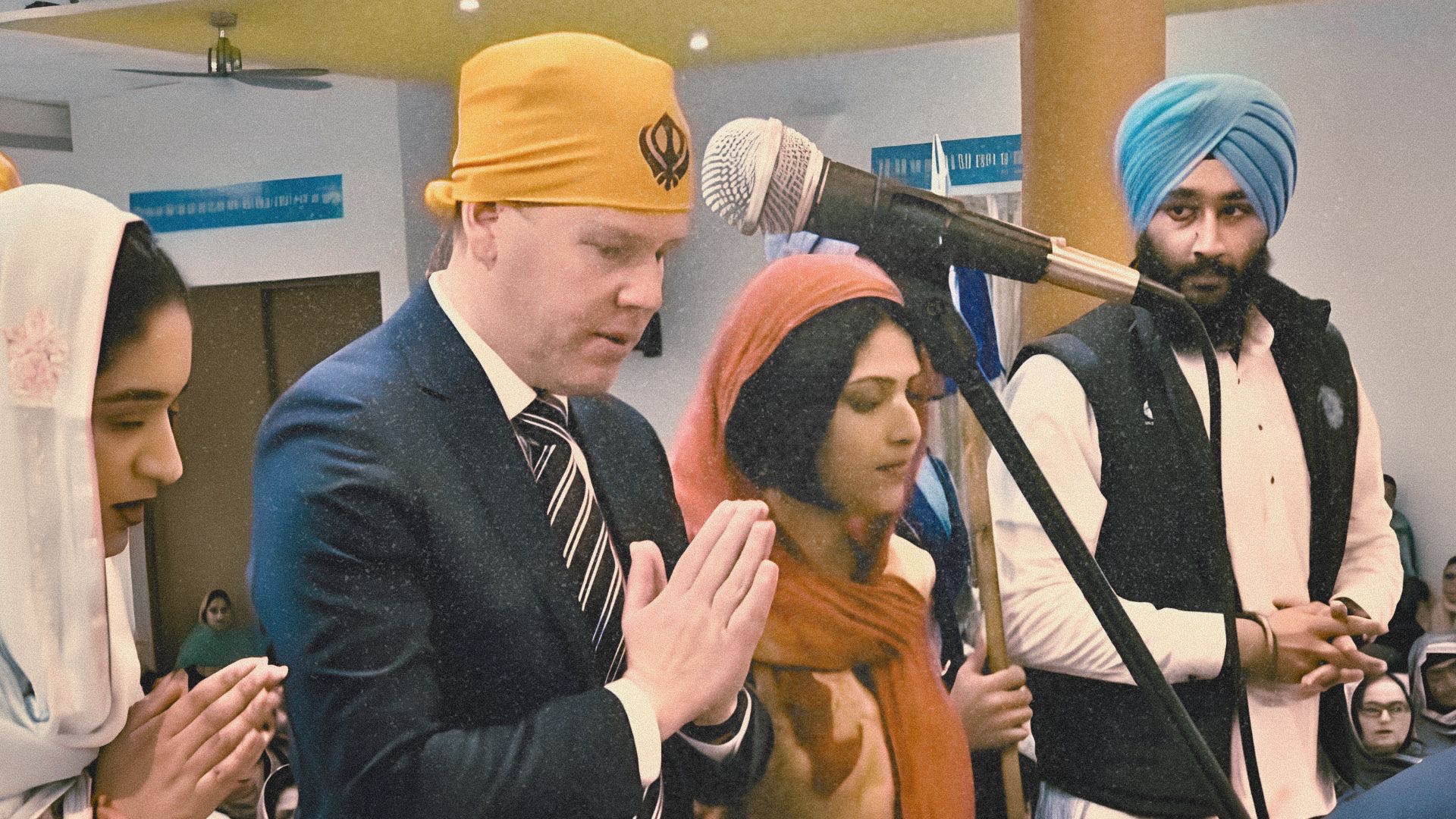
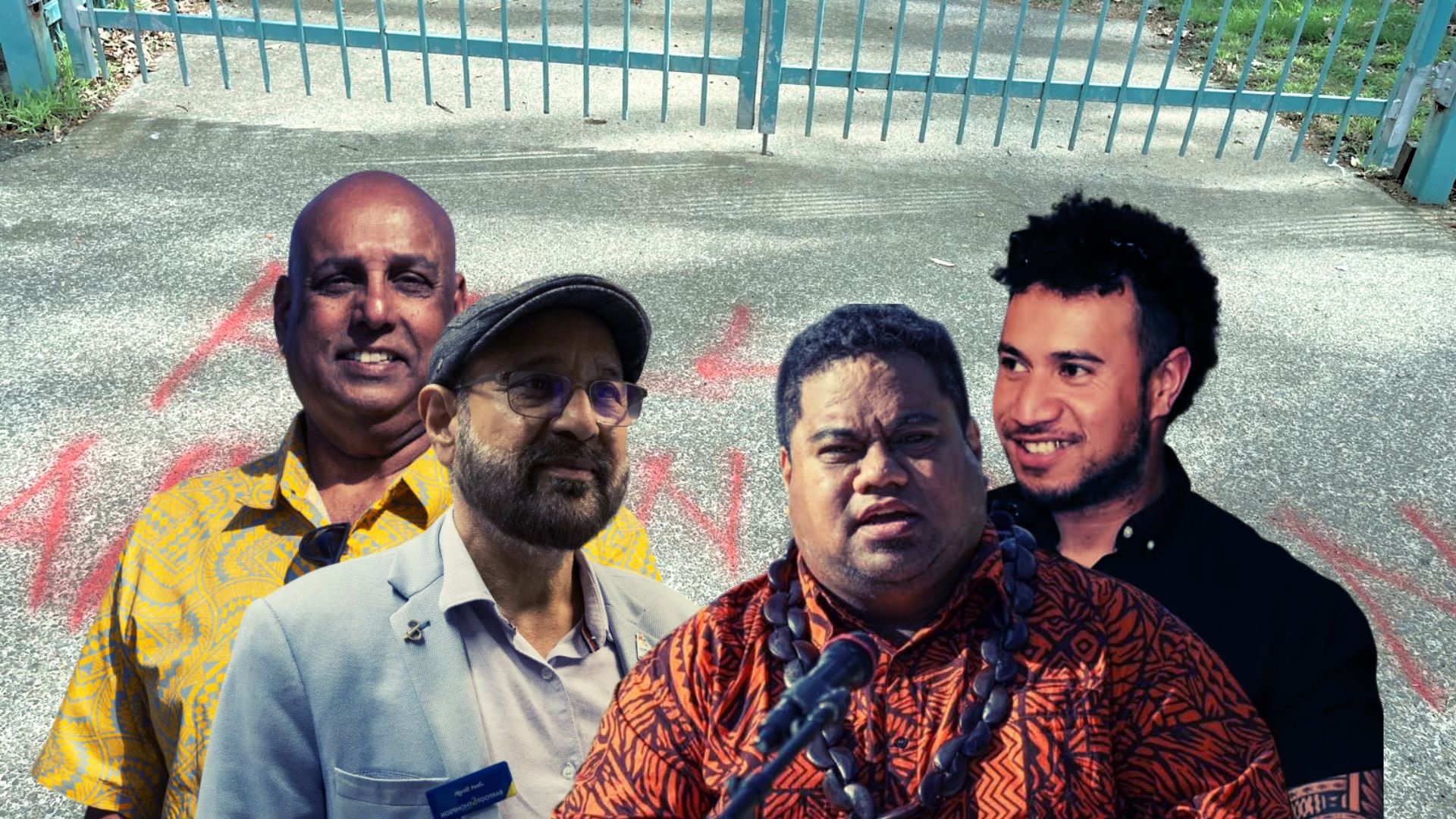
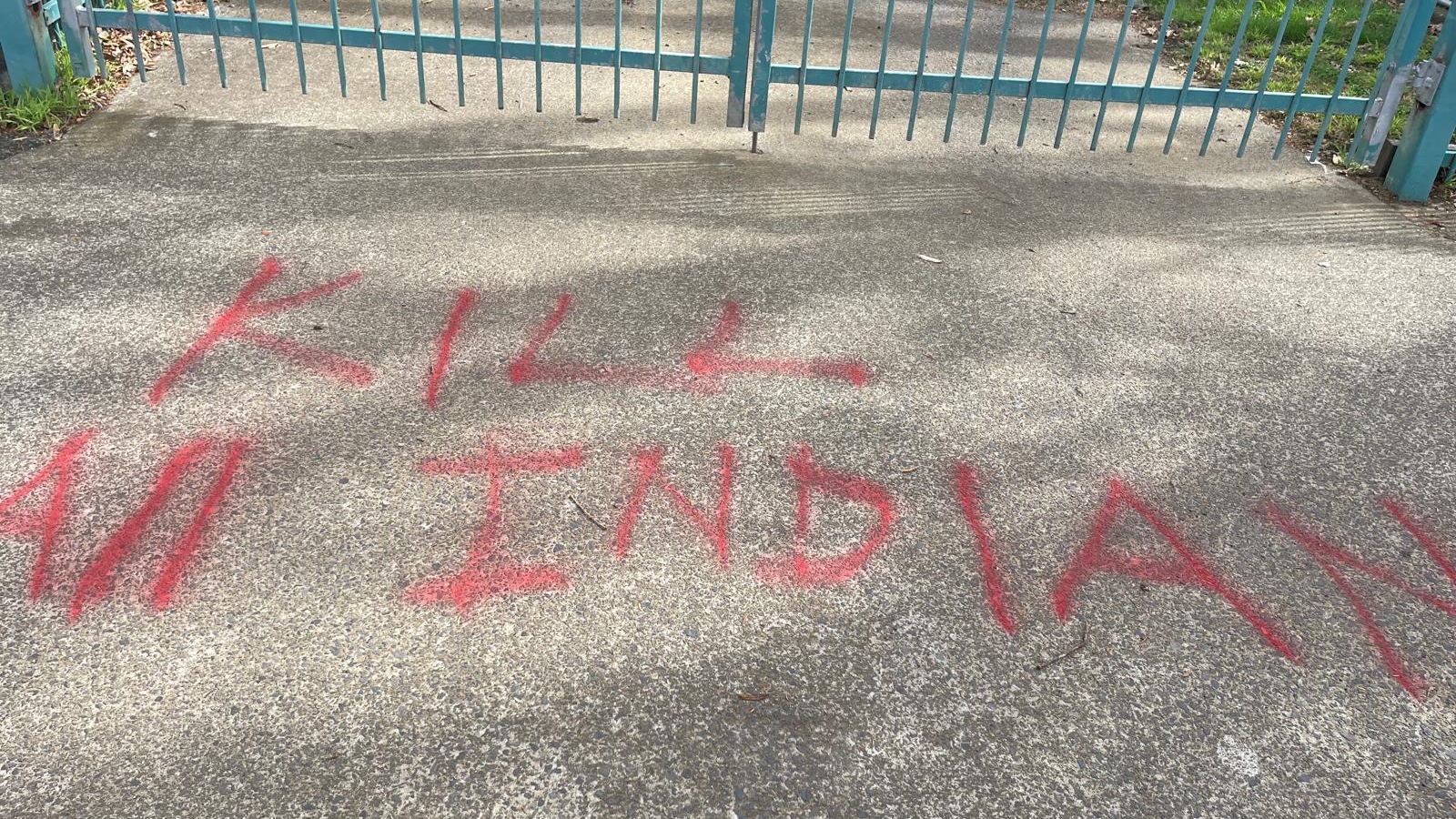
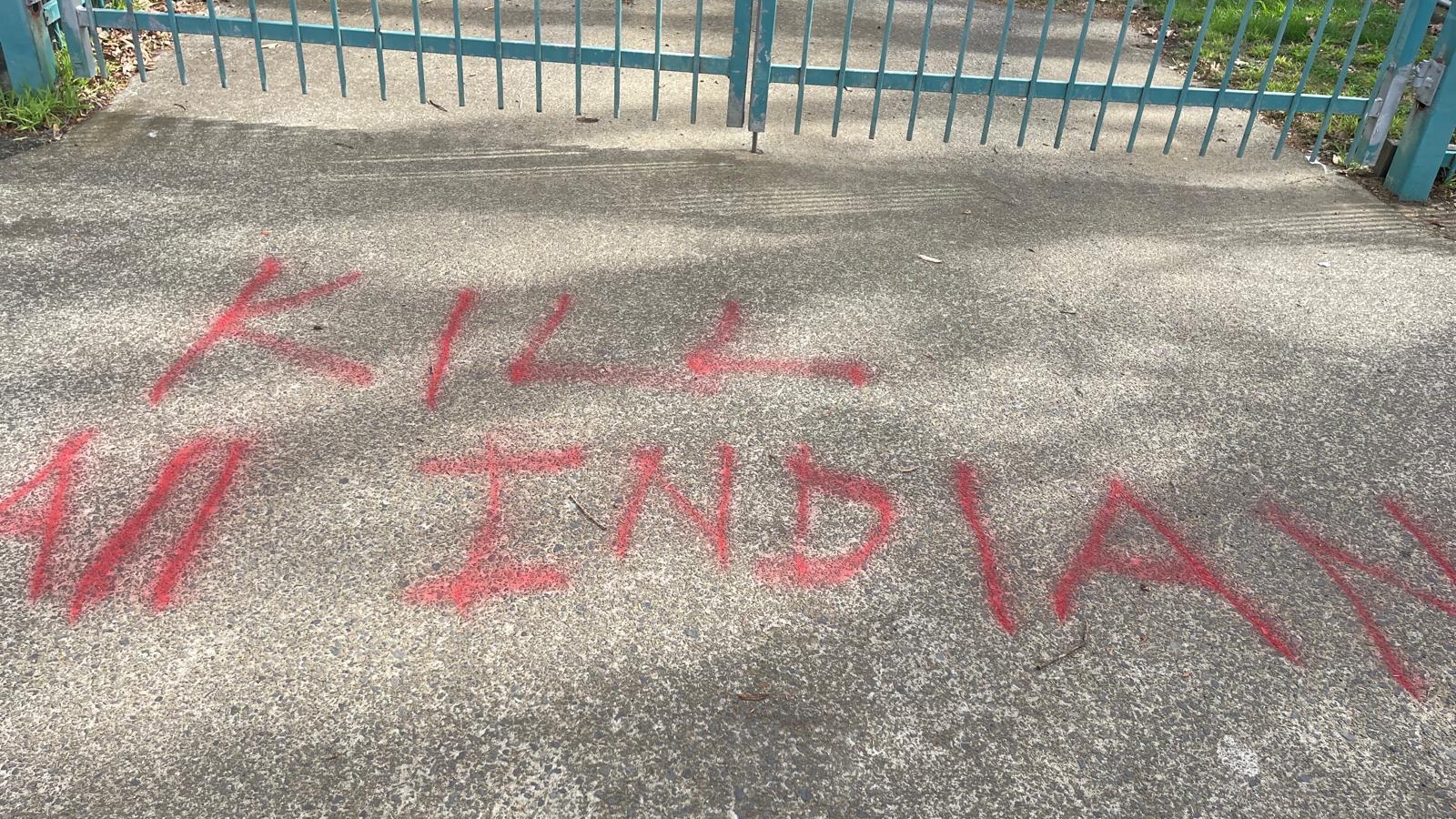
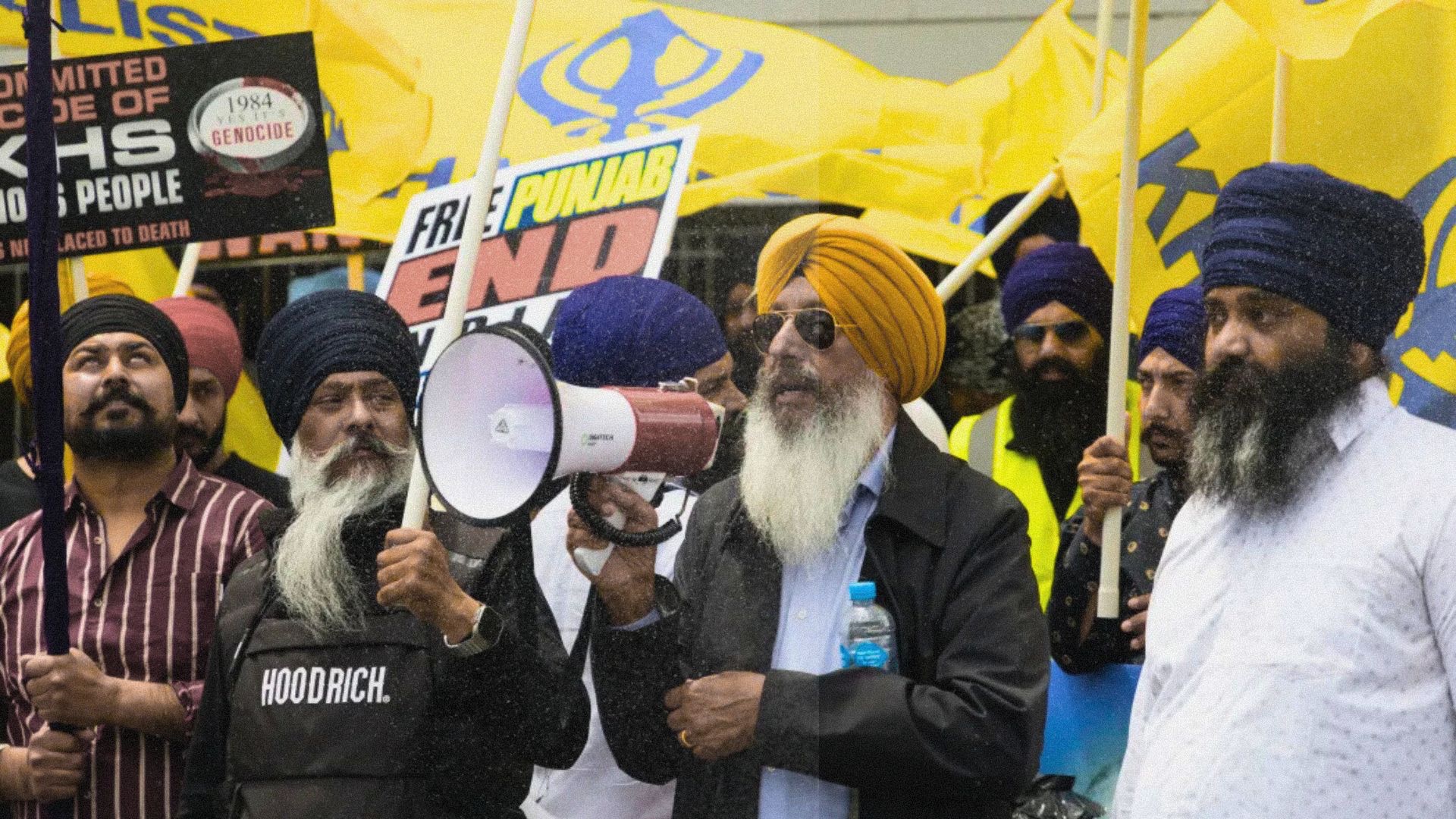
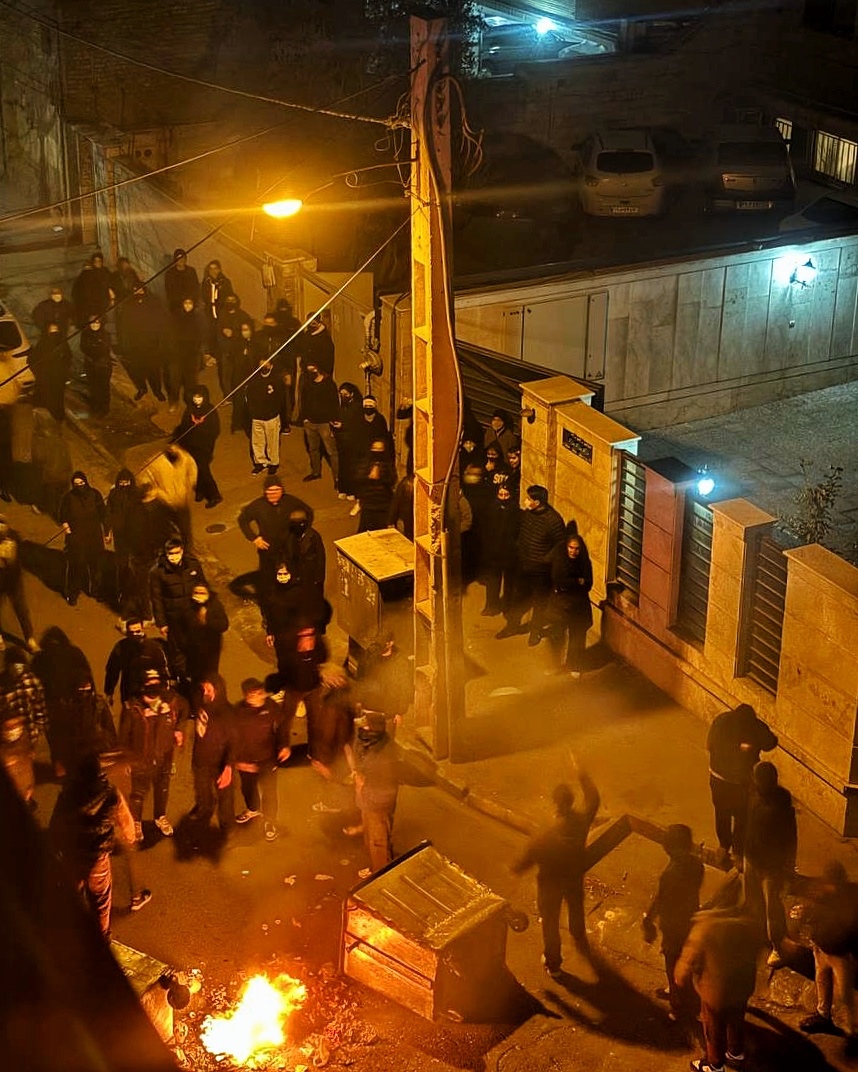
Protestors obstruct a Sikh procession in South Auckland in December 2025. (Supplied photo)
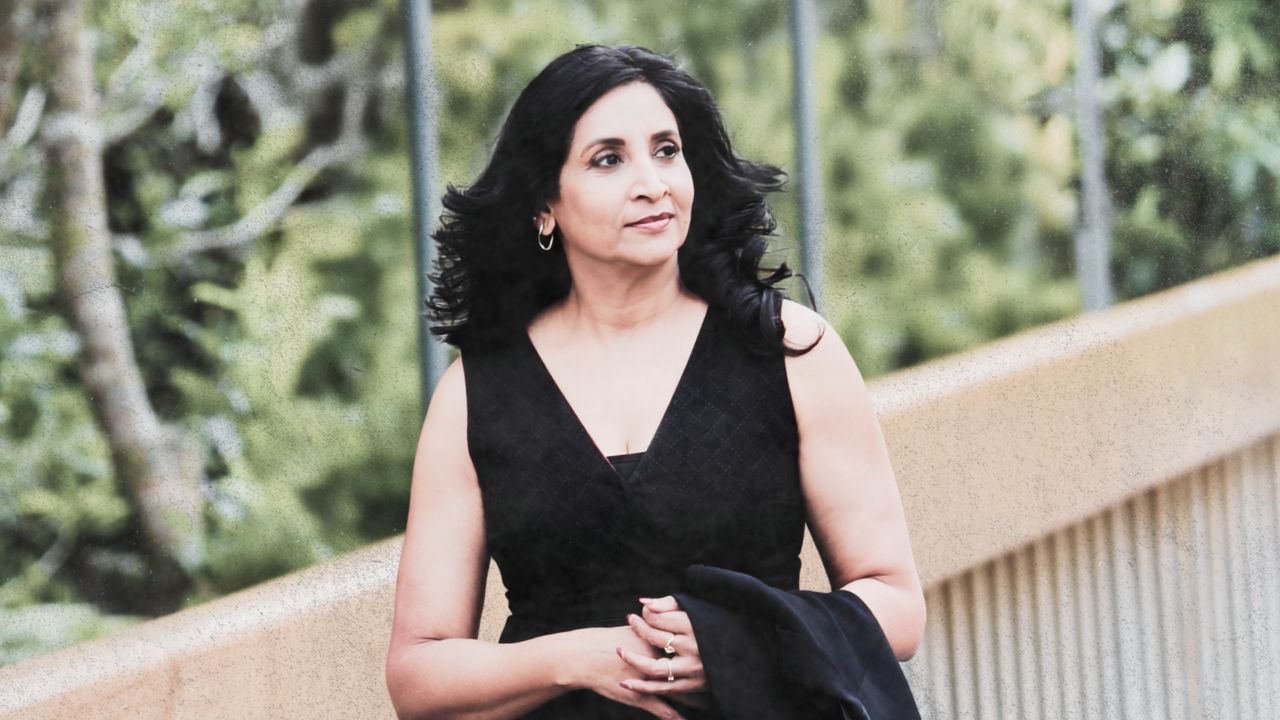
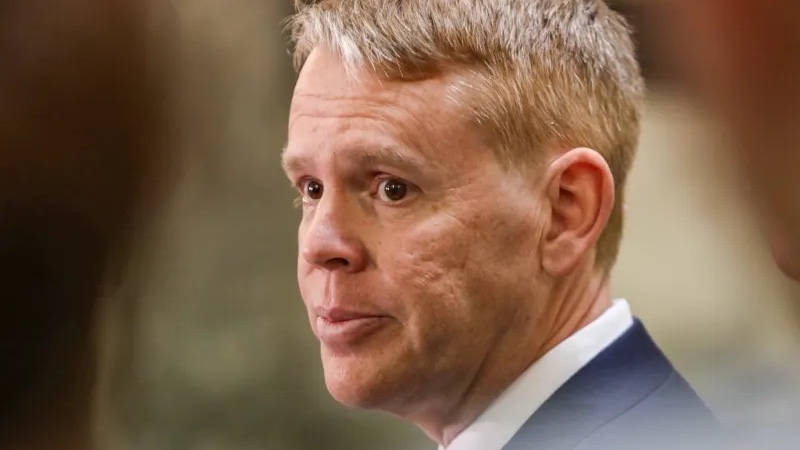
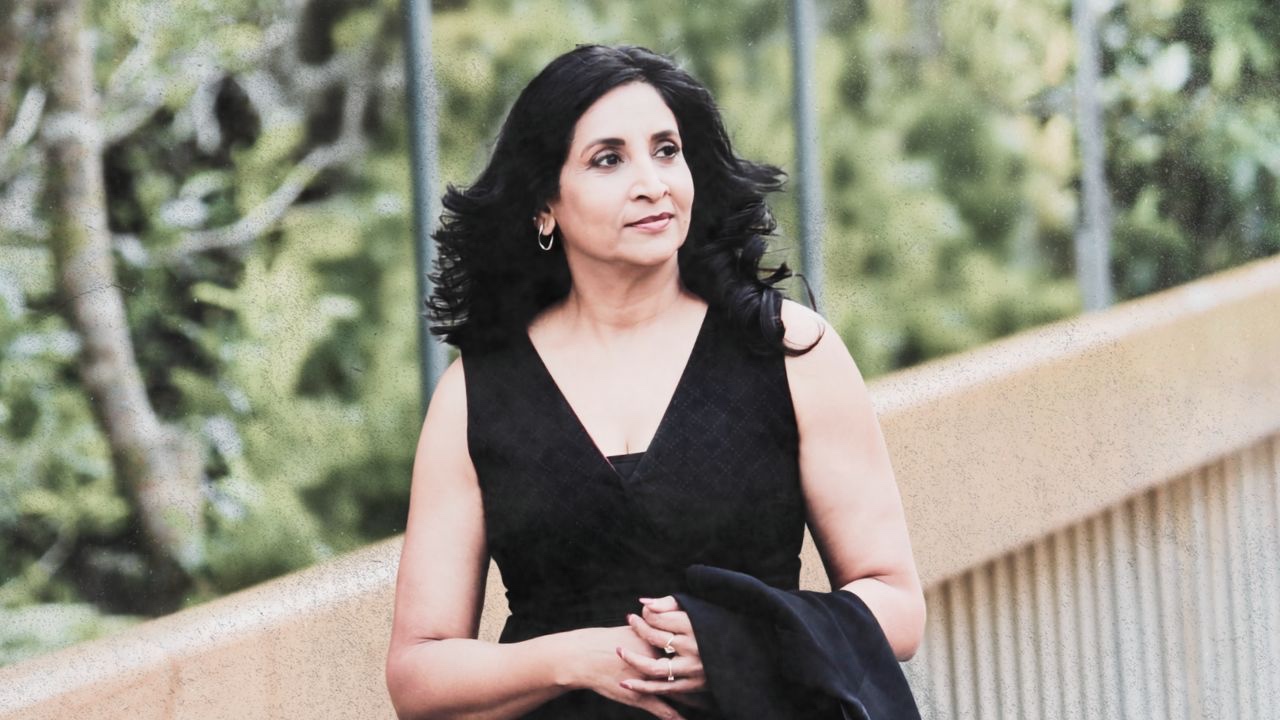
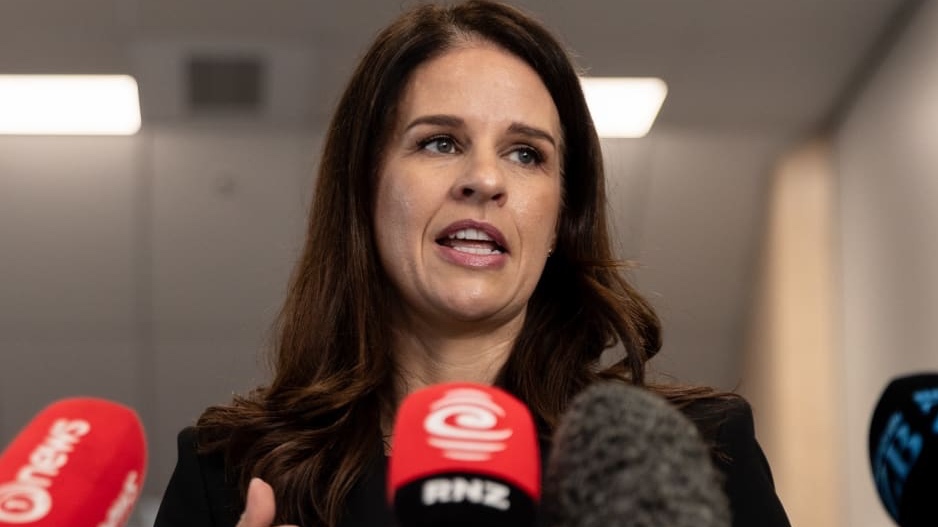
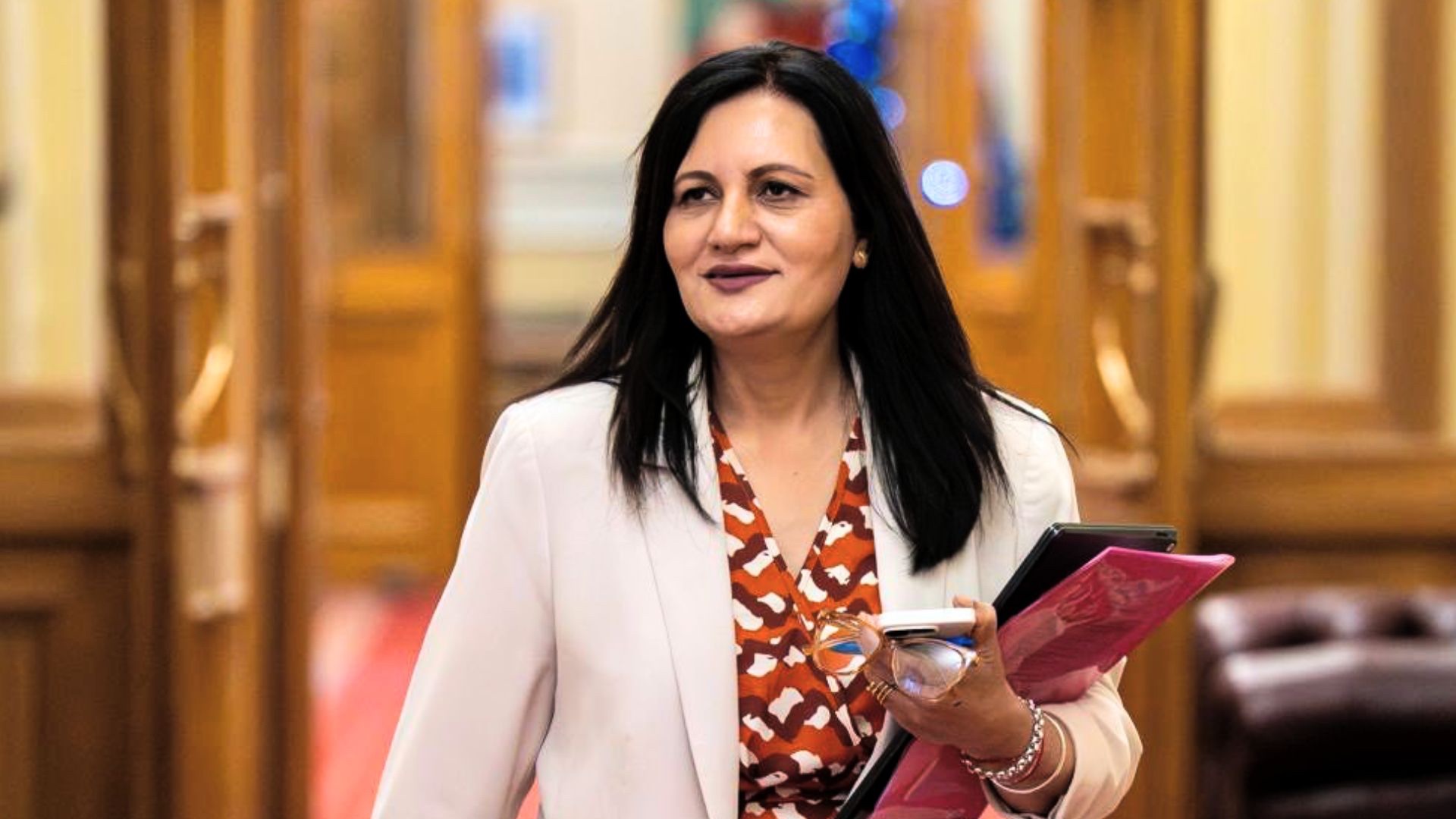
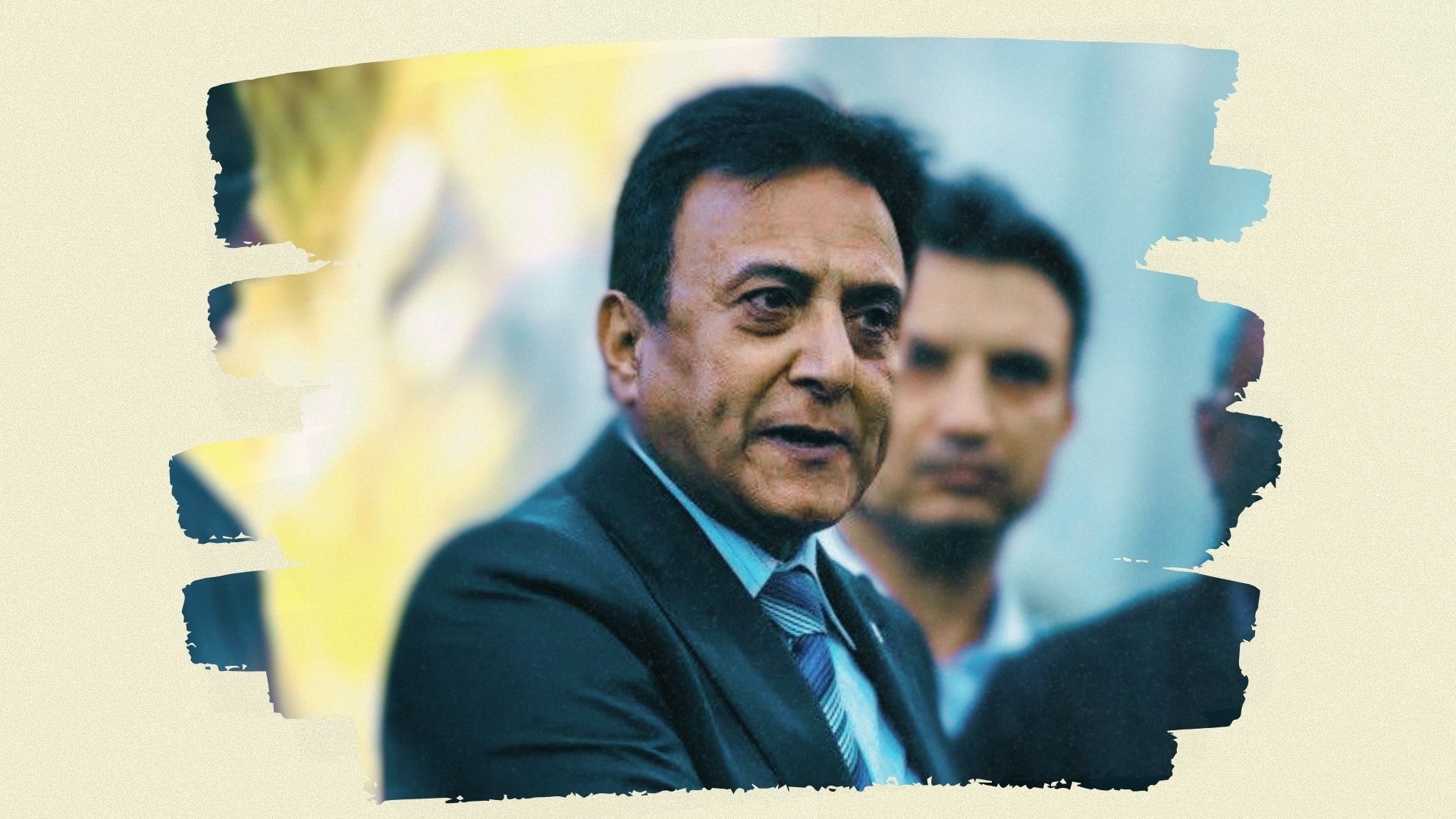
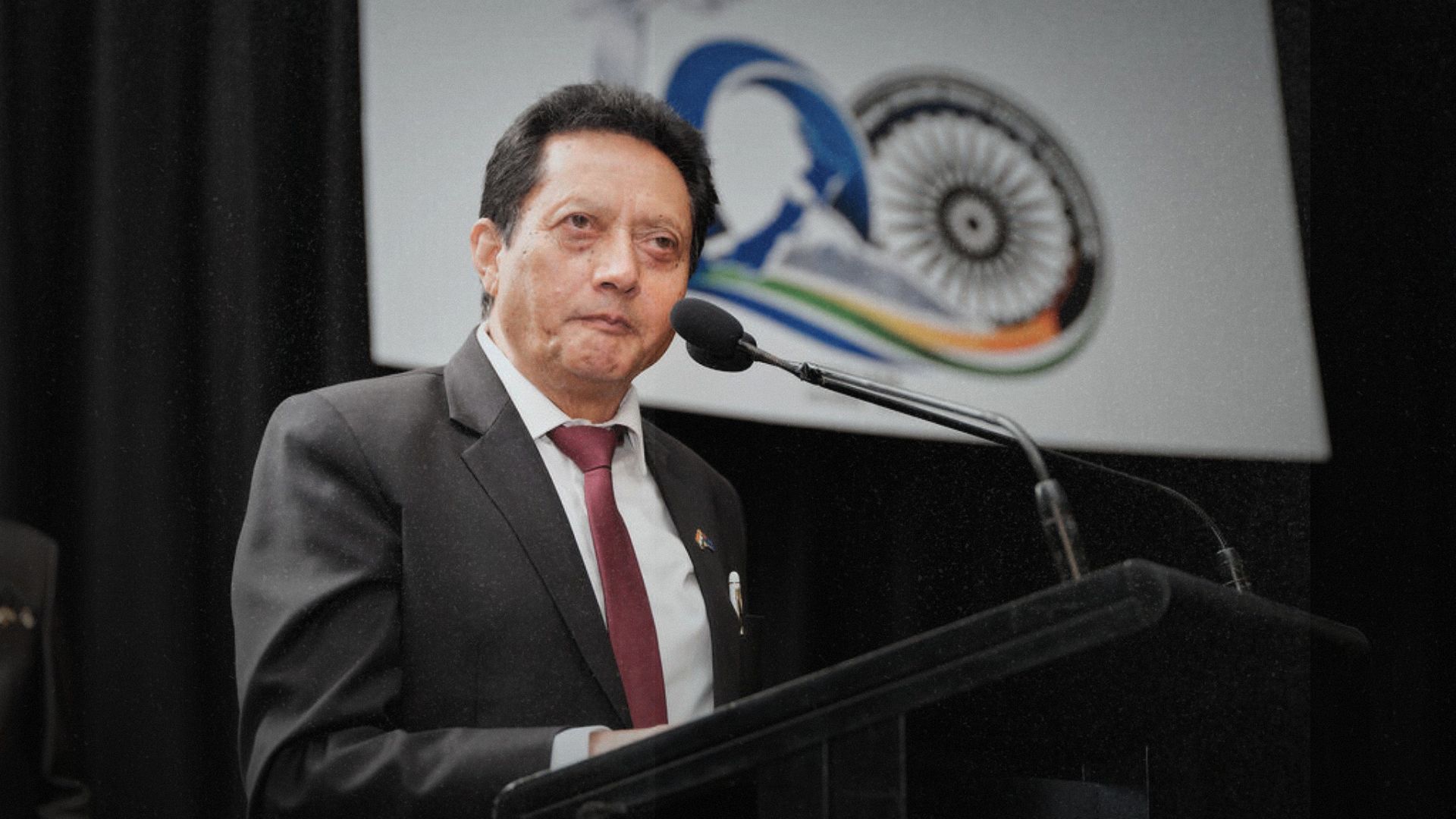
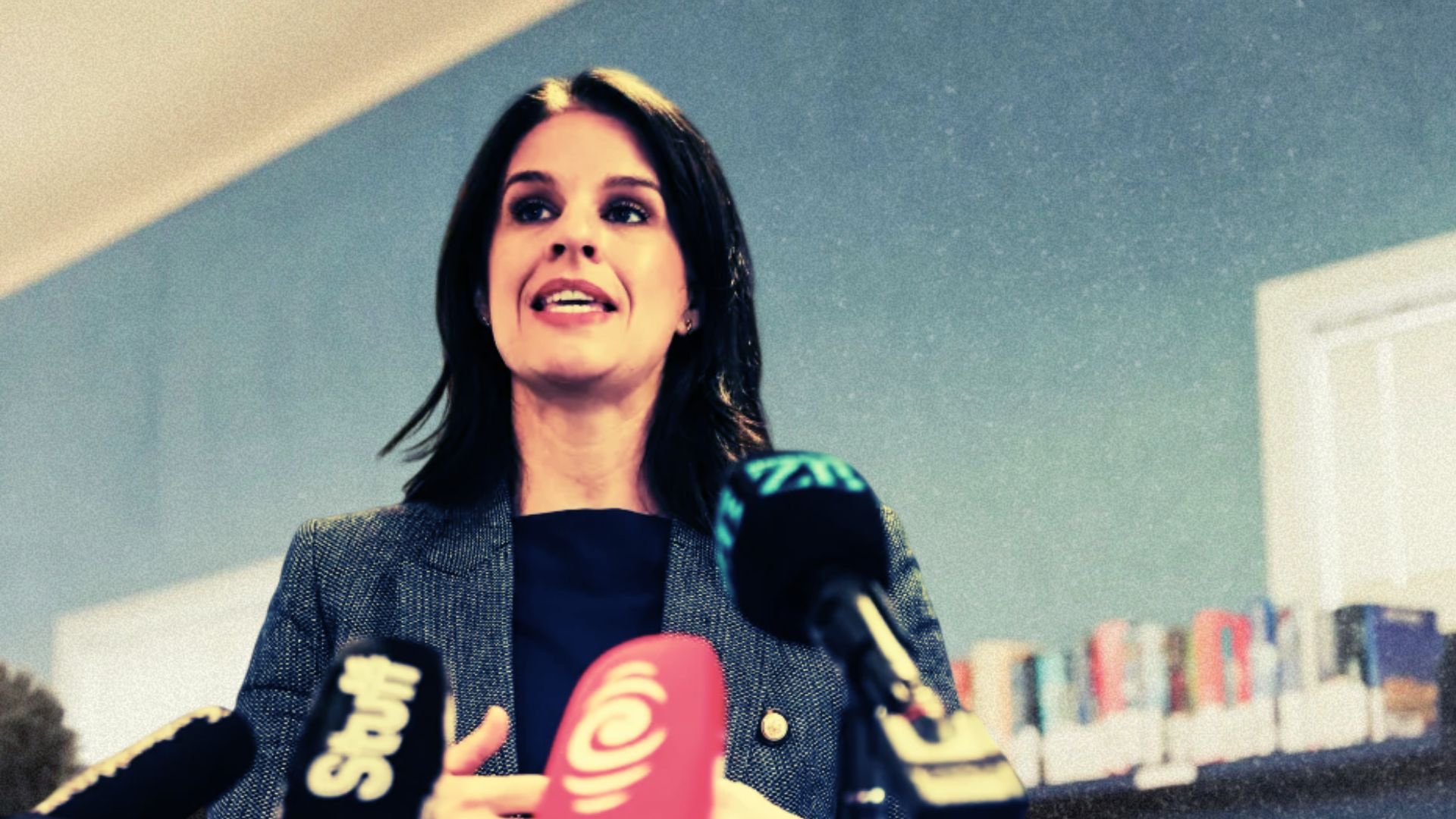
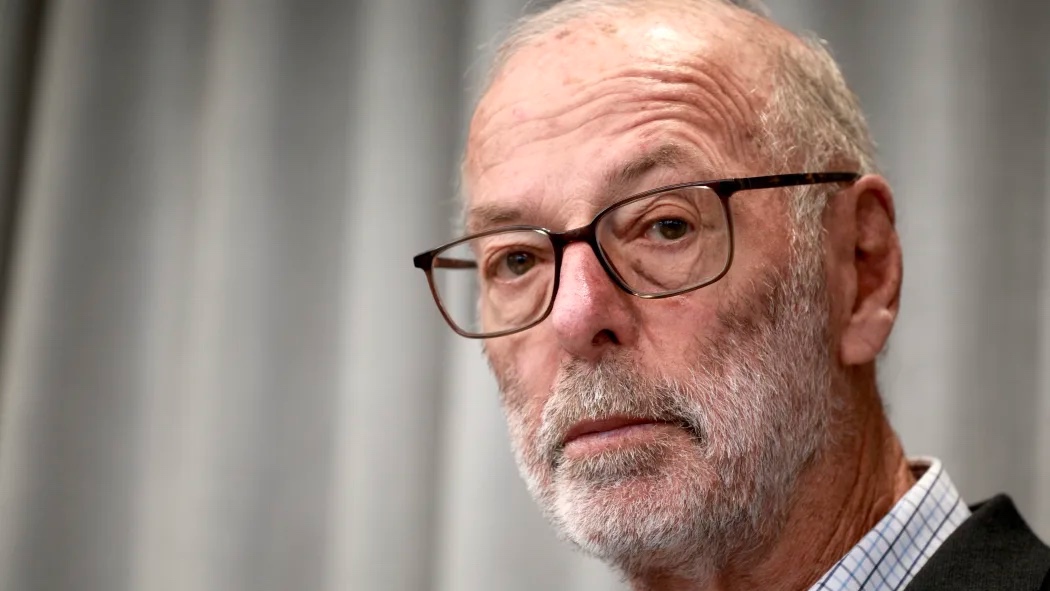
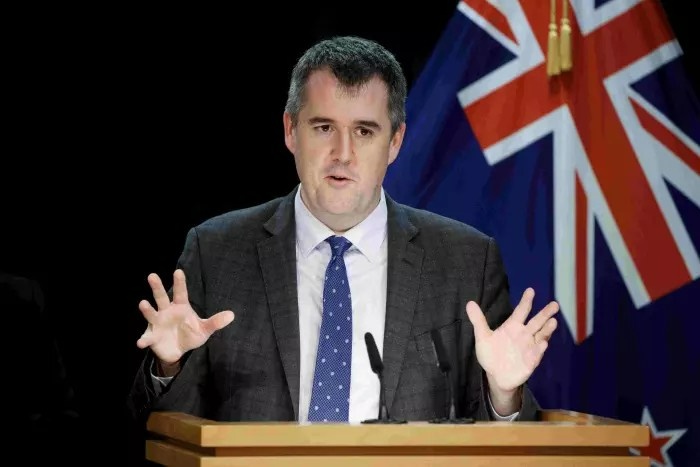
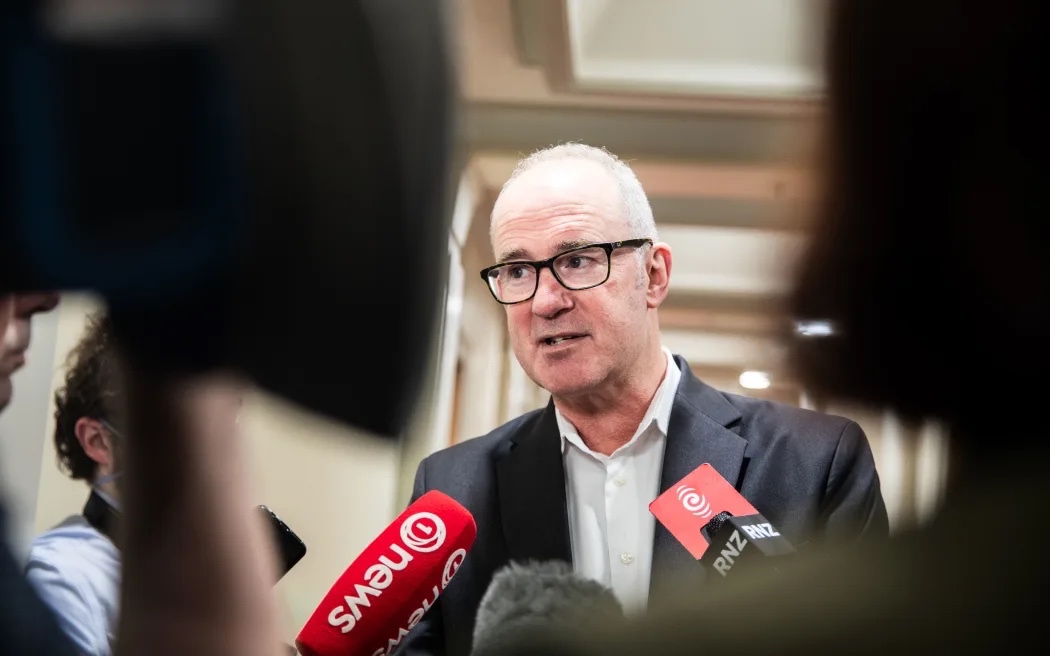
"It should be understood as clarifying rights already guaranteed under the New Zealand Bill of Rights Act," says race relations commissioner Melissa Derby.
New Zealand’s latest Statement on Religious Diversity has made public religious expression explicit, at a time when Sikh public processions are becoming flashpoints over visible faith in public space.
The fourth edition of the statement, published by Te Kāhui Tika Tangata Human Rights Commission, says the state has an important role in helping faith communities practise and express their faith not only privately, but publicly.
The Statement on Religious Diversity is not a law. It is a national human rights statement intended to explain how established rights and responsibilities around religious diversity apply in New Zealand’s social context.
“The State plays an important role in ensuring that faith communities can practice and express their faith privately and publicly, and protect their ability to do so free from discrimination,” the fourth edition reads.
It also says a balance must be struck to allow faith communities to “genuinely practice, express, and sustain their beliefs in both public and private life”, while respecting the law and the rights of others.
New Zealand hockey gambled £500 on an Indian team a century ago. It's paying off even today Crowds of 25,000, an astonishing 80 goals by one player and a sporting revolution that helped Indian migrants find acceptance.
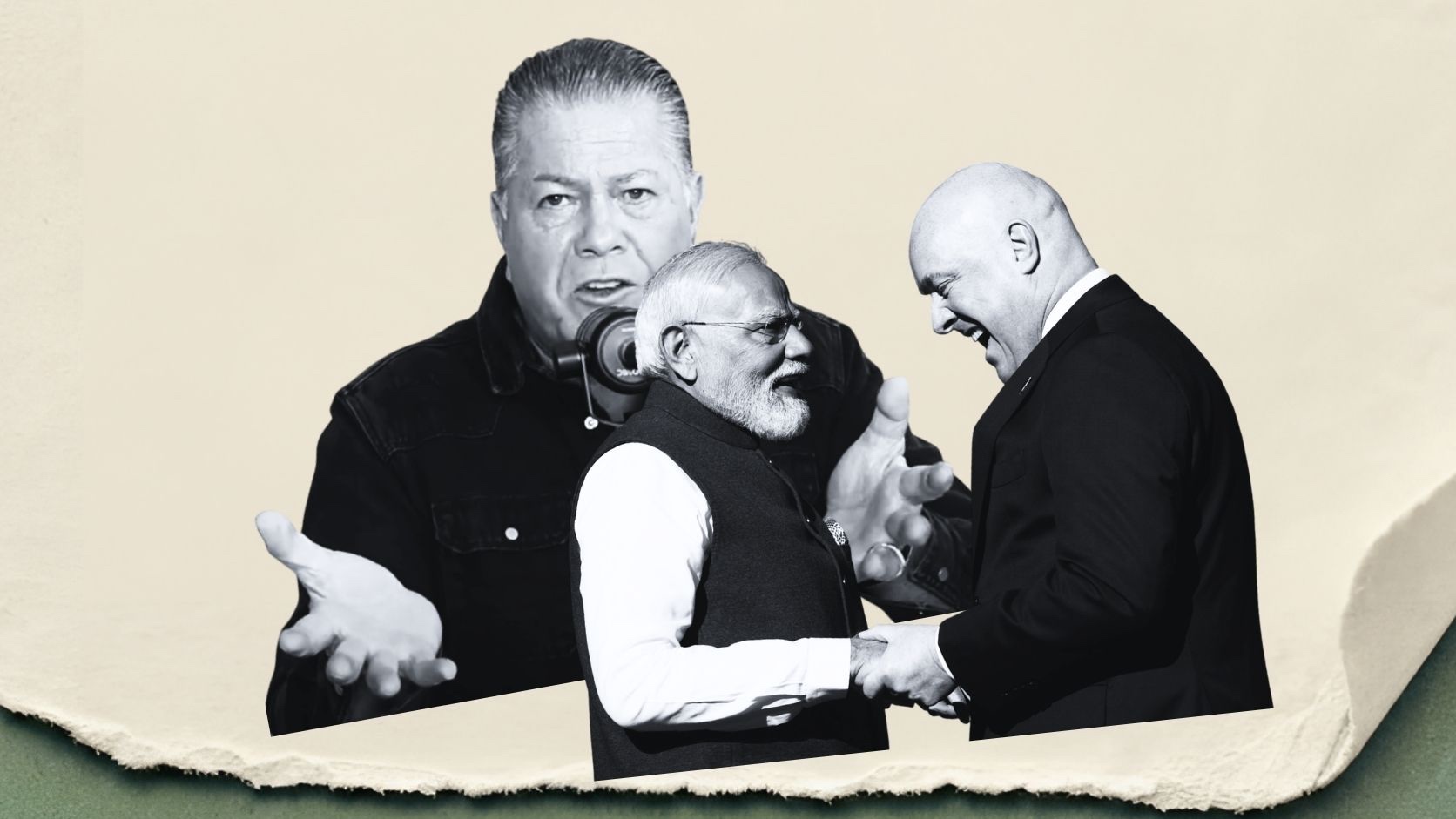
Tamaki says he was detained in Australia and sent back from airport over Sikhs, Muslims remarks The Destiny Church leader claims Australian authorities considered his presence a risk to Sikh and Muslim communities.
Being Indian and Kiwi at once. How Ajaz Patel's 10-wicket haul brought his two worlds together A historic moment in Mumbai left the Black Caps spinner reflecting on something far deeper than cricket.
New Zealand issued its first such statement in 2007. Further editions followed in 2009 and 2019, before the fourth edition in 2026. Each edition has updated the language to reflect the religious diversity, social tensions and human rights concerns of its time.
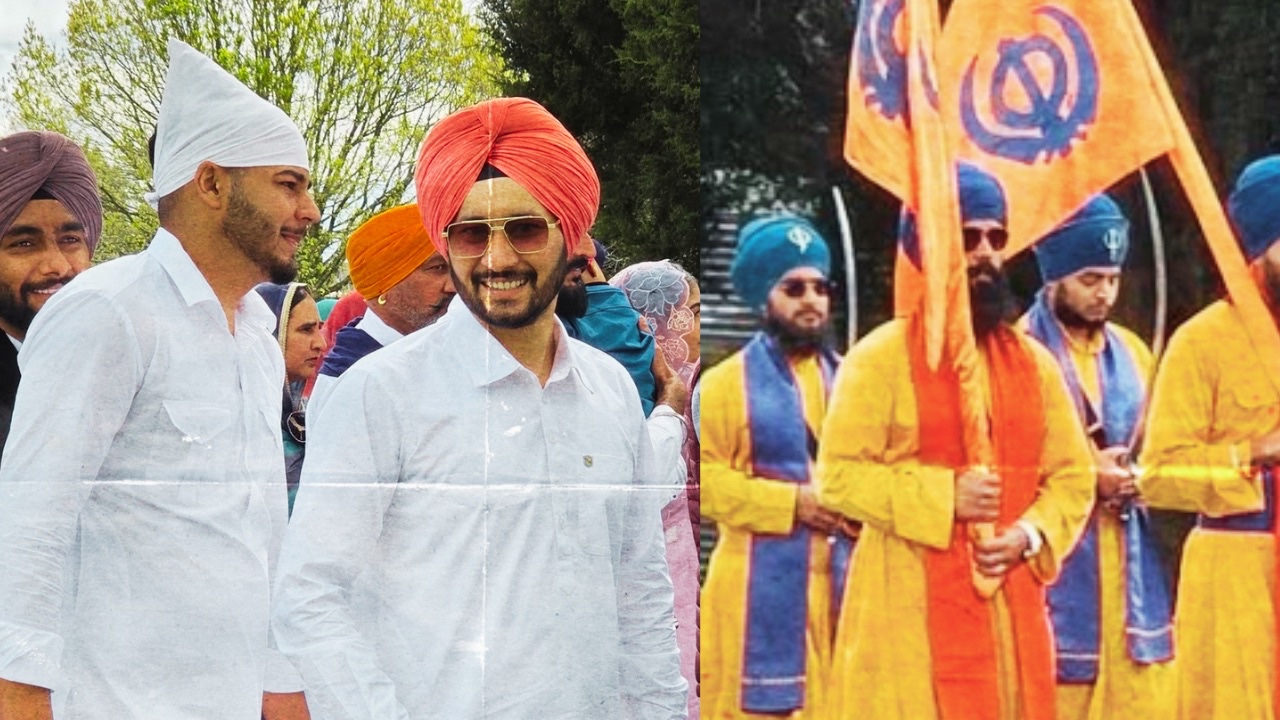
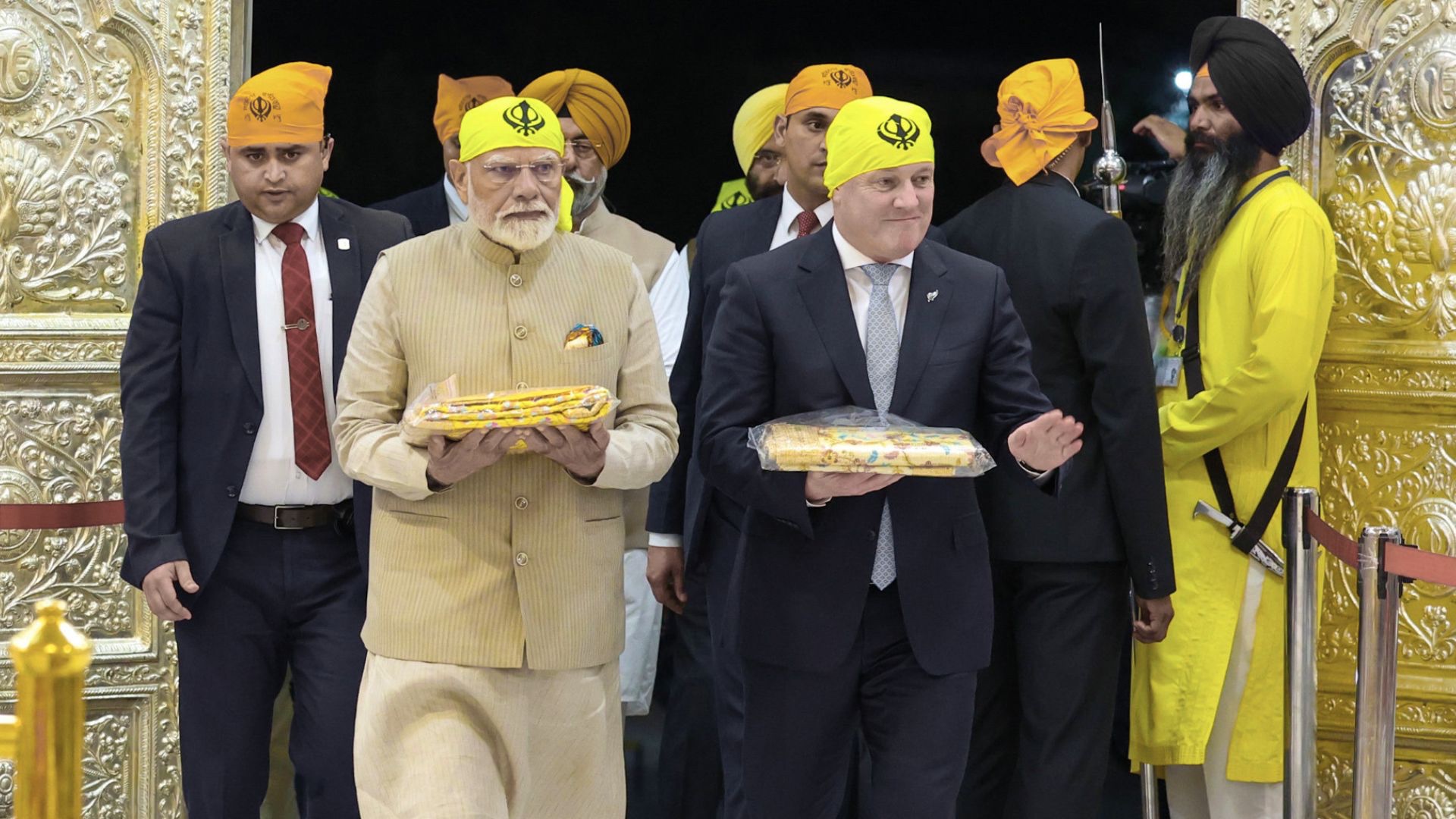
The wording in the latest update is significant in the context of recent confrontations around Sikh religious processions called Nagar Kirtans.
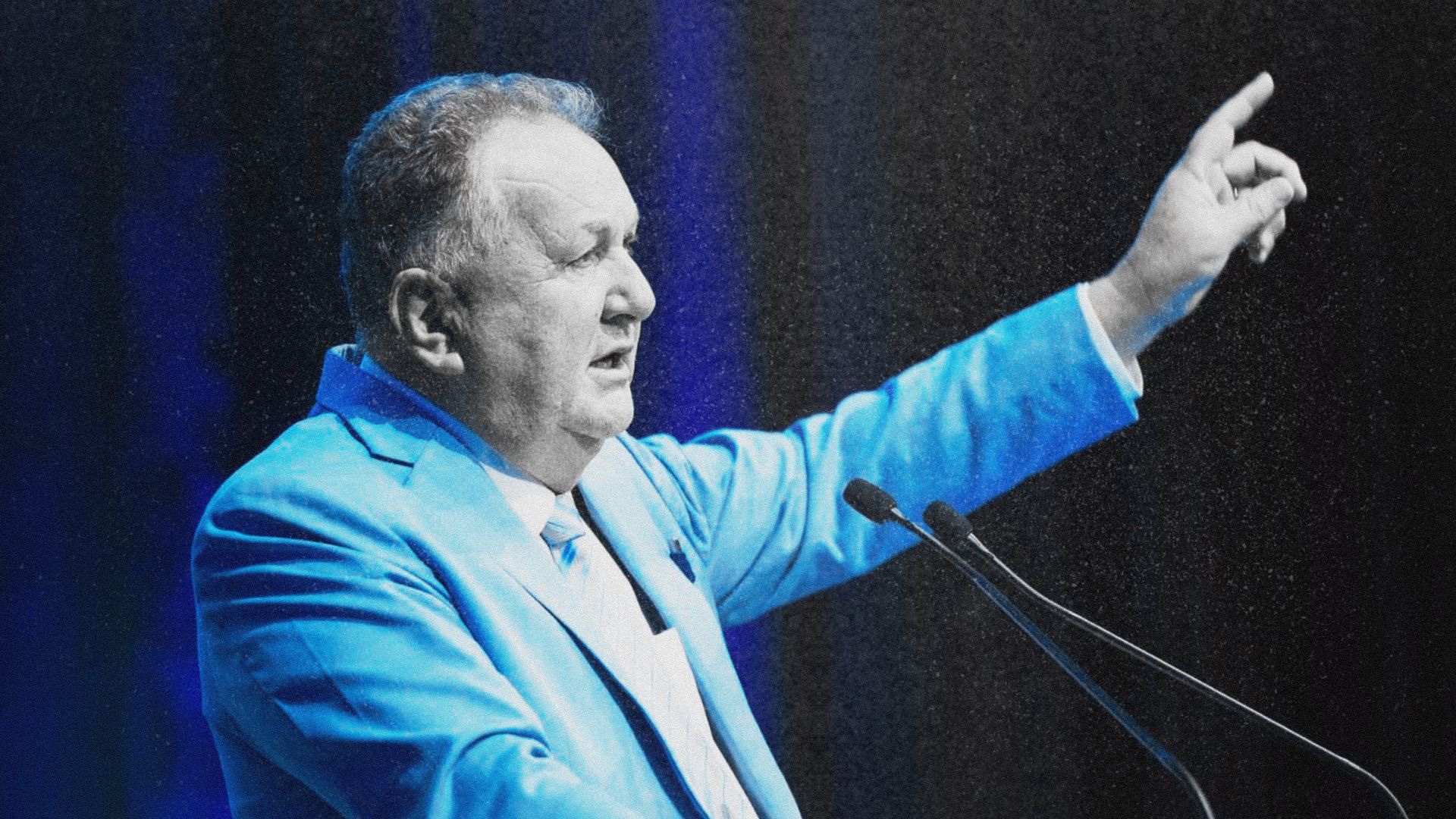
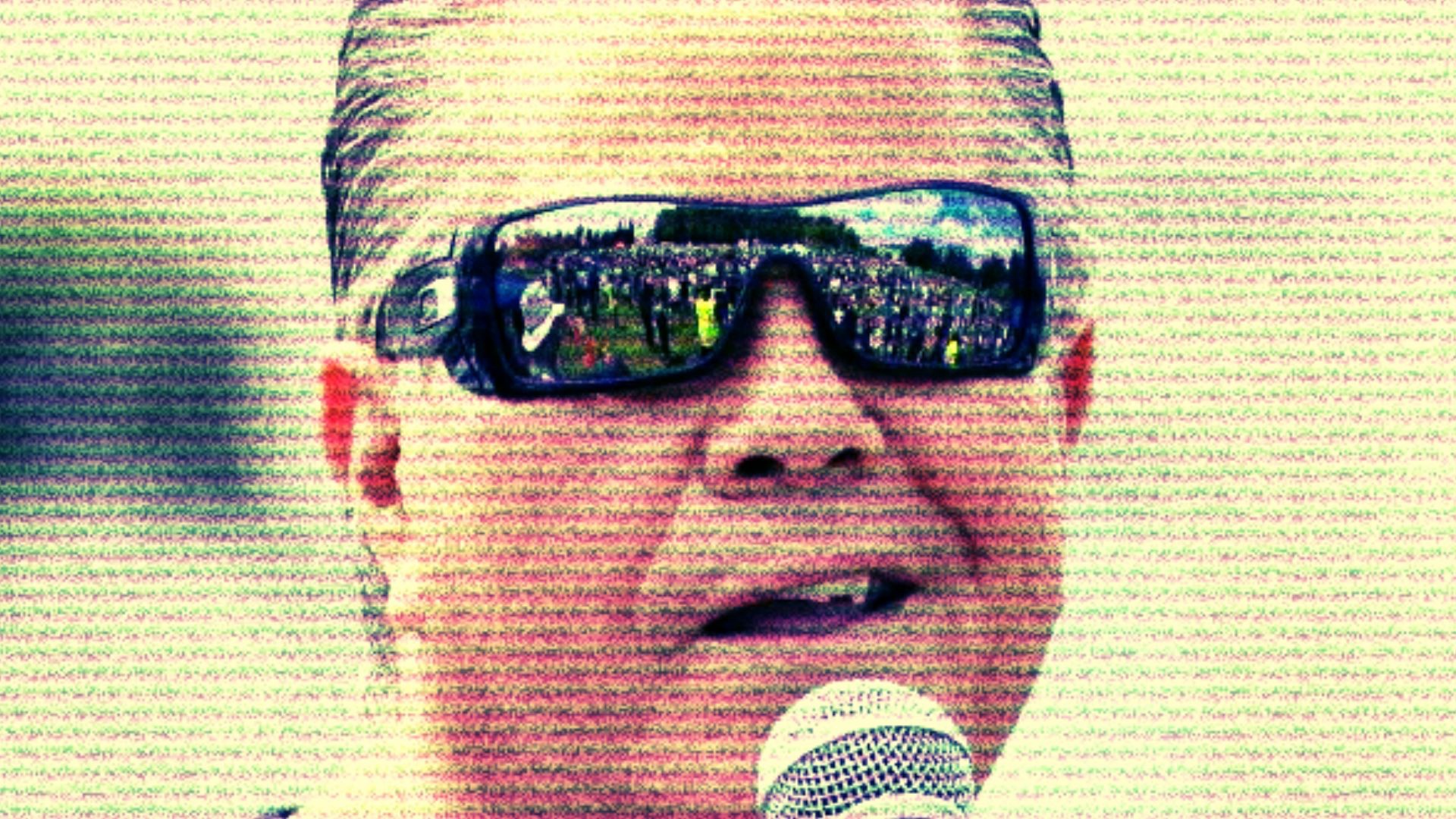
In December last year, a procession in South Auckland was confronted by True Patriots of NZ, a group linked to Brian Tamaki’s Destiny Church.
The following month, in Tauranga, protesters linked to Destiny Church again opposed a Nagar Kirtan in which about 3,000 people had gathered for the Sikh parade.
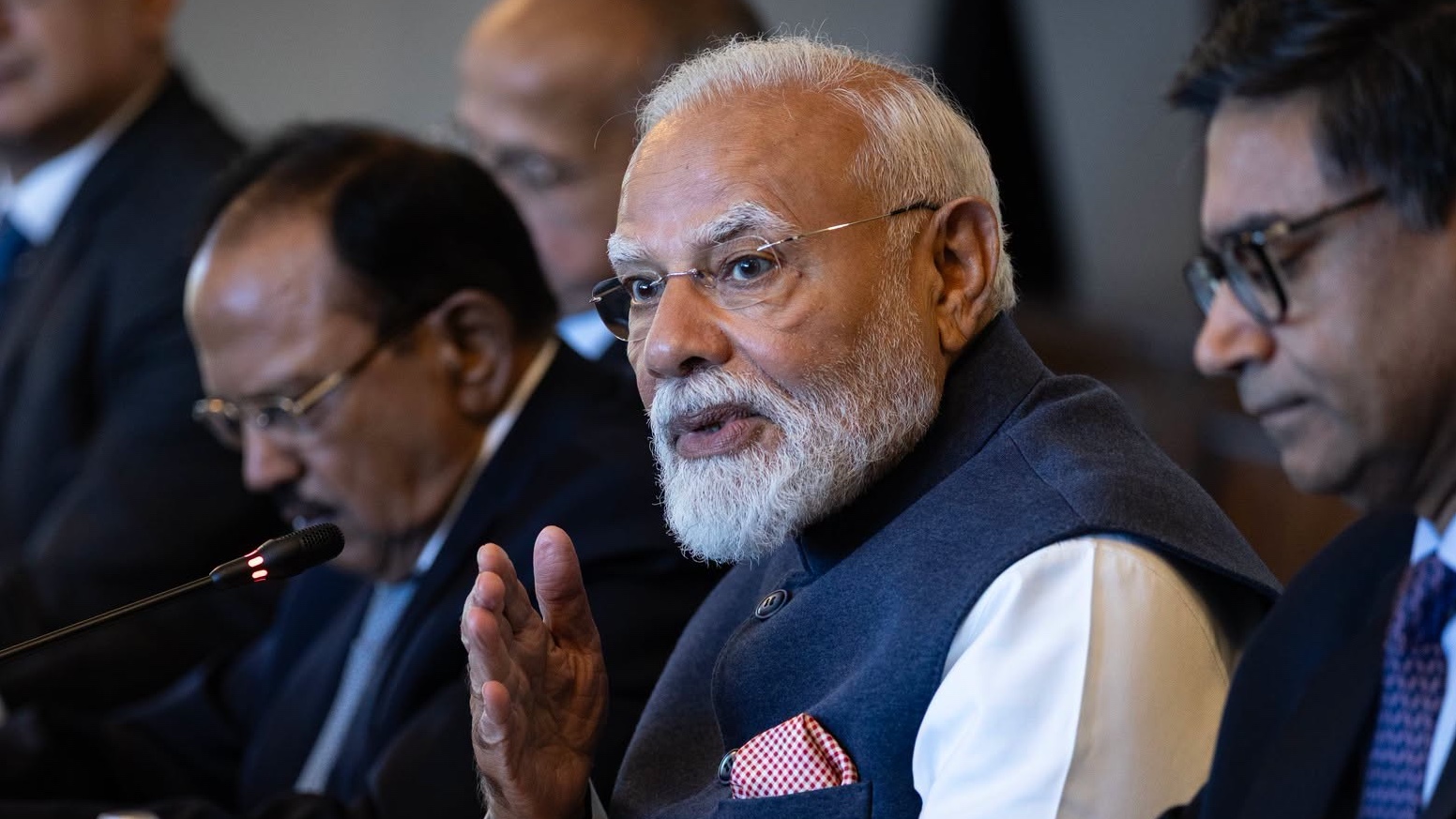
India later formally took up the disruptions with New Zealand authorities, after the incidents triggered concern about religious freedom and safety among the wider Indian diaspora.

Asked by Awaaz whether the fourth edition marked a more explicit recognition of public religious expression than previous editions, race relations commissioner Melissa Derby said the wording may be “more explicit in parts”.
“However, it should be understood as clarifying rights already guaranteed under the New Zealand Bill of Rights Act and the Universal Declaration of Human Rights, rather than creating a new or expanded right.”
The previous statements already recognised the right to express one's religion or belief and referred to international human rights instruments, Derby said.
“The fourth edition makes that existing understanding more explicit by referring to practising and expressing religion or belief ‘privately and publicly’.
“As with previous editions, the Statement is intended to reflect and explain established human rights principles in the New Zealand context. Successive editions may have refined and clarified the language to improve understanding while maintaining the underlying principles and intent,” she said.
The first edition of the Statement on Religious Diversity was published in 2007 after a process that began with a New Zealand Interfaith Delegation at an Asia-Pacific interfaith dialogue in Yogyakarta in 2004.
The dialogue was convened in response to religious conflict in the region and around the world.
The statement was intended to provide a framework for recognising New Zealand’s diverse faith communities and their interaction with one another, with government and with wider society.
The 2026 edition says it was led by the race relations commissioner and developed by the Human Rights Commission in consultation with faith and interfaith communities.
It builds on the 2019 text and aims to reflect the experiences and aspirations of faith communities in 2026.
Earlier editions did recognise religious expression. The 2007 statement said the right to religion included the right “to hold a belief or not to, to express that belief, and to follow the practices that arise from that belief”.
The 2019 edition again said the right included holding a belief or not, expressing that belief and following practices arising from it, adding that this must be “within the law of New Zealand”.
Those earlier editions also recognised visible religious practice in practical settings. The 2019 statement referred to dress codes, prayer schedules and holy days as examples of religious differences that may need accommodation in workplaces and other settings.
But the fourth edition makes the public-private distinction explicit in the freedom of religion section itself.
It also reframes secularism.
The statement says New Zealand has “no official state faith”, but that secularism may be understood as “non-preferential”: not privileging a particular faith, belief or no faith, while allowing space for all to live together harmoniously.
The statement says the State should actively engage faith communities as key partners in building a safe and cohesive country, and should work with them “as faith communities”.