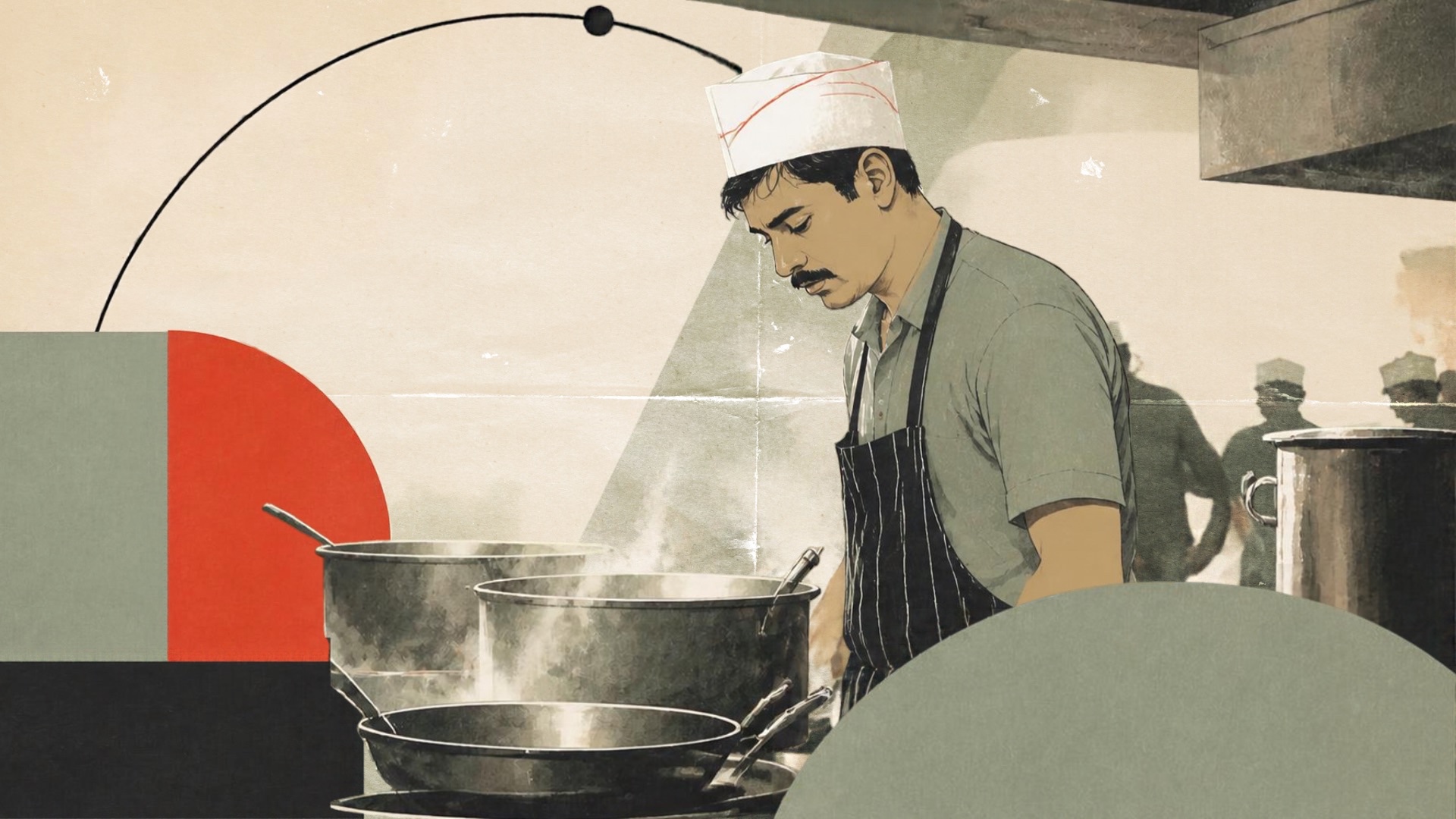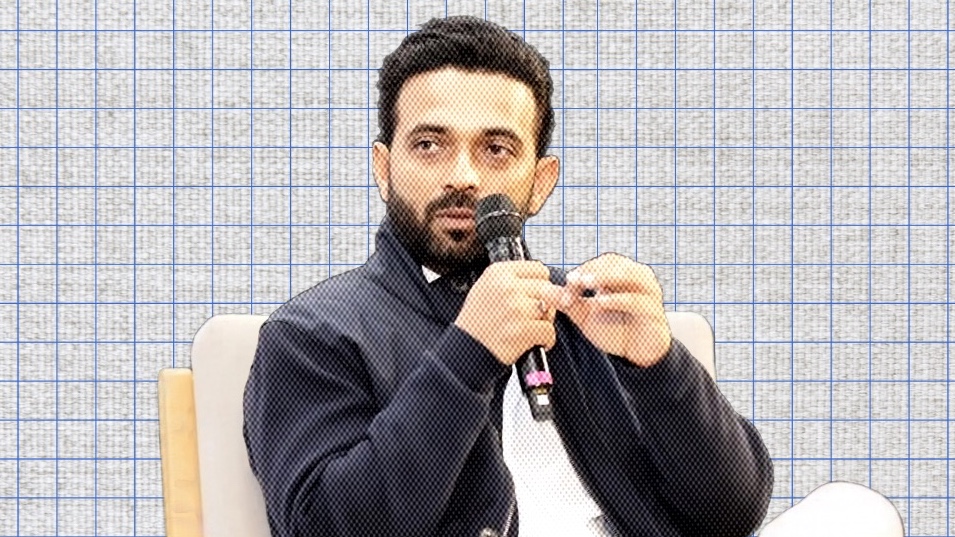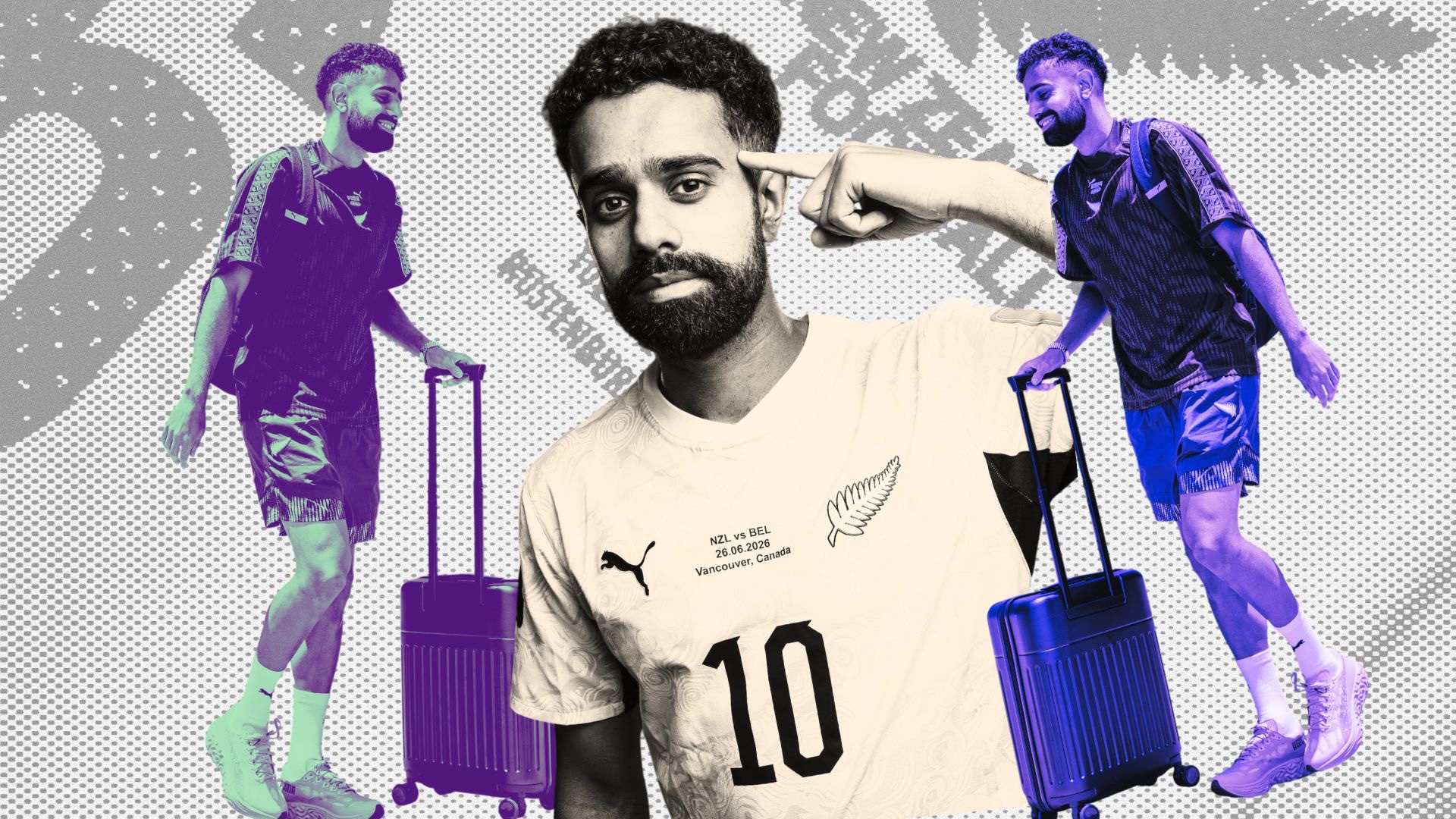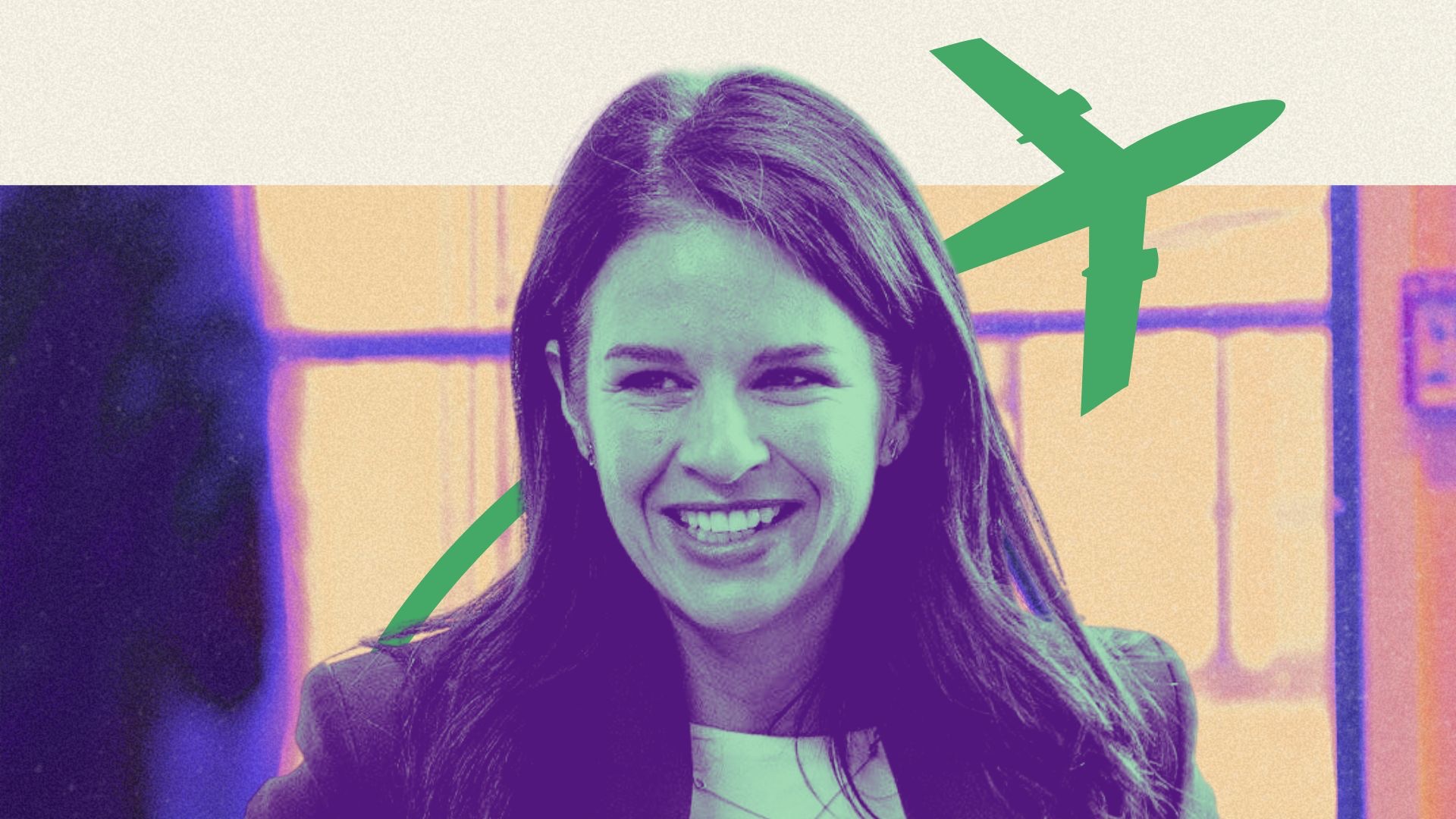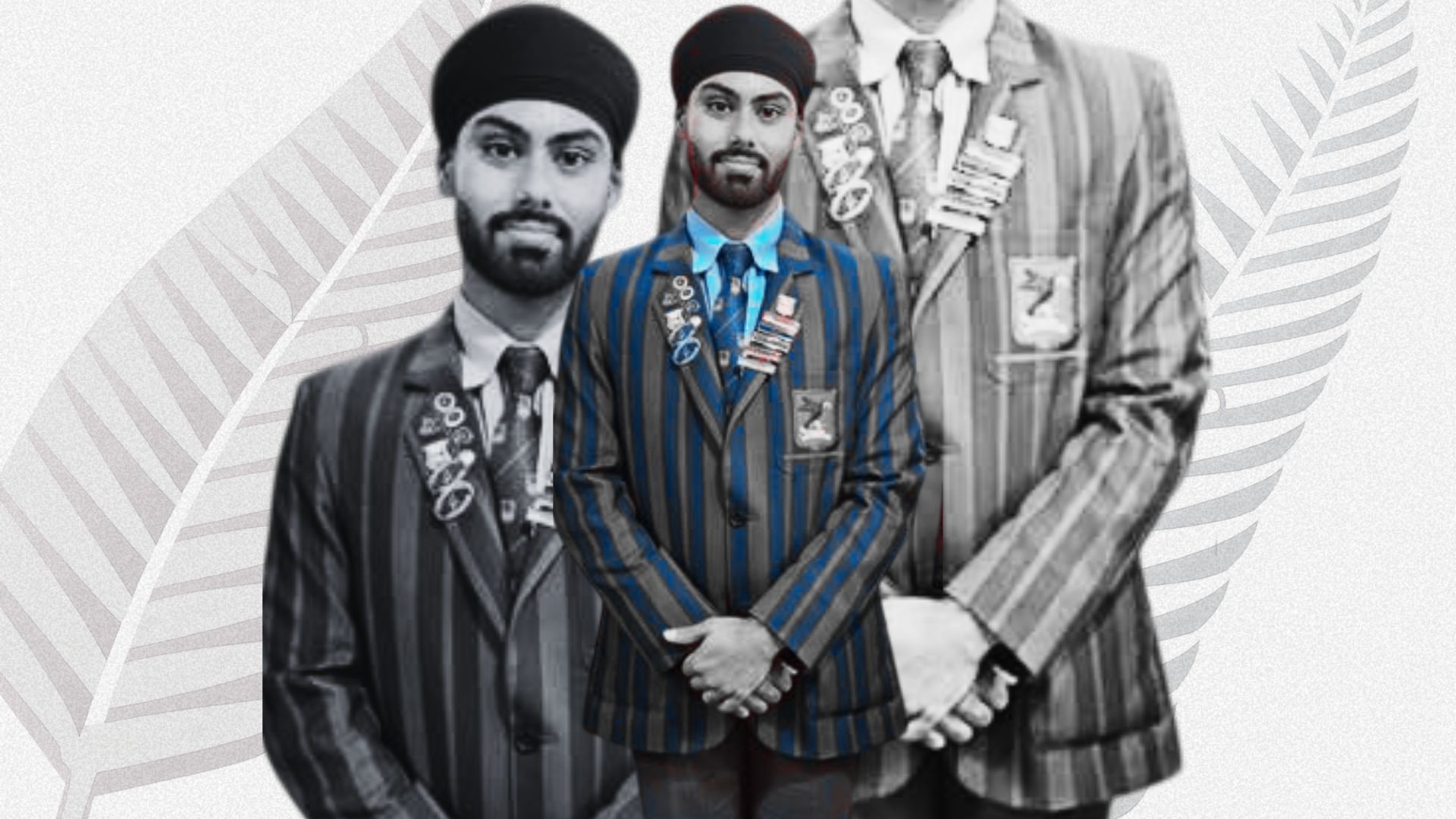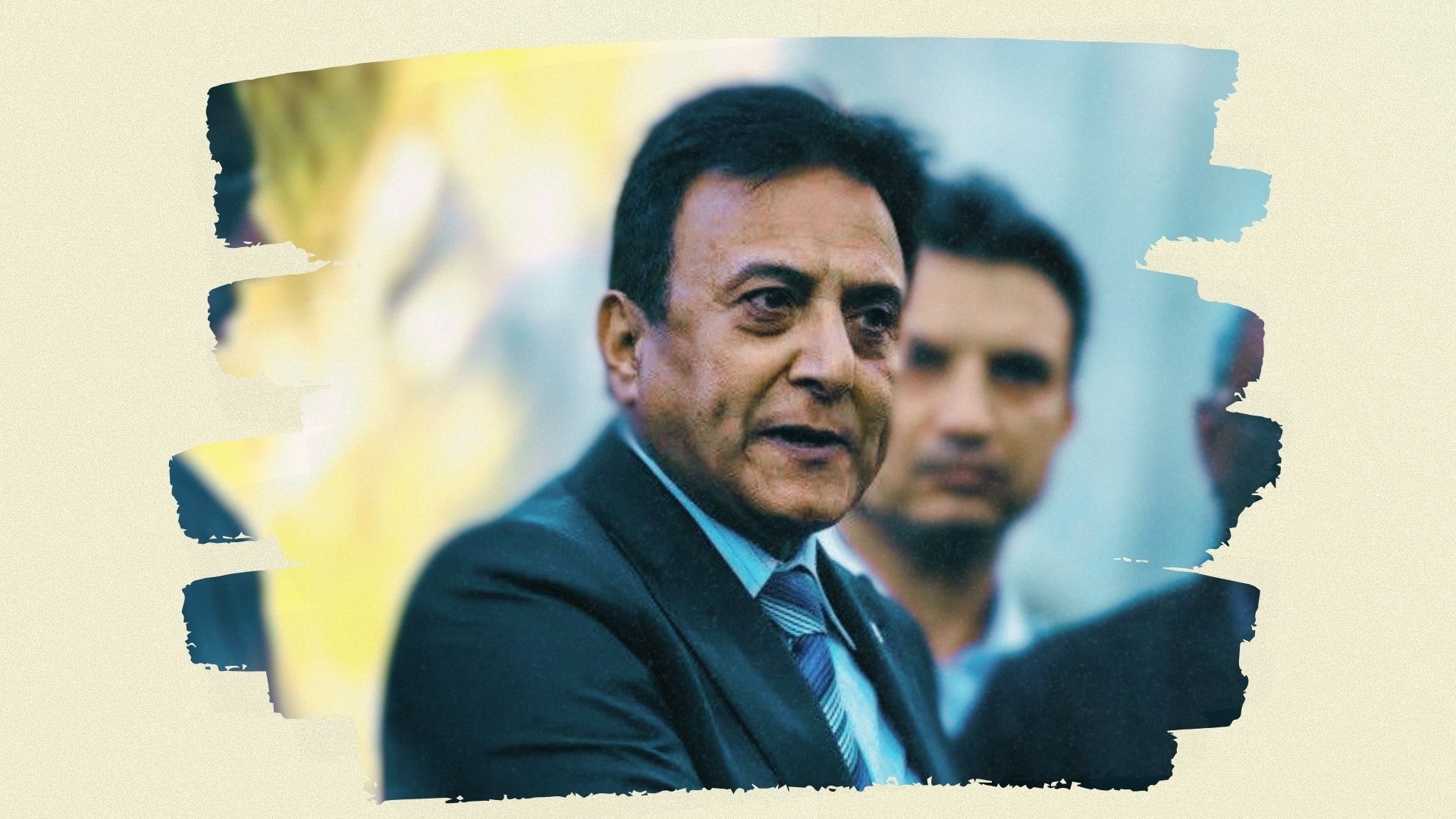

From designing restaurants to running Auckland Diwali: The many lives of Arnav Taode
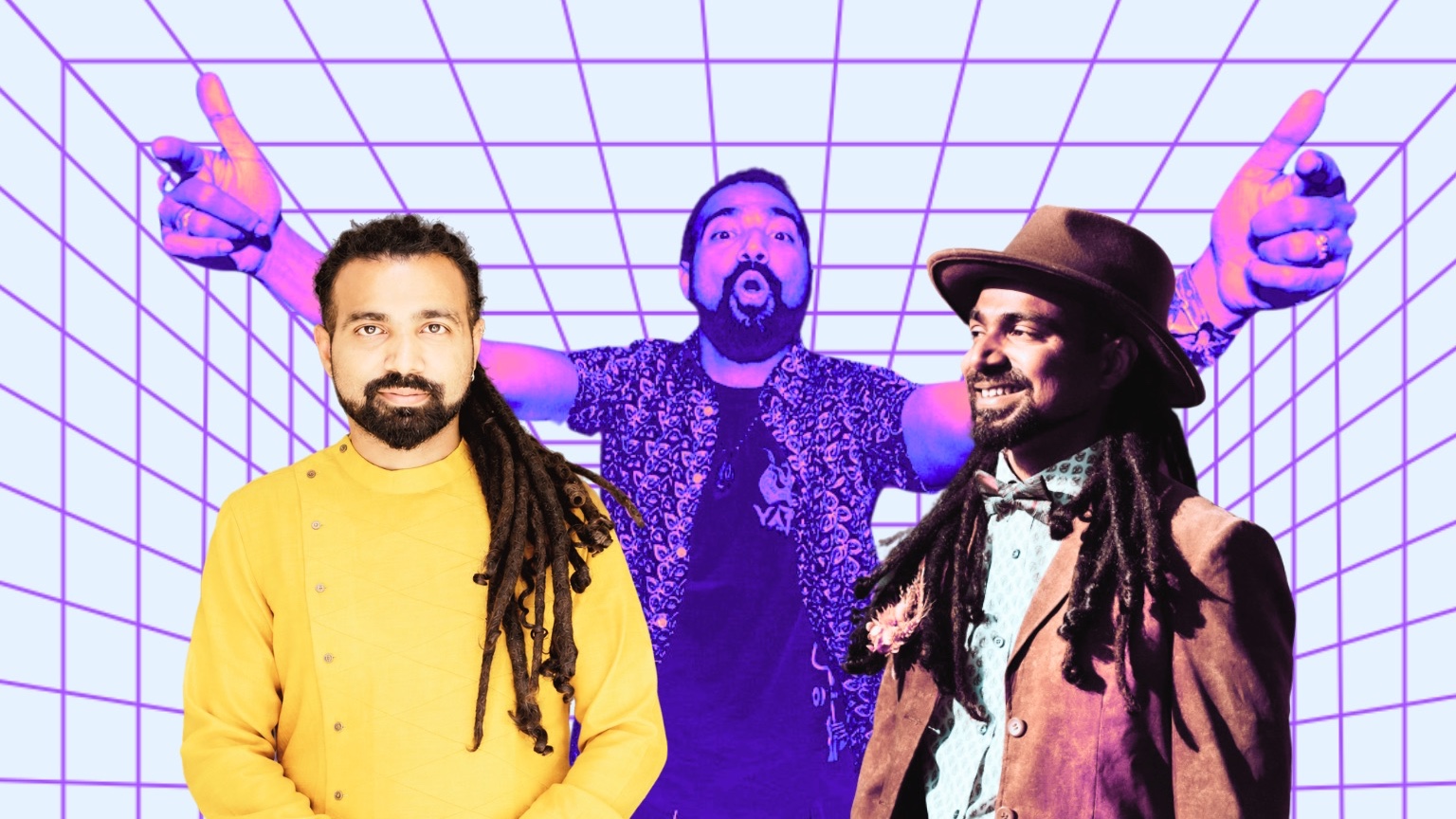
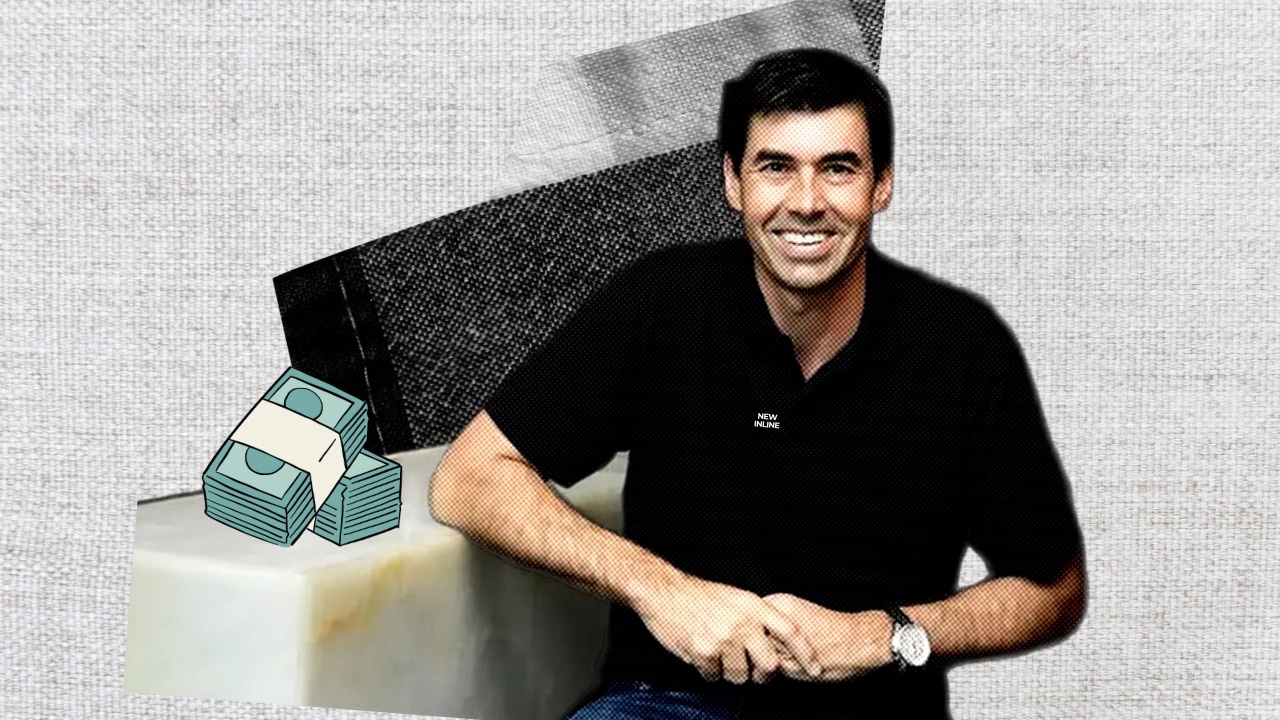
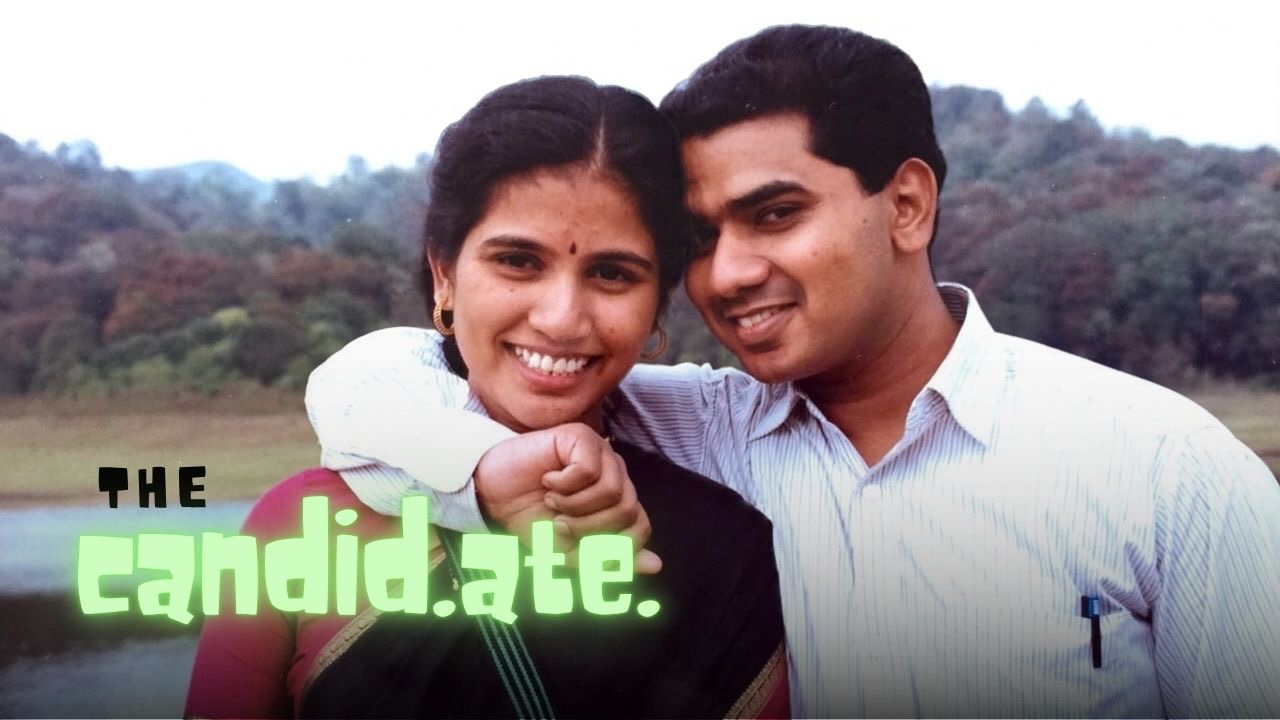
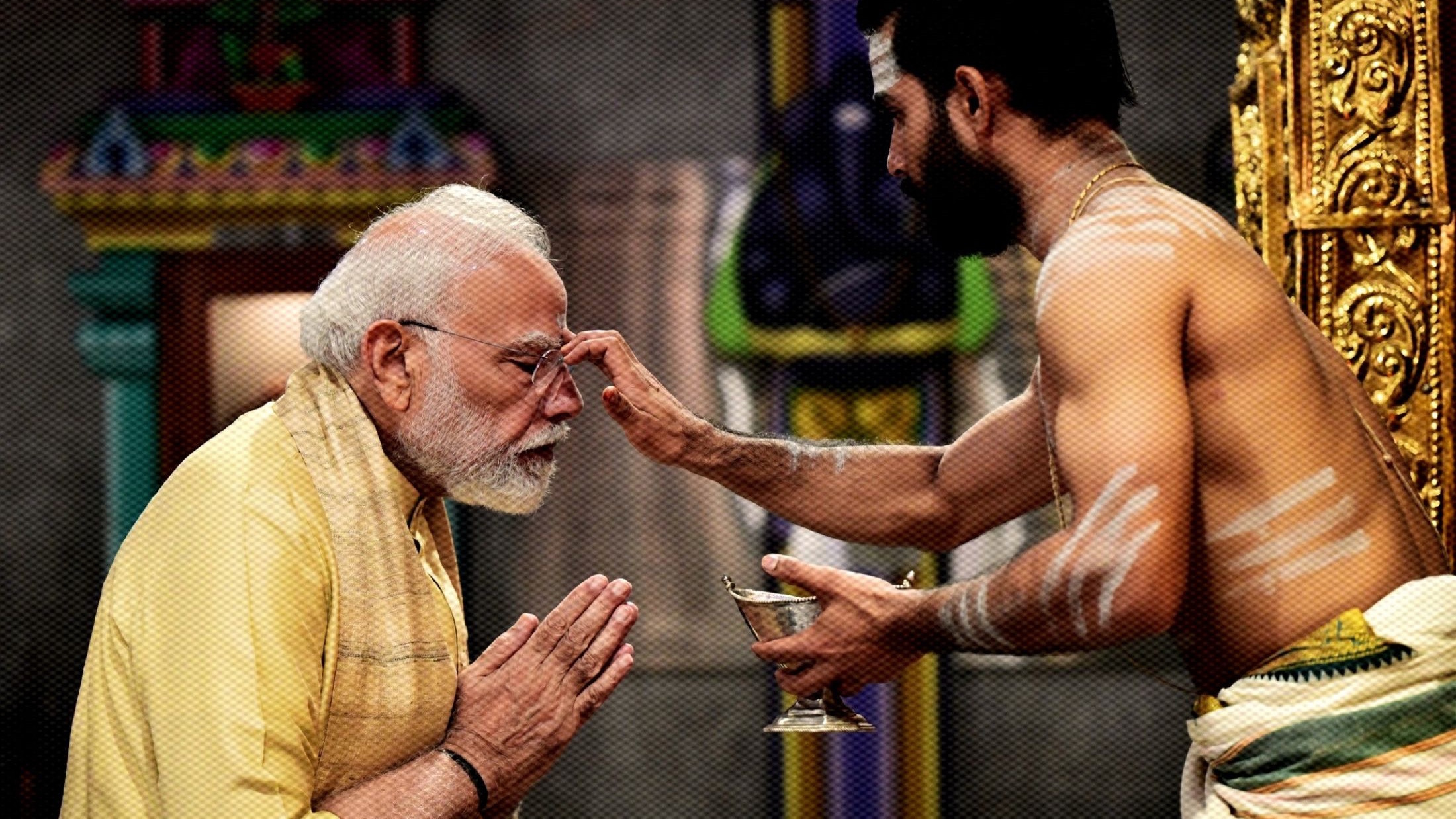
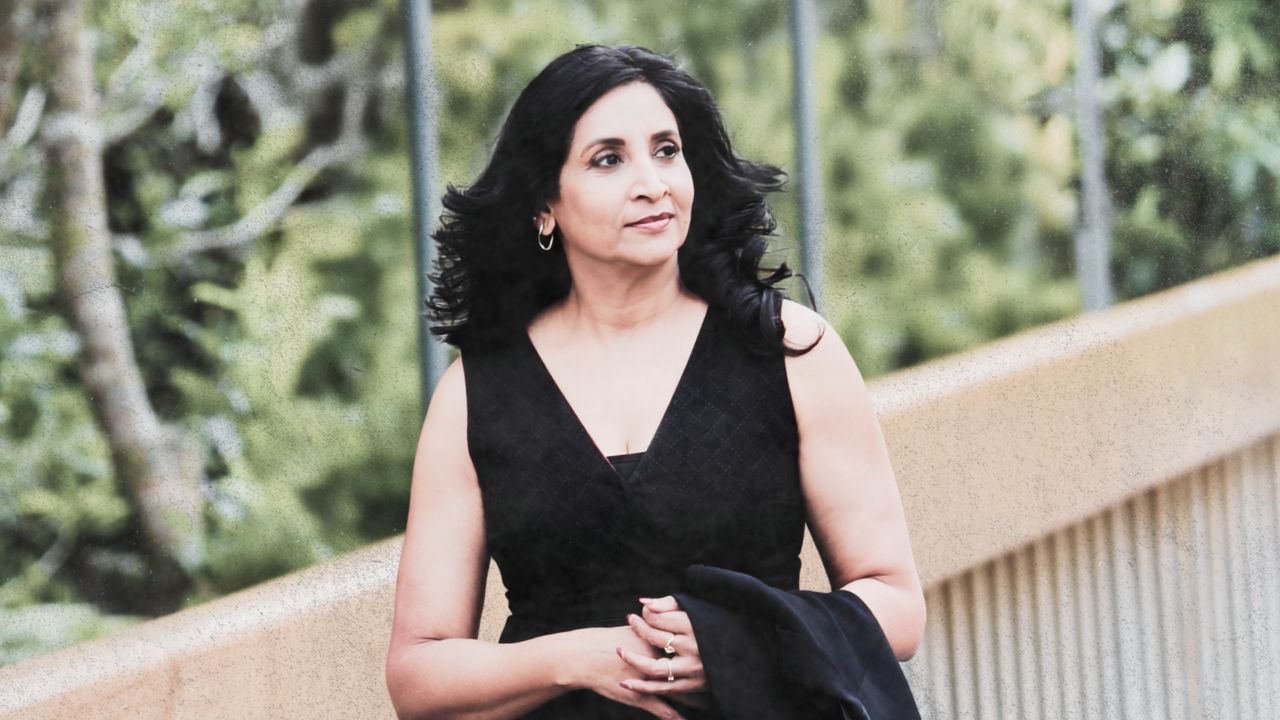
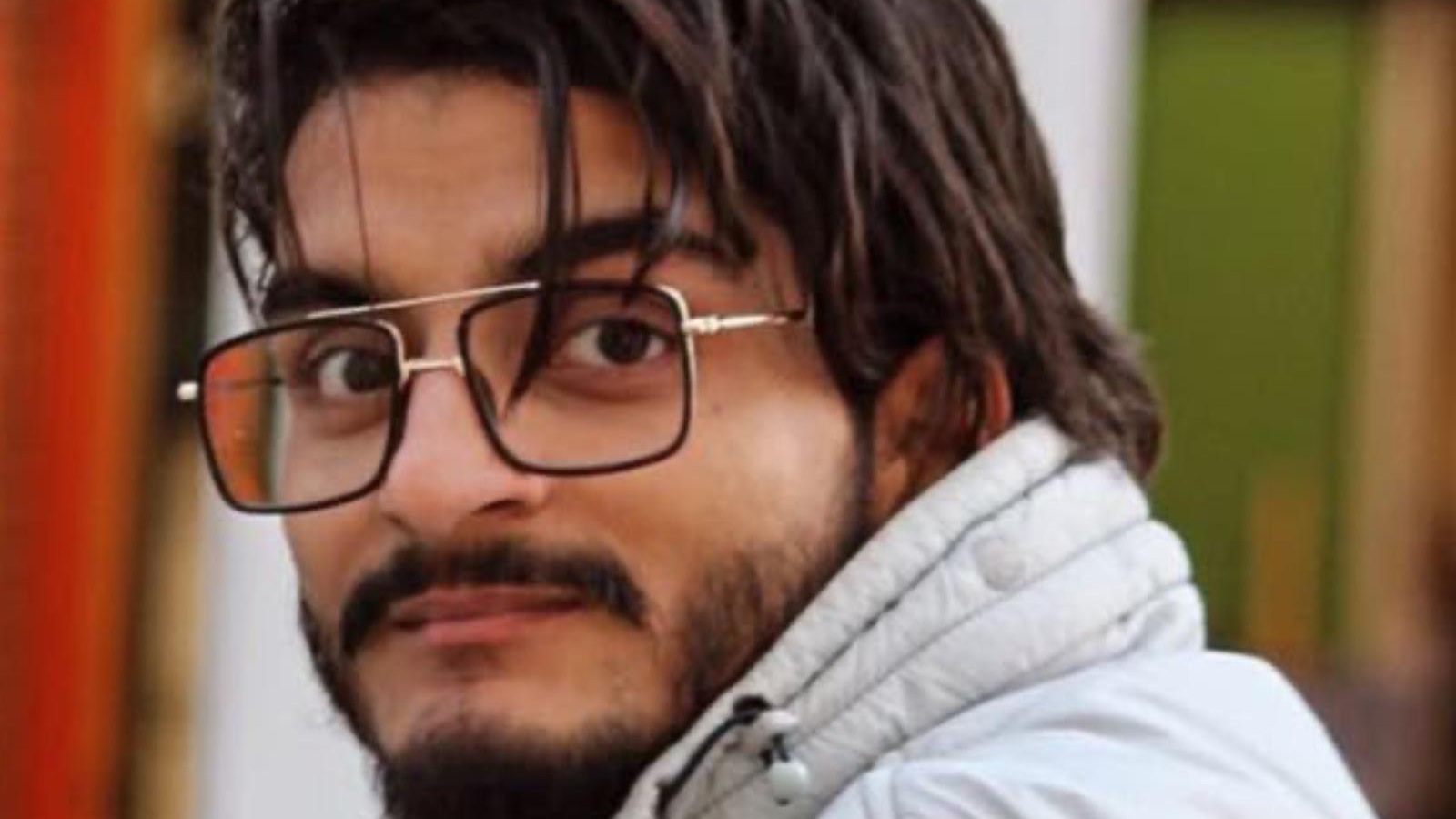
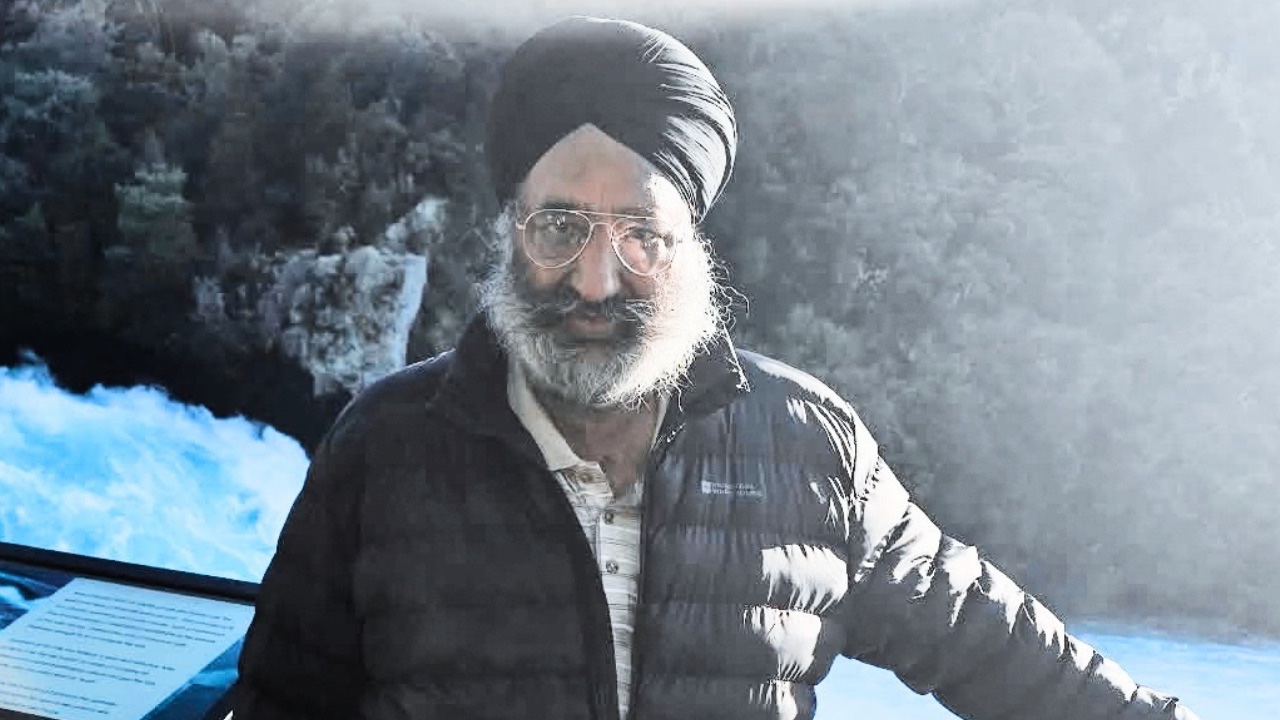
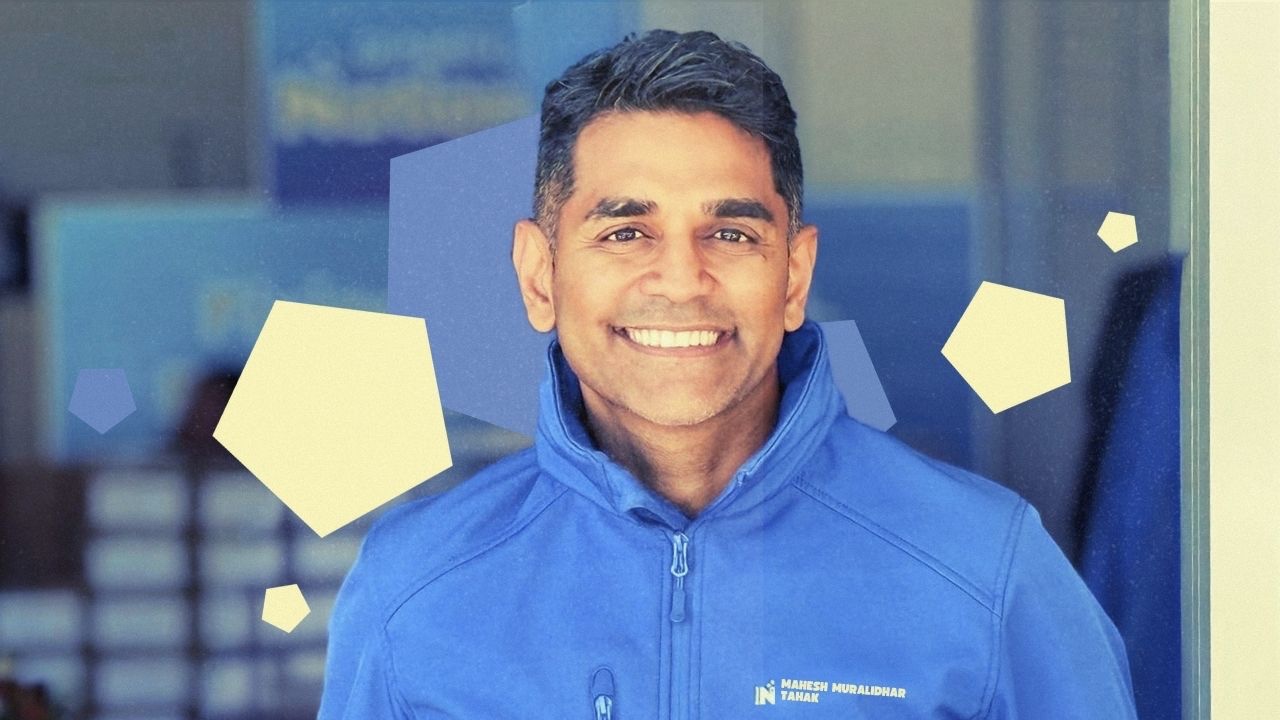
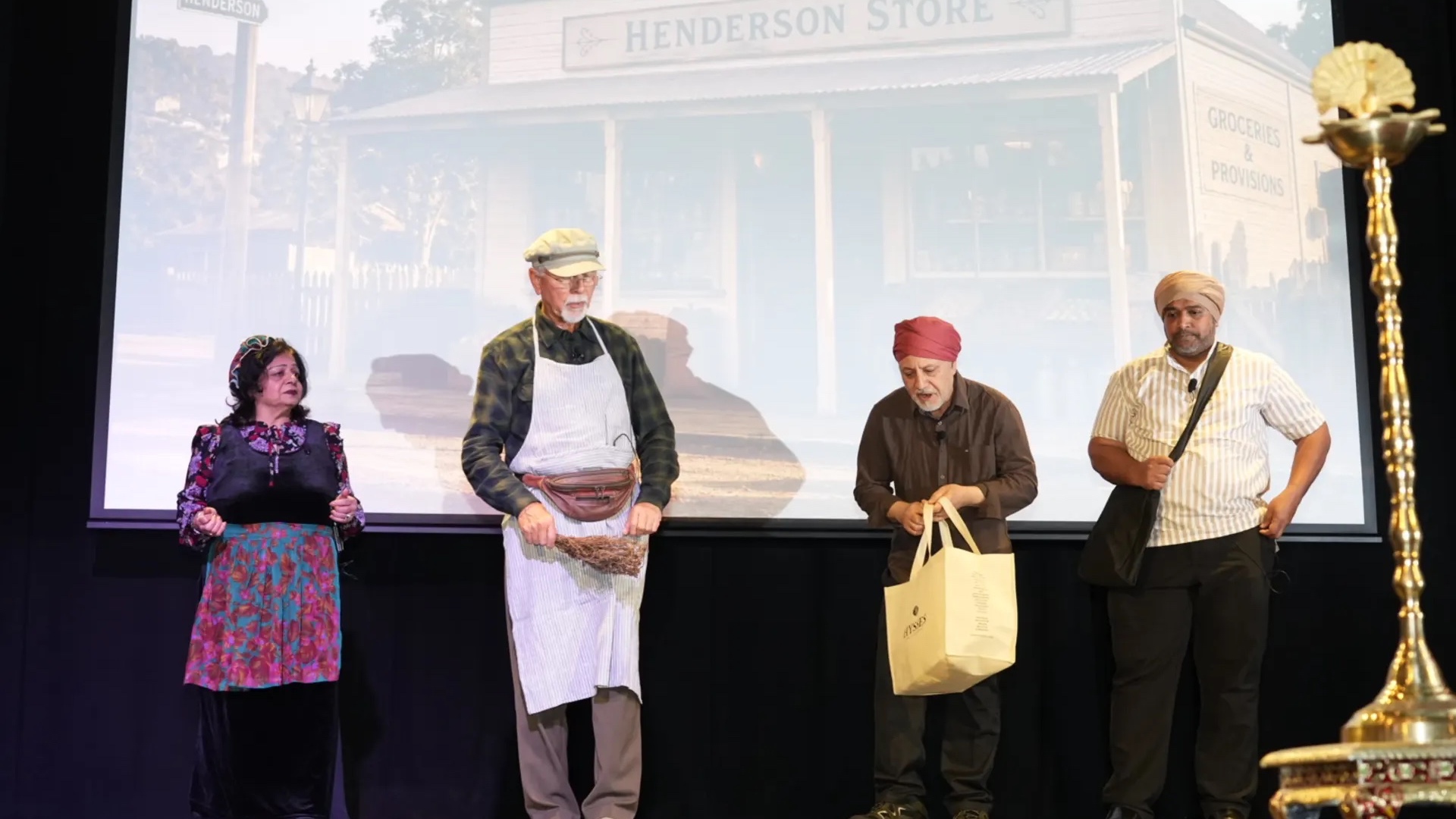
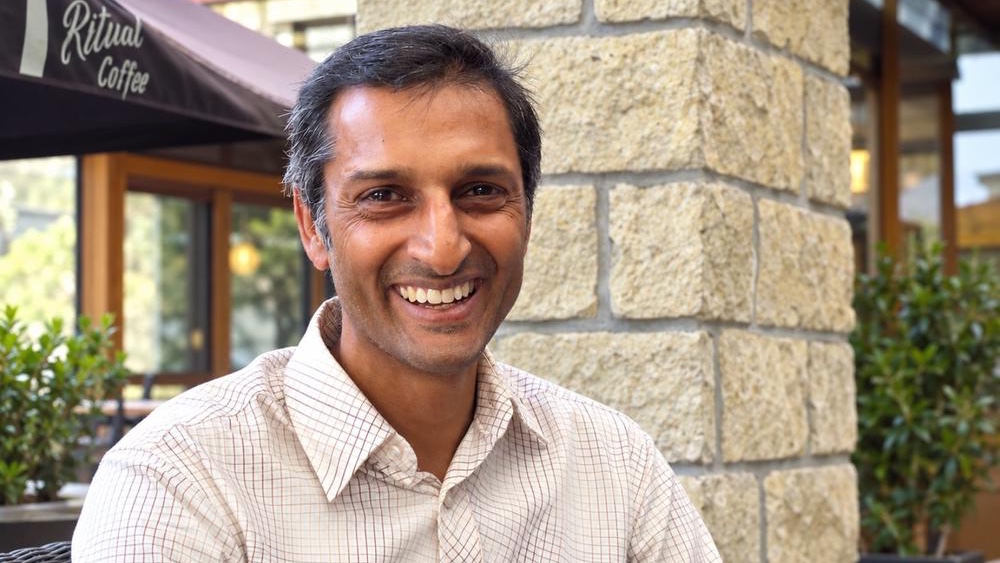
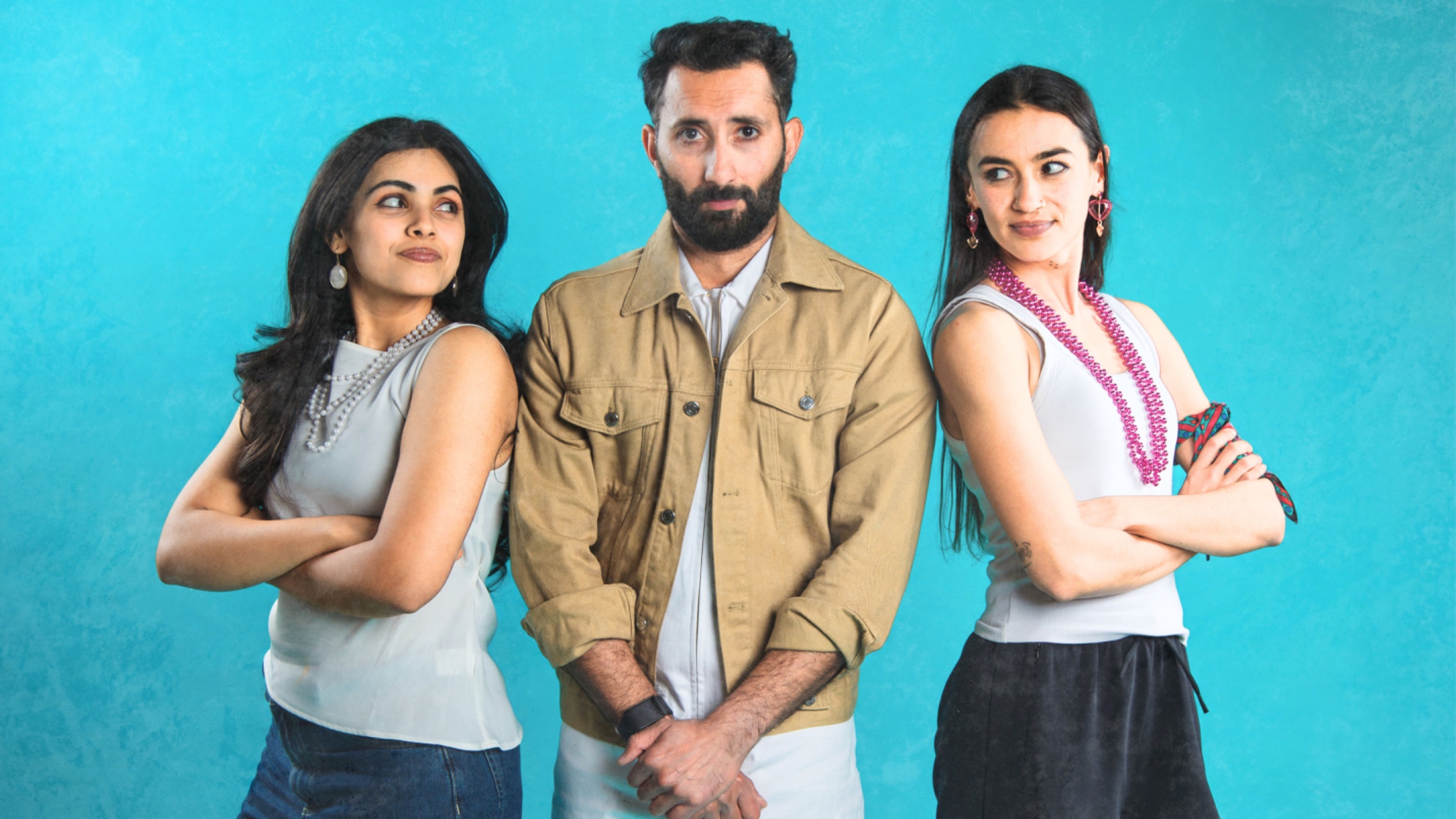
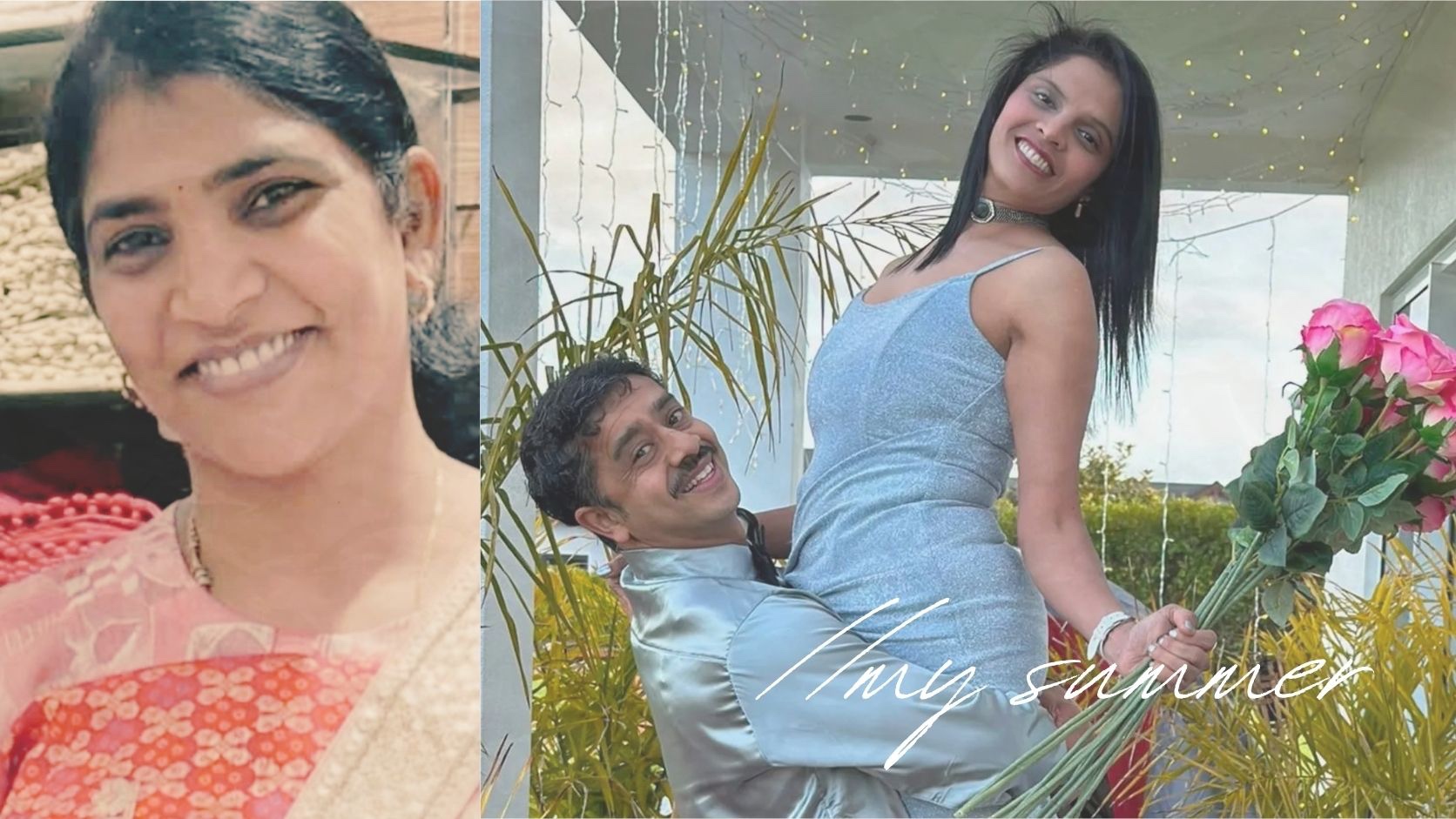
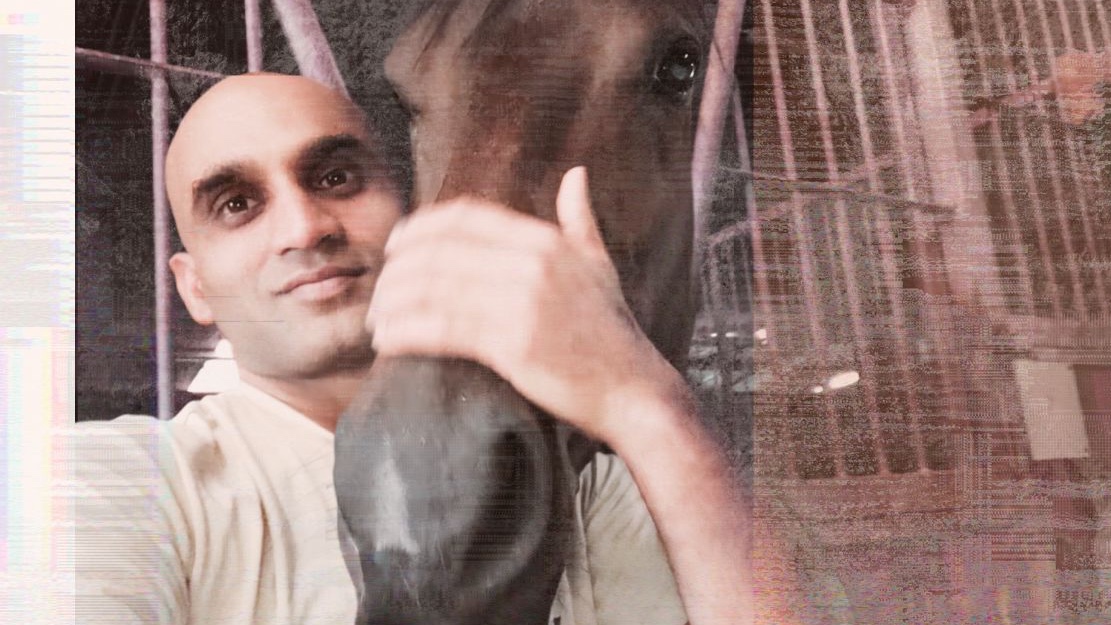
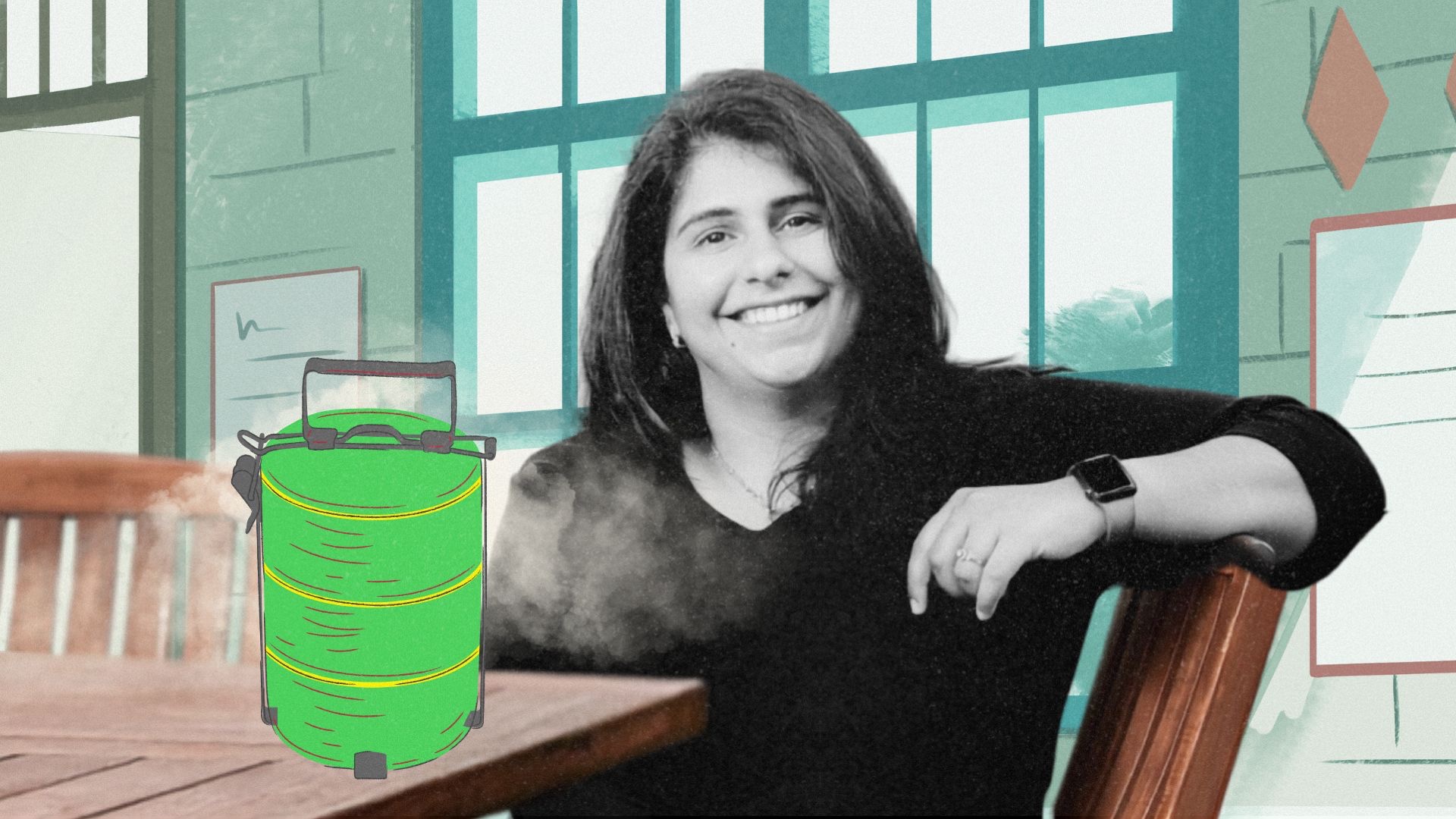
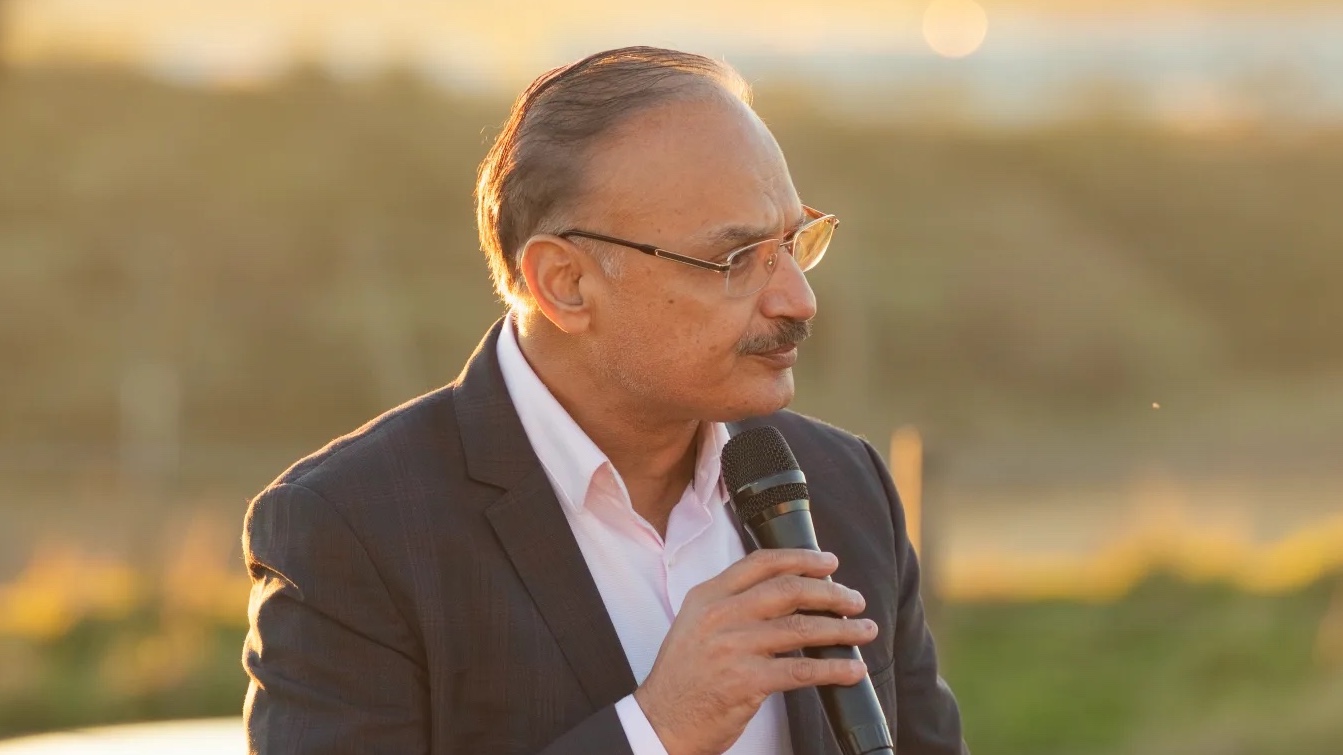
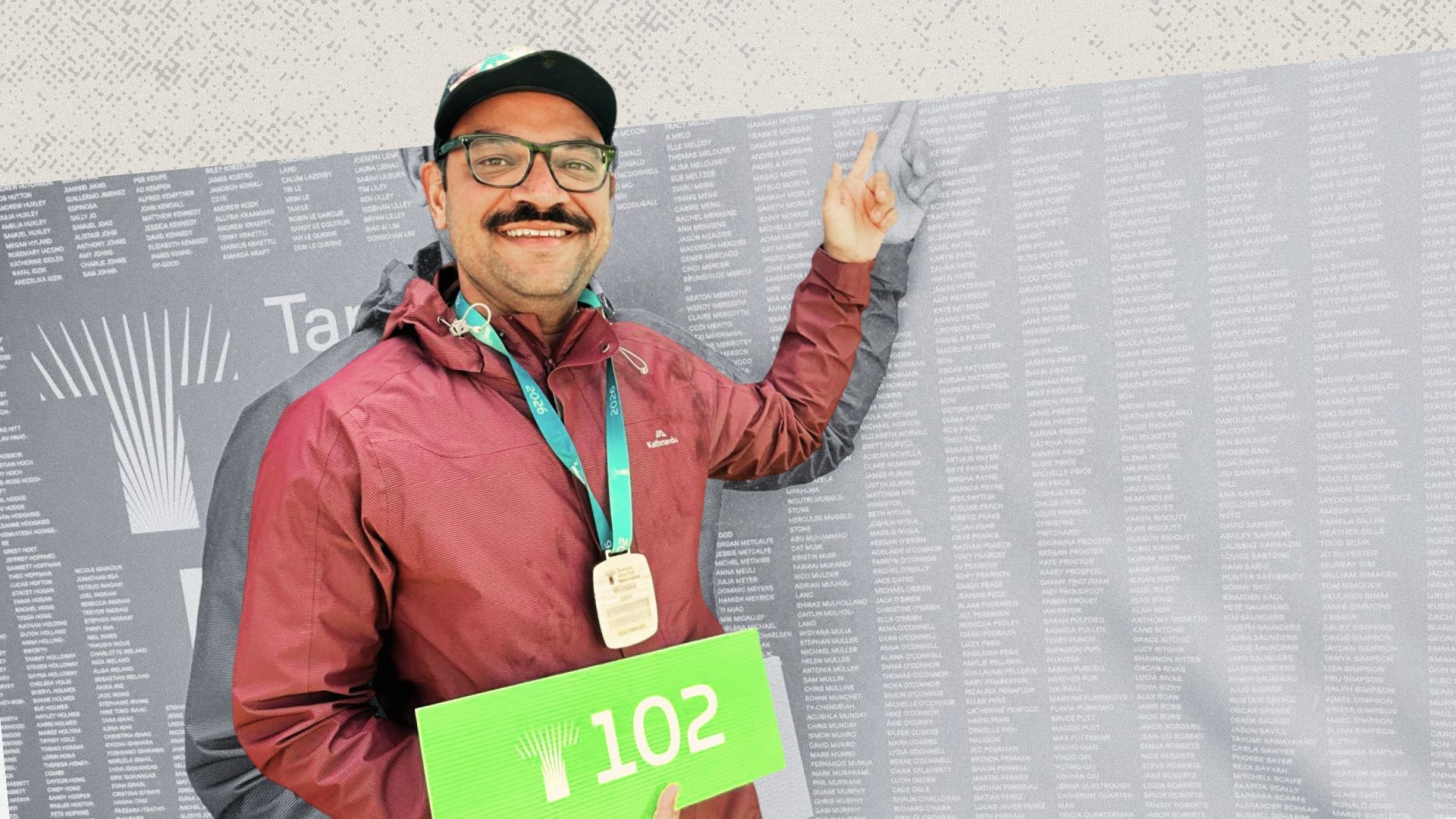
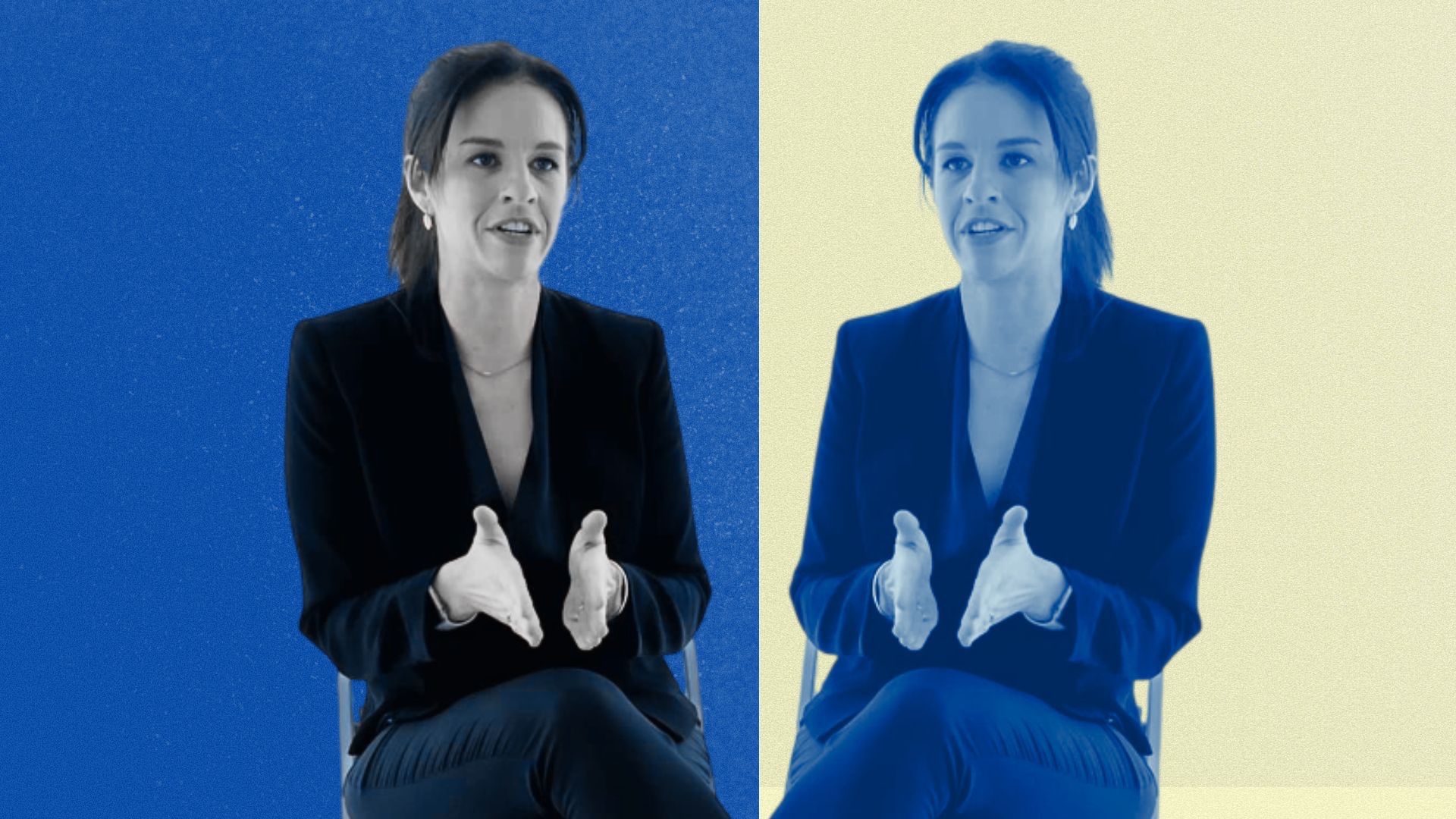
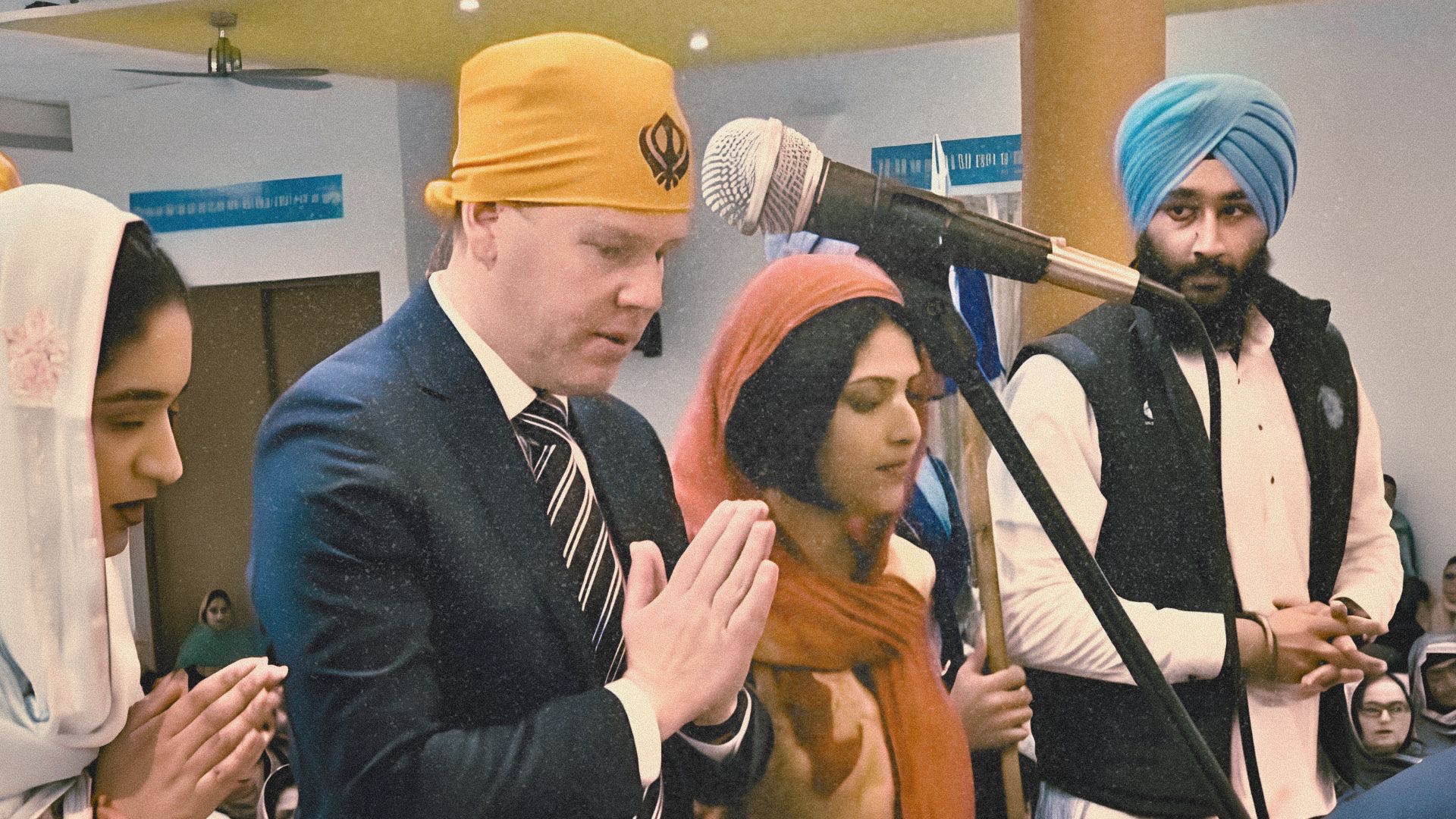
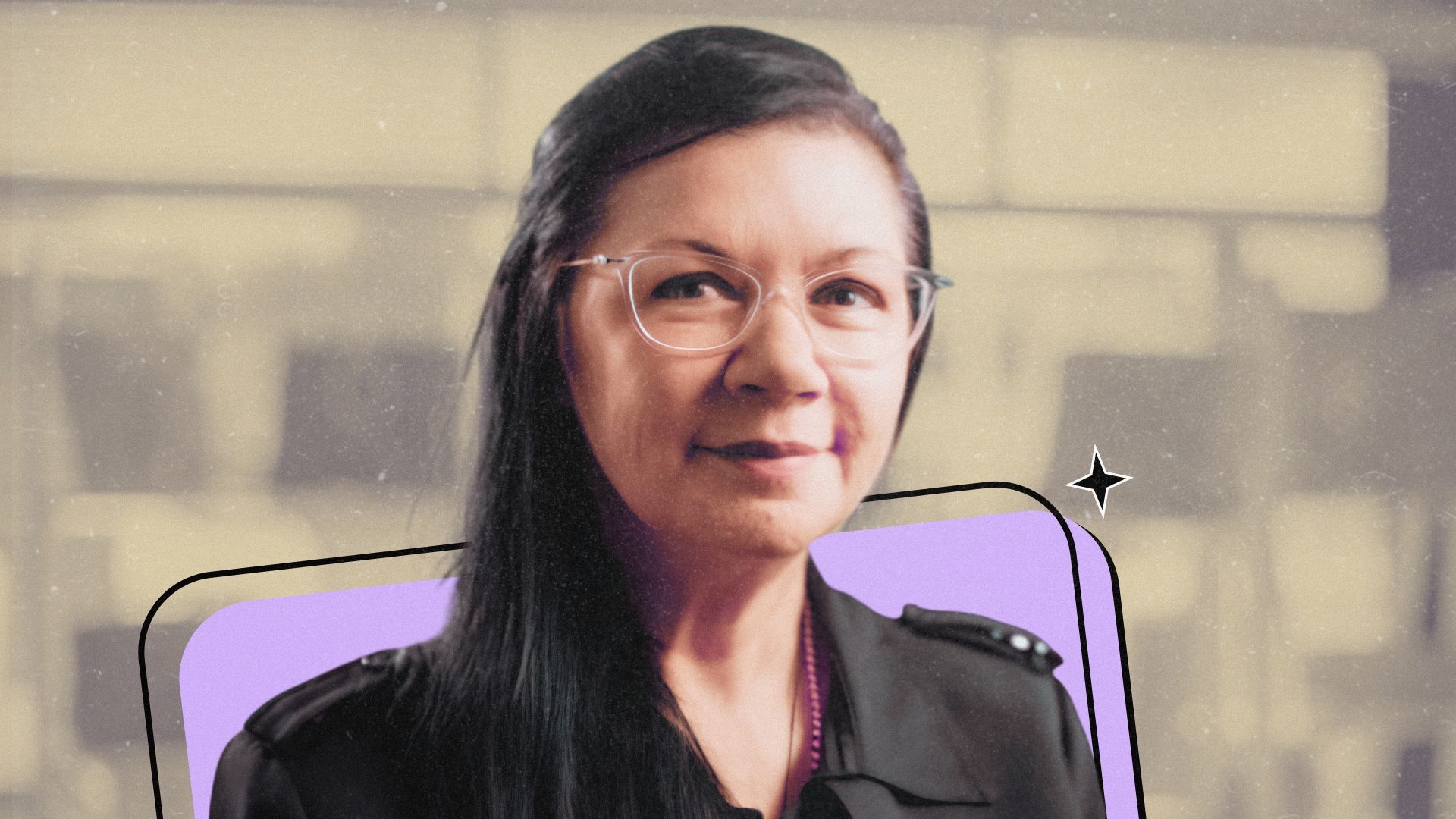
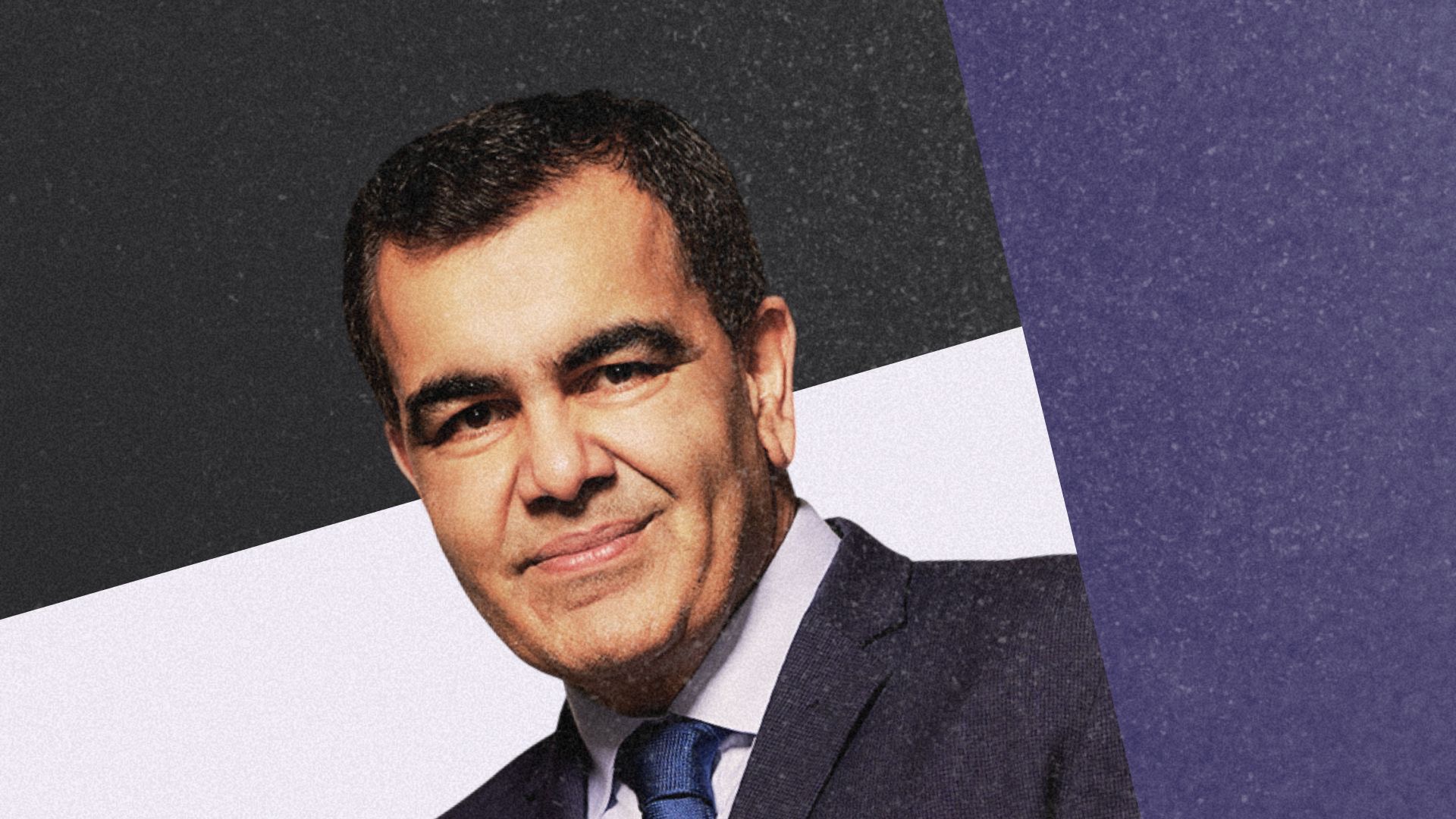
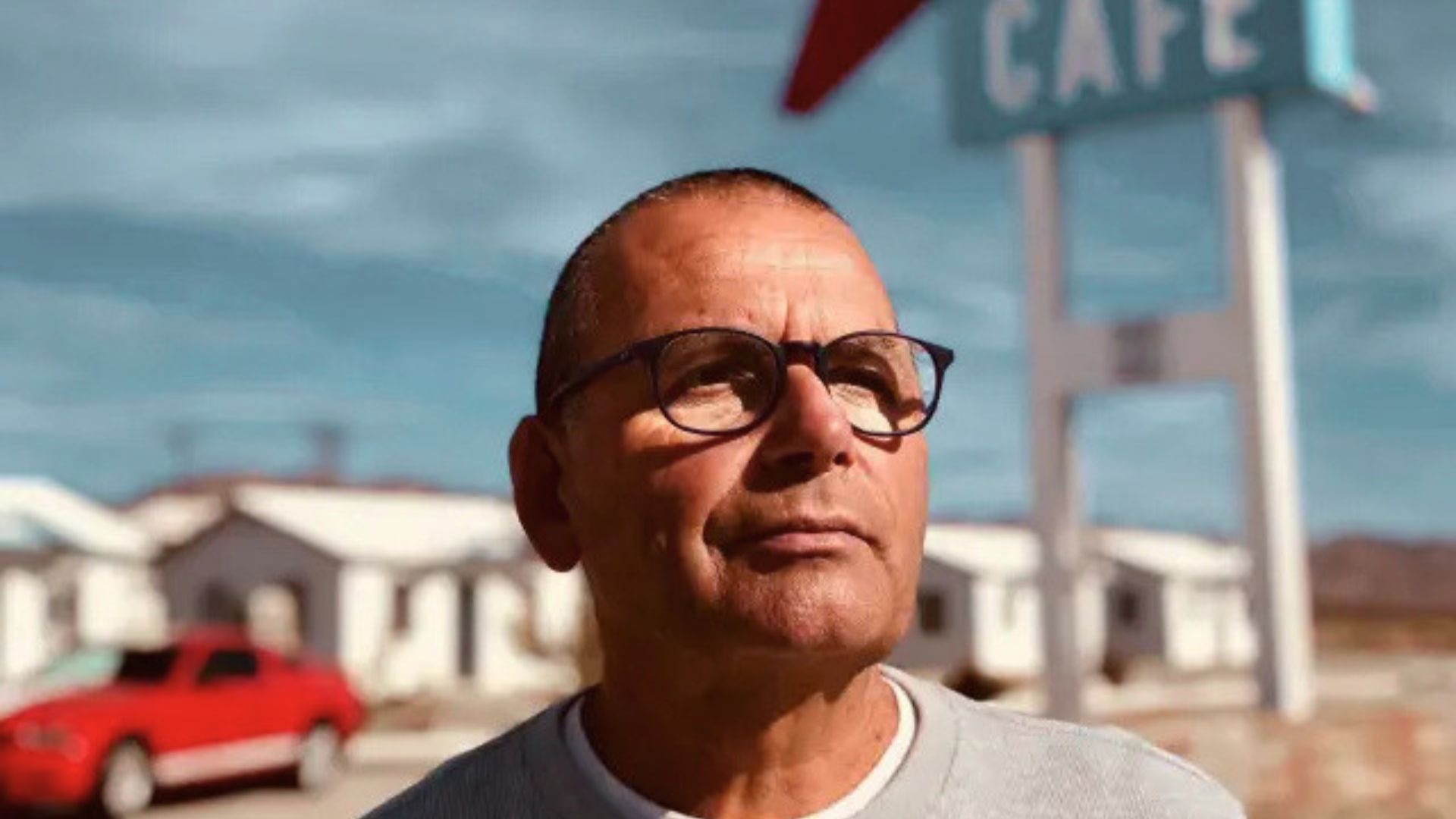
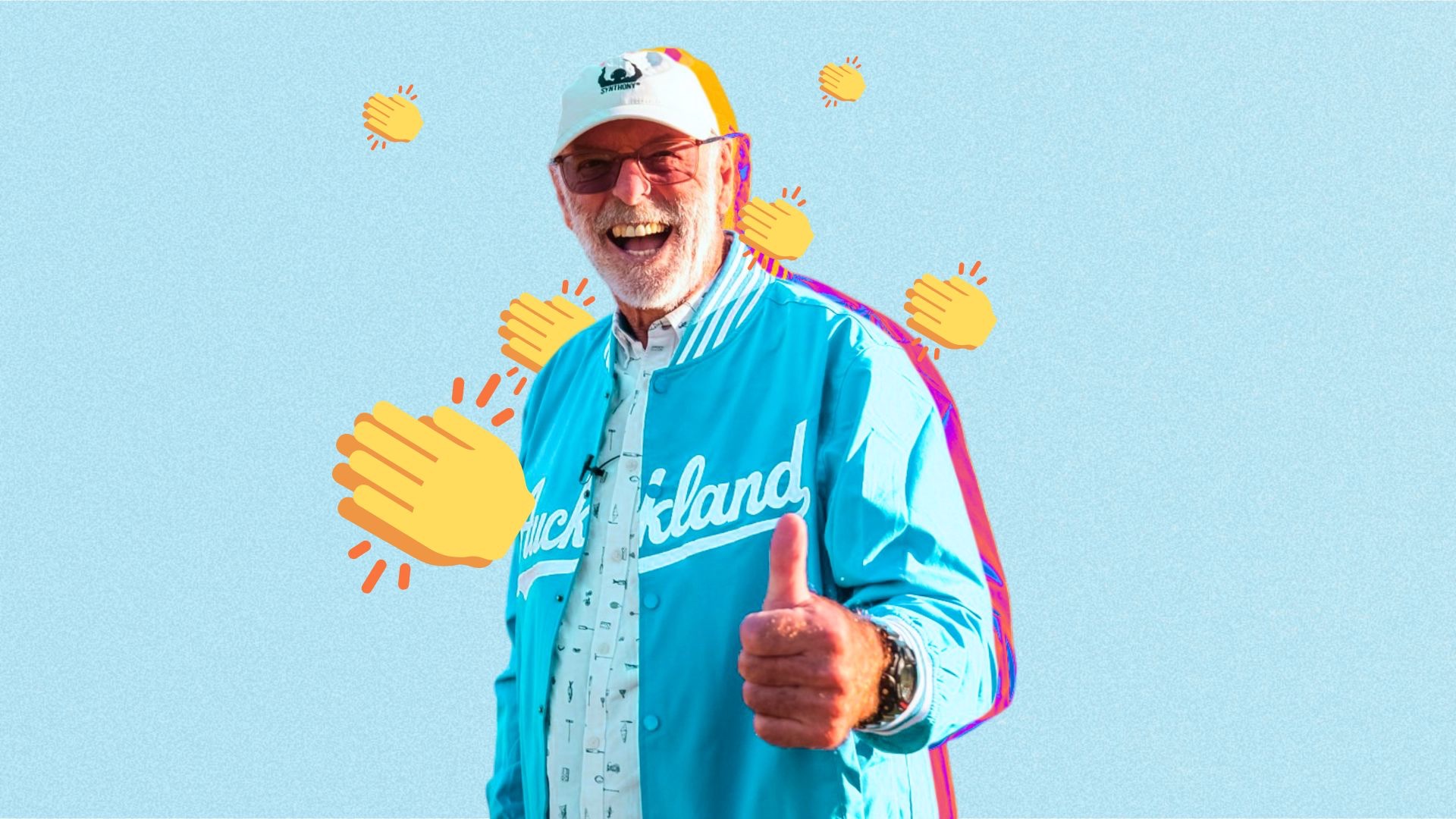
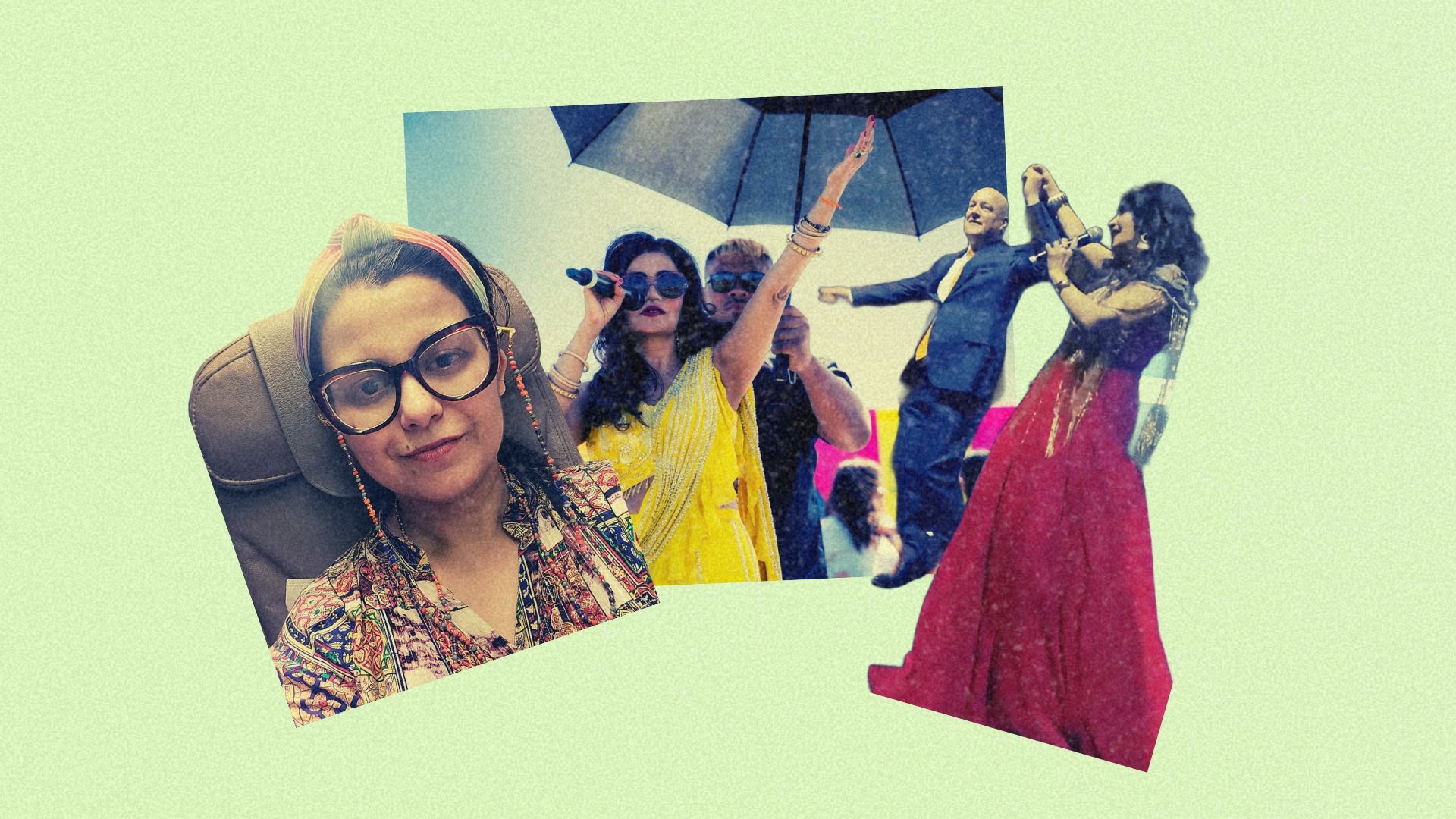
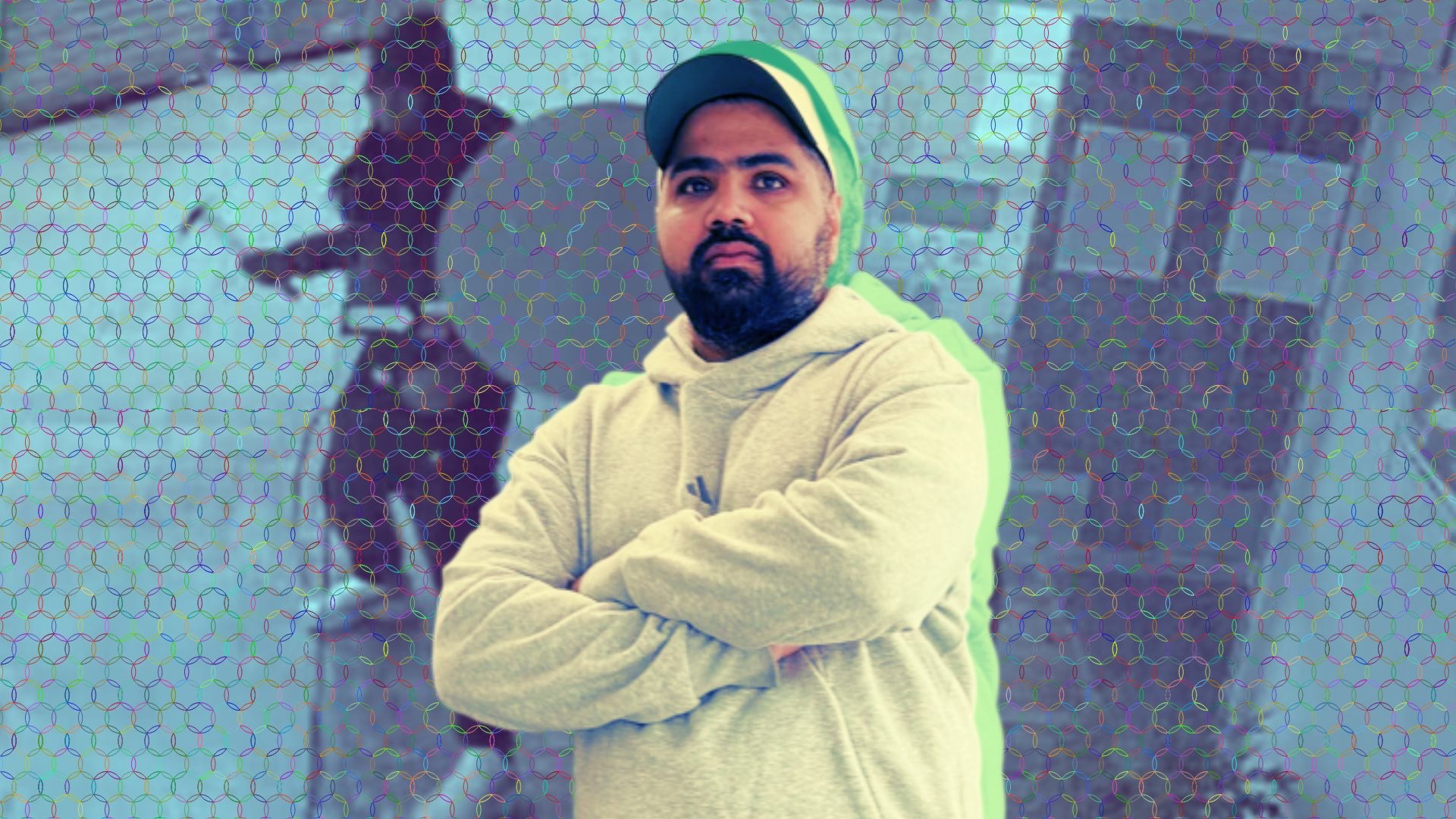
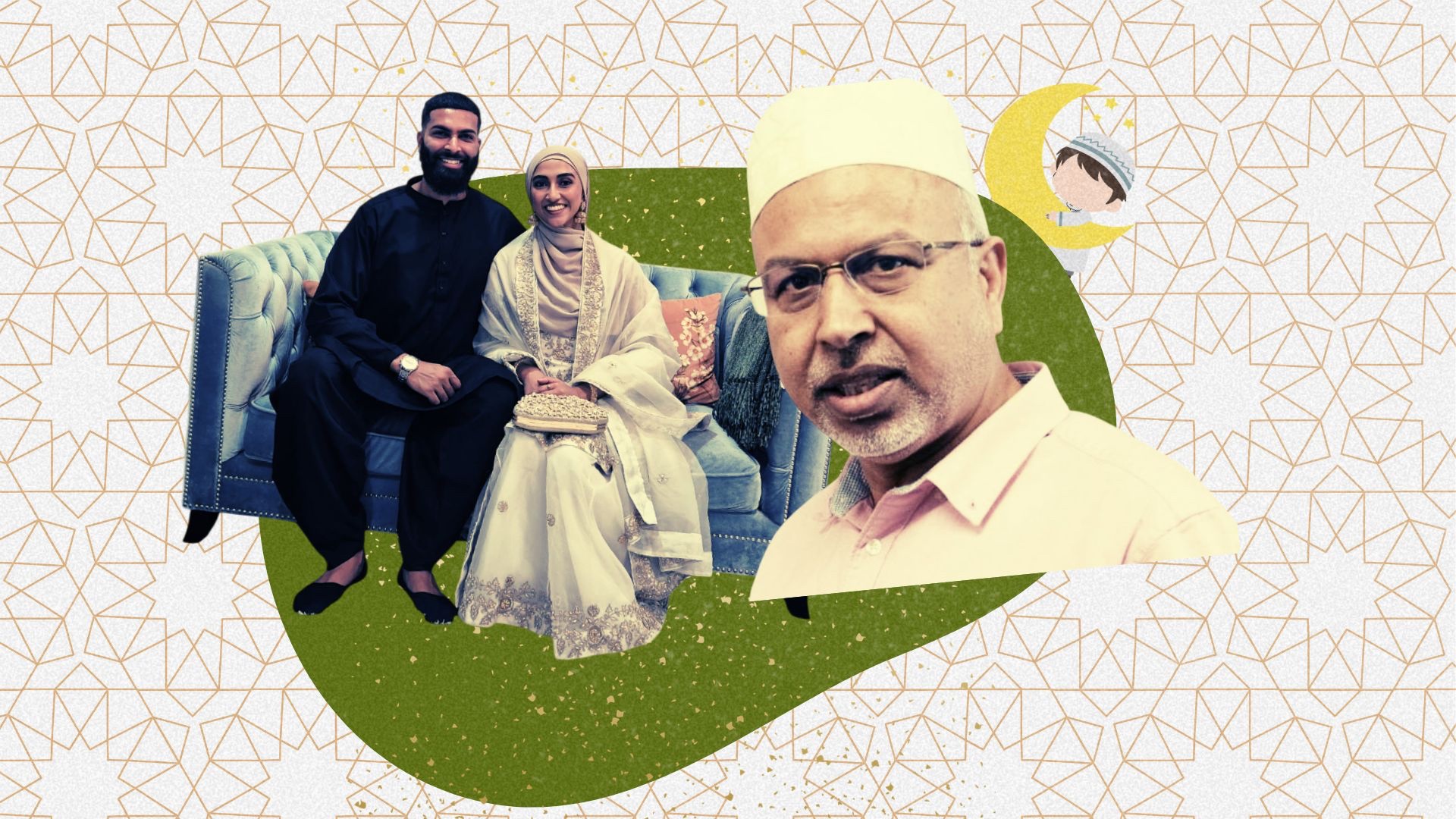
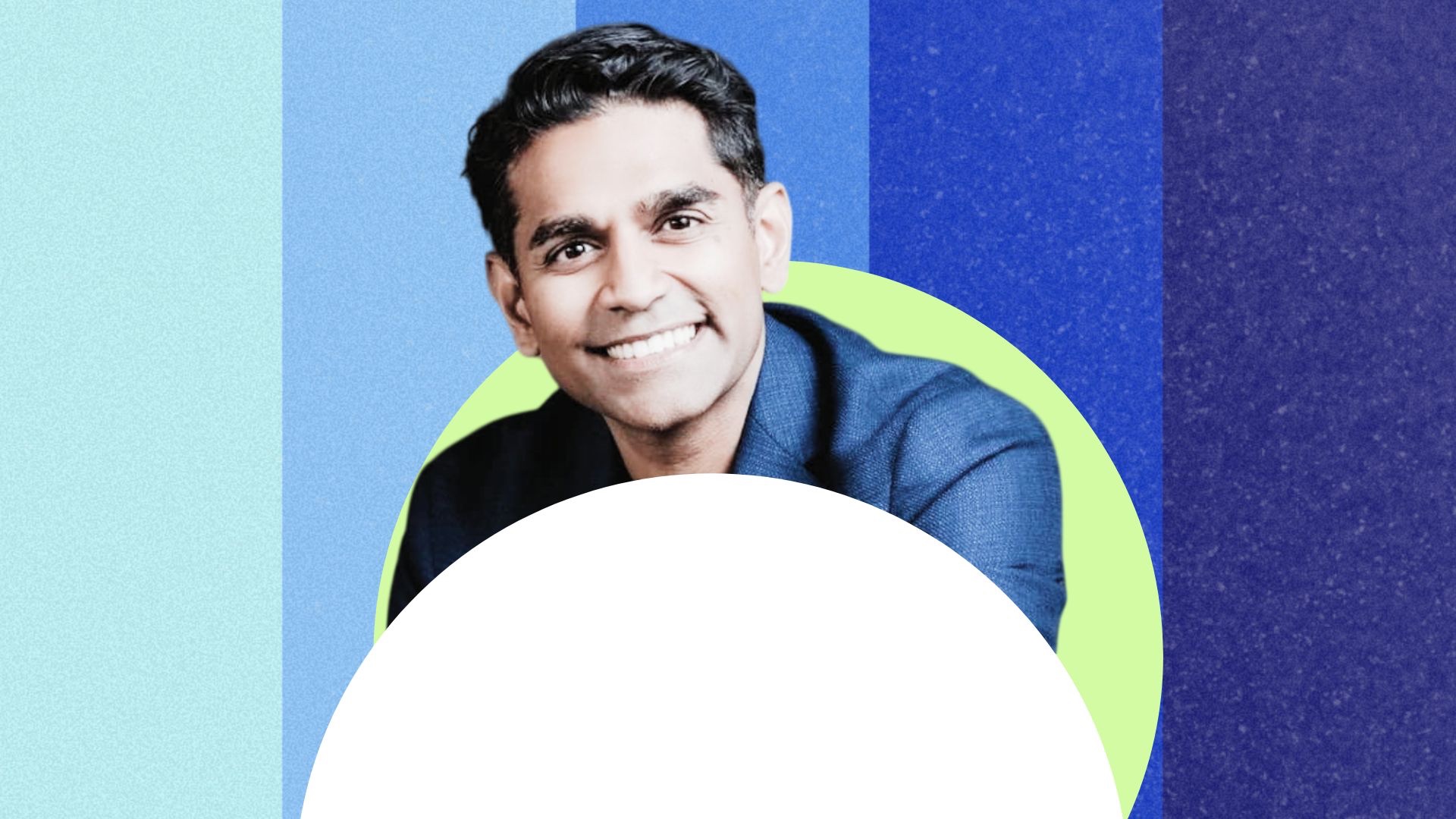
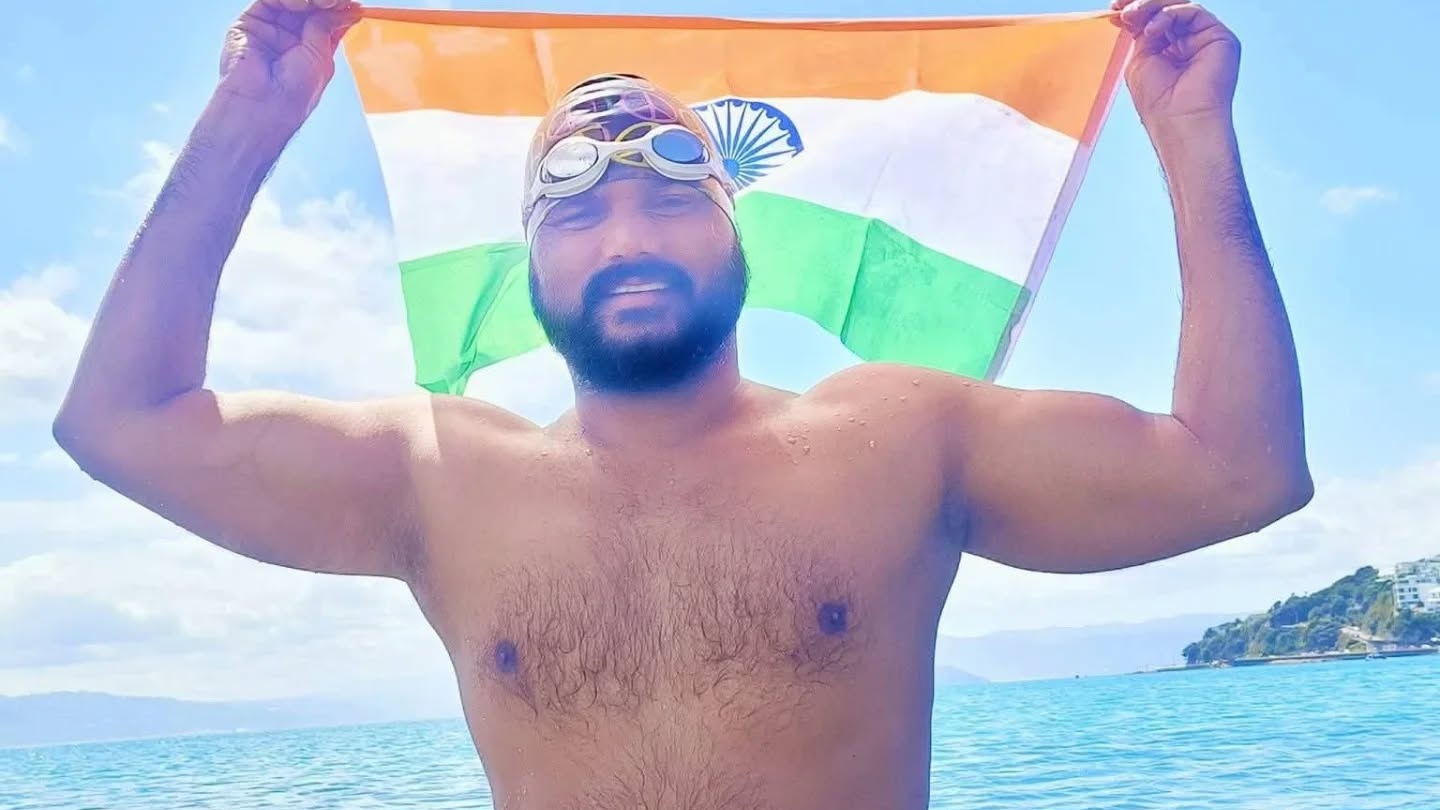
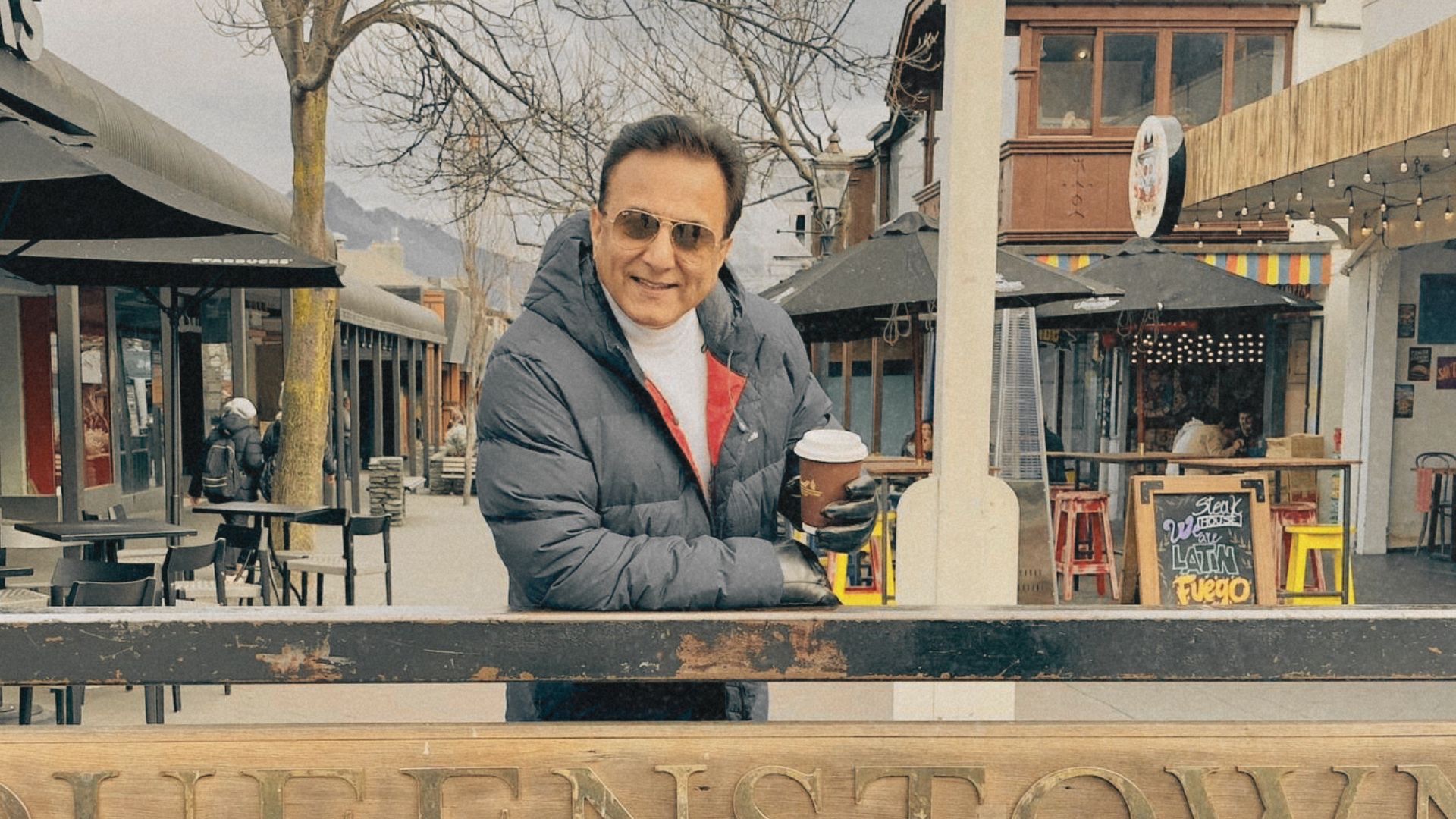
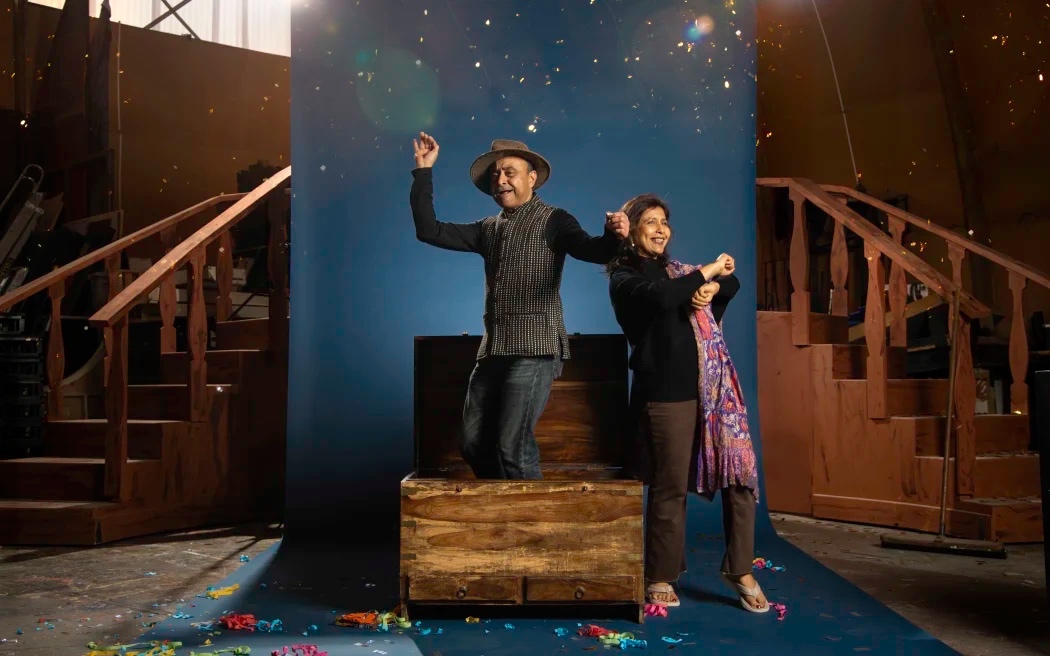
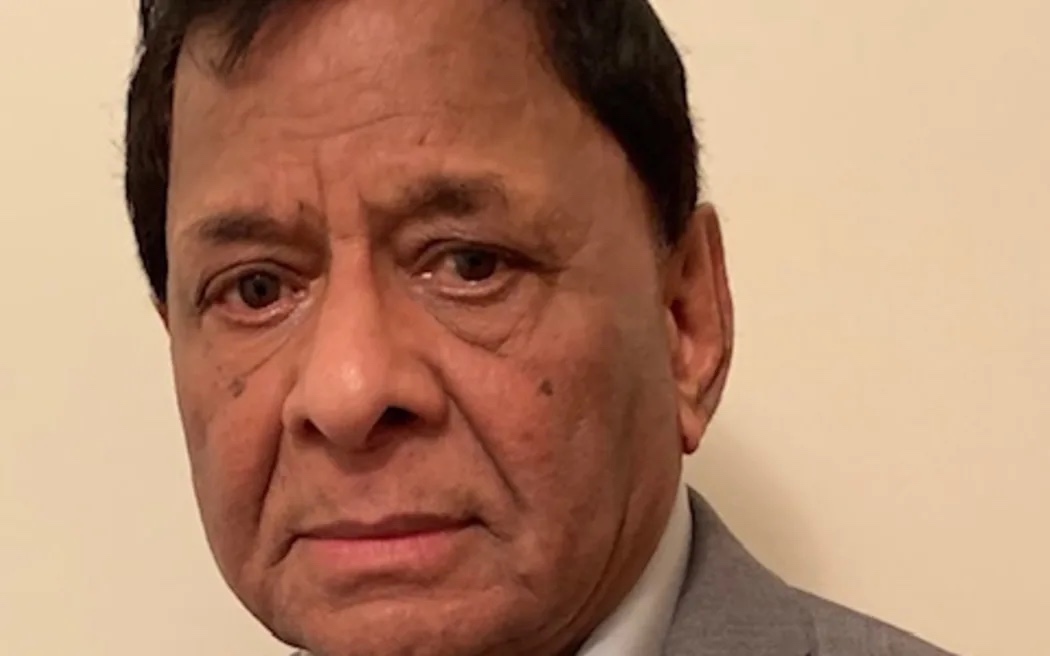
Arnav Taode first experienced Auckland Diwali as a newcomer to New Zealand more than a decade ago. (Supplied photo)
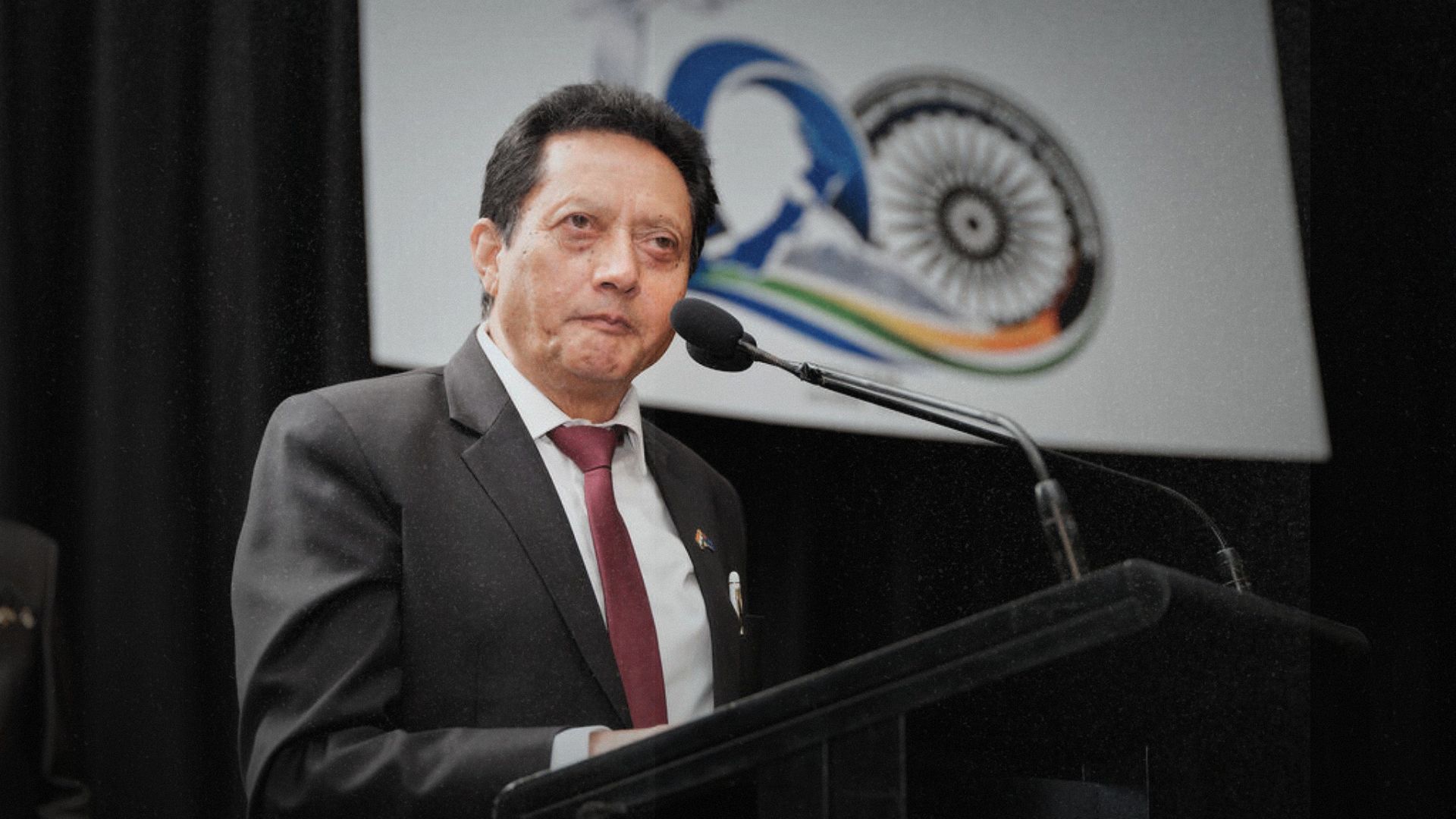
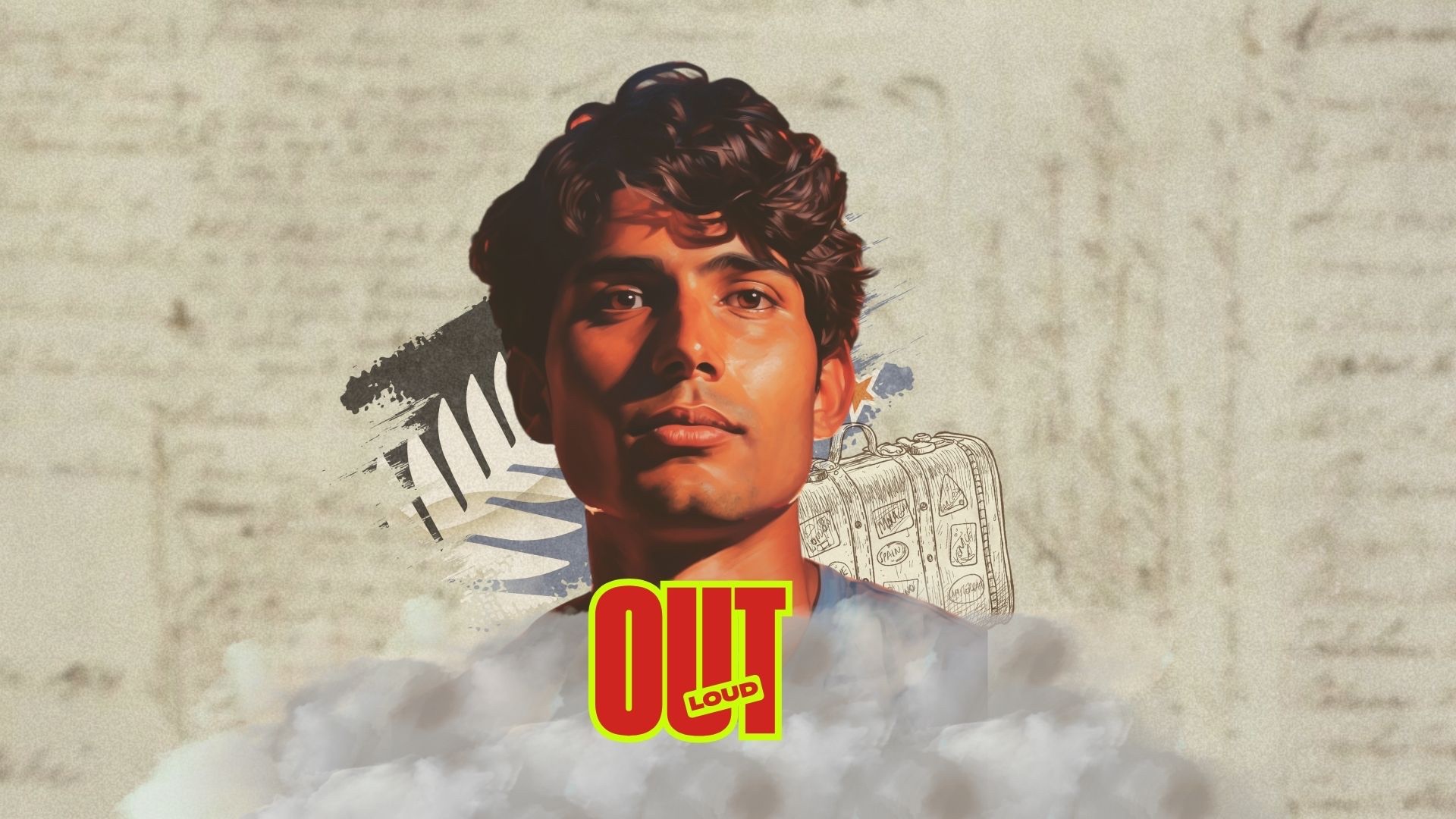
Taode brings his passion for Indian arts and culture to his first year managing BNZ Auckland Diwali 2026.
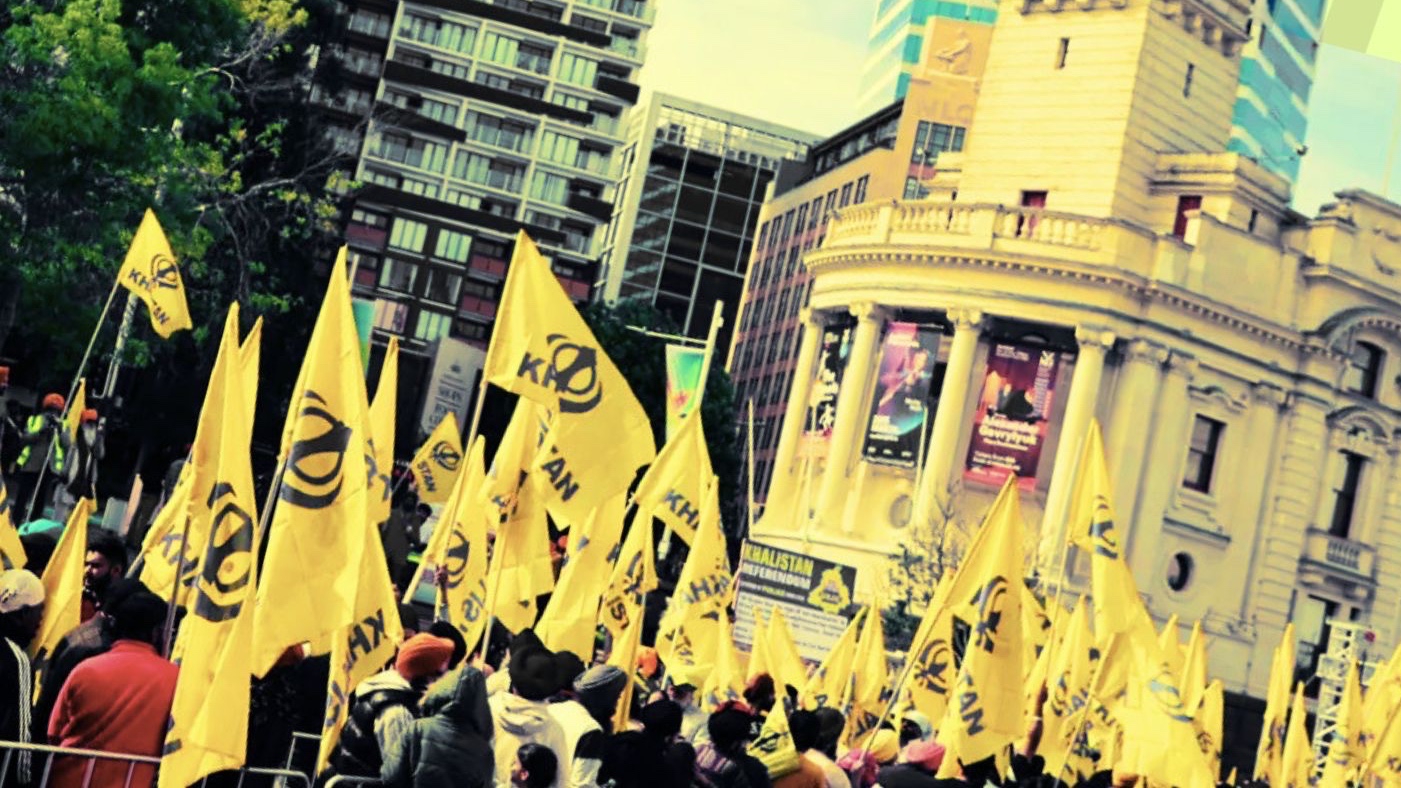
The first time Arnav Taode attended Auckland's Diwali festival, he was struck by something he had never imagined finding in a foreign country: an entire section of its biggest city's commercial heart given over to celebrating Indian culture.
He had arrived in New Zealand not long before, and the familiar languages, smells of Indian food and thousands of people celebrating together made an immediate impression.
More than a decade later, Taode is preparing to run the very festival that gave him his first powerful sense of belonging in his adopted country.
As event manager of BNZ Auckland Diwali, he is overseeing the 24th edition of the festival, which will take place on October 31 and November 1 in central Auckland. It is his first year in charge, after joining Auckland Council's cultural festivals team about a year ago.
"Suddenly, you hear your language, you hear the smell of the food, and you just feel like you're surrounded by your community," he recalls of his first visit in 2014.
From designing restaurants to running Auckland Diwali: The many lives of Arnav Taode Taode brings his passion for Indian arts and culture to his first year managing BNZ Auckland Diwali 2026.
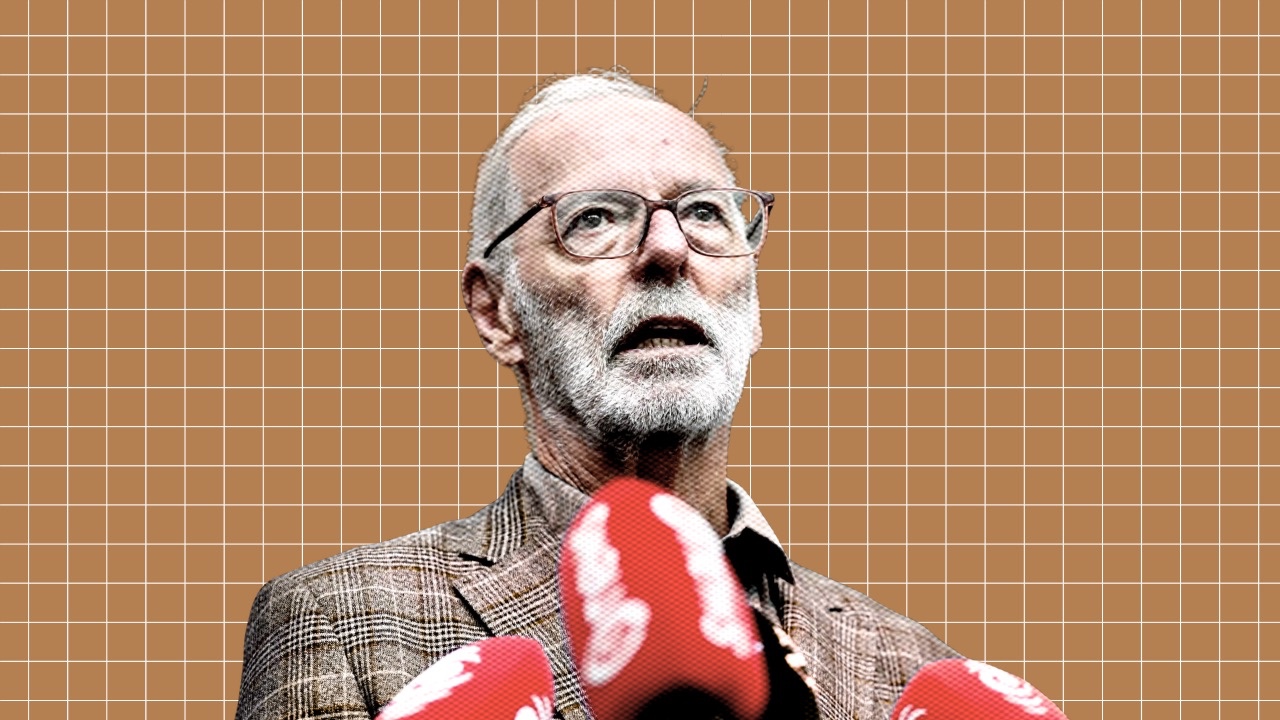
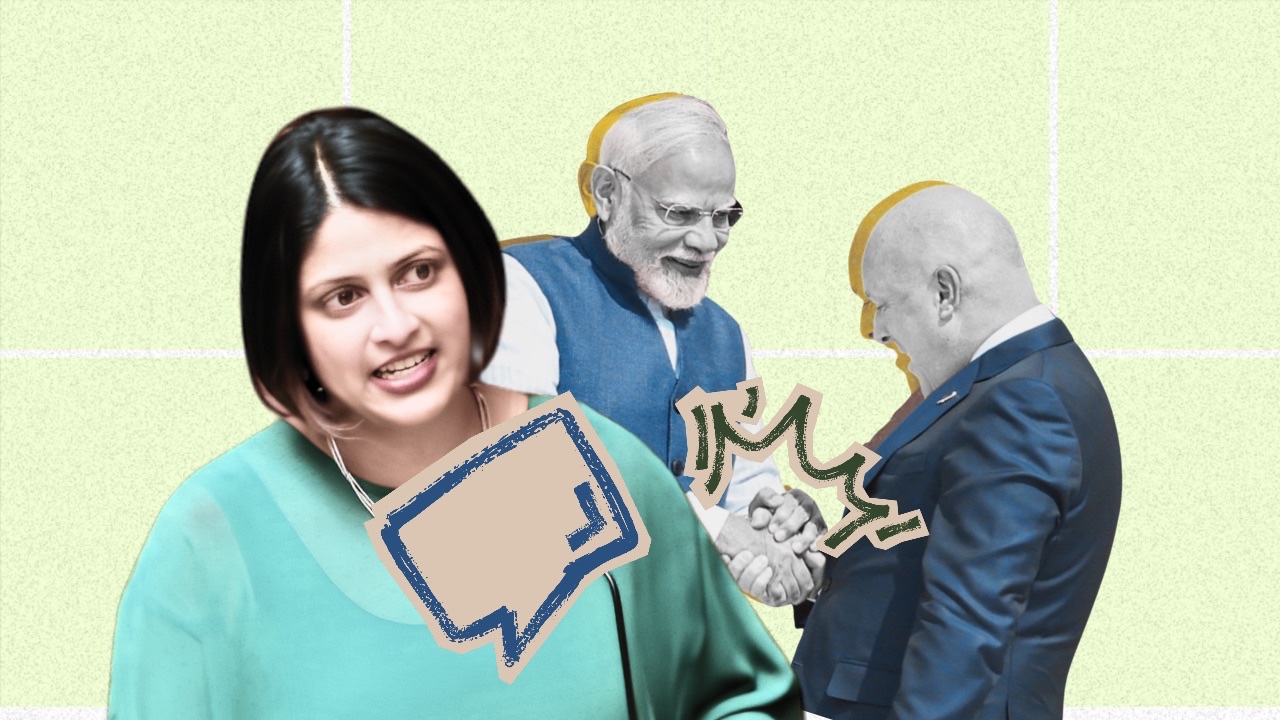
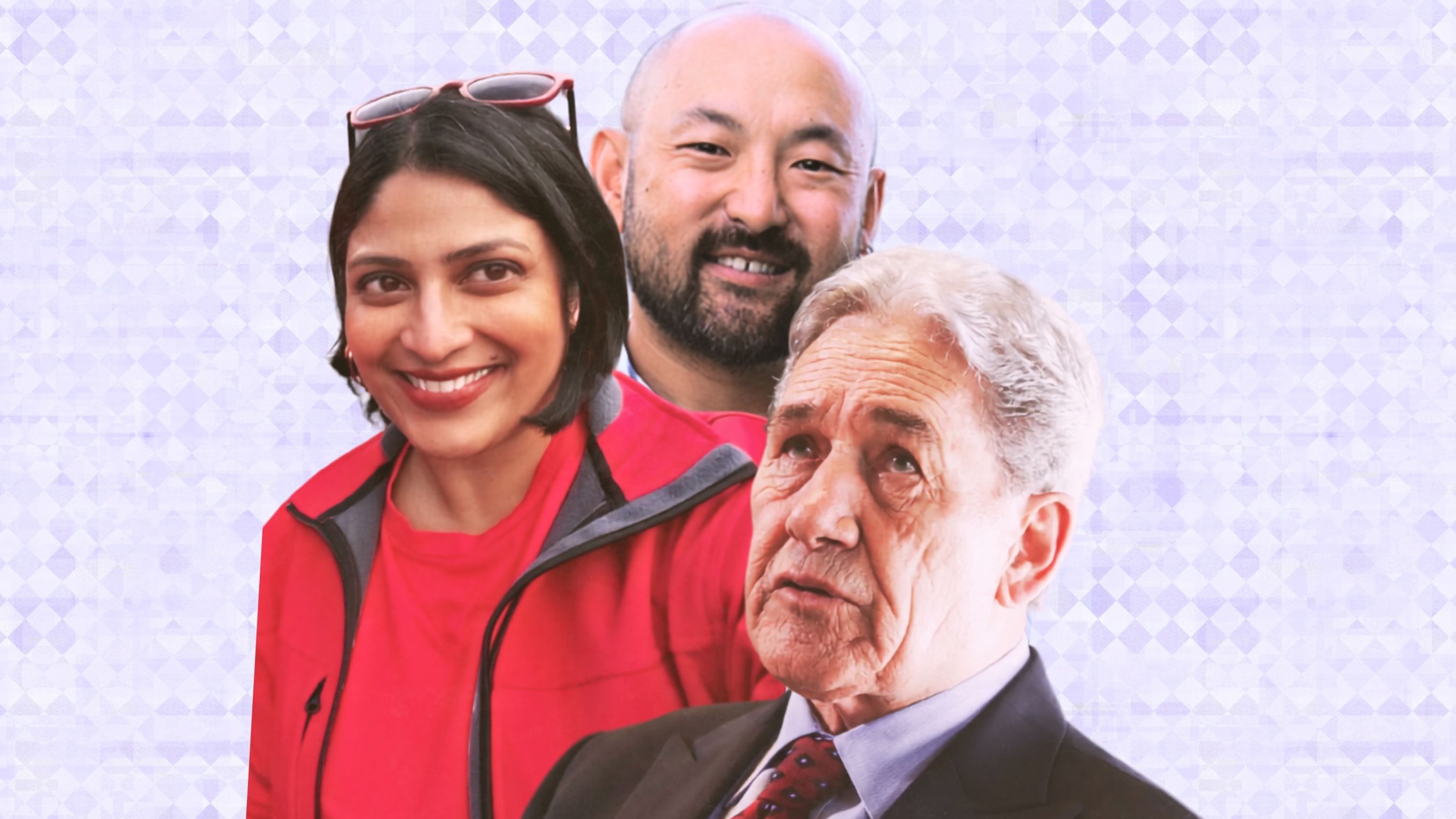
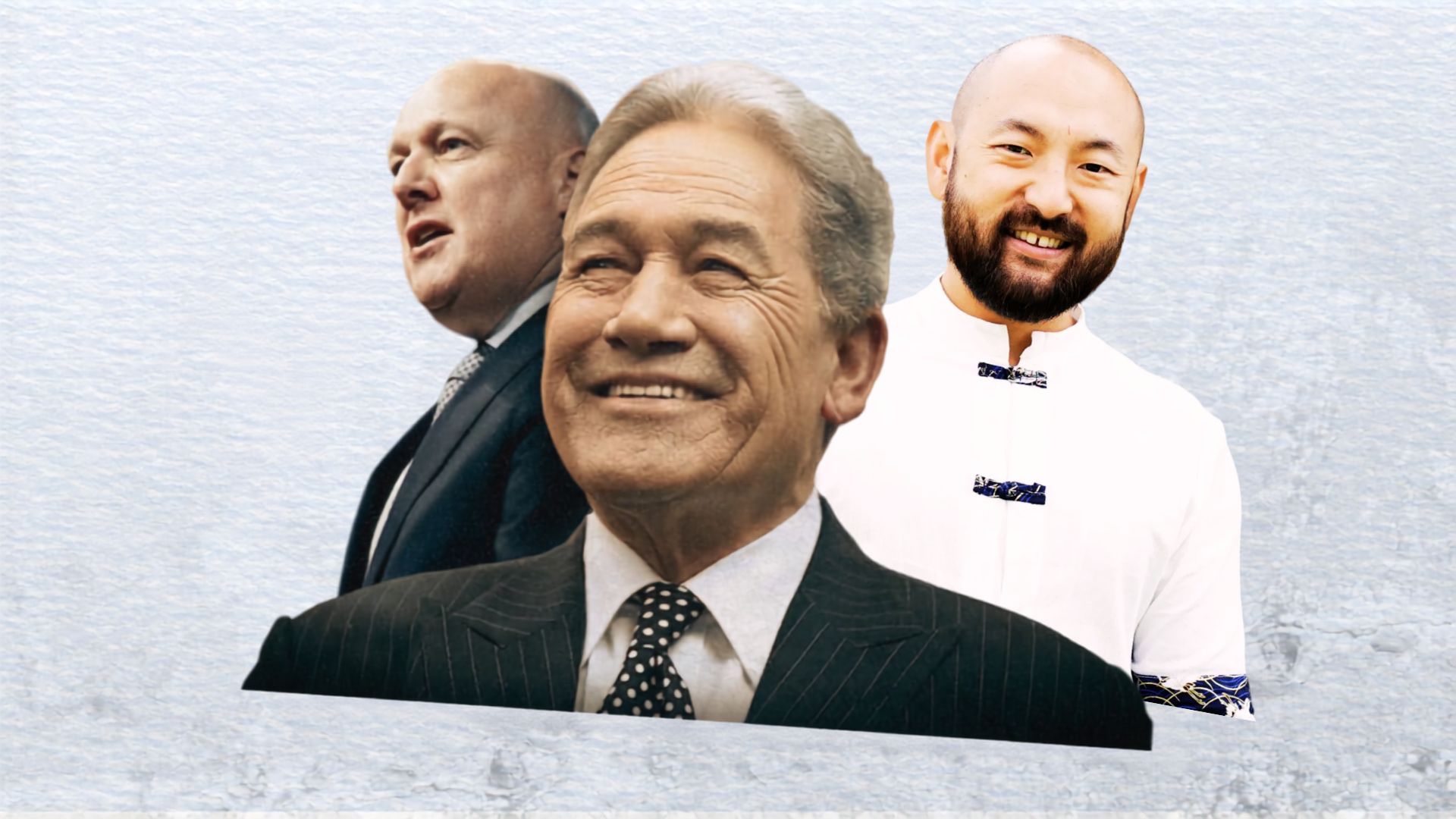
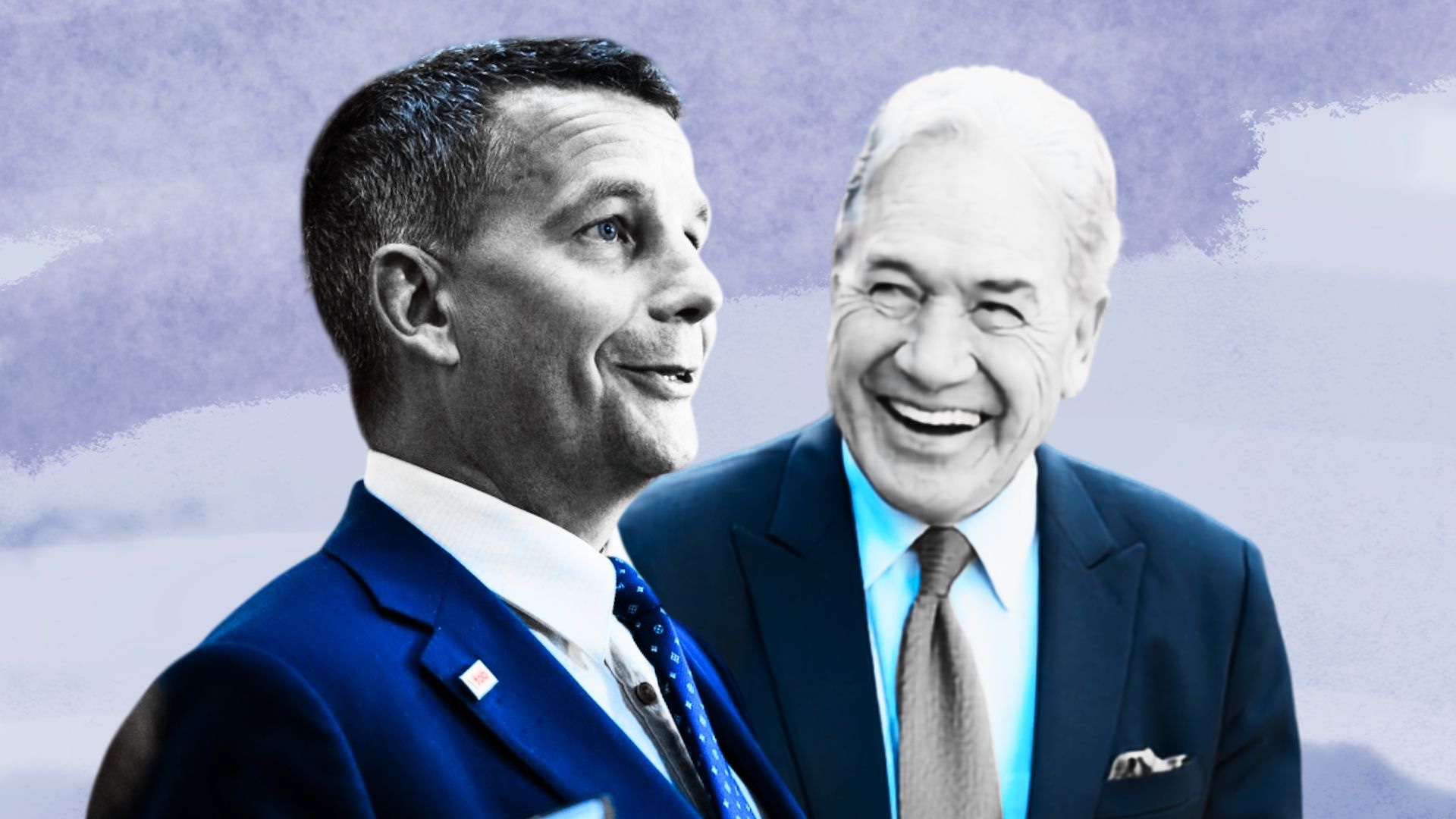
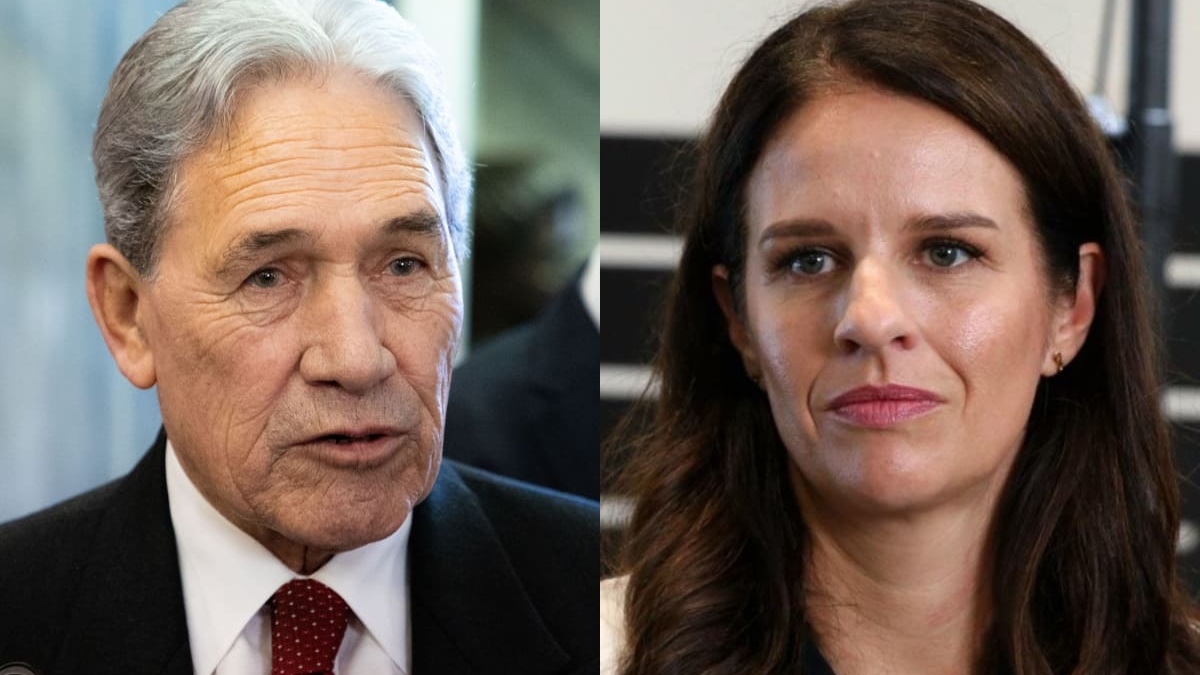
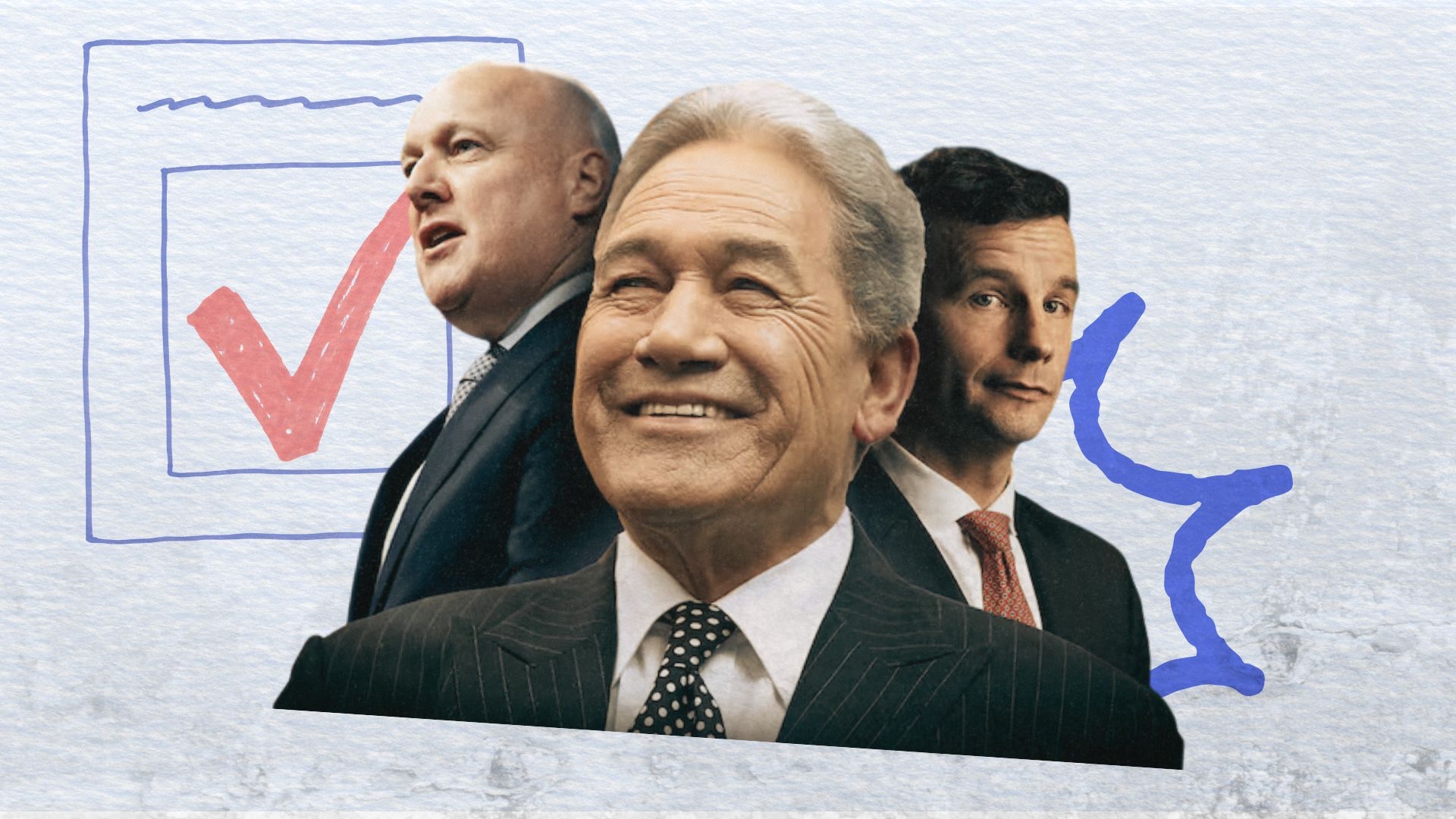
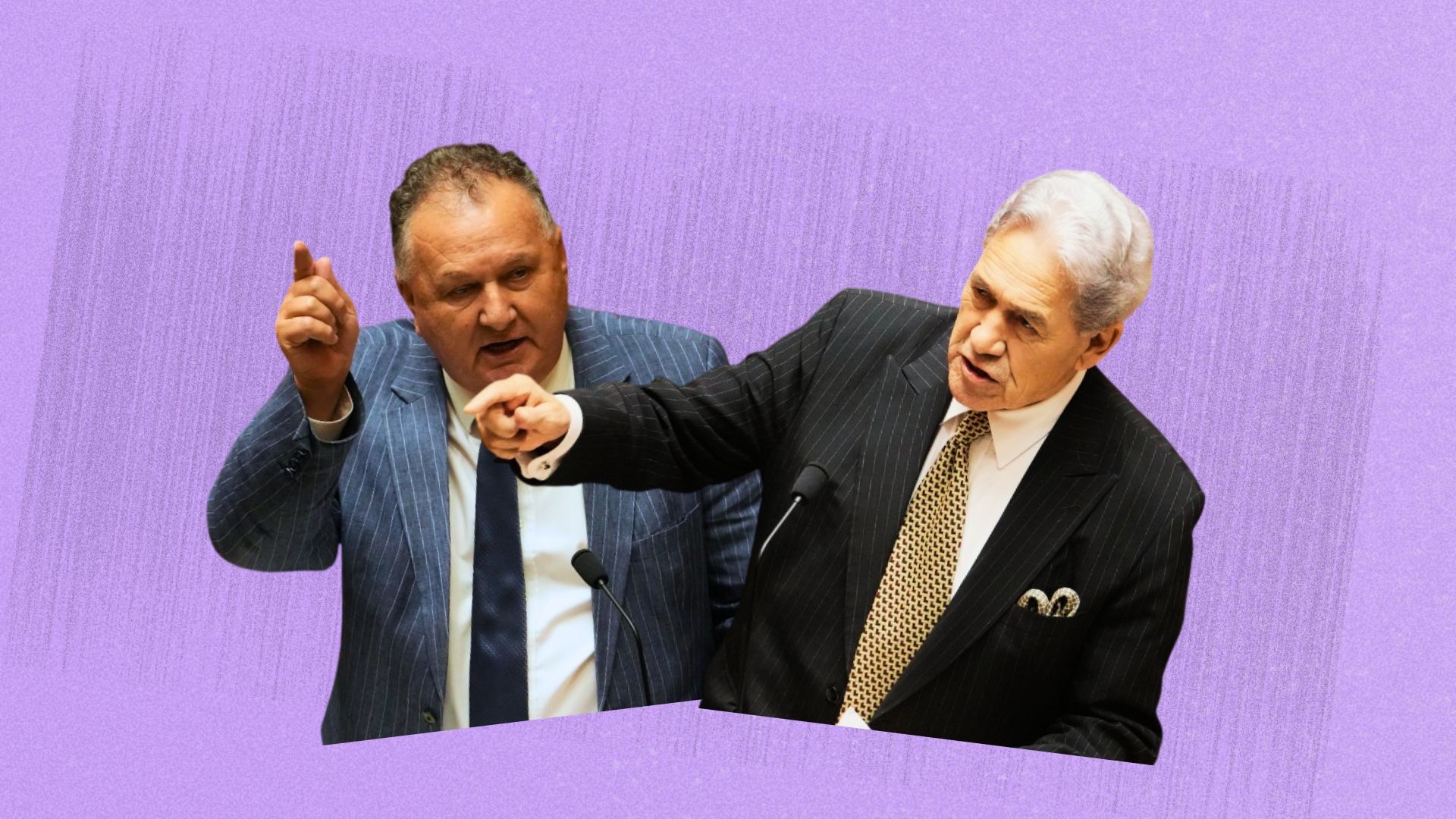
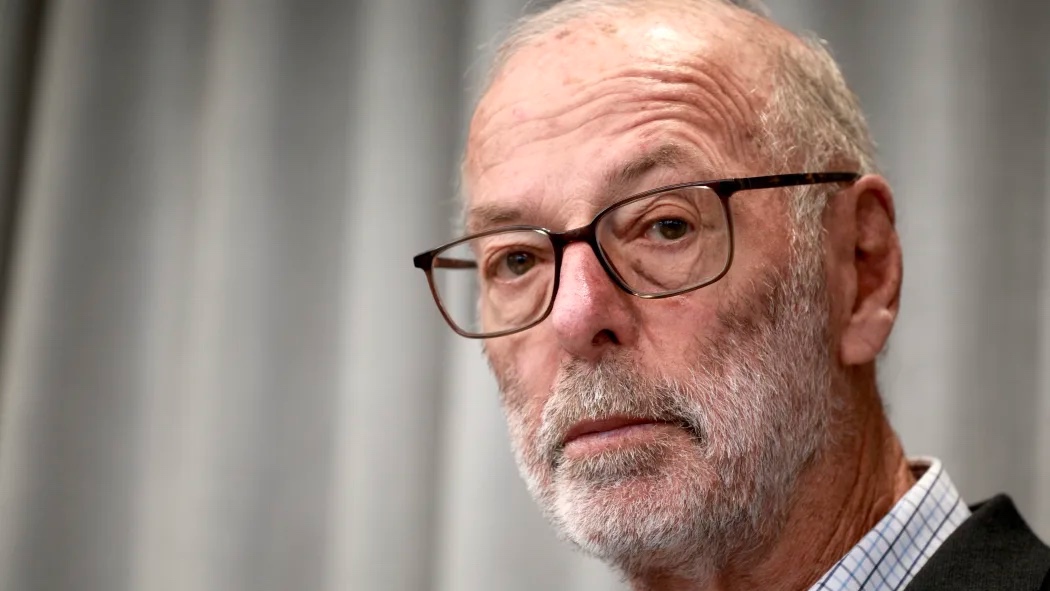
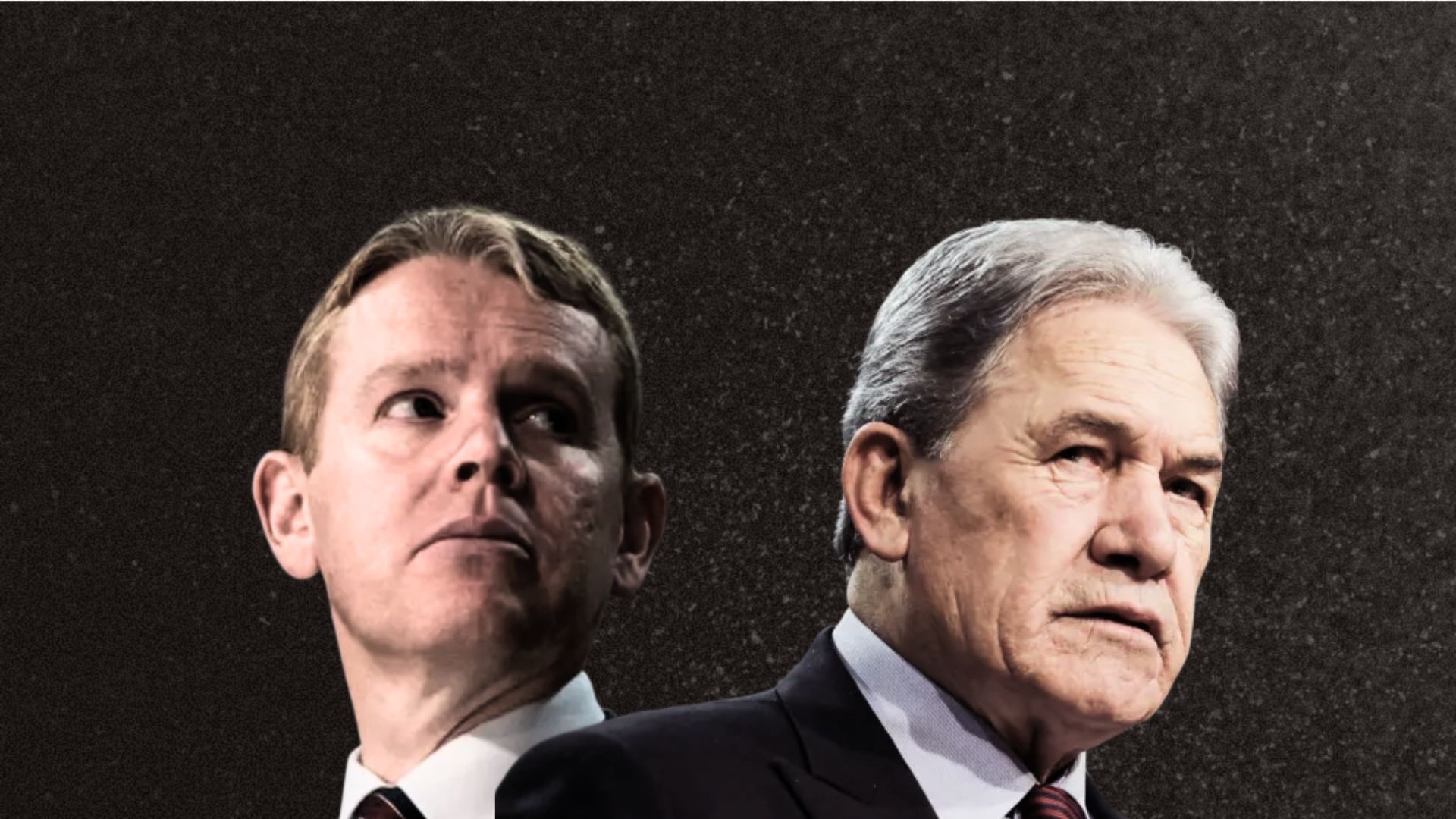
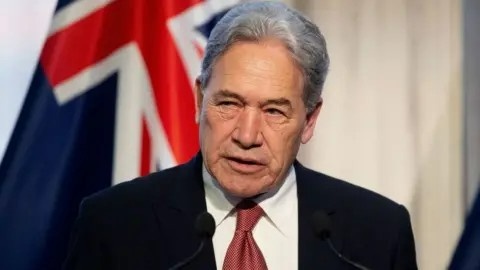
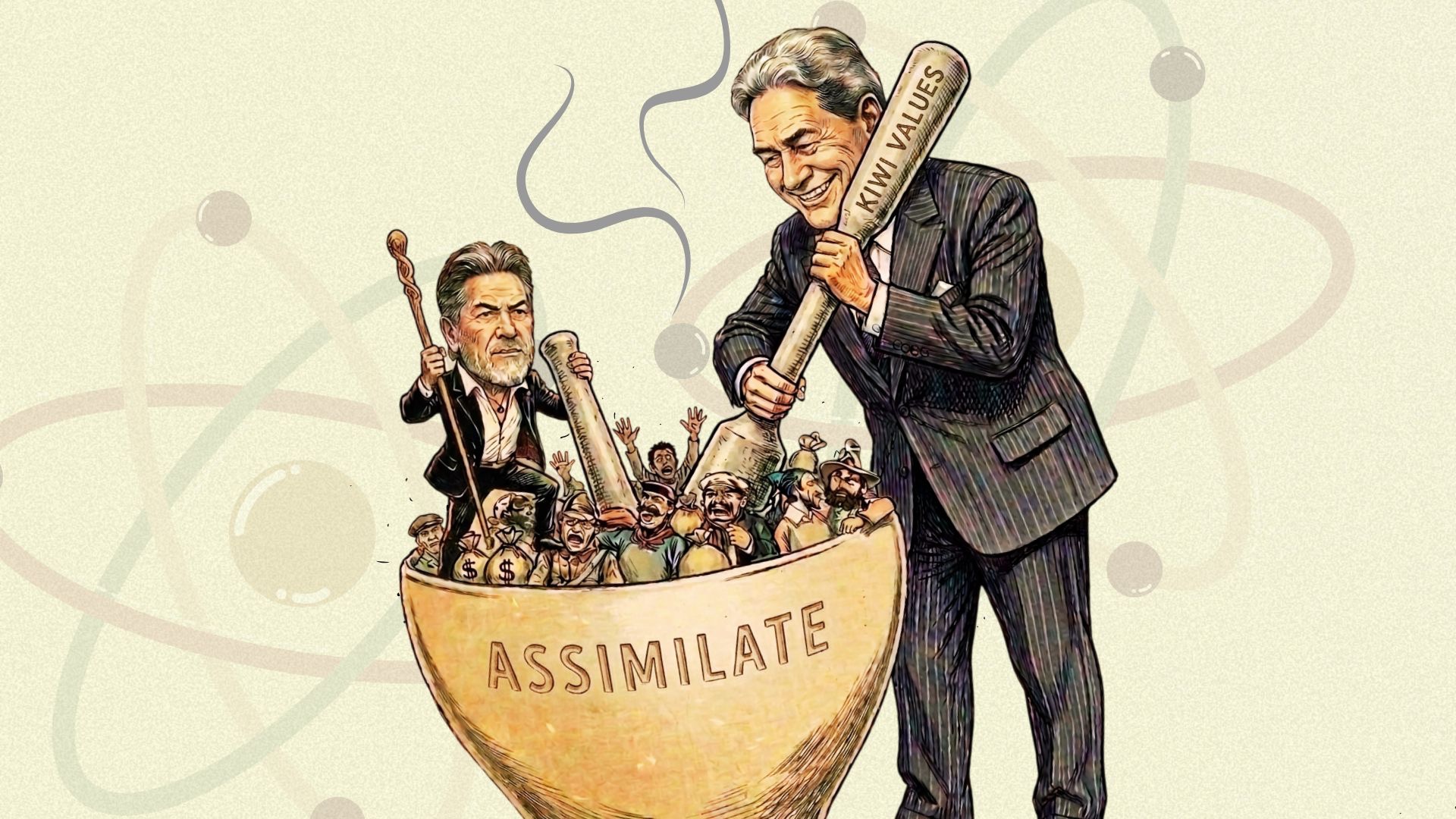
Winston Peters says ‘diversity is disunity’. What does the evidence tell us? Evidence from business, sport and social policy suggests diversity can strengthen economies and cohesion but on one condition.
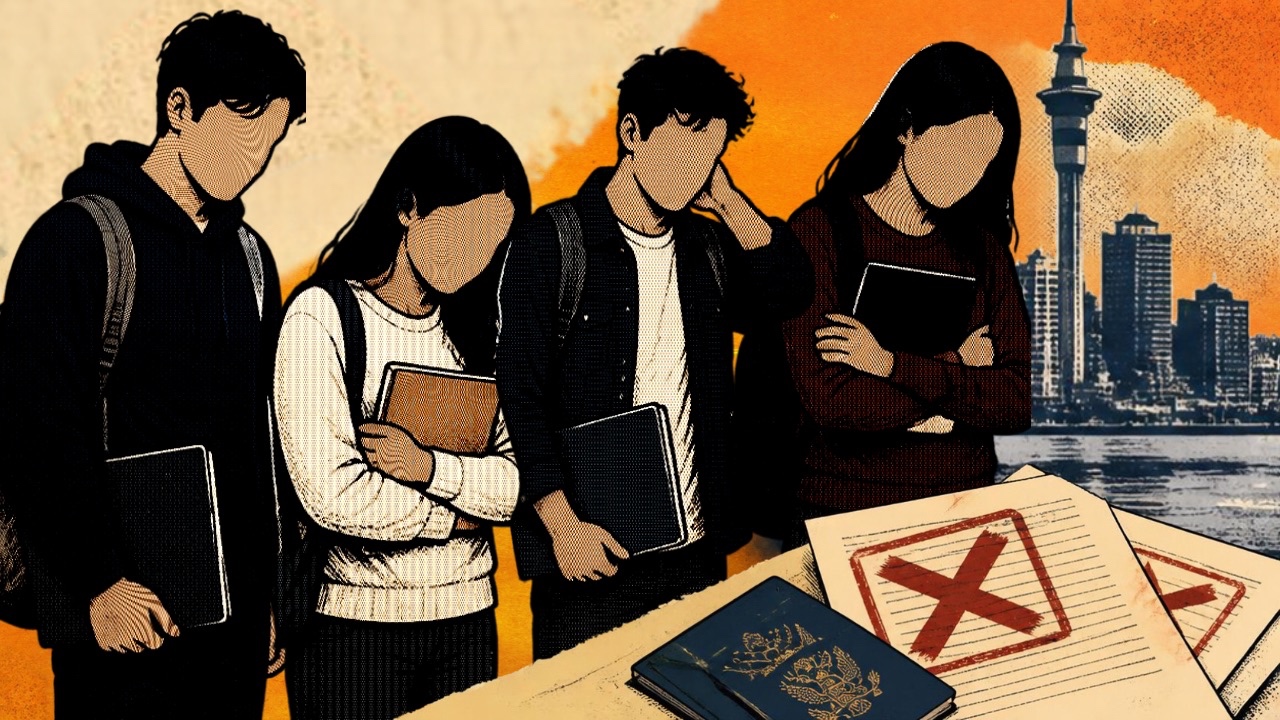
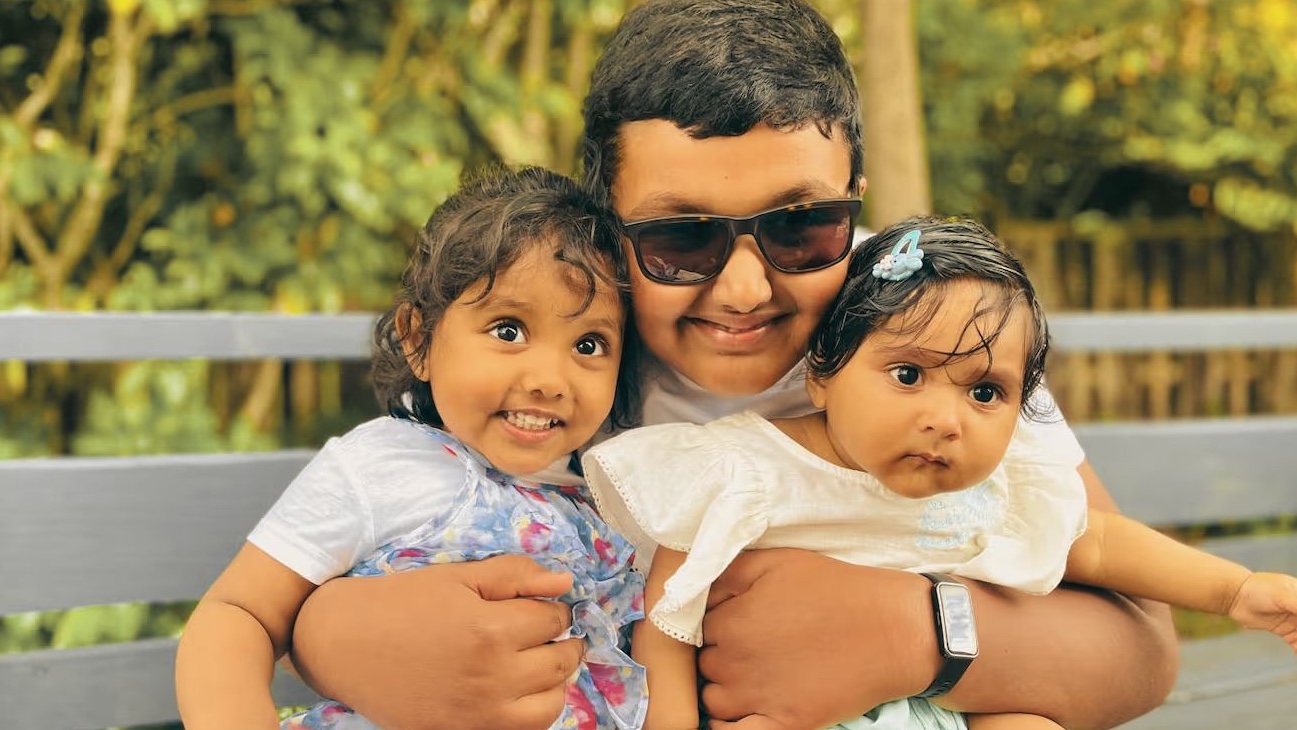
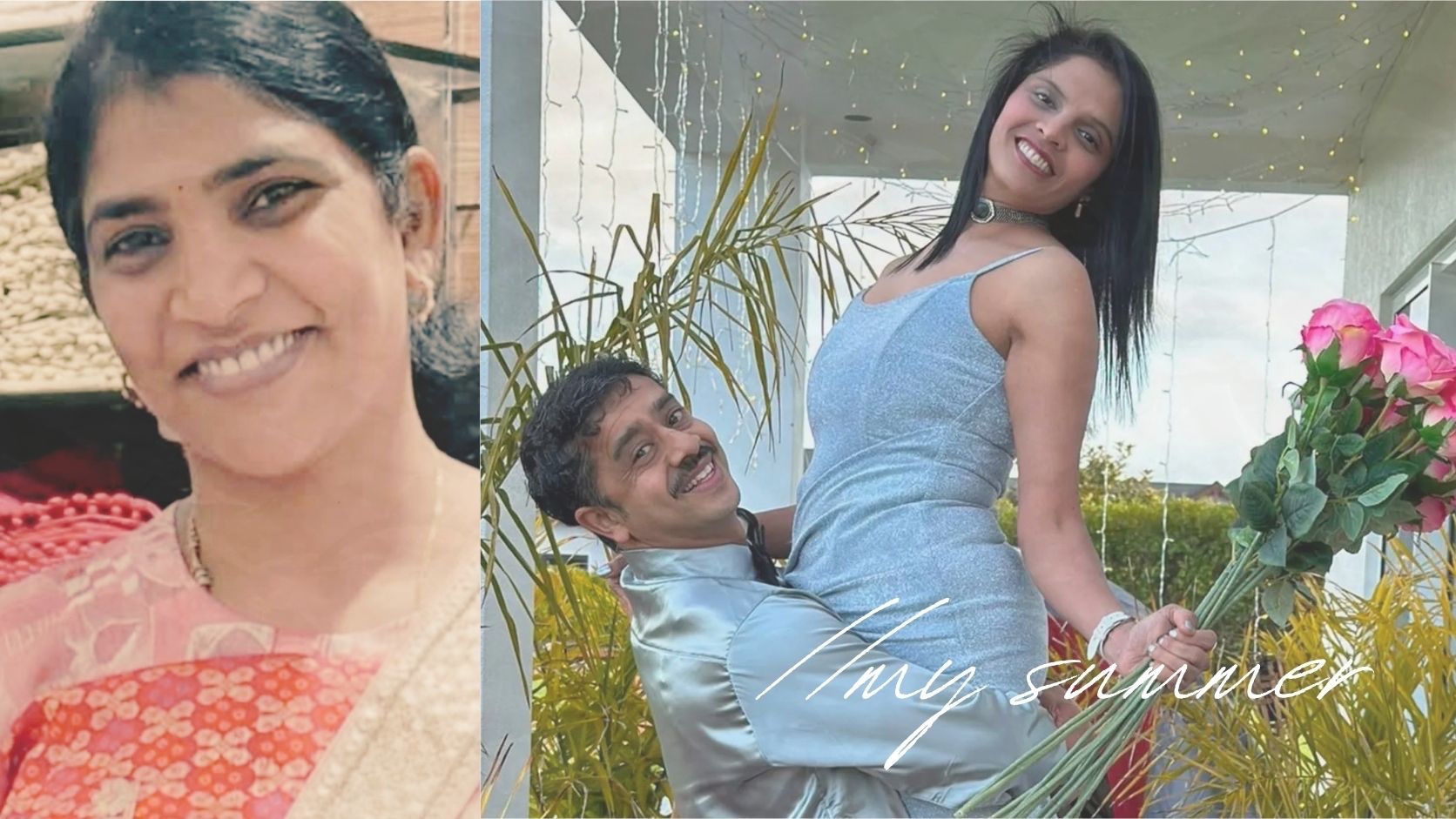
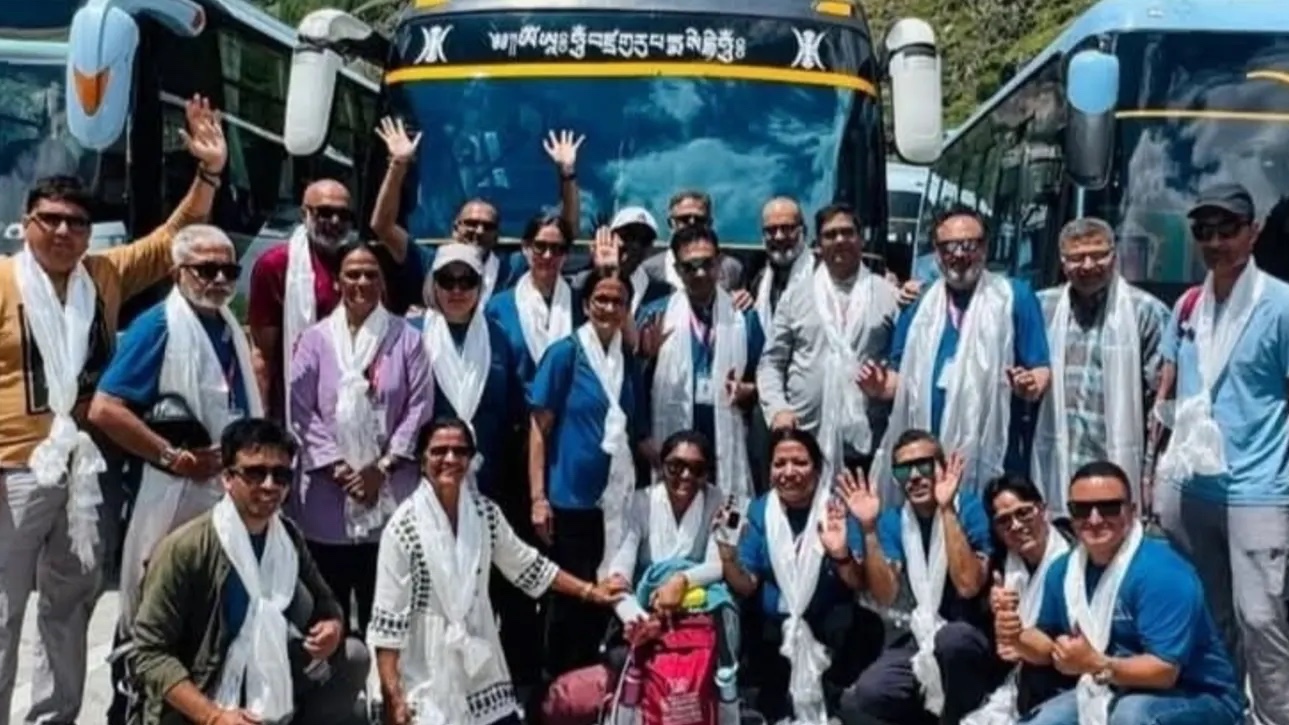
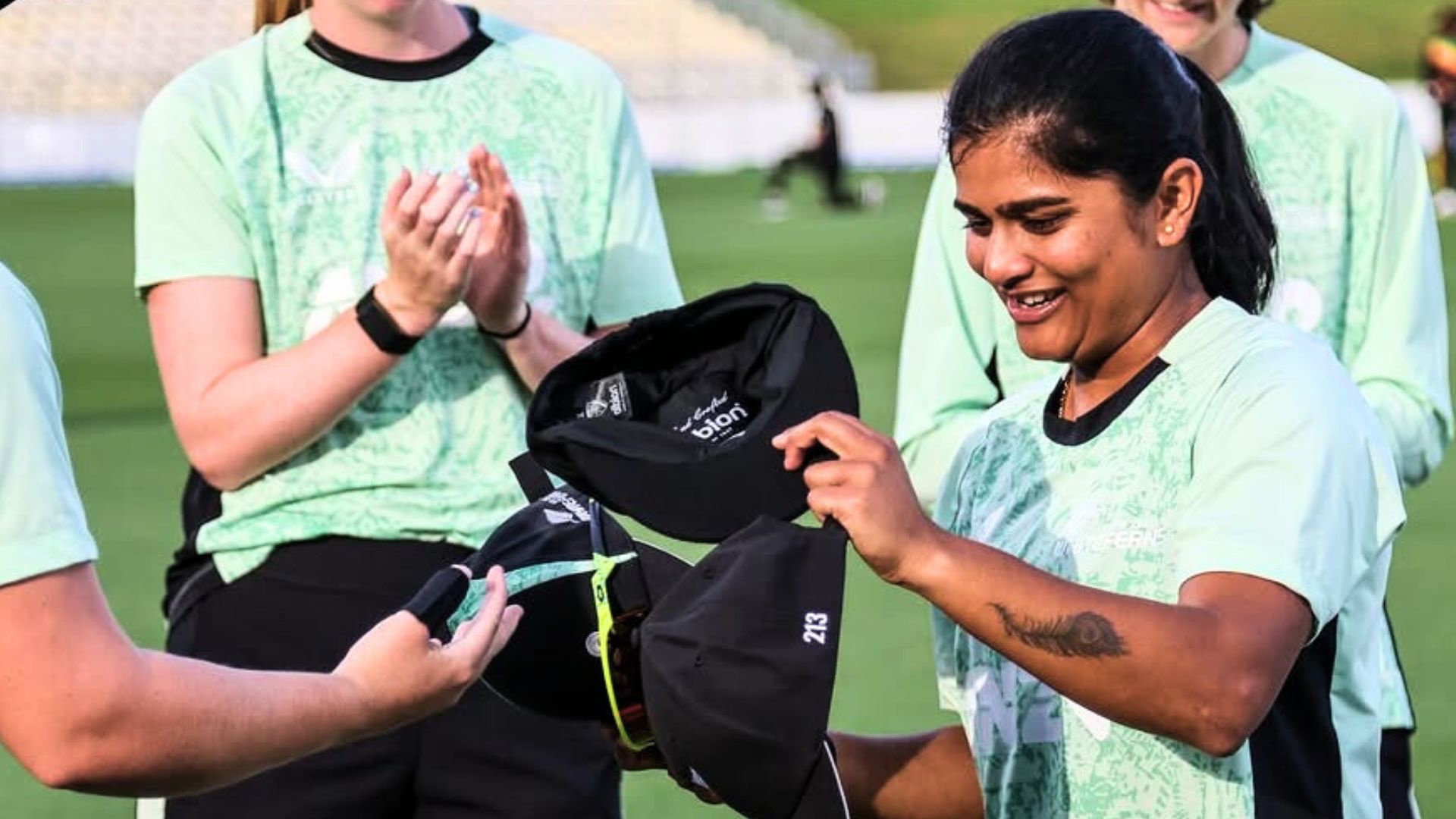
Baby born in Sri Lanka to New Zealand residents caught in limbo after Down syndrome diagnosis Immigration tribunal orders fresh residence assessment after finding a “serious mistake” by immigration officials.
"Truly, number one, I felt super welcome. I felt like I'm not alone. And I also felt like this country really respects our culture."
What surprised him most was the scale of the city's embrace of a celebration that had its origins thousands of kilometres away.
"I never expected or imagined a country ... or a city which will lock down their main commercial hub, and make it a space of celebration of a culture that is not their own."
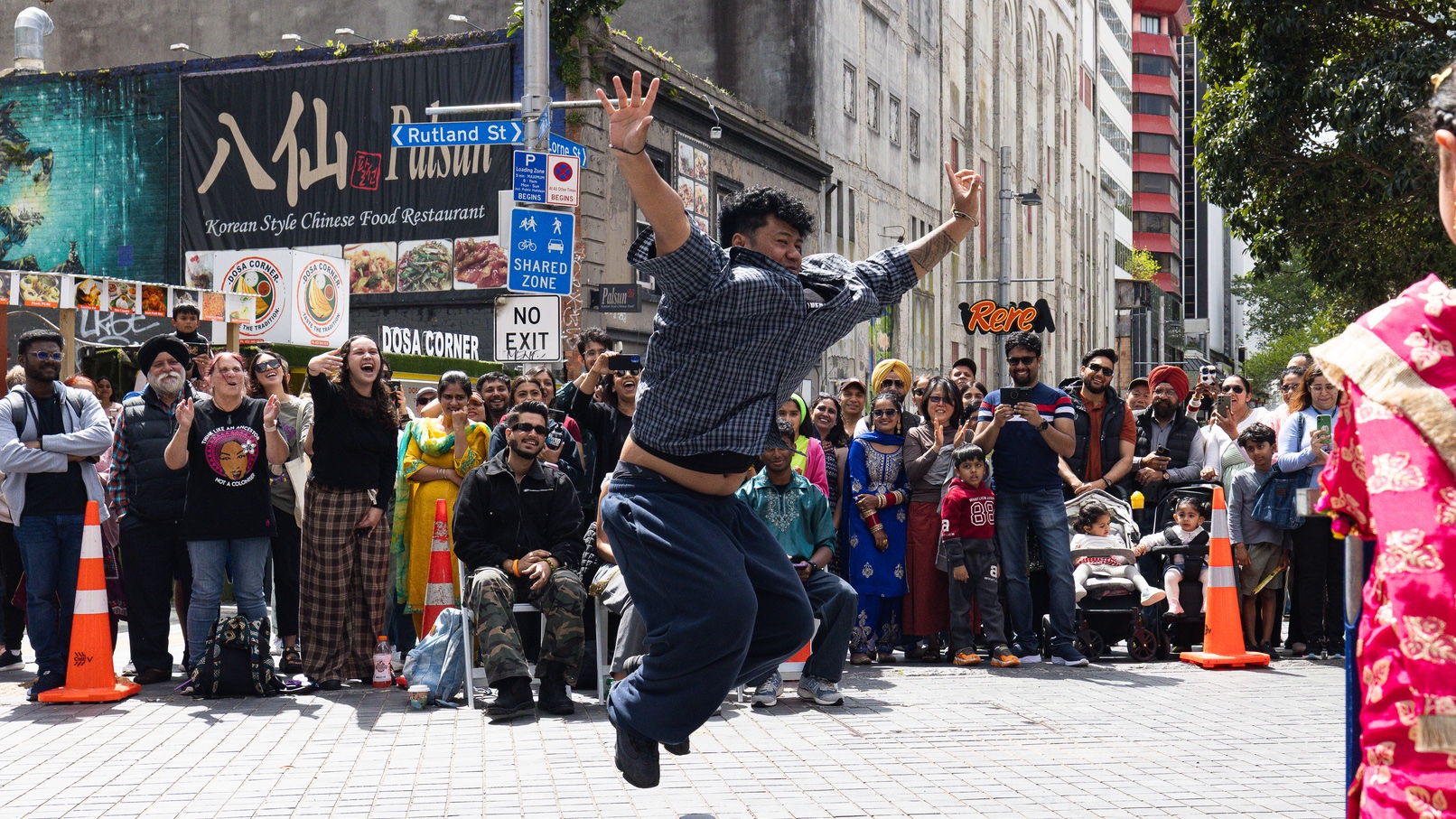
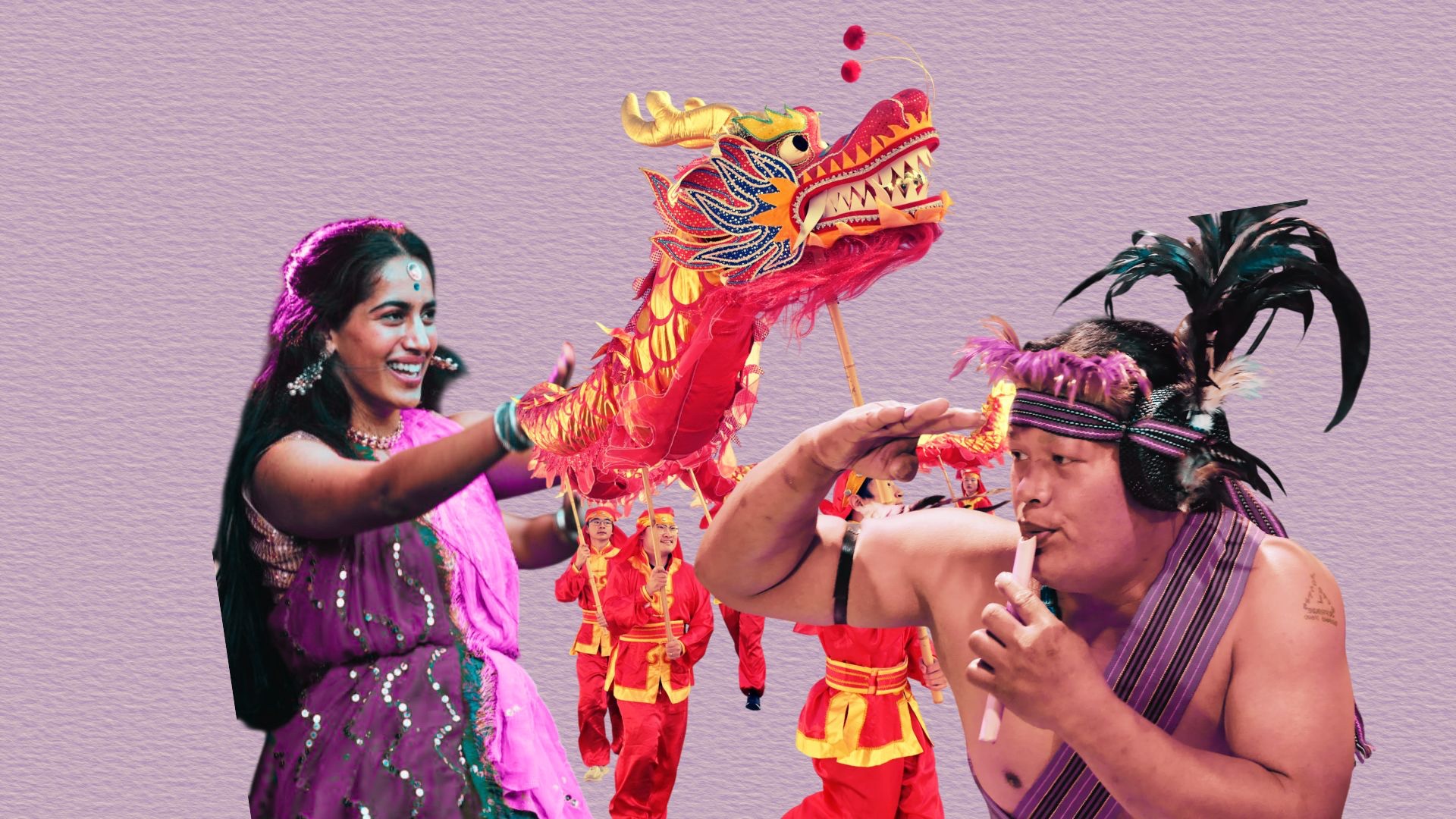
A street dance performance brings colour and energy to BNZ Auckland Diwali. (Supplied photo)
His own understanding of cultural diversity had begun much earlier, growing up in an Indian army family that moved between different parts of the country.
Life in military cantonments meant neighbours came from different states, spoke different languages and celebrated different festivals. Diwali, Eid and Christmas were all occasions to visit someone's home, share food and take part in traditions beyond one's own.
That upbringing eventually found expression in his career, which would take him from working with traditional artisans in Indian villages to designing commercial spaces and managing cultural events in New Zealand.
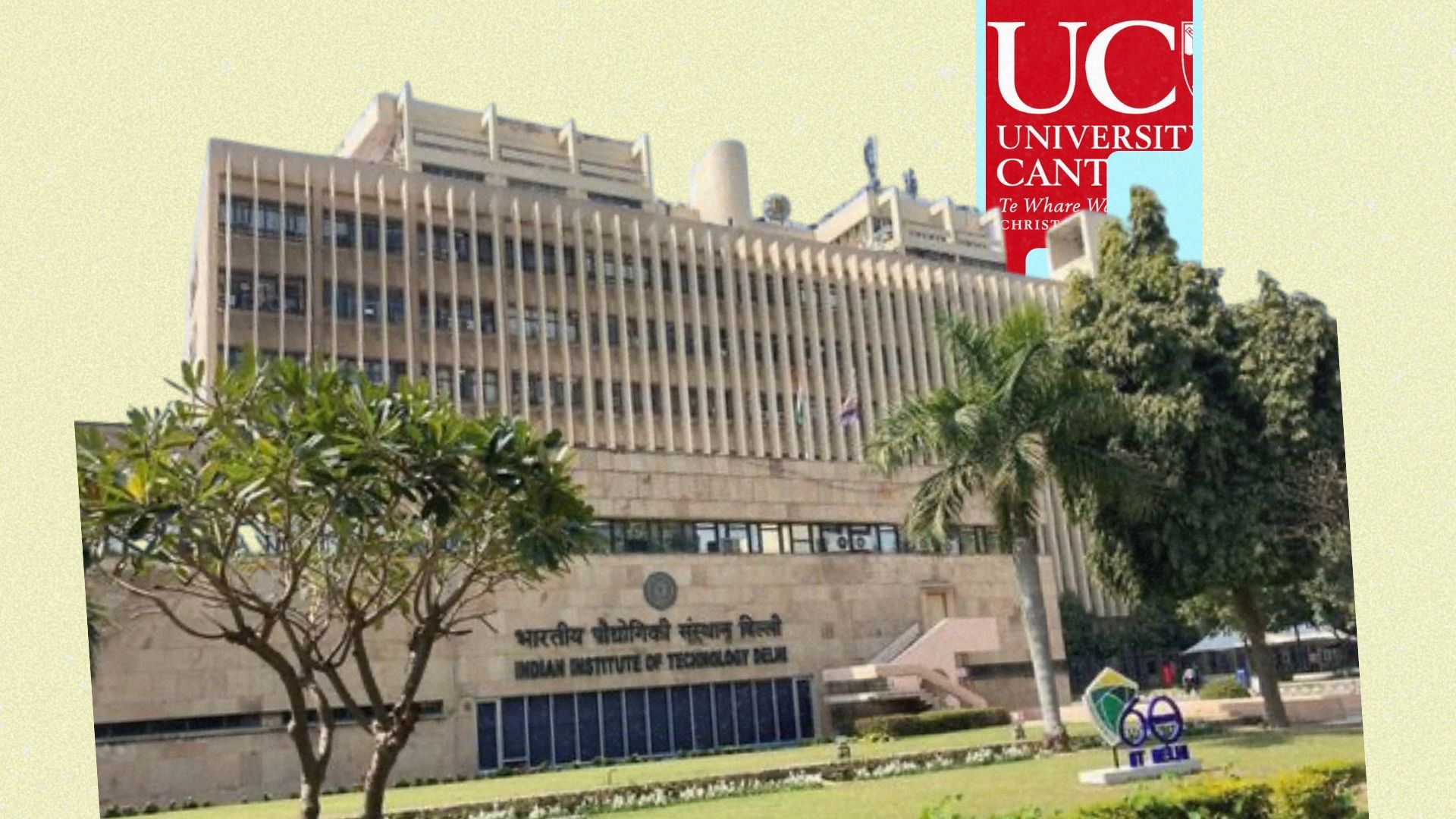
Taode studied product design at the National Institute of Fashion Technology in Hyderabad, specialising in lifestyle accessories, interiors and traditional Indian handicrafts.
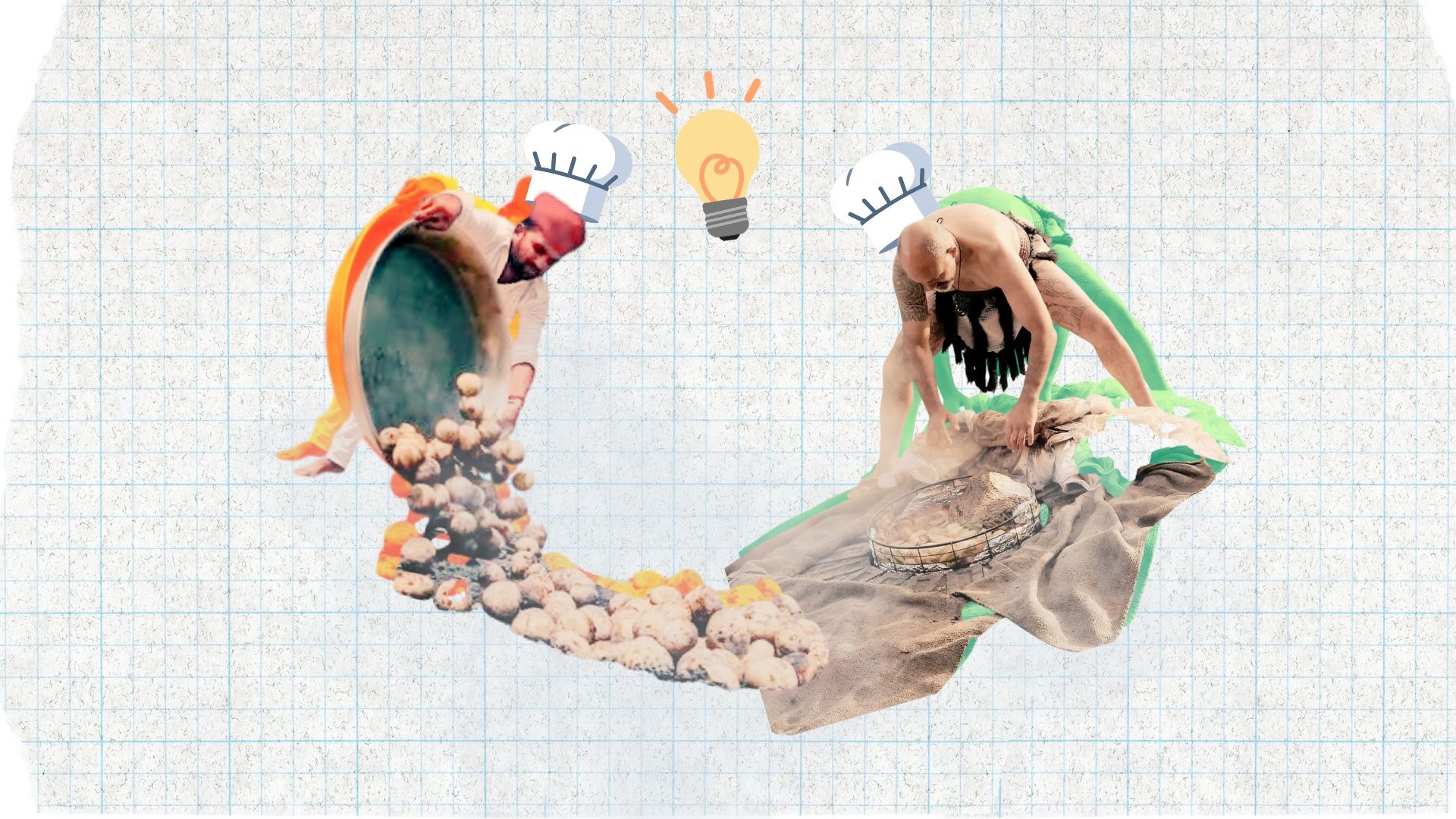
He worked with traditional craftspeople in remote parts of India, including Chhattisgarh, where artisans practised techniques such as Dhokra metalwork and terracotta. He also worked in visual merchandising and exhibition design for major Indian clothing brands.
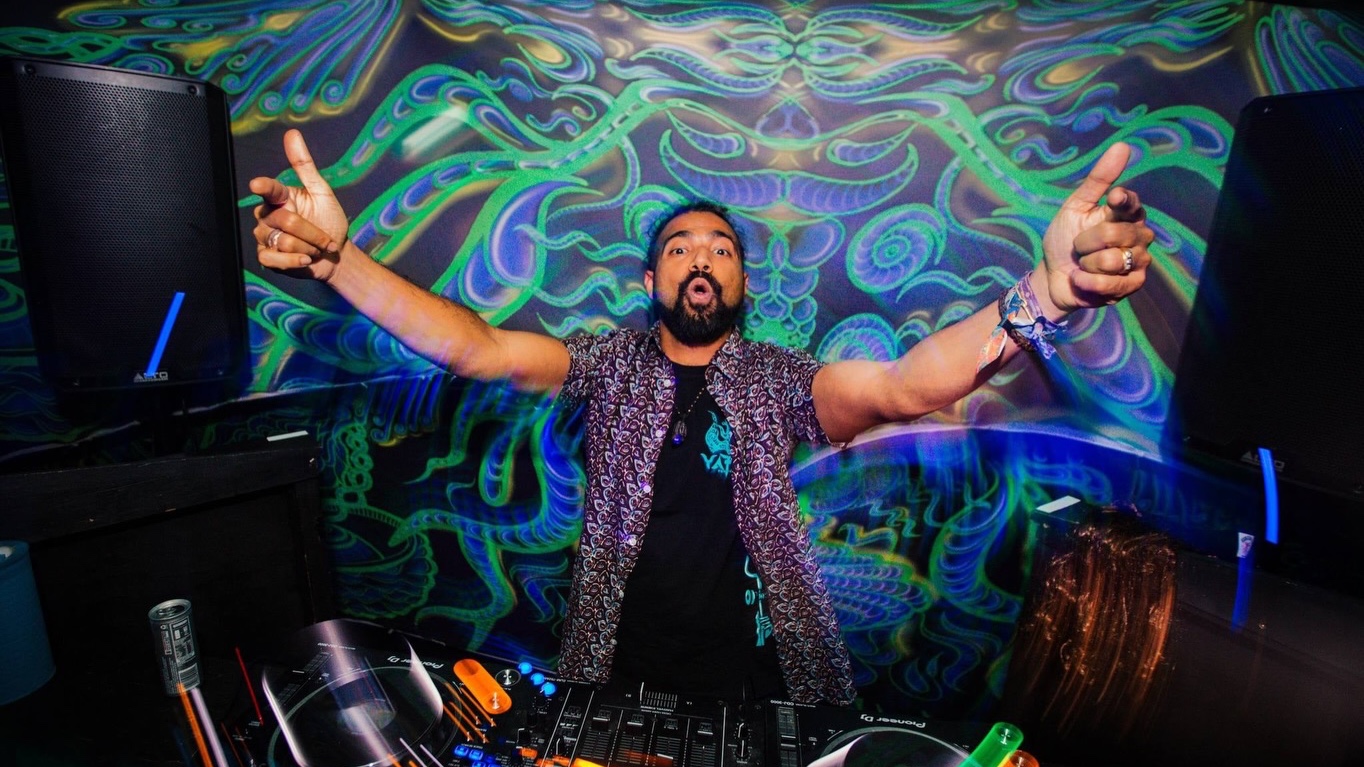
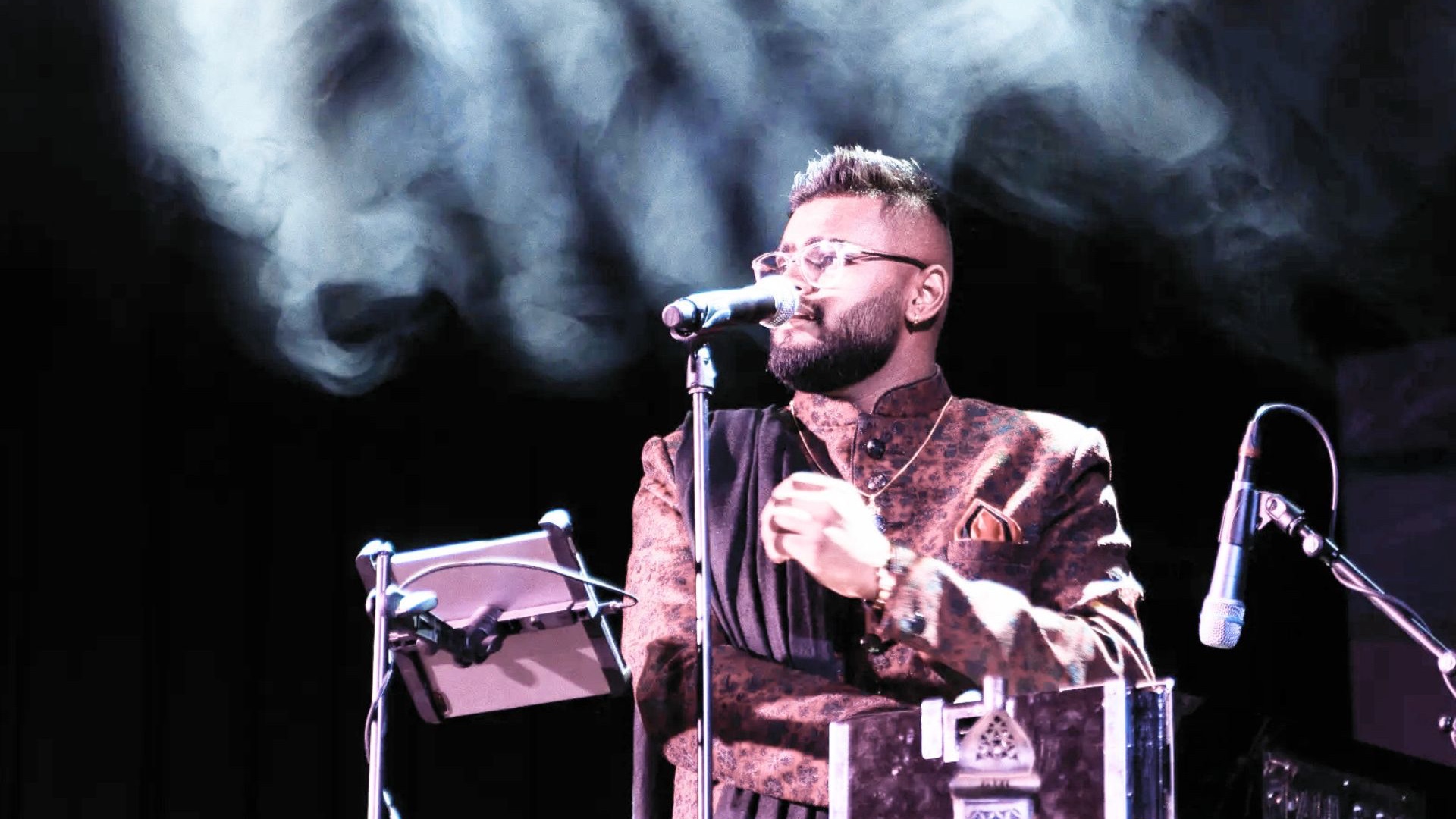
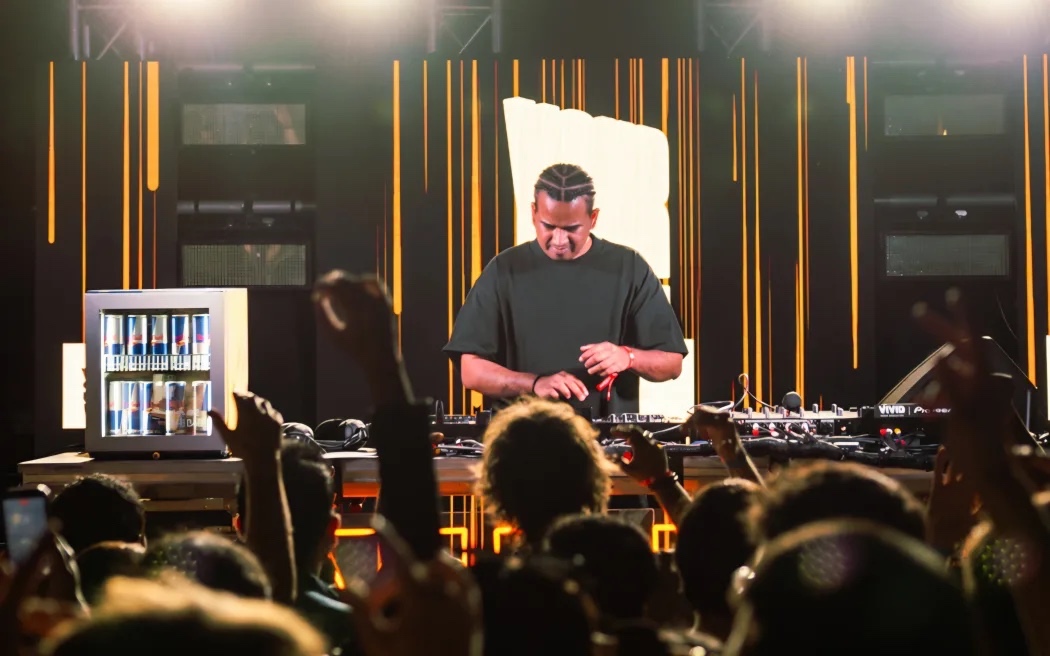
Taode has been a professional DJ in his past life.
Those experiences left him with a lasting concern about what happens to traditional art forms when they lose their audiences.
"Our crafts, or any crafts in the world, can die out if they do not have the right audience and the right people sustaining it," he says.
His first job was with women's clothing retailer Shanton, where he started as a visual merchandiser and says he was promoted to marketing manager within three weeks.
He later established a design business, working on restaurant interiors and hospitality spaces around Auckland. Among his projects was the Old Fort restaurant in Chancery Square, where he brought an Indian artist to New Zealand to paint a large Tree of Life mural using traditional Gond art.
His work eventually expanded into event design and production, where he could combine his creative background with the organisational demands of bringing large groups of people together.
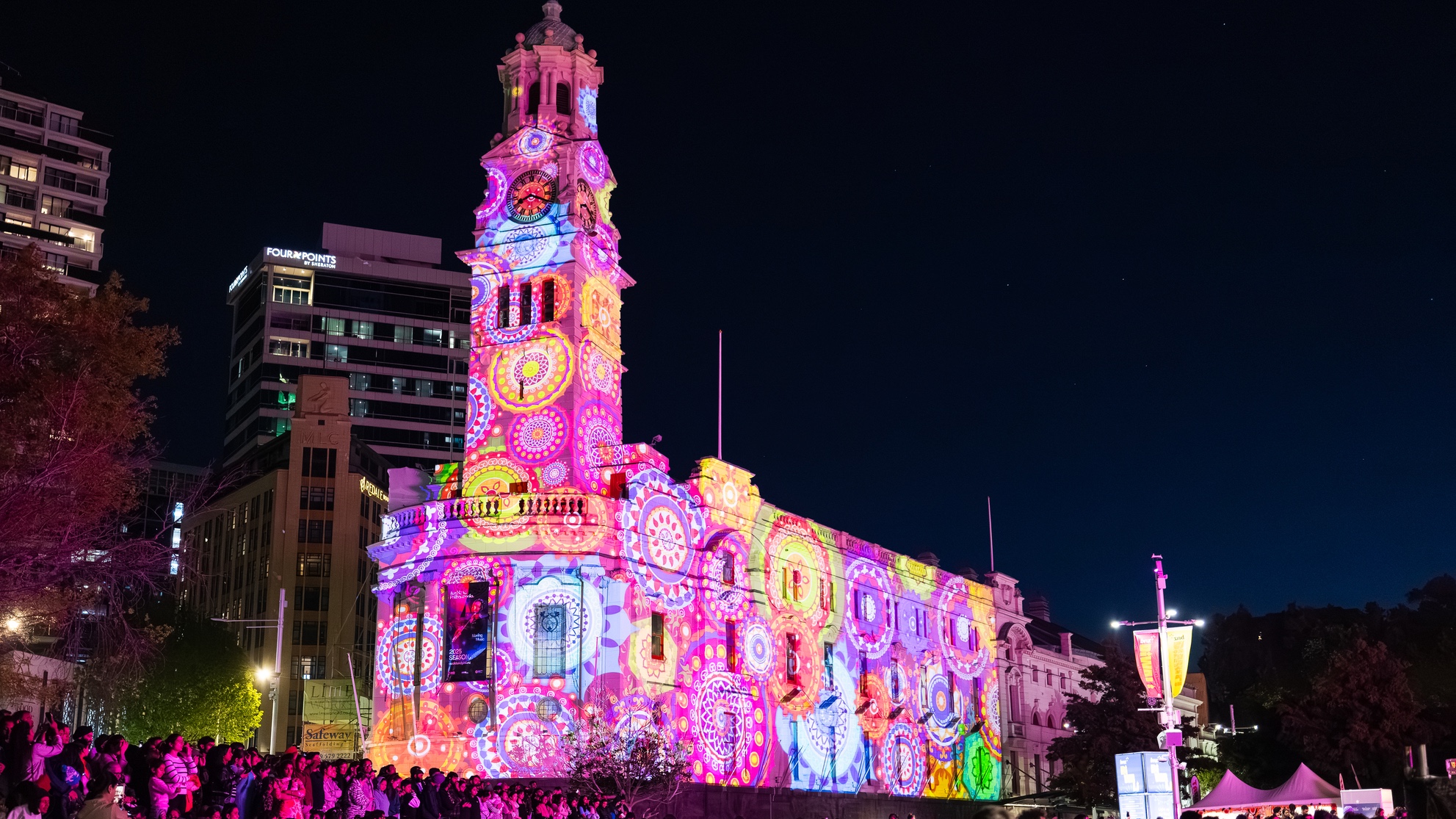
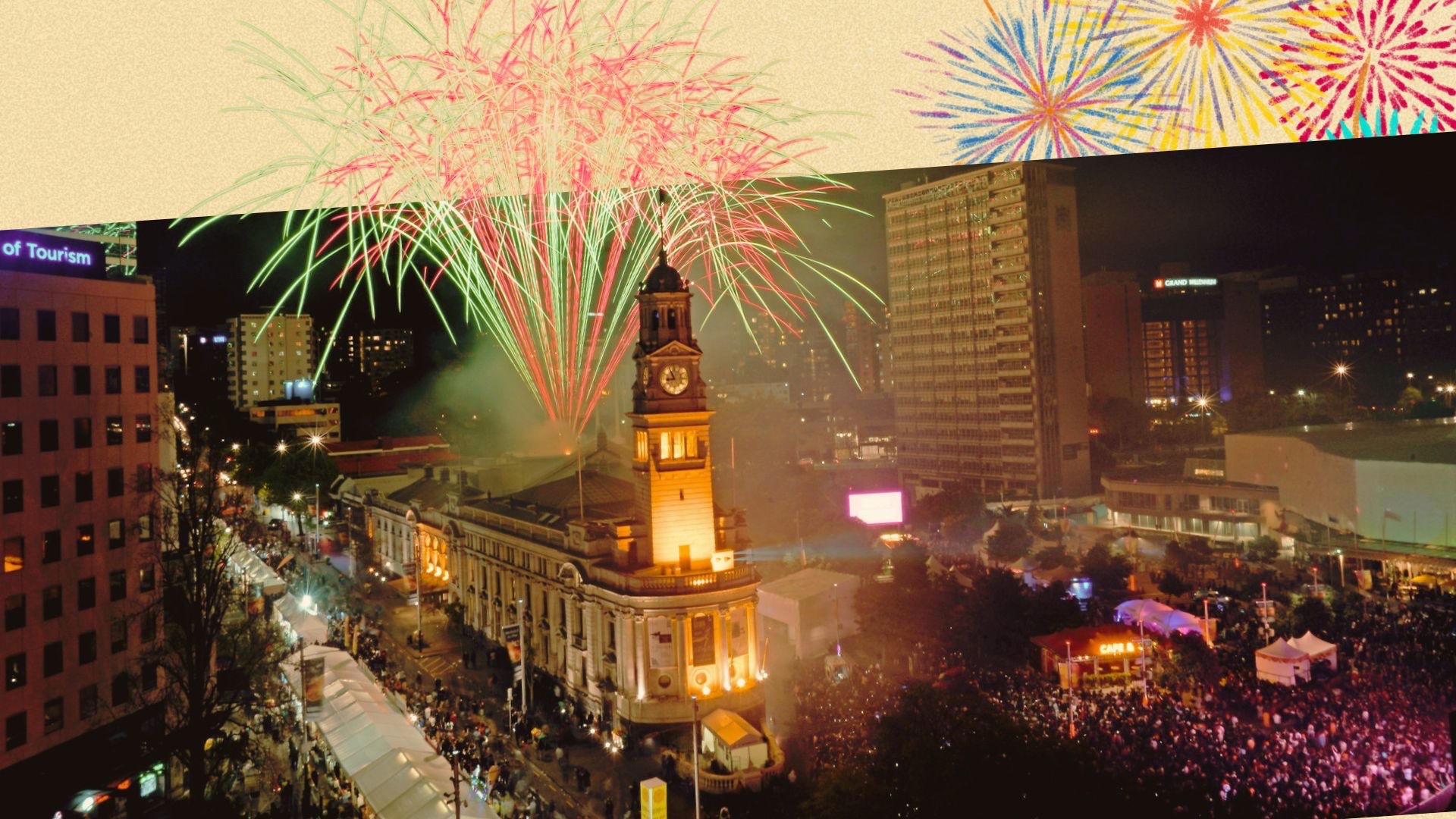
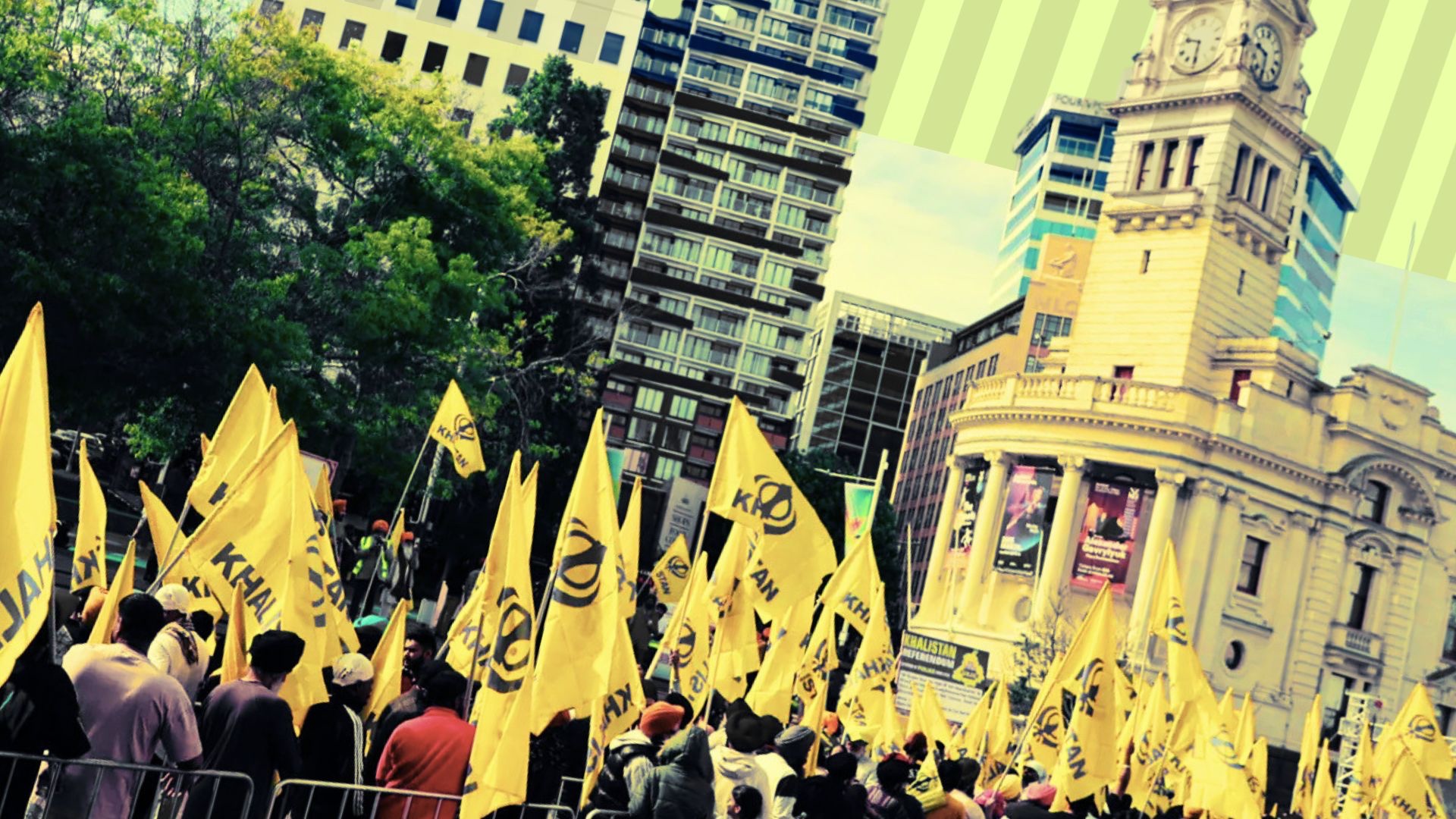
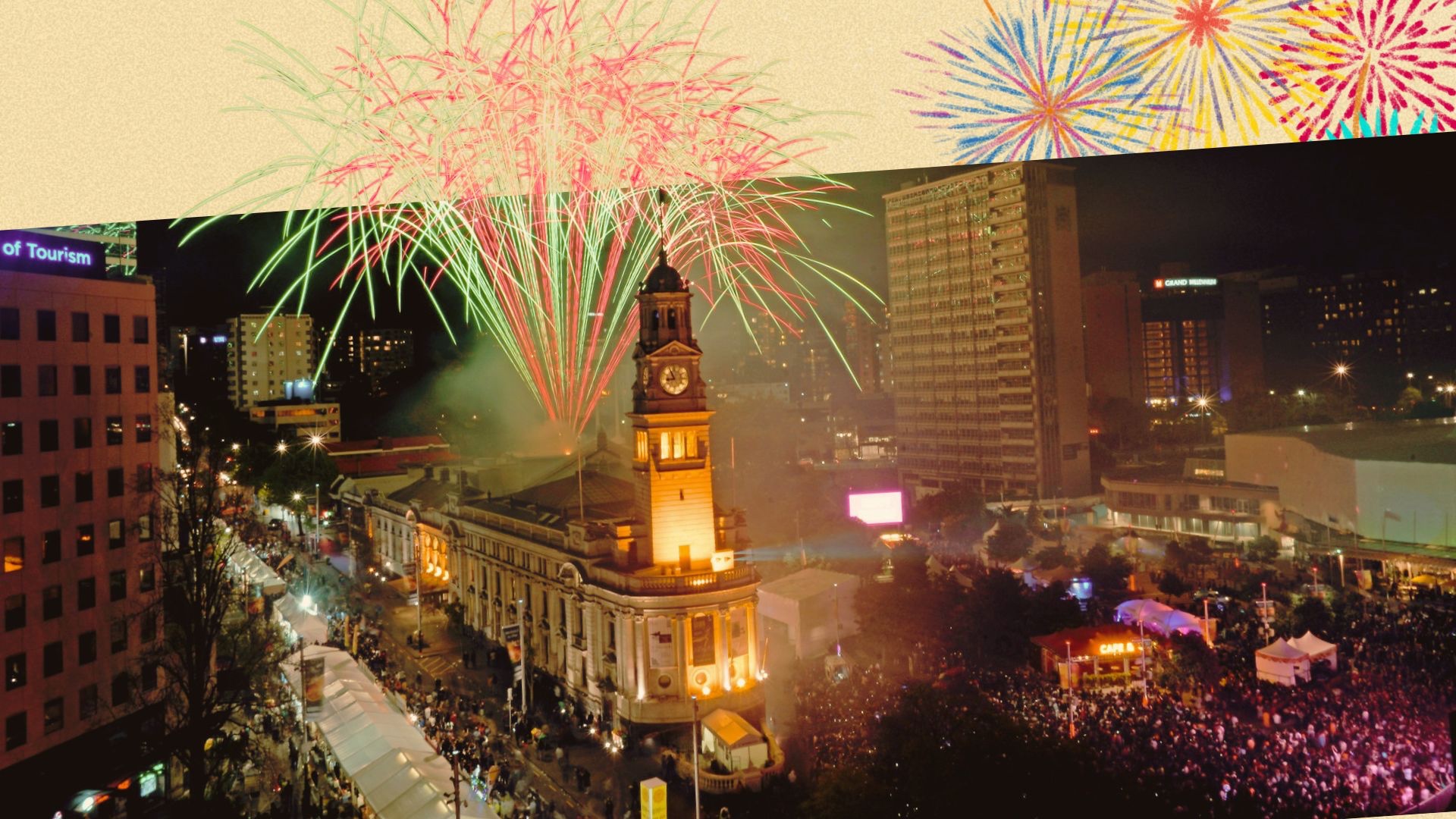
Auckland's Town Hall lights up with colourful Diwali projections during the BNZ Auckland Diwali Festival.
That journey through design, entrepreneurship and festival production eventually brought him to Auckland Council, where he joined the cultural festivals team before being assigned responsibility for Diwali.
Although he has worked on larger international events, Auckland Diwali is the biggest festival he has headed. And the creative direction he is bringing to it reflects his own background.
This year's programme includes an exhibition of 16 artworks by about eight traditional Indian artists, developed in collaboration with Mumbai-based Baaya Design.
The works draw on art forms including Gond, Madhubani and Pattachitra, exploring cultural and natural connections between India and New Zealand.
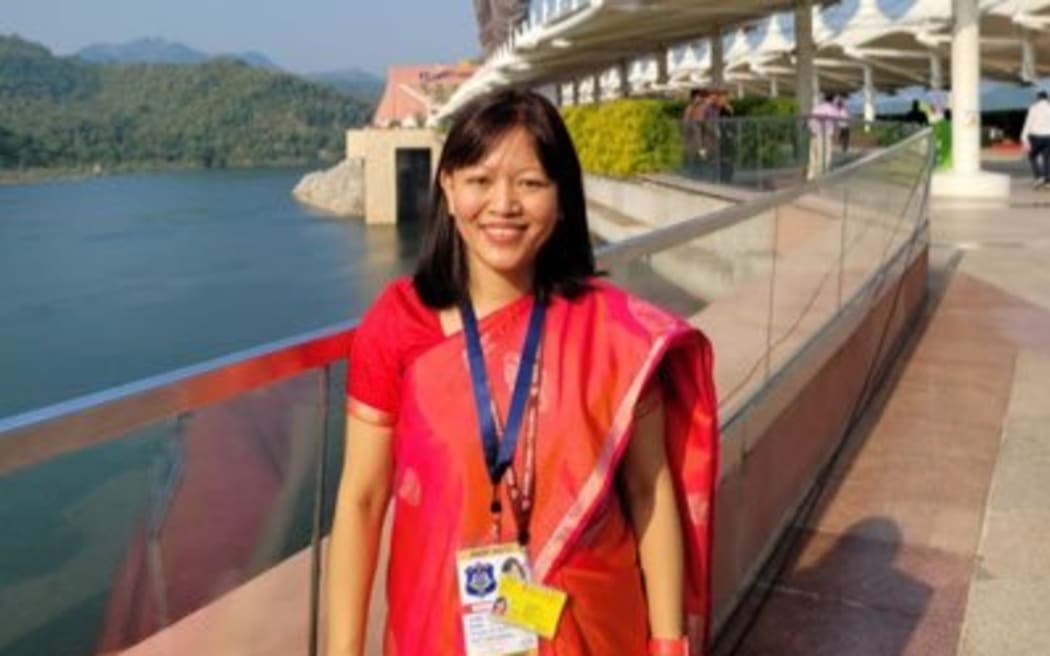
Curator Shibani Jain is travelling from India to lead talks and a walkthrough of the exhibition. For Taode, it is an opportunity to give artists working in traditional forms a platform outside India, something he has been passionate about since his university days.
He is also introducing a dedicated Indian classical music programme at Auckland Town Hall's Concert Chamber, bringing three Auckland music schools together for a free three-hour concert on Saturday.
He believes classical music deserves an environment where audiences can listen and appreciate it as a concert experience, rather than only as one performance among many on a busy outdoor stage.
These are not simply additions to the festival programme. They reflect the same belief that has guided much of his working life: cultural traditions need spaces, audiences and opportunities if they are to survive and grow.
Taode has watched Auckland Diwali evolve since his first visit, and the scale of the talent involved continues to surprise him.
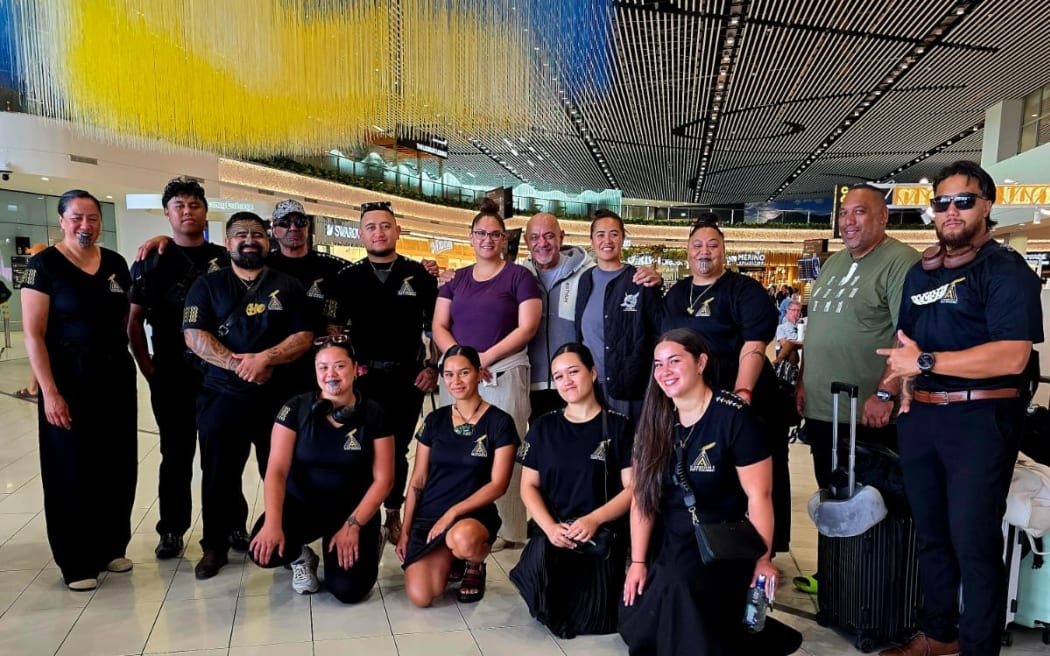
This year, he expects about 325 performing groups, comprising nearly 2,000 performers, across three outdoor stages over two days. They represent different Indian regions, languages, dance forms and musical traditions, much like the cultural diversity he experienced growing up in army cantonments.
For someone who once arrived at the festival simply hoping to connect with a familiar community, the responsibility is now considerably greater.
More than a decade ago, Auckland Diwali helped Taode feel that he was not alone in a new country. Later this month, he will be on the other side of that experience, helping create the same sense of welcome for others.