Daily migrant tax, welfare curbs in ACT’s election plan to fix immigration

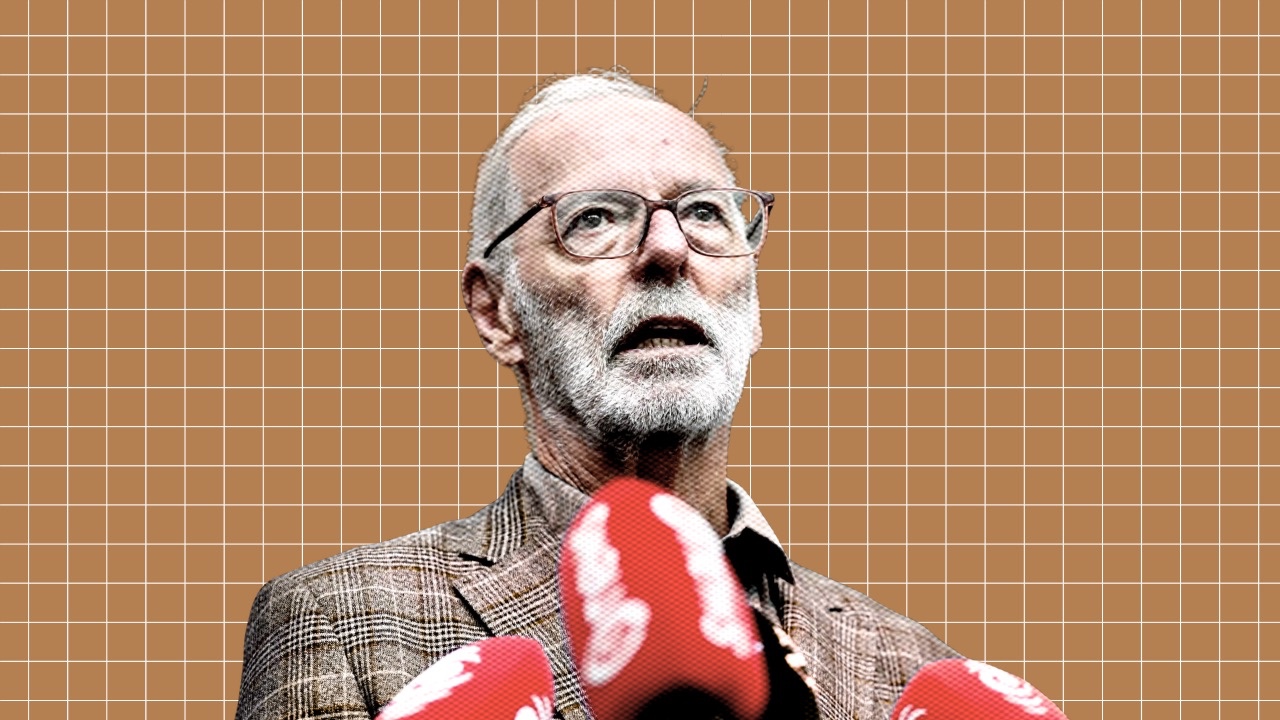
ACT Party leader David Seymour. (Supplied photo)
"Something doesn't quite feel right with immigration," says leader David Seymour.
ACT is proposing a tougher, values-based reset of New Zealand’s immigration system, arguing the current model has drifted from skilled migration into a “general-purpose labour tap” that is straining infrastructure and public confidence.
Unveiling a six-point plan on Sunday, ACT leader David Seymour said the party wanted an immigration system that “welcomes people, but only if they share values of tolerance, freedom and democracy, help build infrastructure, and play by the rules.”
“New Zealand is a settler society… built by people willing to make a journey to try and build something better,” Seymour said. “But today, something doesn’t quite feel right with immigration. ACT believes those suspicions are correct.”
The party’s policy package focuses on stricter enforcement, tighter skills targeting, and requiring migrants to make a clearer upfront contribution to the country.
ACT would overhaul the Accredited Employer Work Visa system by forcing skill categories to expire annually unless there is clear evidence of ongoing labour shortages.
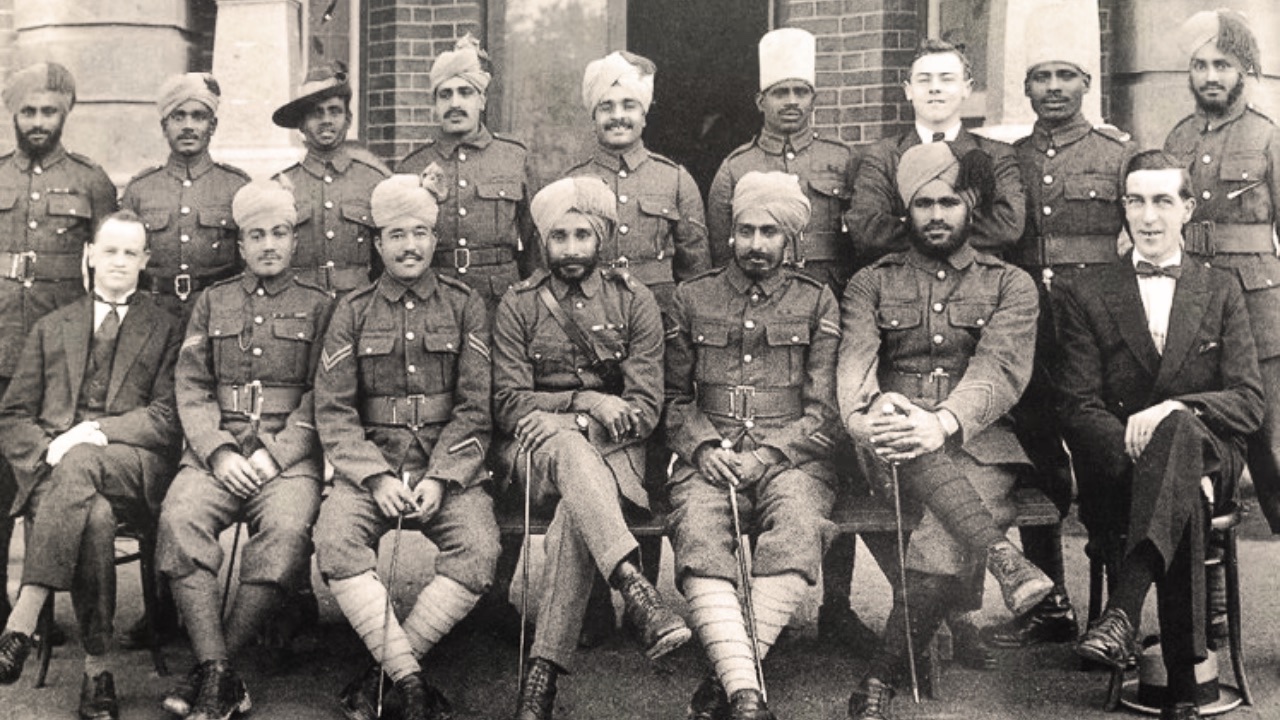
New Zealand hockey gambled £500 on an Indian team a century ago. It's paying off even today Crowds of 25,000, an astonishing 80 goals by one player and a sporting revolution that helped Indian migrants find acceptance.
Tamaki says he was detained in Australia and sent back from airport over Sikhs, Muslims remarks The Destiny Church leader claims Australian authorities considered his presence a risk to Sikh and Muslim communities.
Being Indian and Kiwi at once. How Ajaz Patel's 10-wicket haul brought his two worlds together A historic moment in Mumbai left the Black Caps spinner reflecting on something far deeper than cricket.
It also proposes to include a five-year stand-down from welfare for new residents.
"That means no jobseeker support, accommodation supplement, or income-tested benefits for a migrant’s first five years here," Seymour said on May 3.
The package also includes a $6 per day infrastructure surcharge on temporary work visas, on top of existing charges. The party's press statement today didn't explain how exactly will this be implemented.
"This ensures migrants contribute to New Zealand’s infrastructure from day one, before they start paying tax. The fee is expected to raise around $80 million a year, while remaining more affordable than comparable visas in Australia and the United Kingdom" Seymour said.
The party is also proposing to extend basic English language requirements to all AEWV types. "Lower standards will still be permitted for seasonal workers."
The party is also targeting compliance, proposing a dedicated overstayer enforcement unit and requiring gig economy platforms like Uber and DoorDash to verify workers’ visa status, with penalties for employers who breach the rules.
It is also proposing to deport resident visa holders convicted of serious offences carrying sentences of 10 years or more, regardless of how long they have lived in New Zealand – going further than the government’s current 20-year threshold.
Seymour said the policy was about “restoring the basic bargain” of immigration and rebuilding public trust, arguing successive governments had failed to enforce rules or align migration with infrastructure capacity.
“The rate of settlement has overwhelmed the ability to provide infrastructure,” he said, pointing to rapid population growth compared with the pace of public projects.