
A moment of road rage costs Indian migrant of 11 years right to live in New Zealand
The Indian migrant had lived in New Zealand since 2015 and obtained residence in 2022.
The man deliberately drove into a motorcyclist after a confrontation.
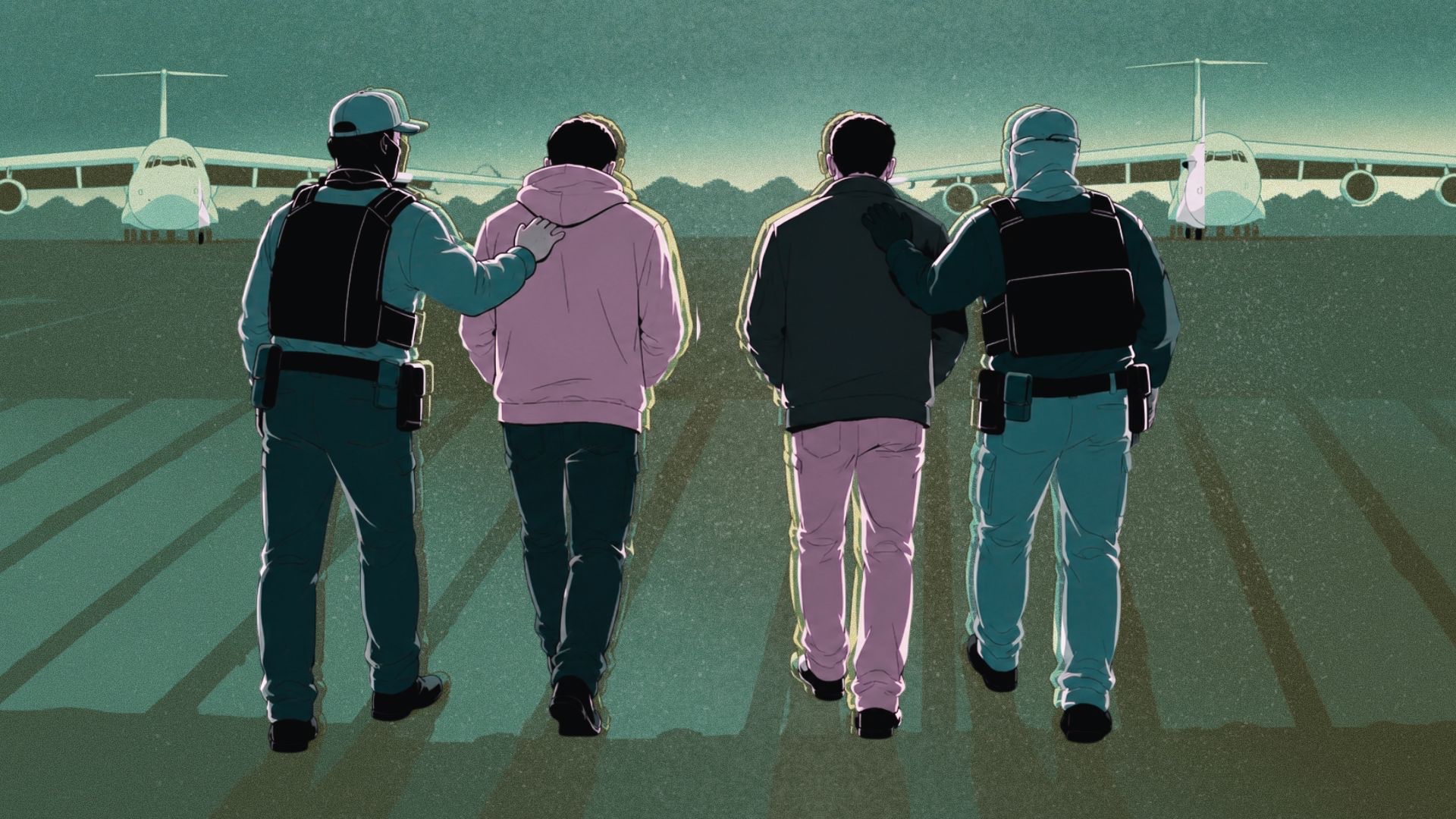
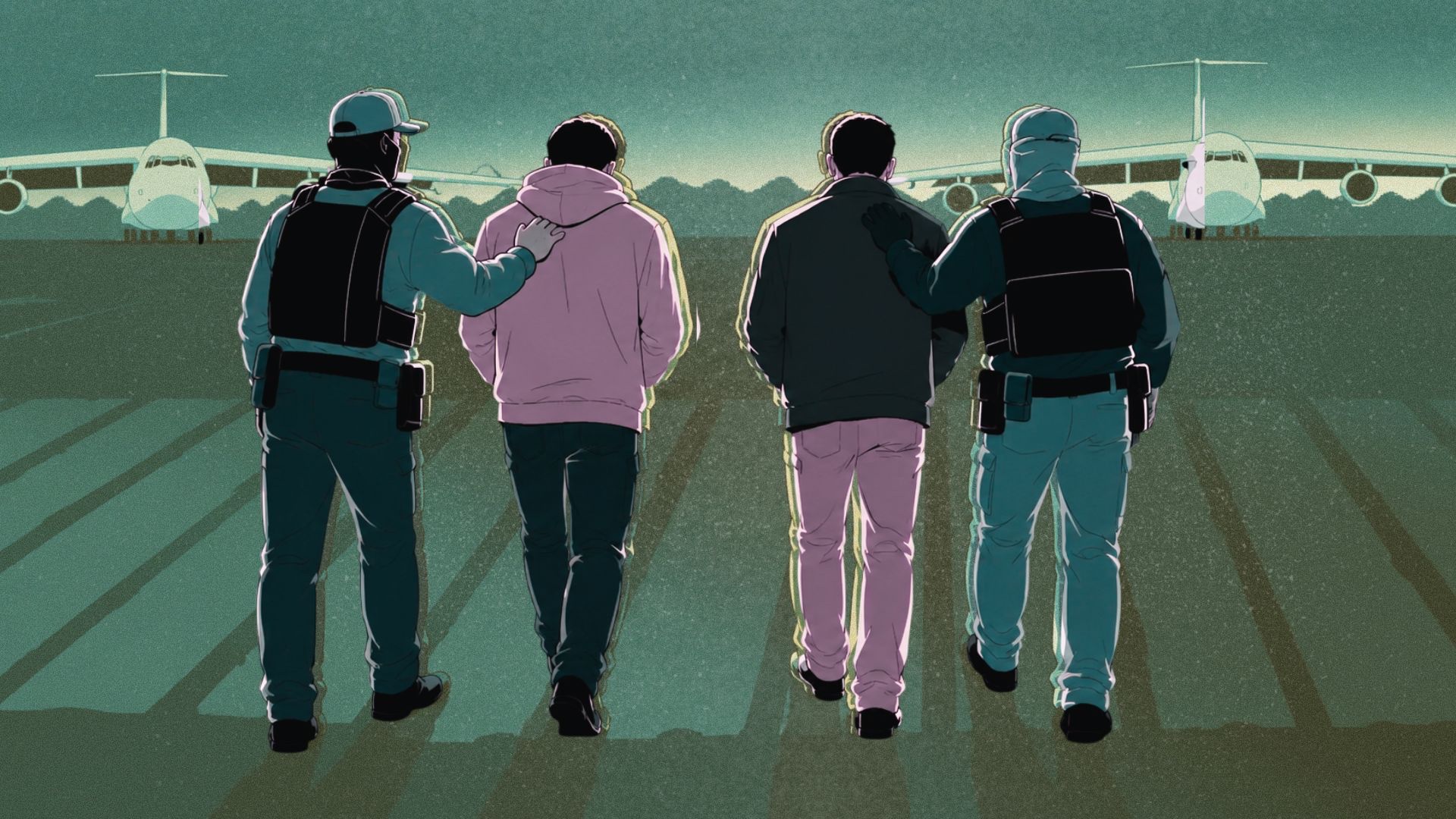
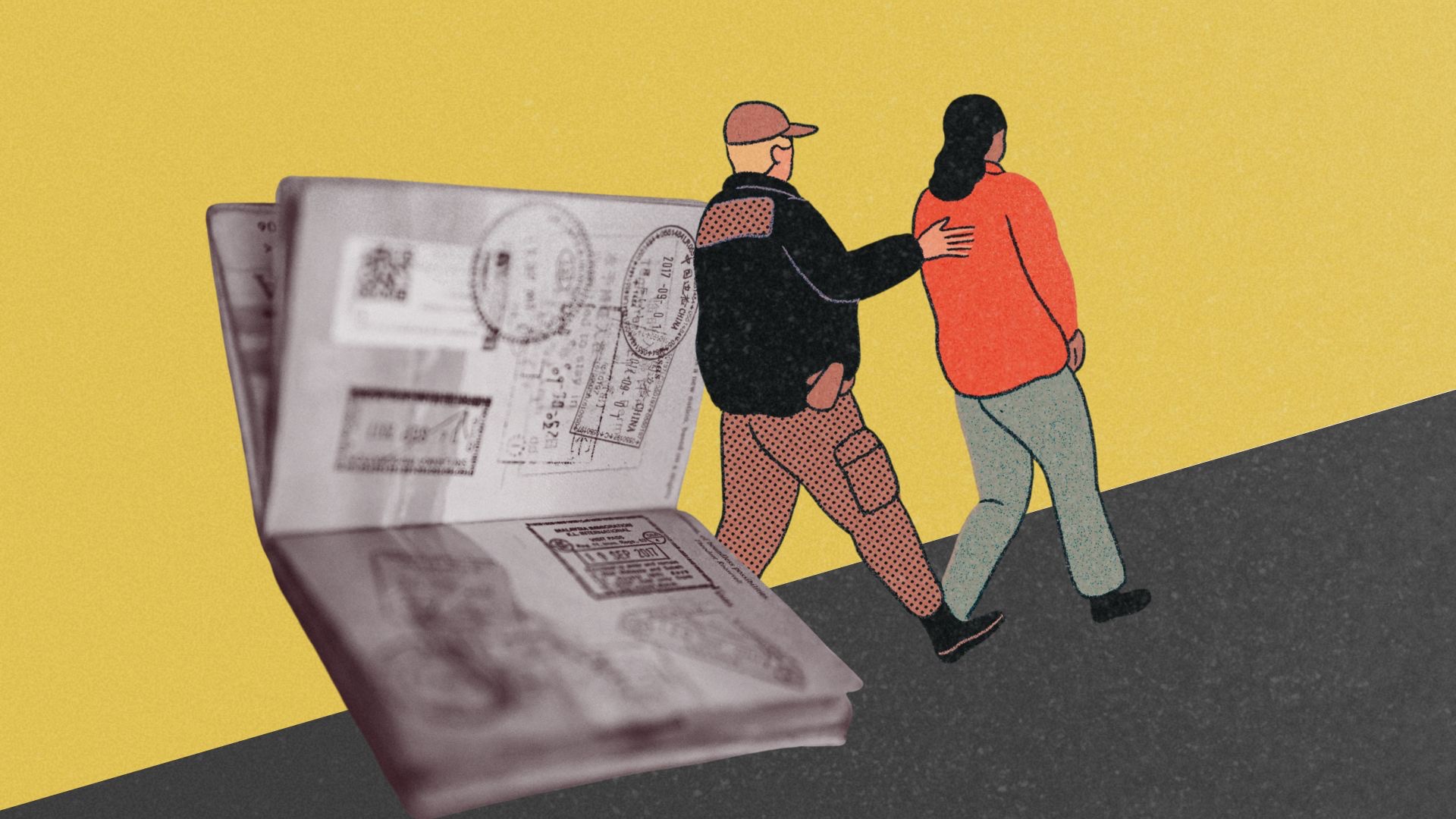
A man who deliberately drove his car into a motorcyclist during a road-rage confrontation has lost his appeal against deportation, having built a life in New Zealand with his wife and owning a home.
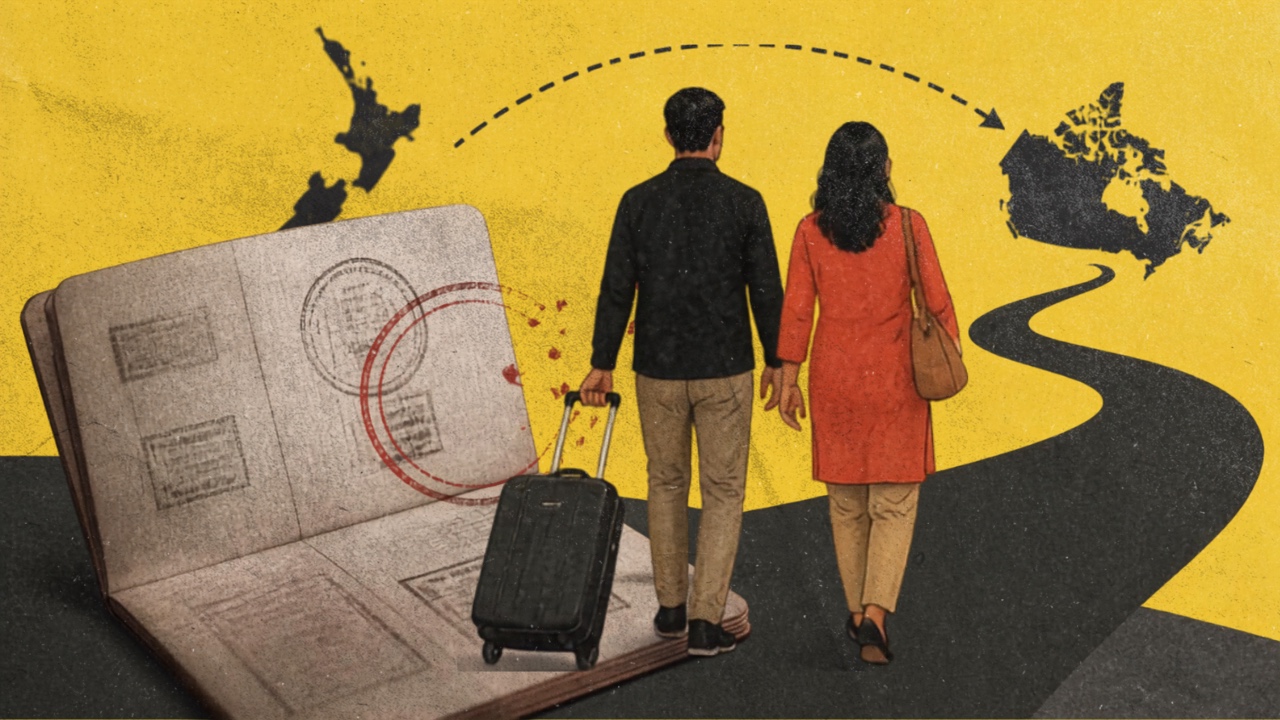
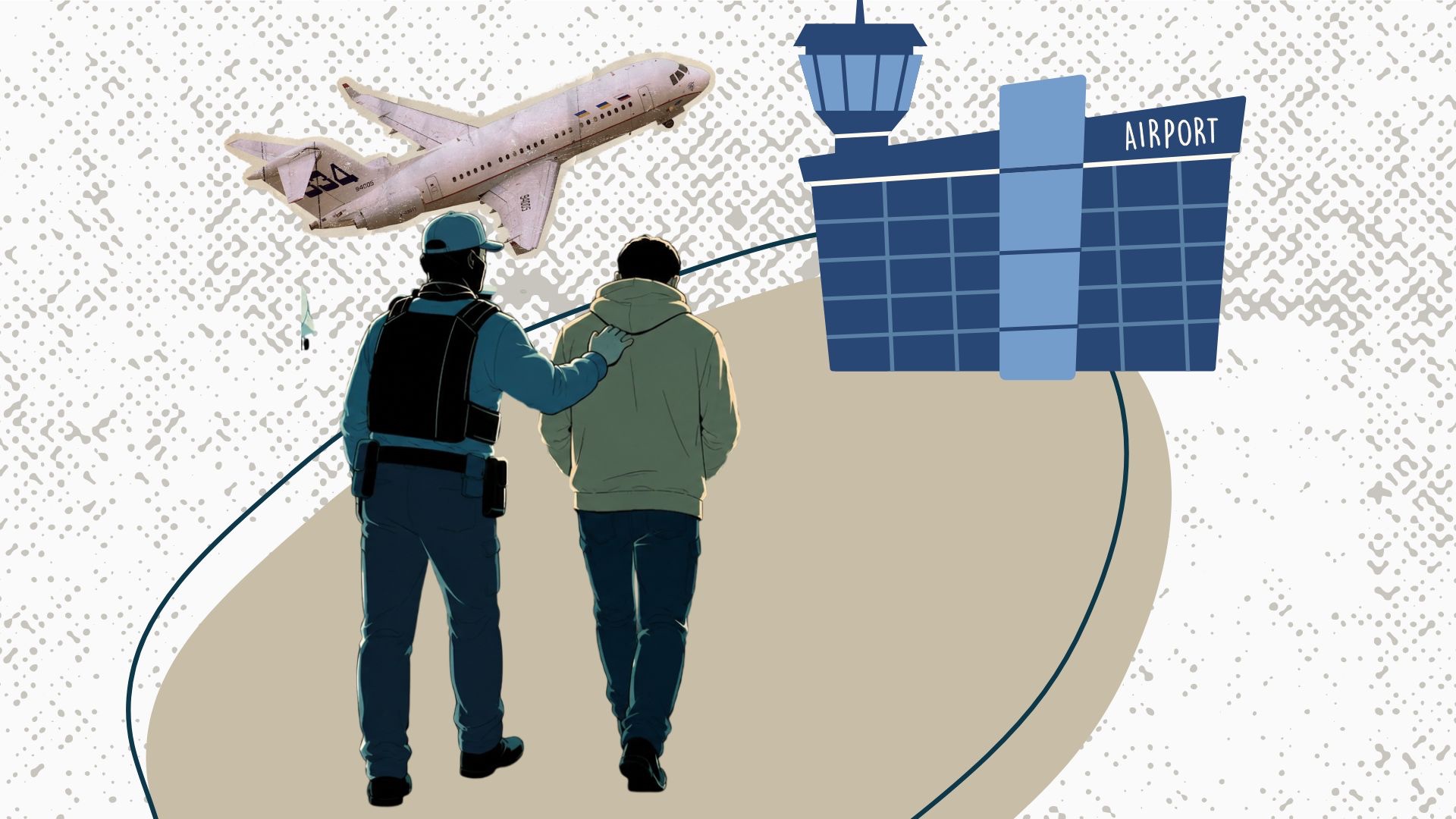
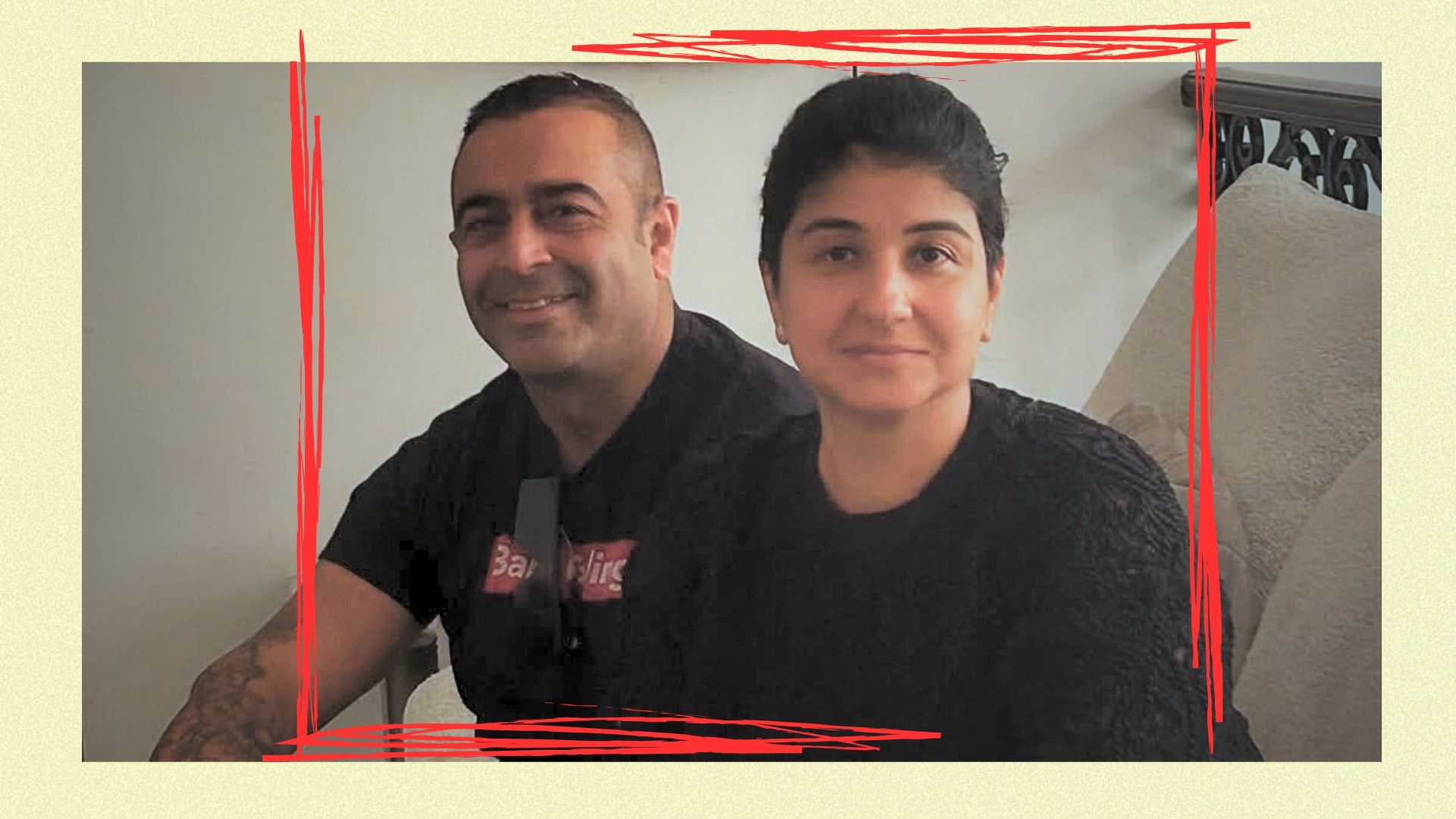
The Indian man, in his 40s, had lived in New Zealand since 2015 and obtained residence in 2022. But a dangerous-driving conviction following an incident in 2024 made him liable for deportation.
In a decision dated October 23, 2026, the country's appellate immigration body, the Immigration and Protection Tribunal (IPT), ruled that his circumstances did not justify allowing him to remain.
A confrontation on the road
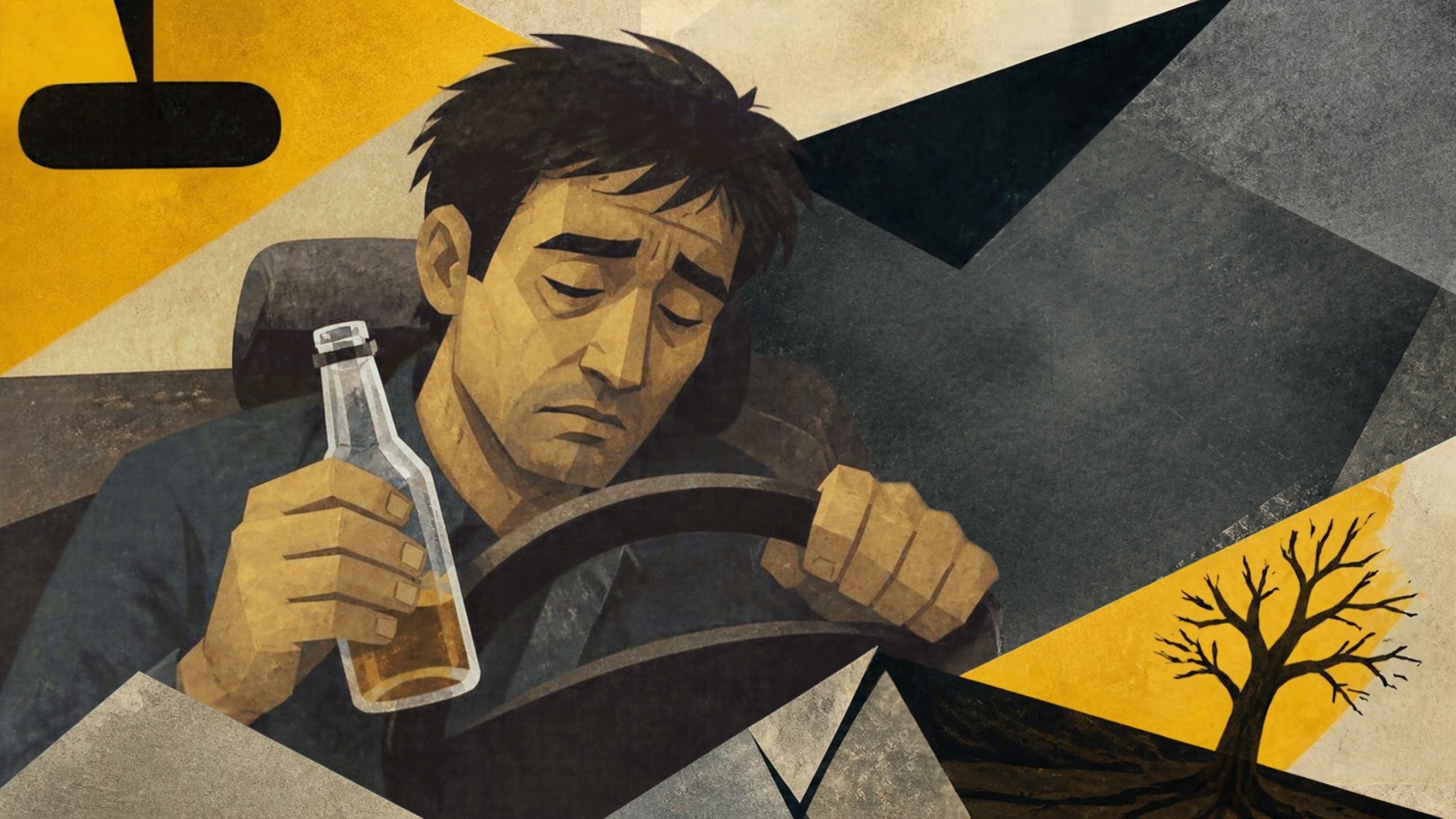
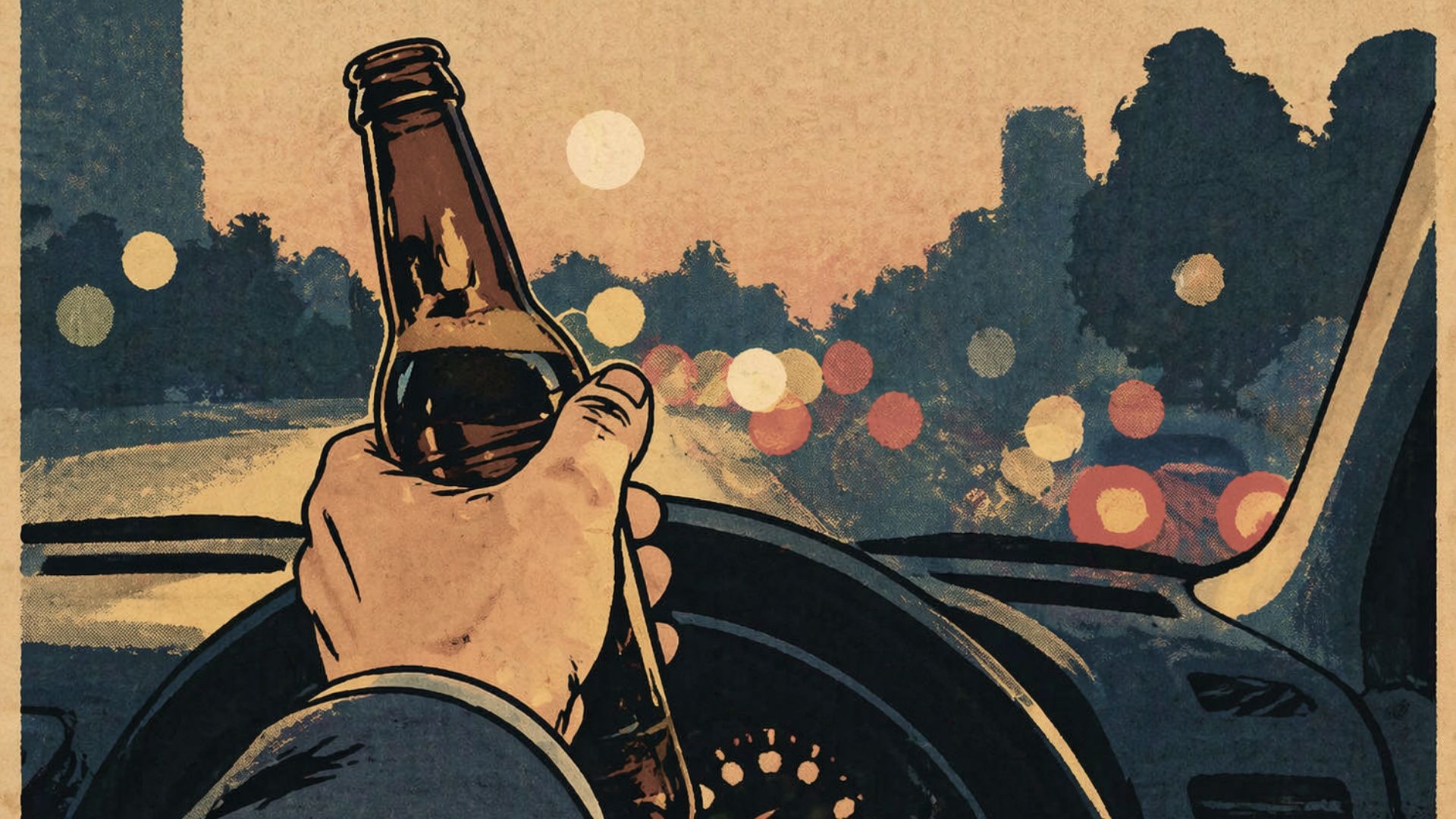
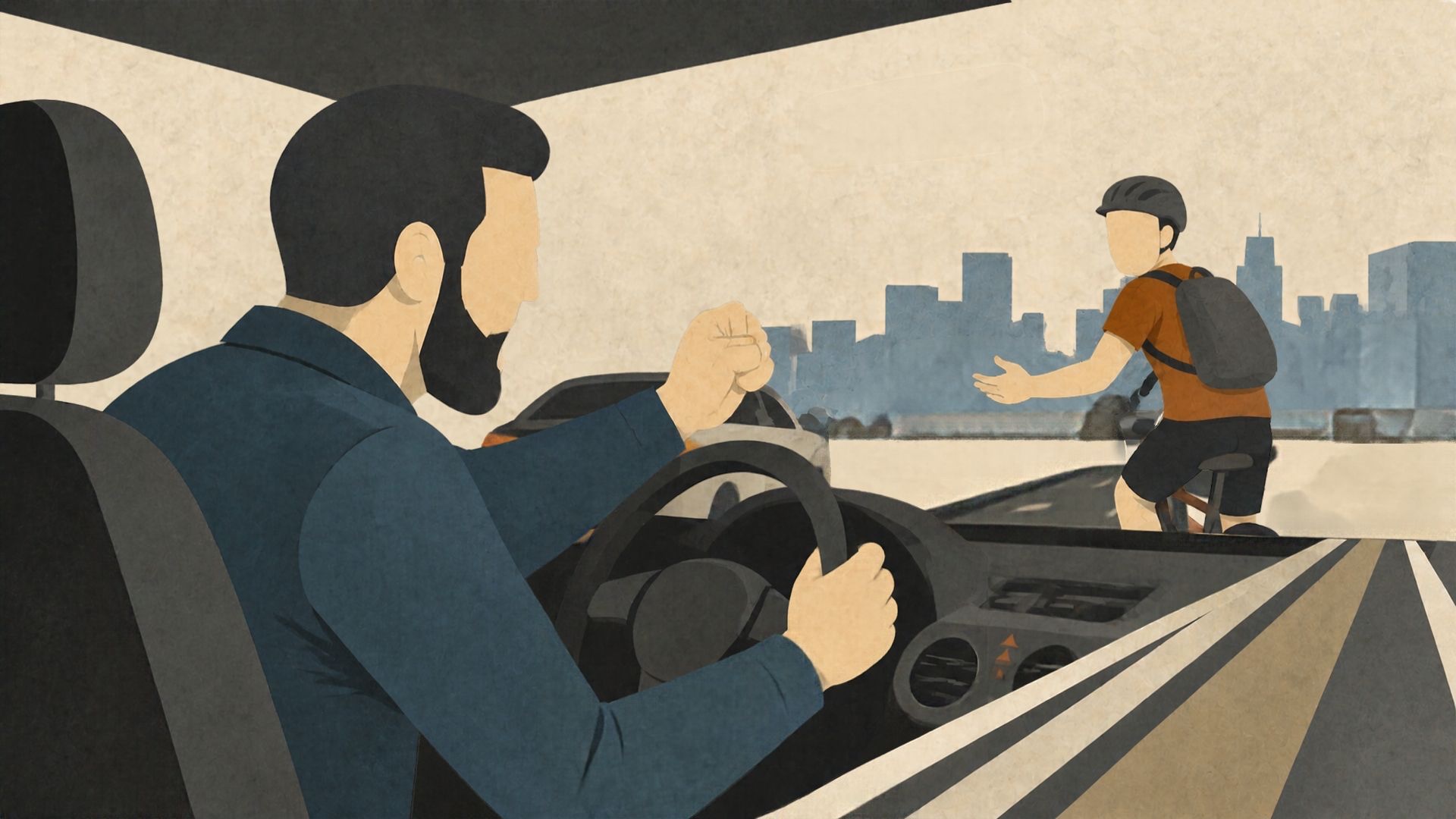
The incident occurred while the man was driving to work with his wife. A motorcyclist passed his car and kicked its wing mirror, triggering a confrontation that escalated into violence.
Exploited migrant won nearly $150,000, was offered $600. She’s still fighting for a dollar Two former employers are in liquidation and their director is bankrupt, leaving a Rotorua woman facing an uncertain future.
The year Edmund Hillary took three New Zealand-made jetboat up the Ganges Two years after losing his wife and daughter, the mountaineer found warmth and friendship along India’s sacred river.
Indians with a New Zealand job offer could face tougher visa checks, lawyer warns An internal review has prompted INZ to look more closely at whether applicants would leave New Zealand if their visa options ran out.
The man pursued him and attempted to force him off the road. When the motorcyclist stopped, the man blocked his path and deliberately drove into him, injuring his leg.
He initially drove away but returned shortly afterwards and was arrested. He pleaded guilty to dangerous driving causing injury.
The conviction put his immigration status at risk, despite him having held residence for more than two years at the time of the incident.
The man argued that deportation would have devastating consequences for his marriage, career and mental health.
His wife, also an Indian citizen, holds New Zealand permanent residence. She told the tribunal she would not relocate to India because her career and immediate family were established in New Zealand.
The couple had also purchased a house. The tribunal accepted that deportation could ultimately jeopardize their marriage. Their representatives argued that deportation could undermine his recovery, separate the couple and force them to sell their home.
The tribunal acknowledged the couple had a close and supportive marriage and that deportation could ultimately end their relationship. However, tribunal member L Wakim found the difficulties they faced did not amount to exceptional humanitarian circumstances under immigration law.
Although the man had lived in New Zealand for more than 11 years, Wakim noted that much of that time had been spent on temporary visas. He had obtained residence only in July 2022.
The tribunal also considered that his wife, despite her preference to remain in New Zealand, was an Indian citizen who could legally live and work in India.
It accepted that returning to India after more than a decade would be stressful, particularly given the man's mental health history and concerns about his family environment.
However, he had qualifications, professional experience and family support in Mumbai, and there was insufficient evidence that he could not manage his condition or access treatment there.
The tribunal also noted that he had completed a 20-week anger management programme and several driving courses, paid the reparation in full and demonstrated remorse.
But these rehabilitation efforts, along with the relatively light sentence imposed by the criminal court, were not relevant to determining whether exceptional humanitarian circumstances existed.
Wakim concluded that the man's actions had serious consequences for both the injured motorcyclist and his own family.
Despite rejecting the appeal, the tribunal made two concessions. It delayed the man's deportation for a few months.
It also removed the permanent prohibition on re-entering New Zealand that would otherwise apply following his deportation. The tribunal said this recognised his marriage to a New Zealand permanent resident and the likelihood that his wife would remain in the country.