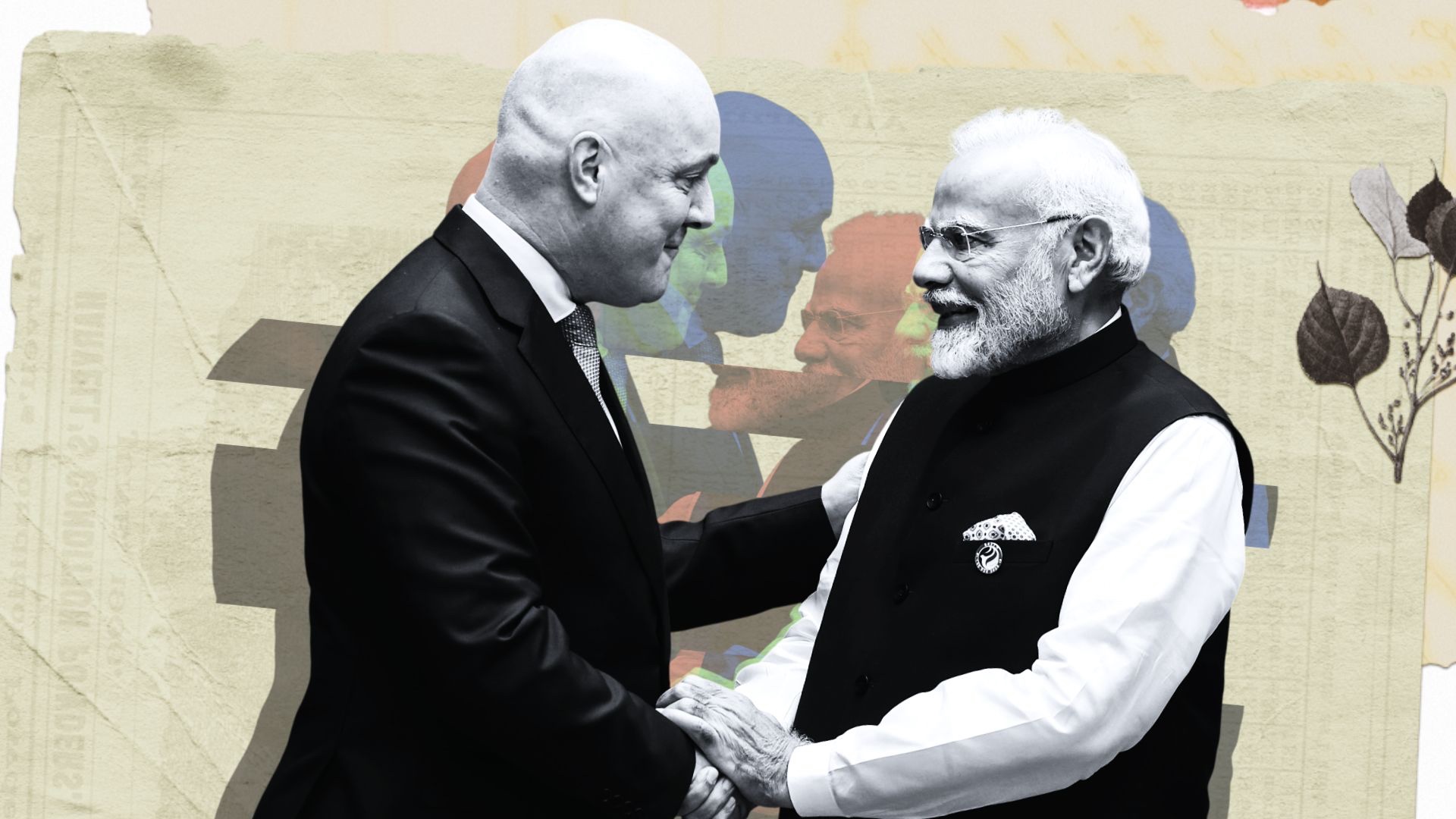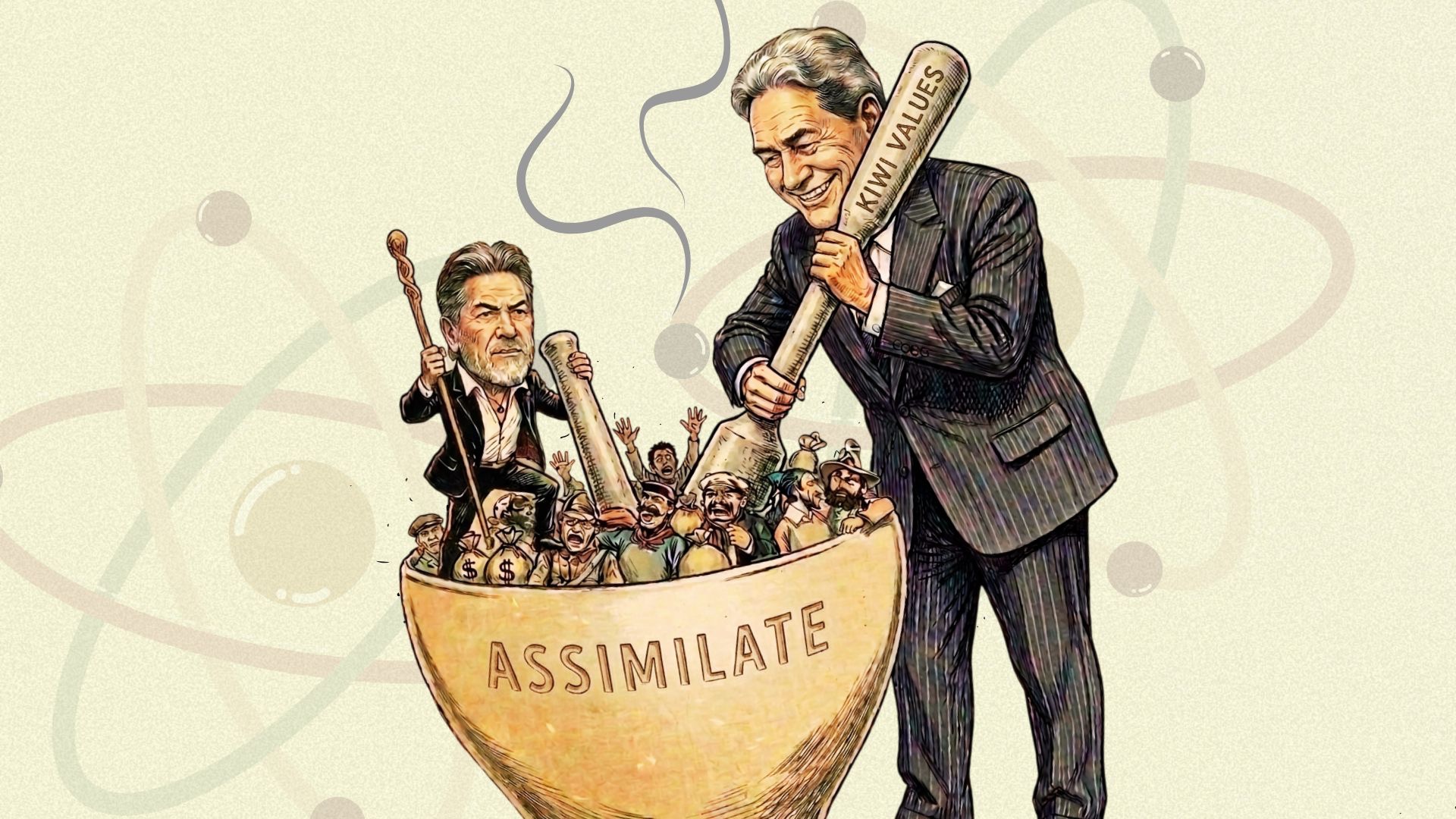
Luxon joins the list of migrant skeptics after Winston, Seymour show the way
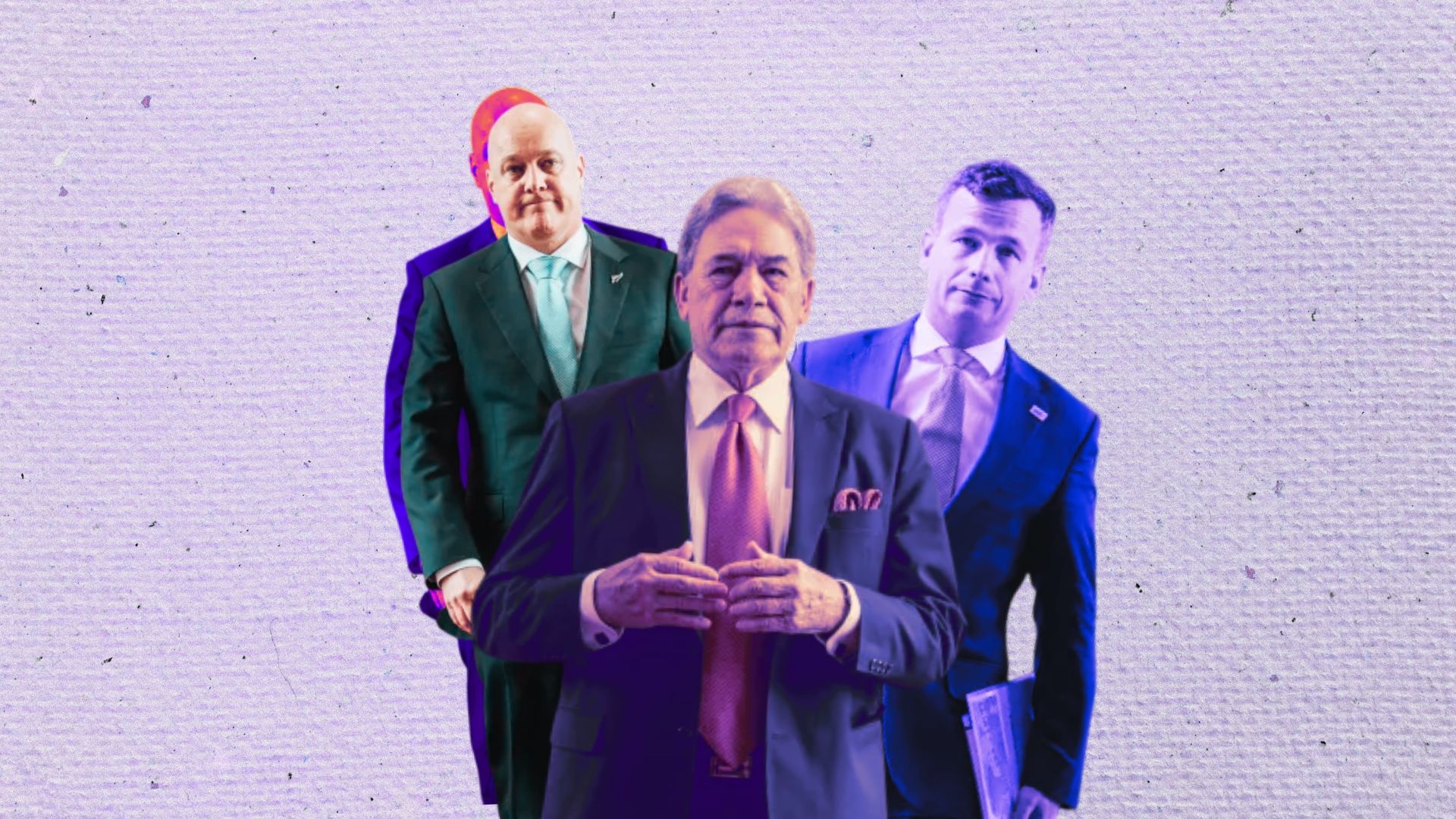
An unlikely consensus seems to be emerging among ruling coalition partners.
The prime minister says migration and social cohesion are issues of national security.
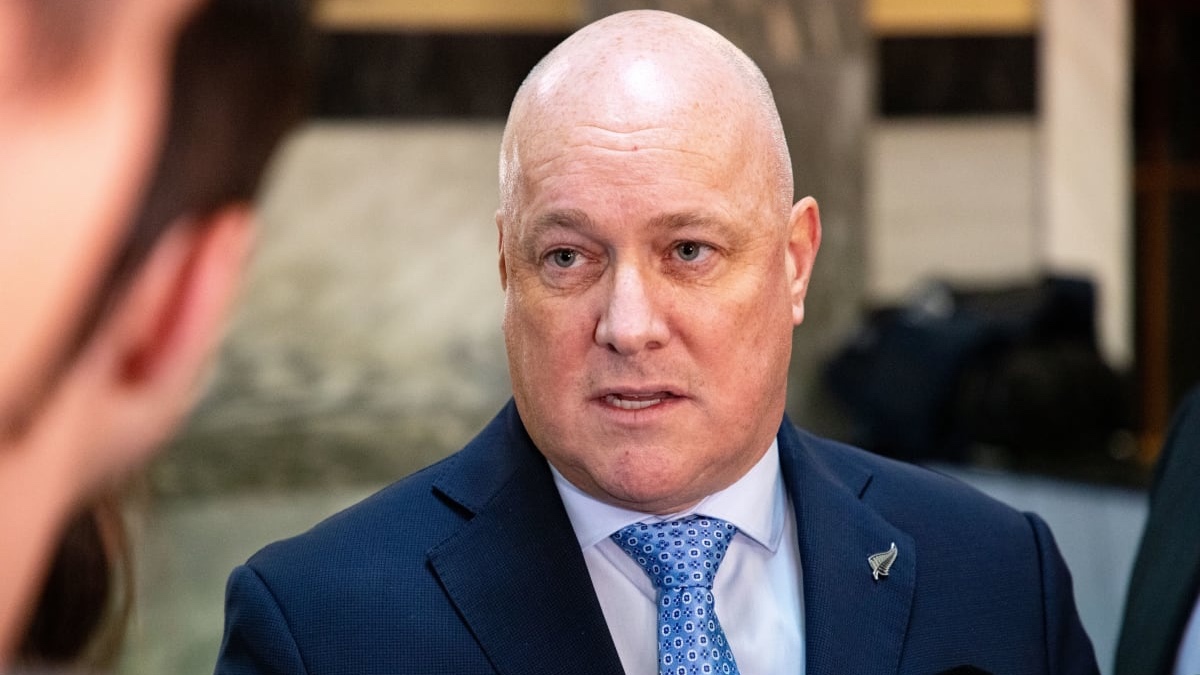
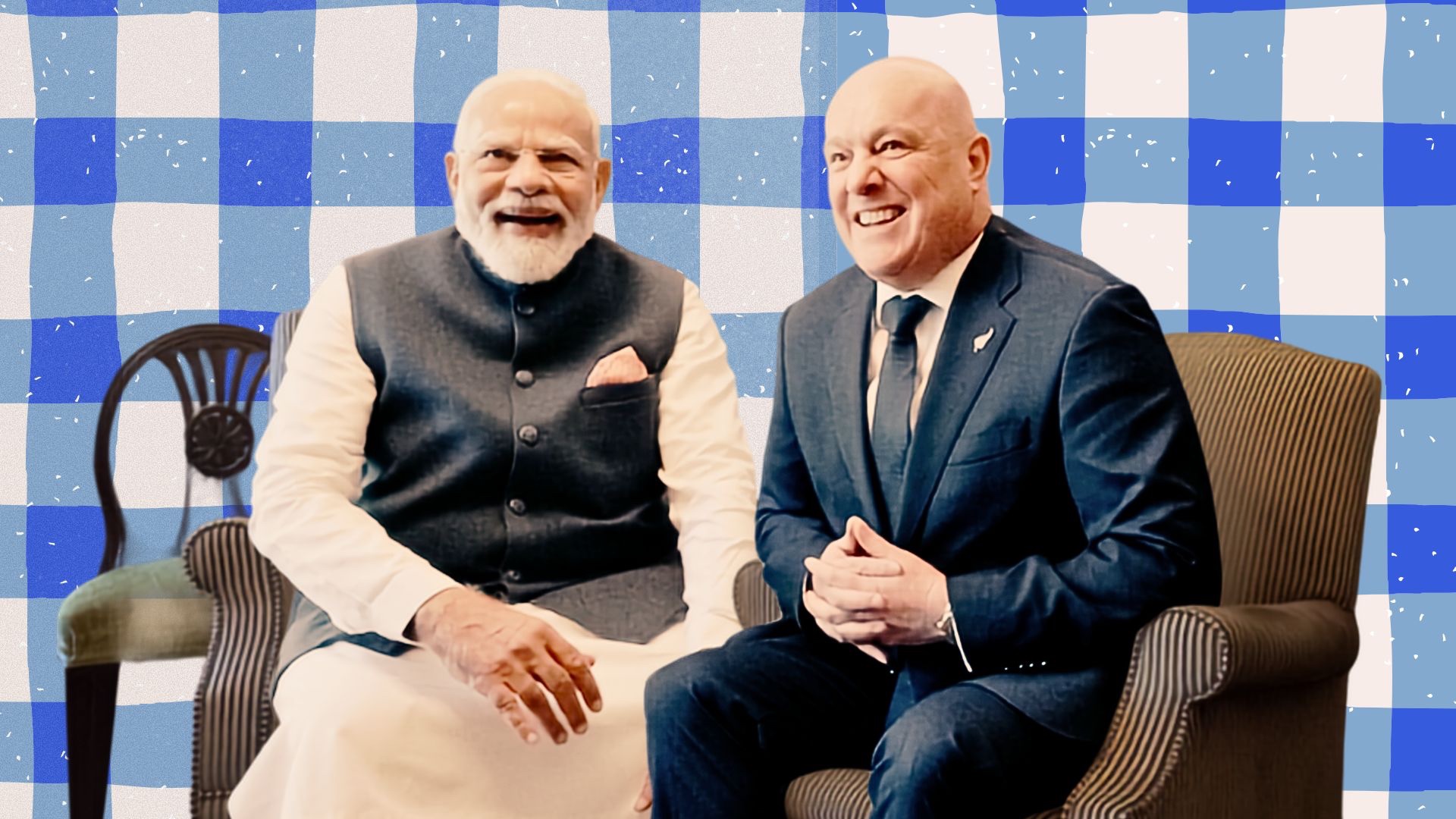
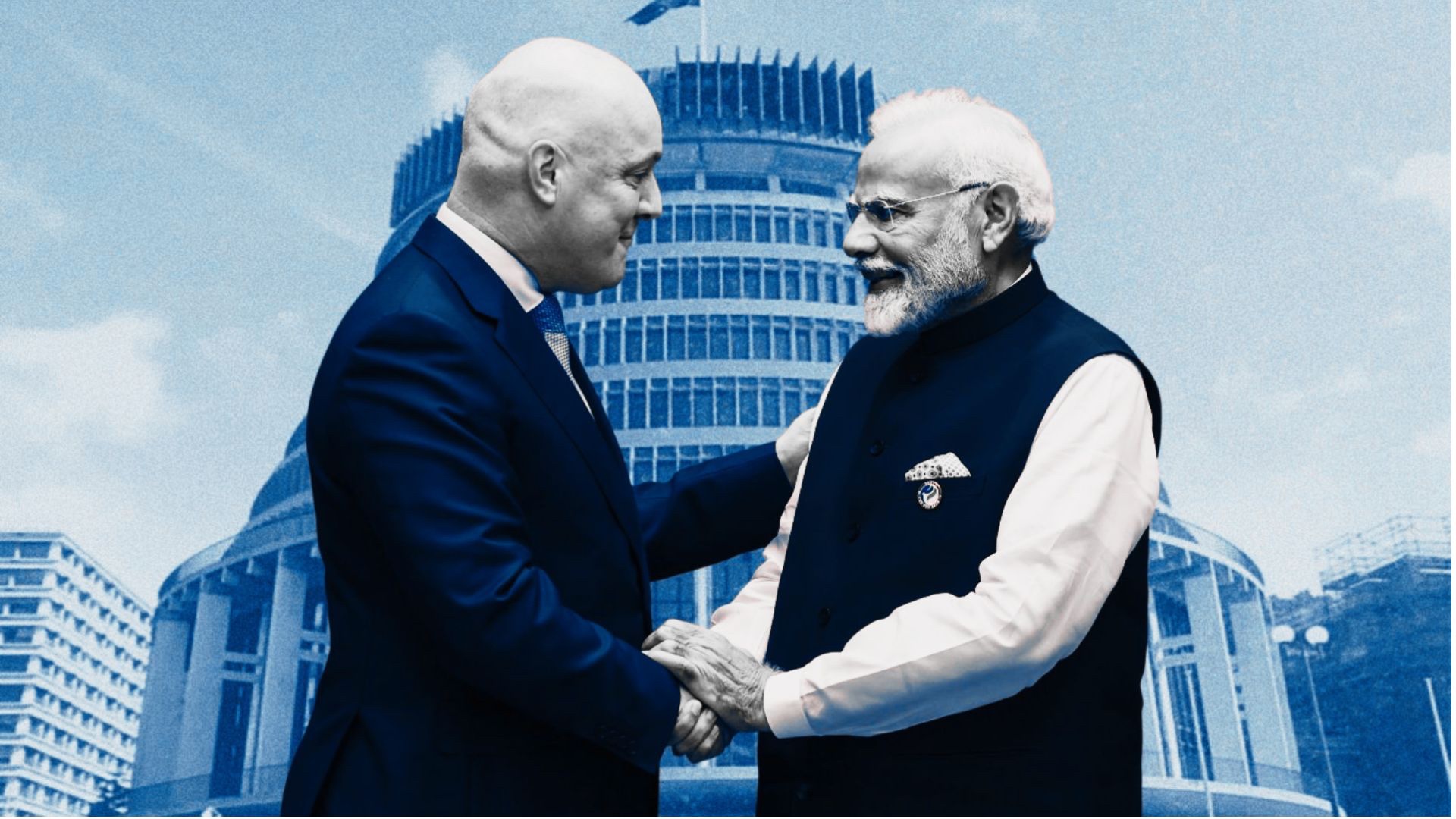
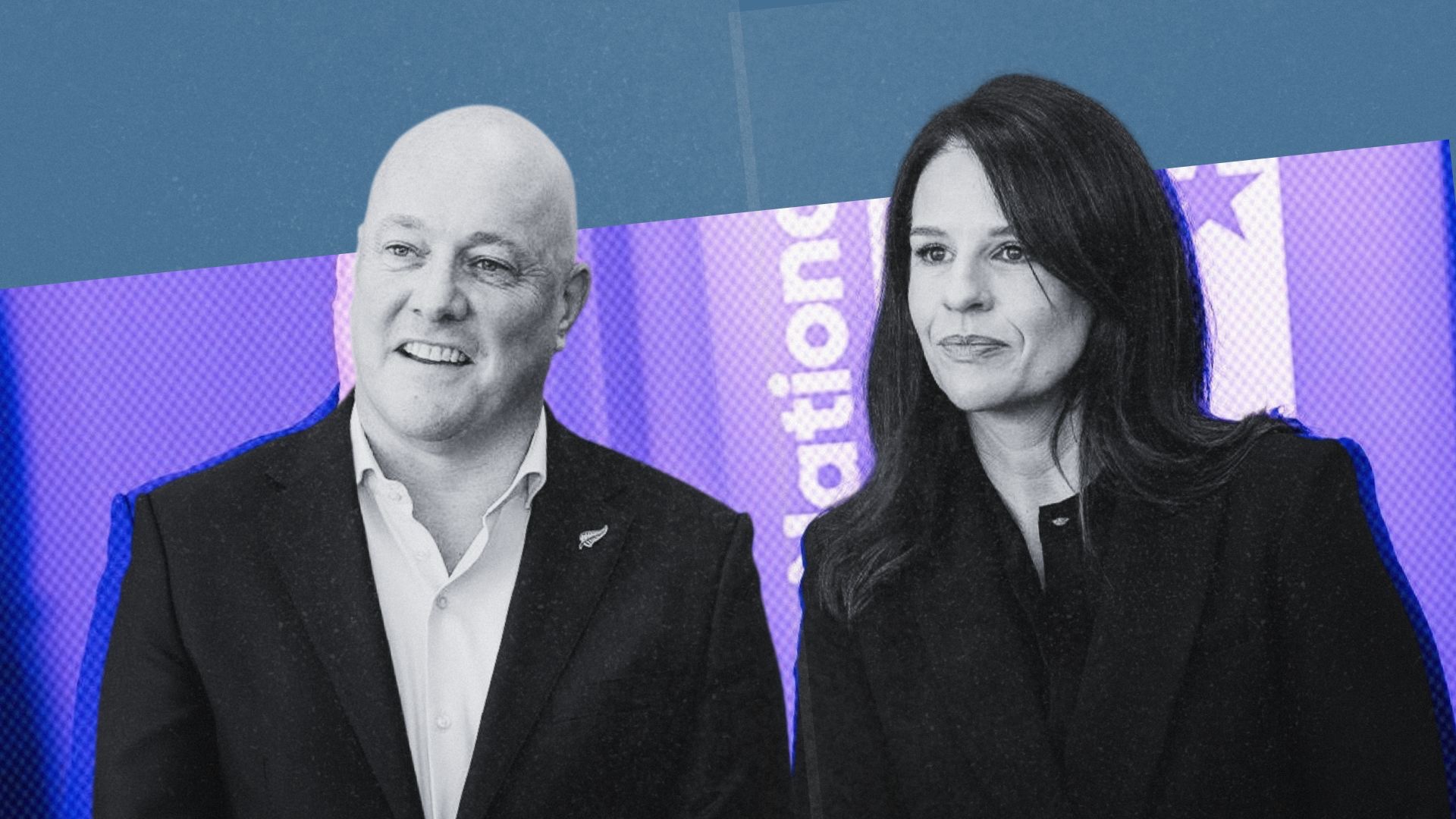
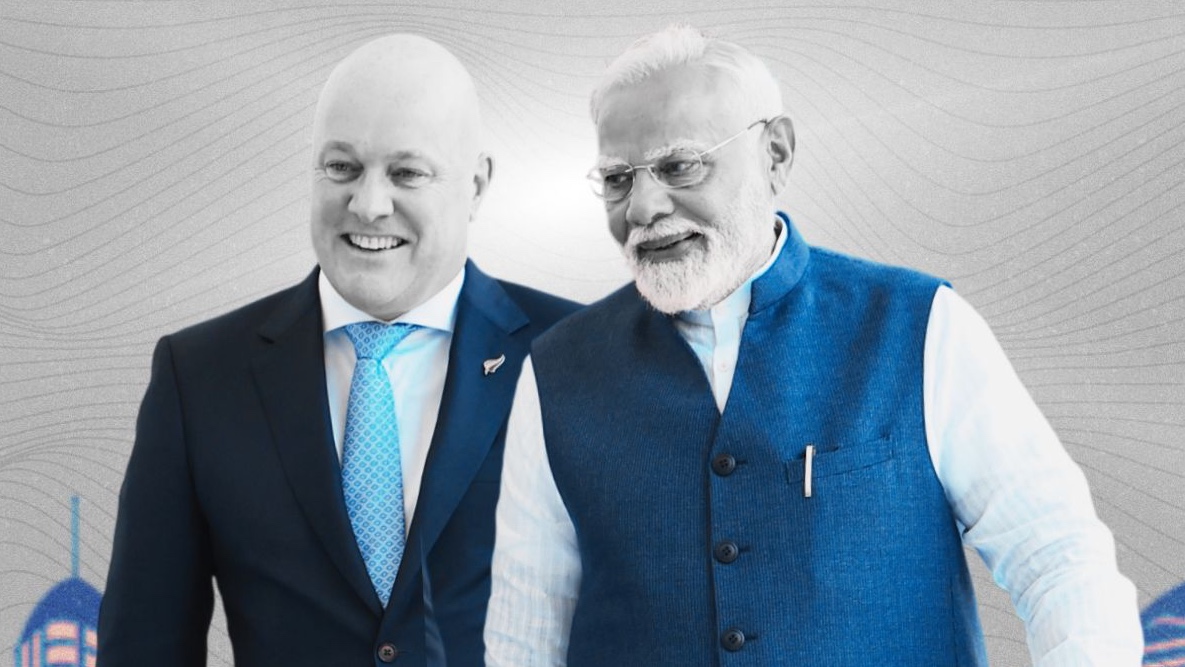
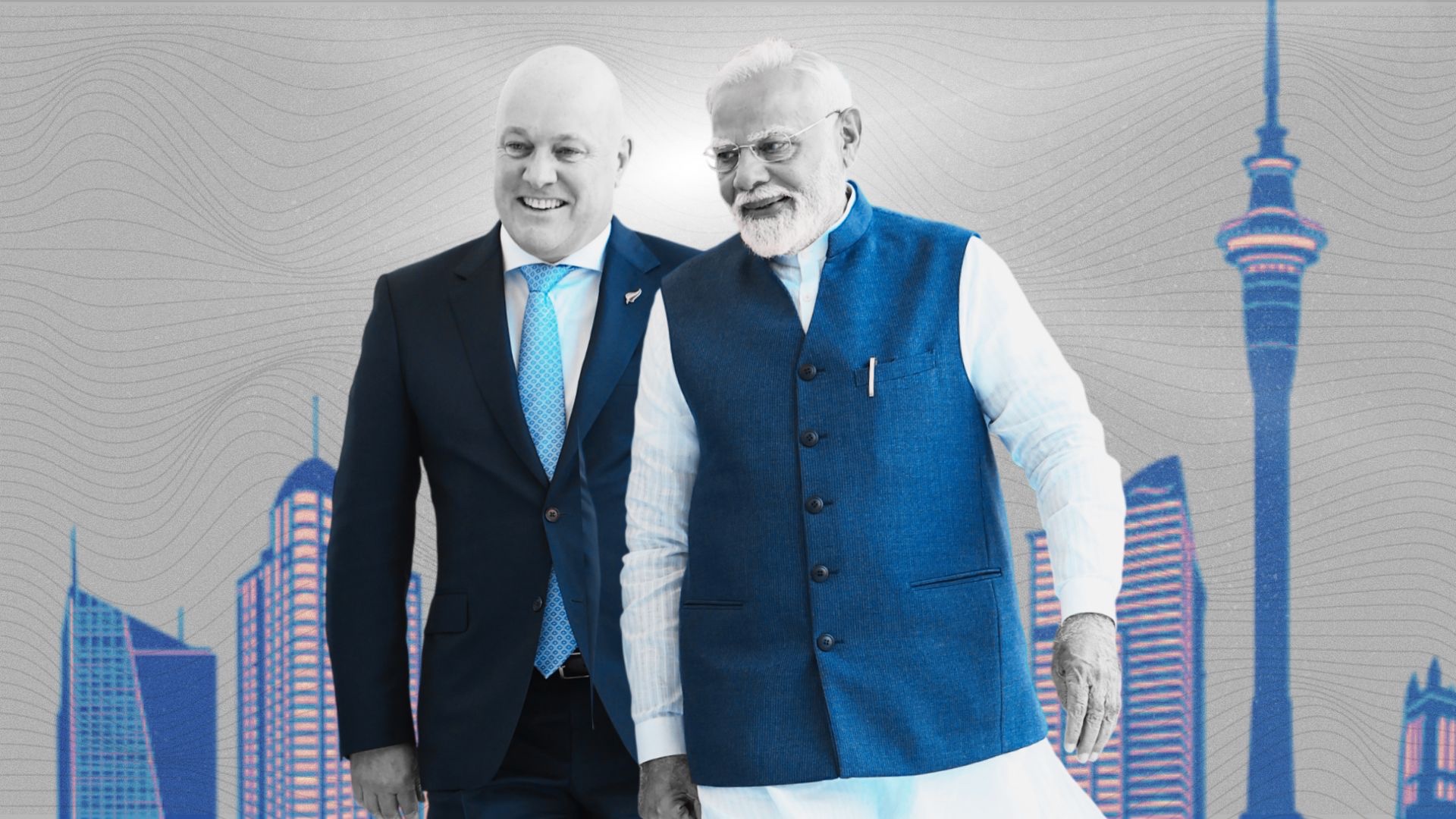
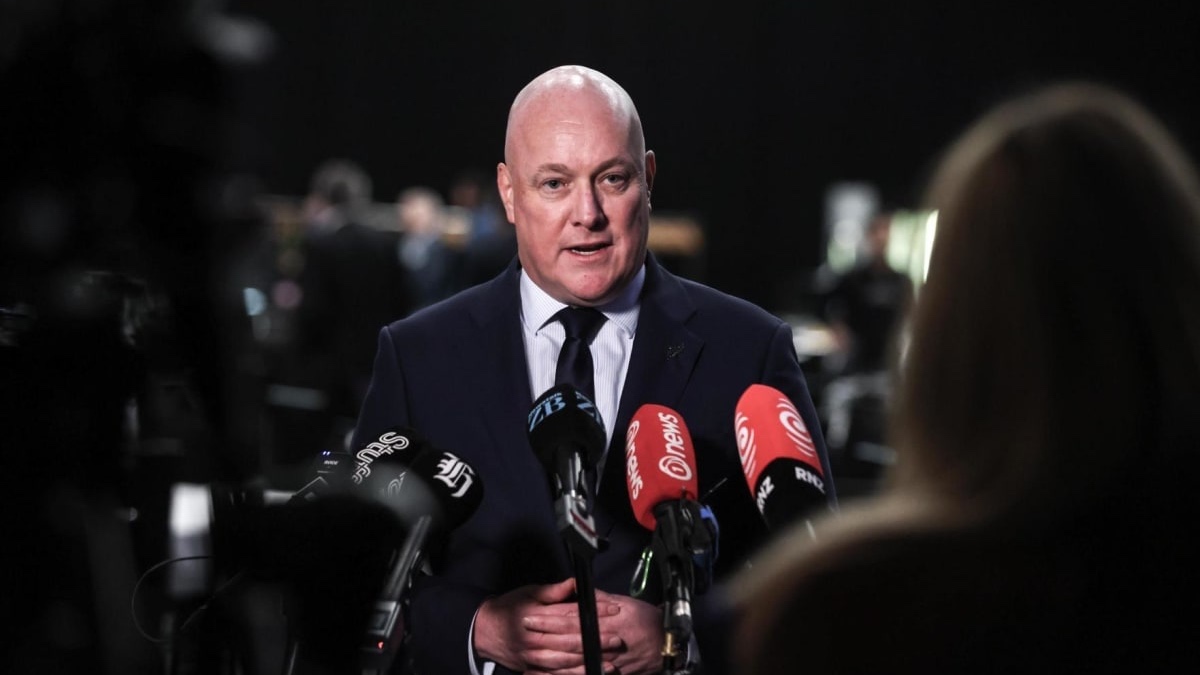
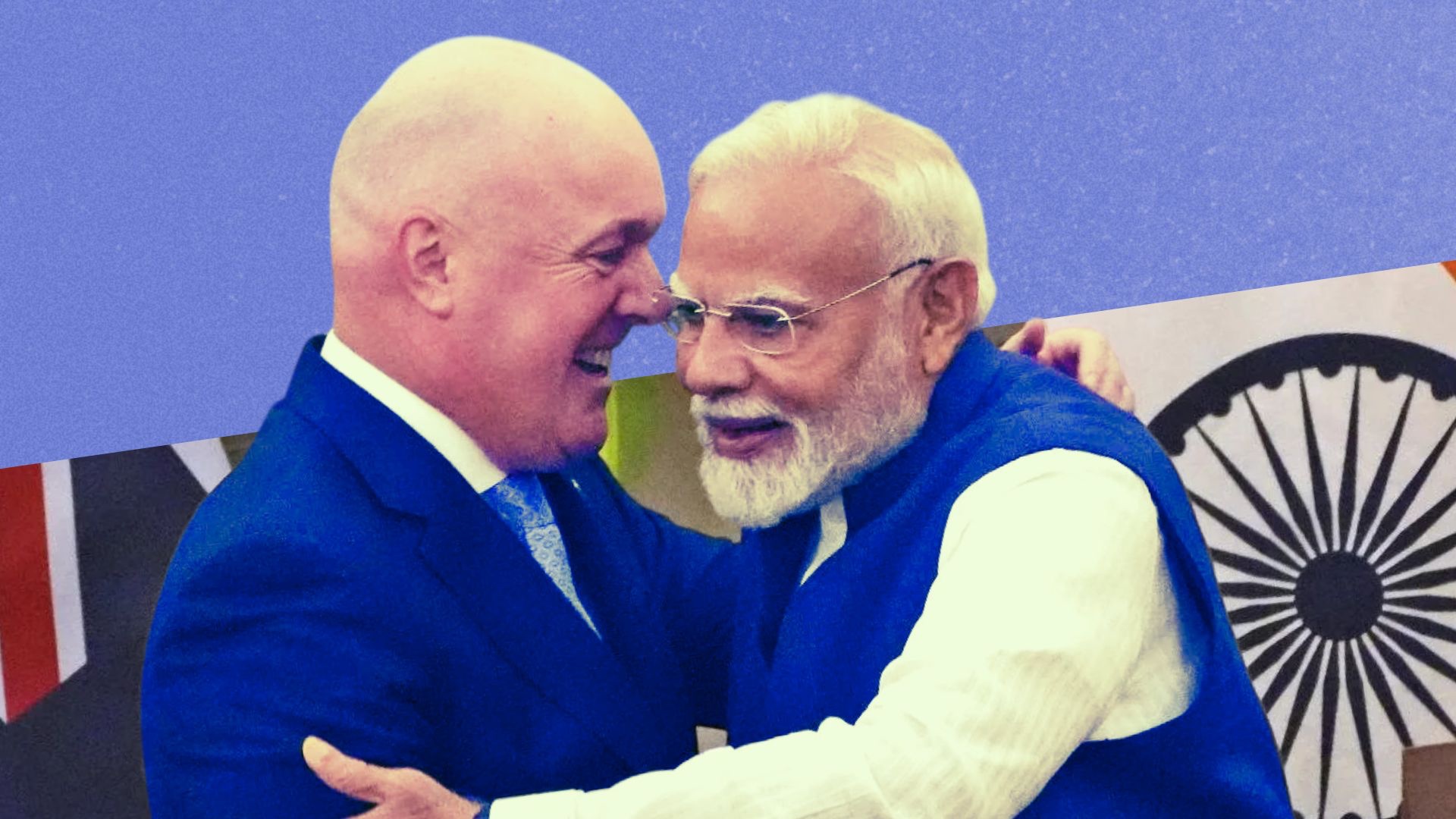
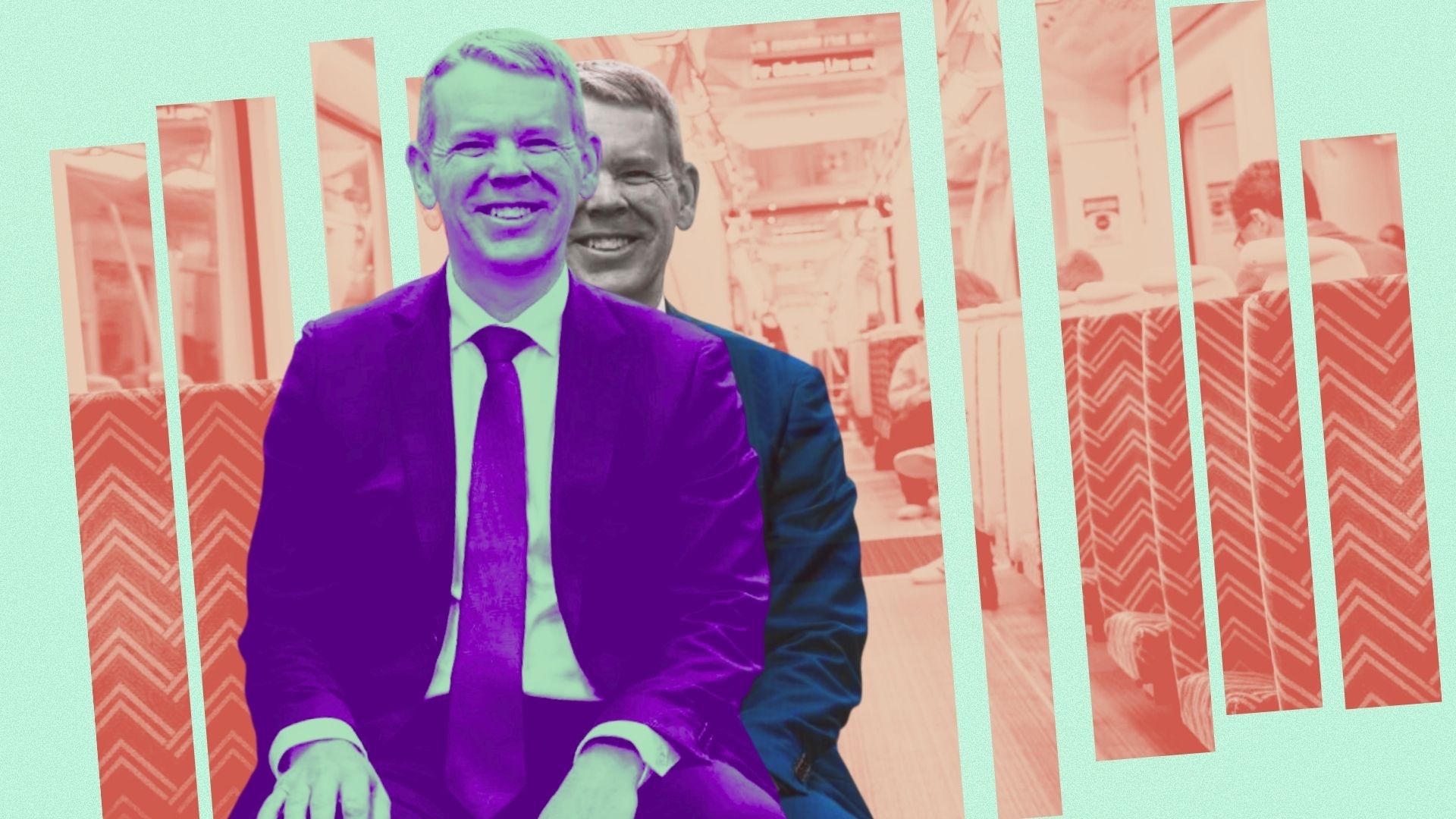
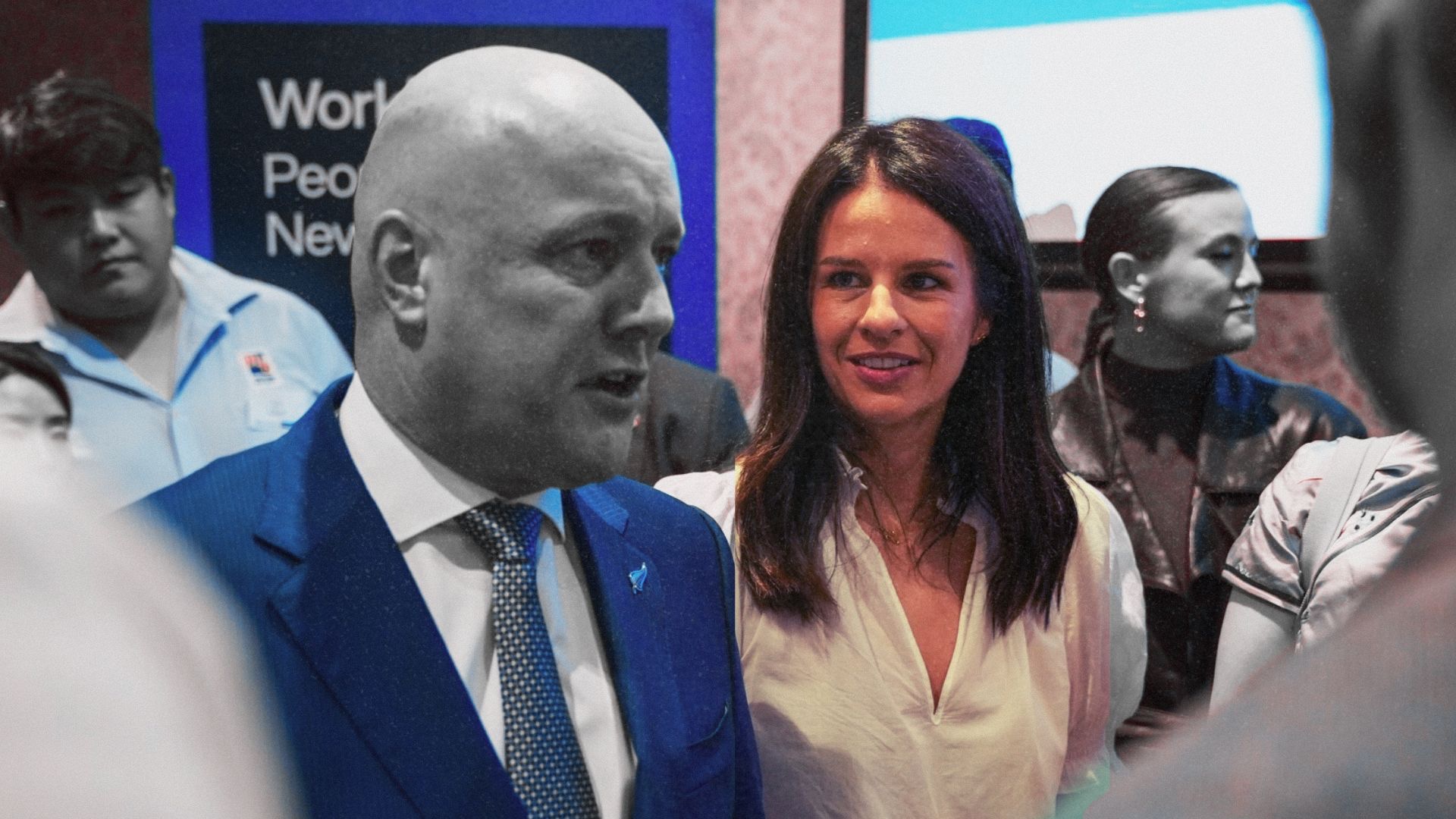
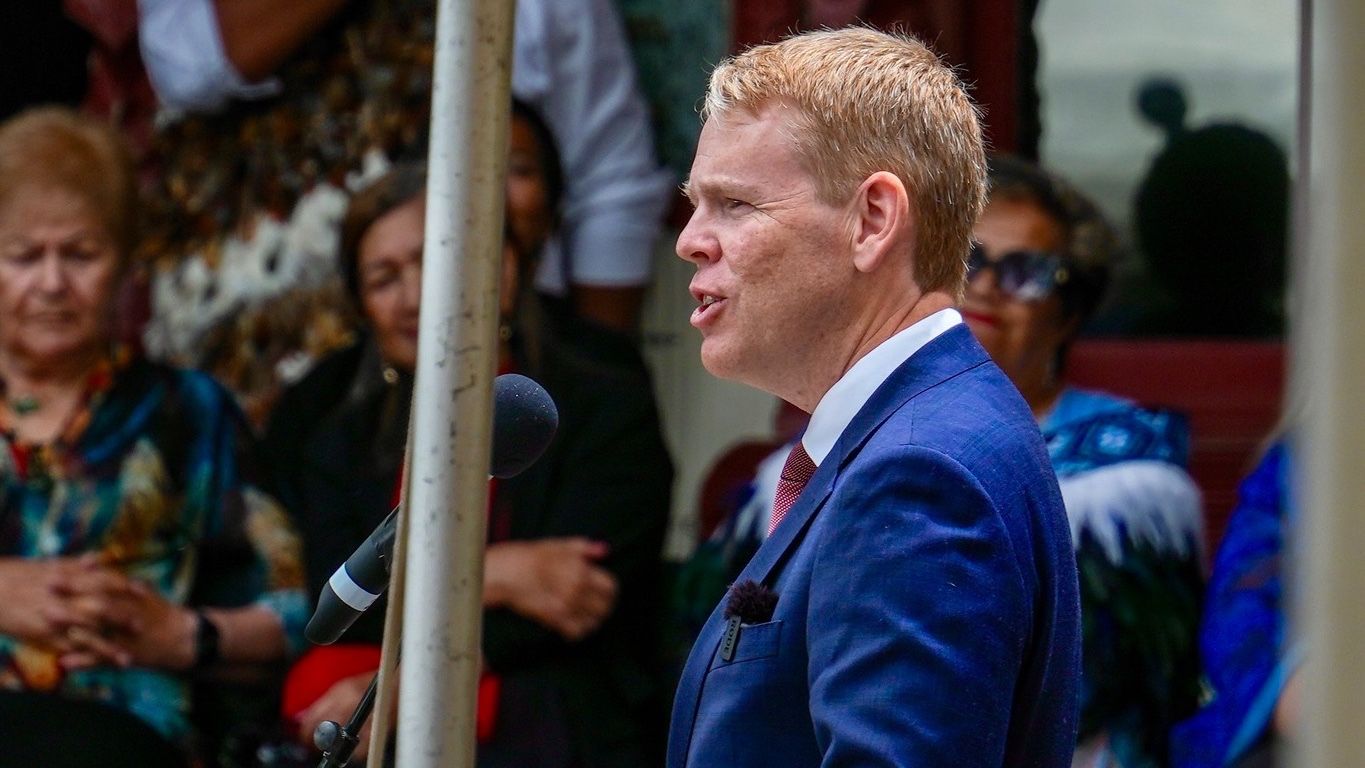
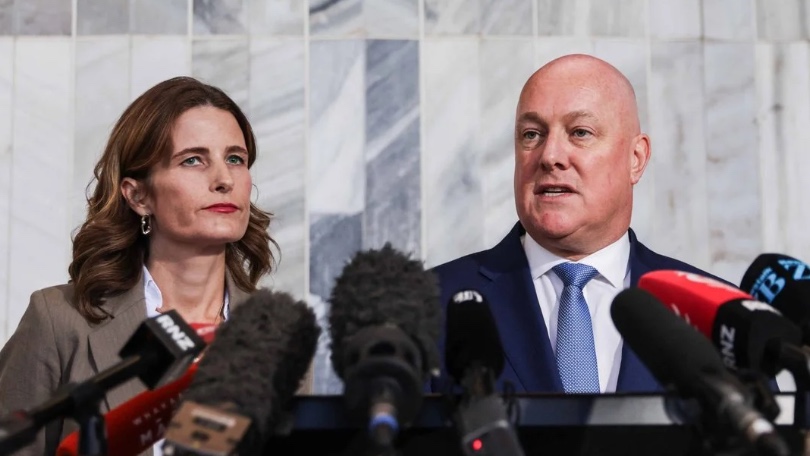
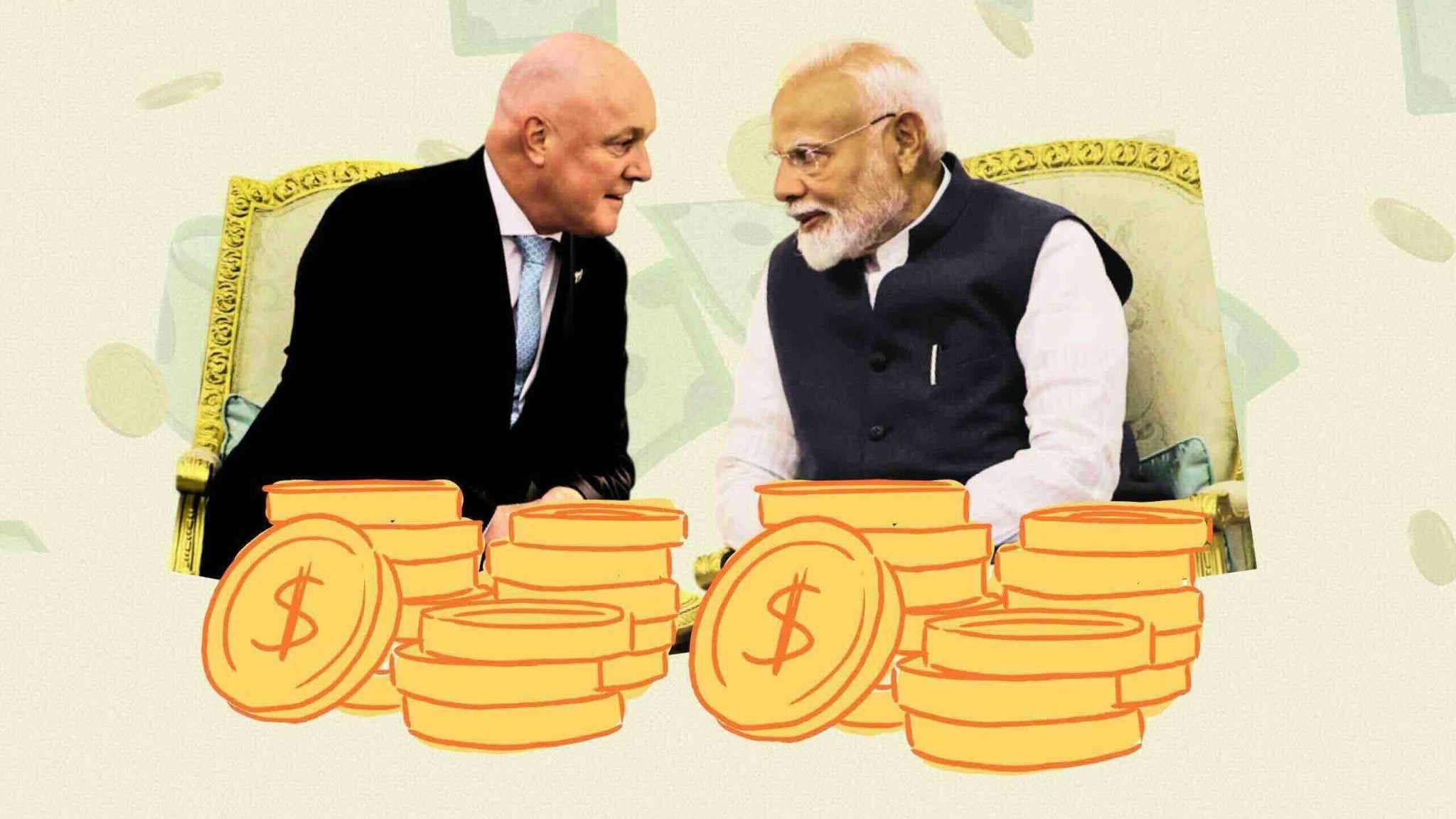
Opinion: In a speech on Wednesday billed as his pre-budget spiel, Christopher Luxon's message for businesses was terse.
"When it comes to immigration, when faced with a choice between social stability and your bottom line, I will choose the former every single time."
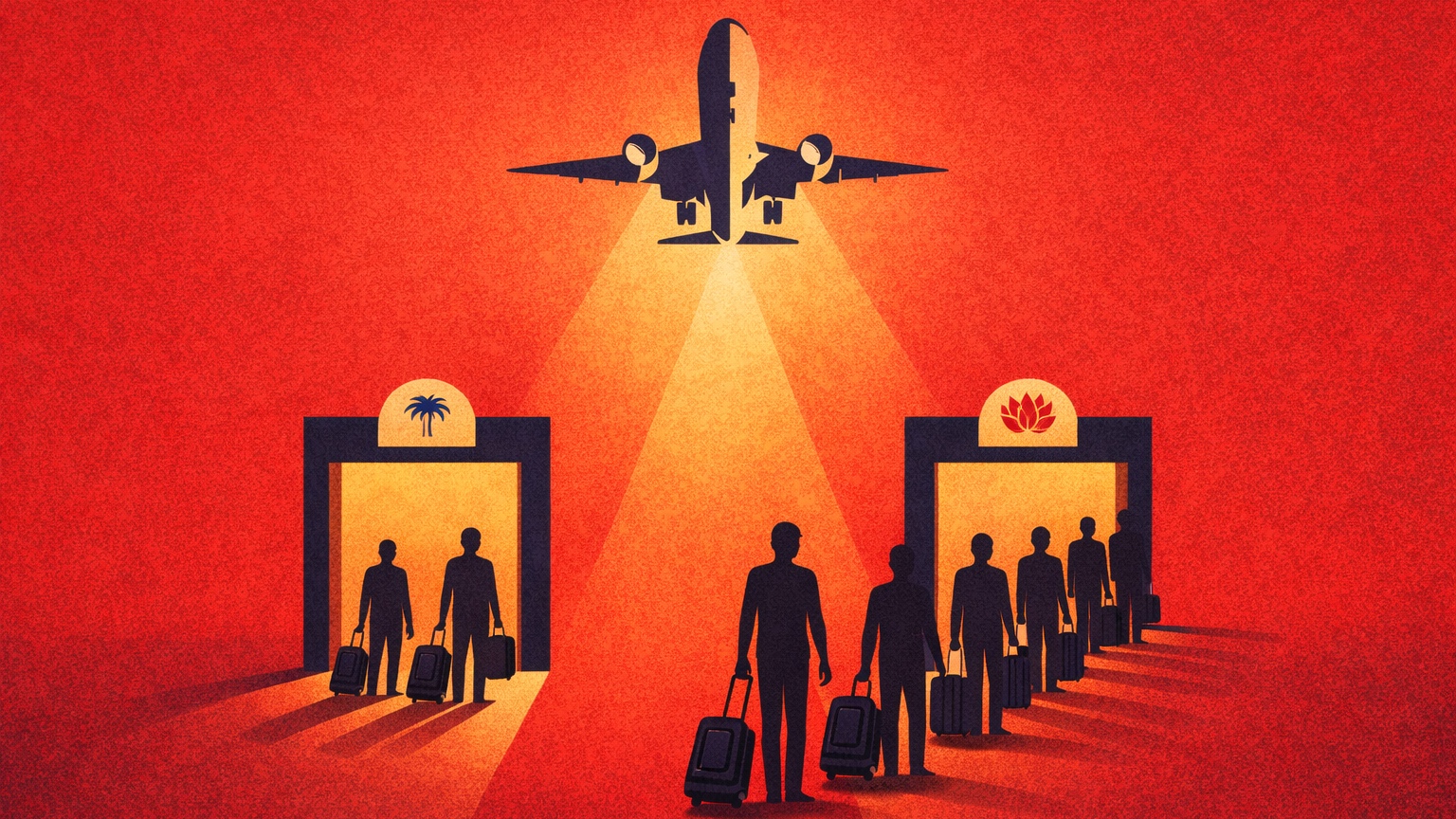
Migration may be good for business, but if it rocks the country's social fabric the prime minister says he will be having none of it.
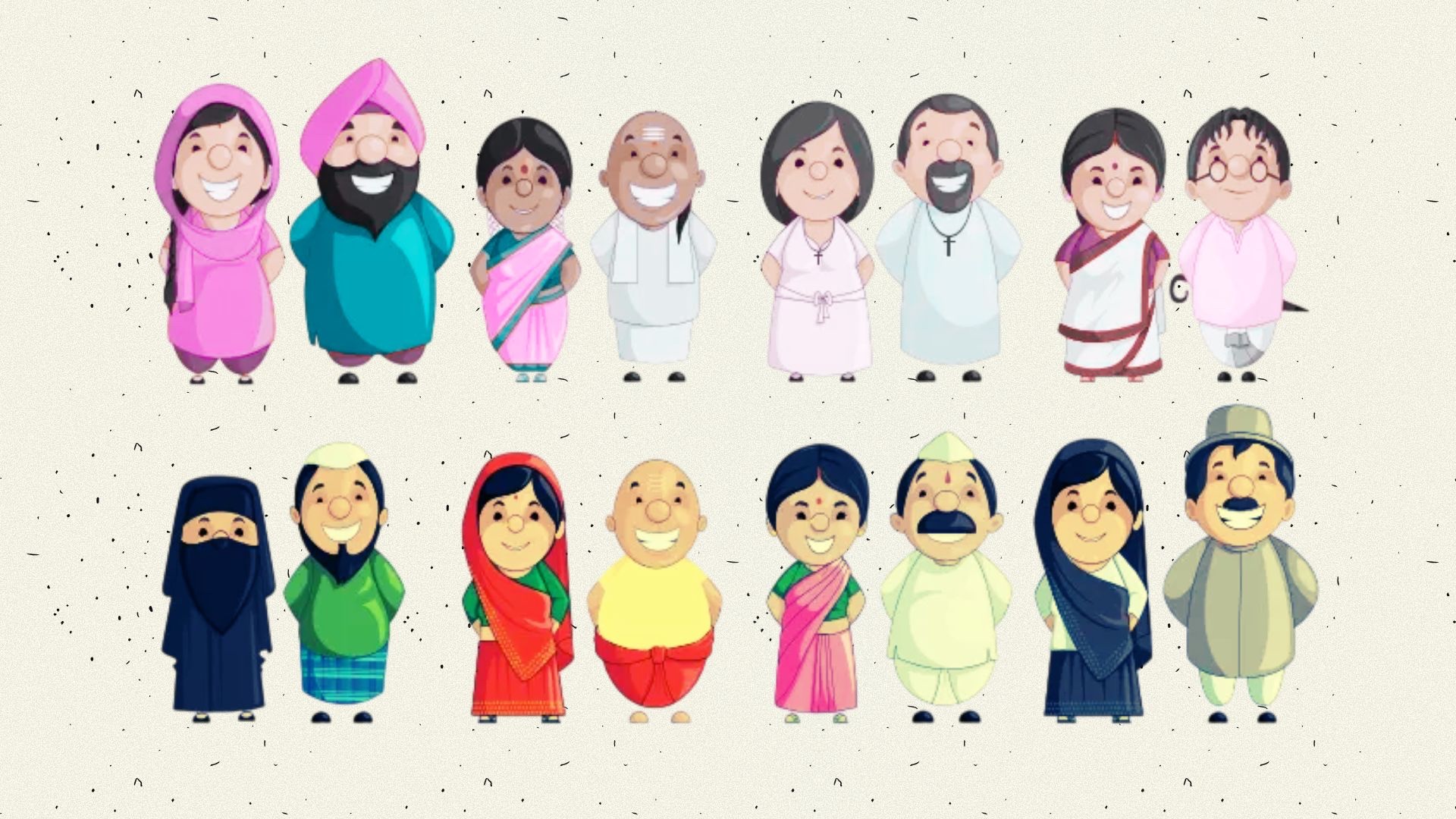
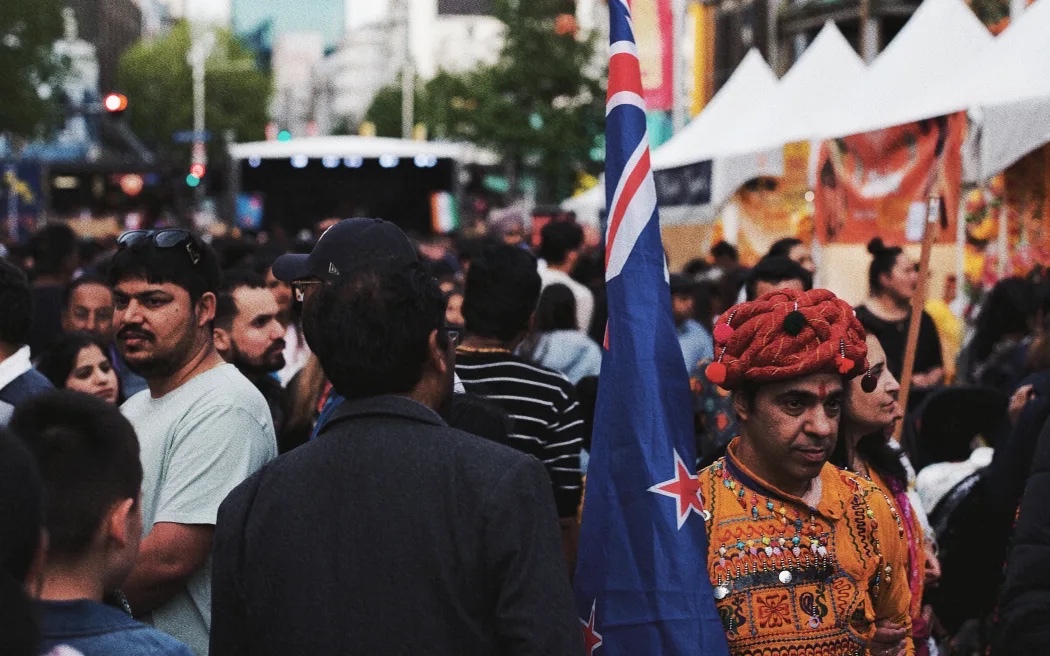
New Zealand is one of the world's most diverse countries. About three in every 10 people here were born overseas. Two in five for Auckland.
Luxon spoke 5,517 words during the speech on May 13 that was titled 'Securing New Zealand’s future in a more volatile world'.
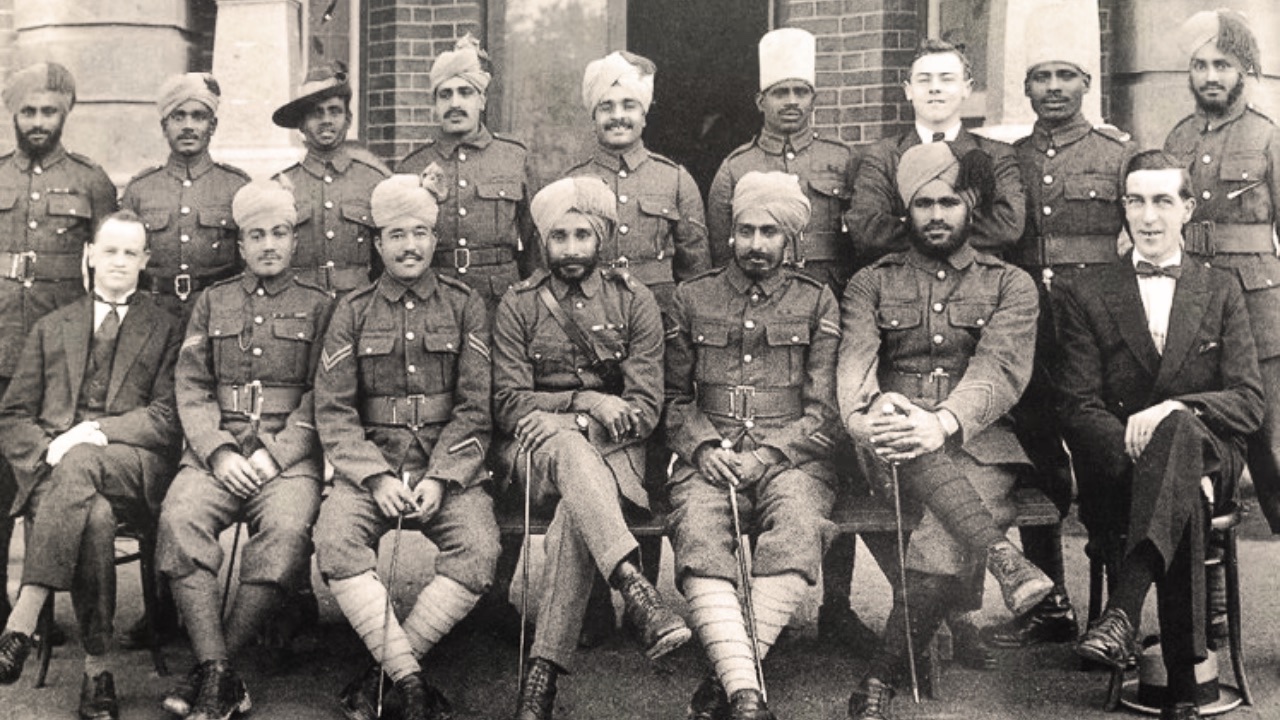
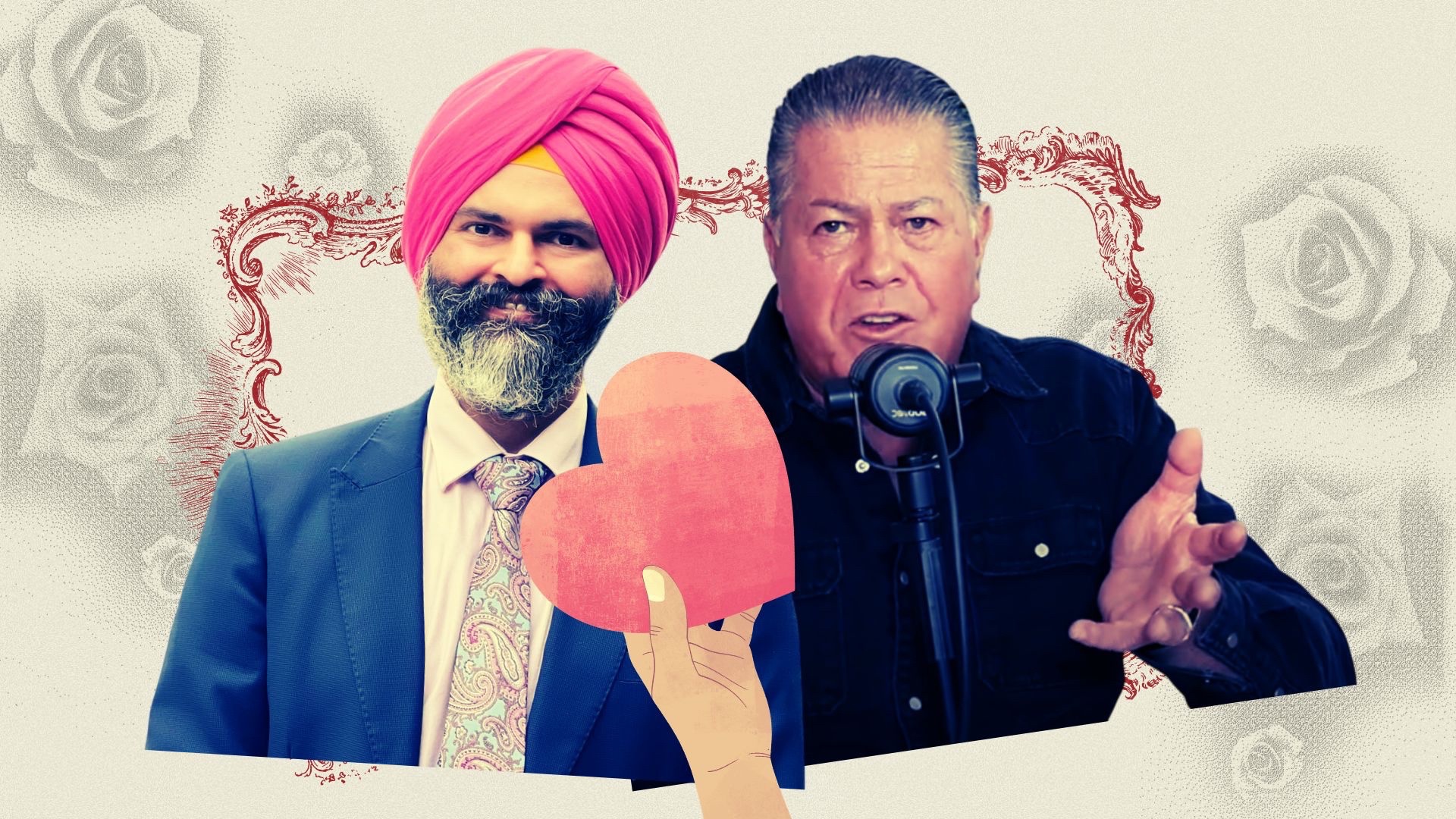
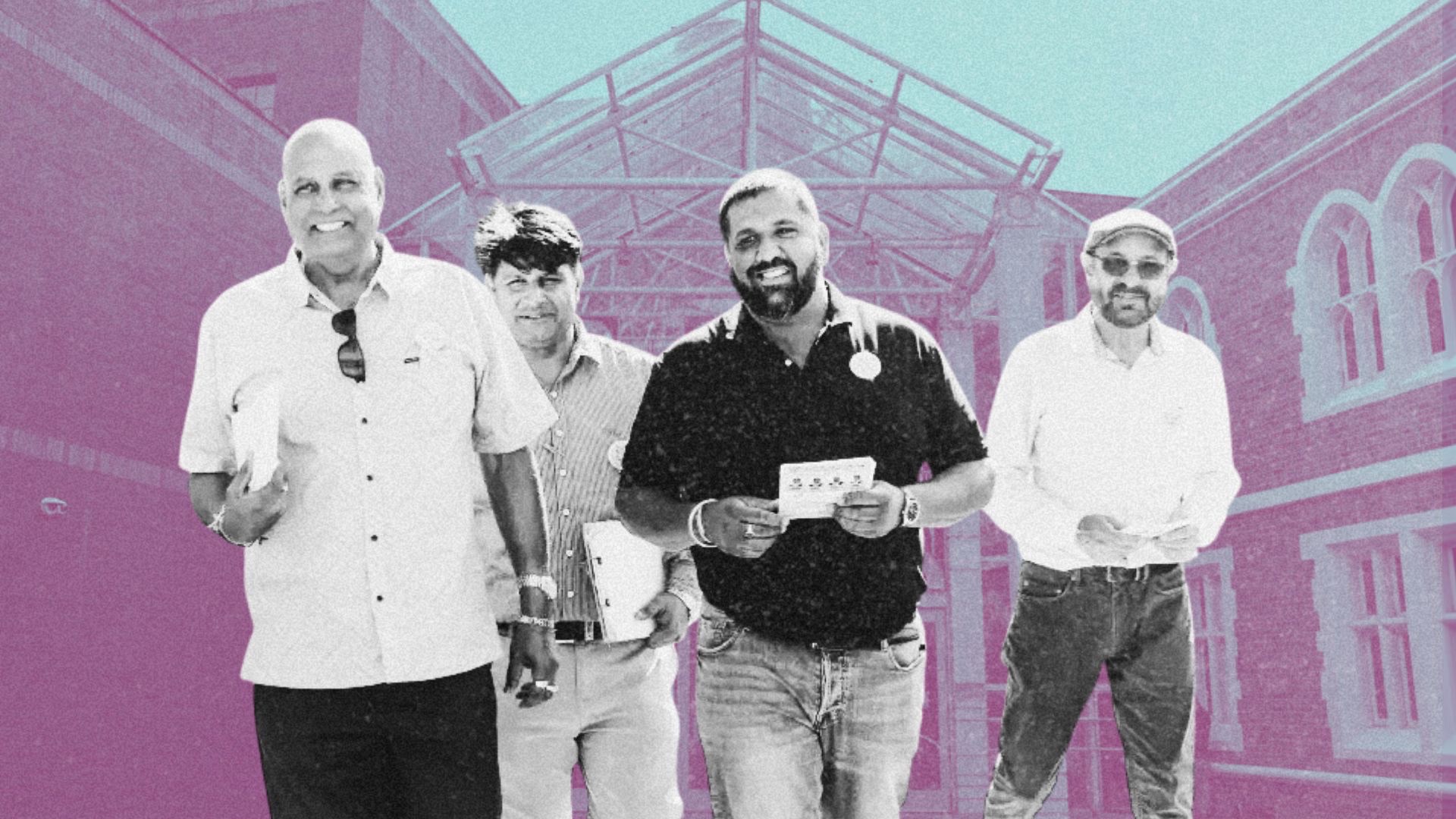
New Zealand hockey gambled £500 on an Indian team a century ago. It's paying off even today Crowds of 25,000, an astonishing 80 goals by one player and a sporting revolution that helped Indian migrants find acceptance.
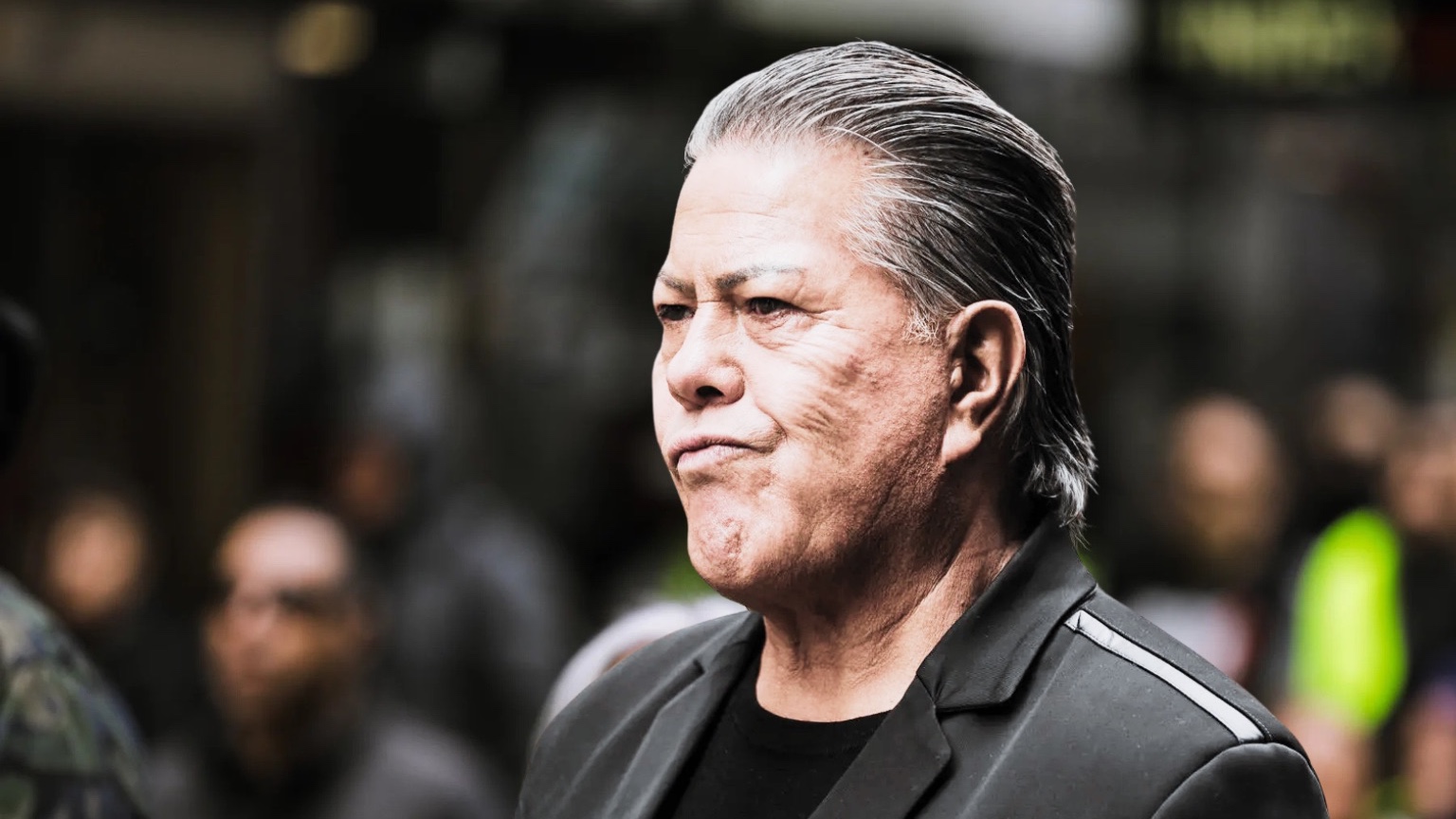
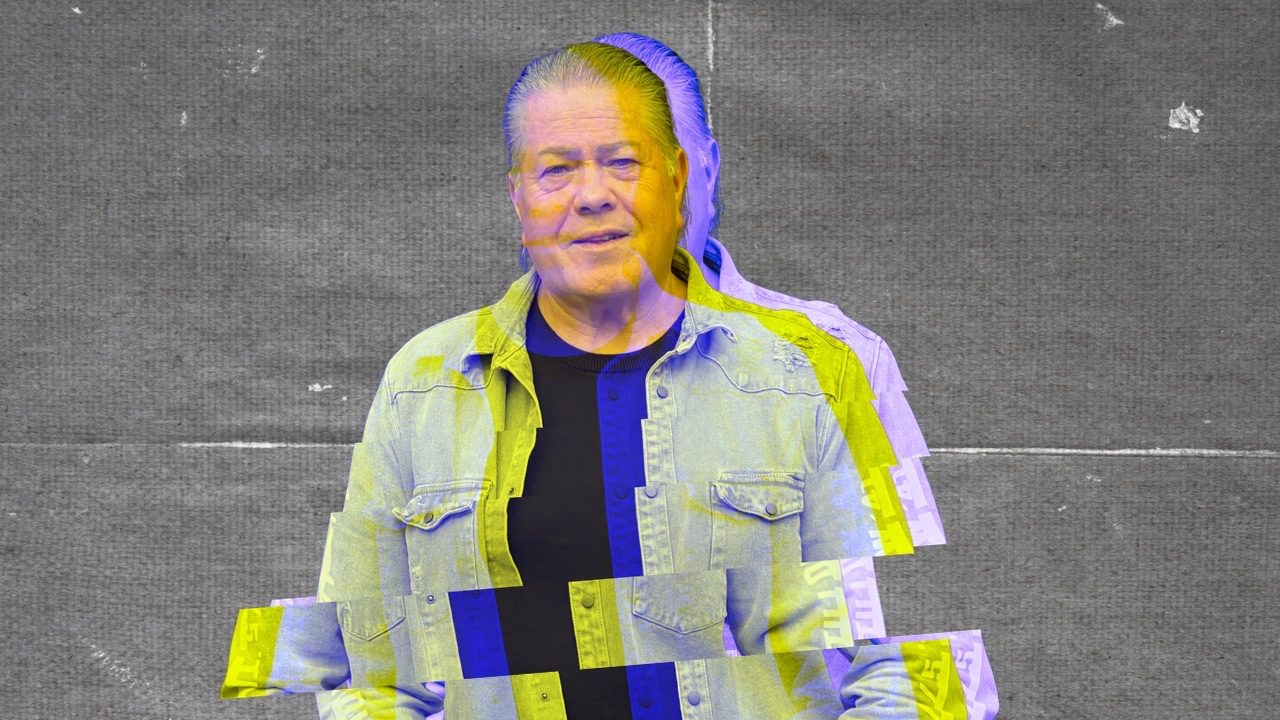
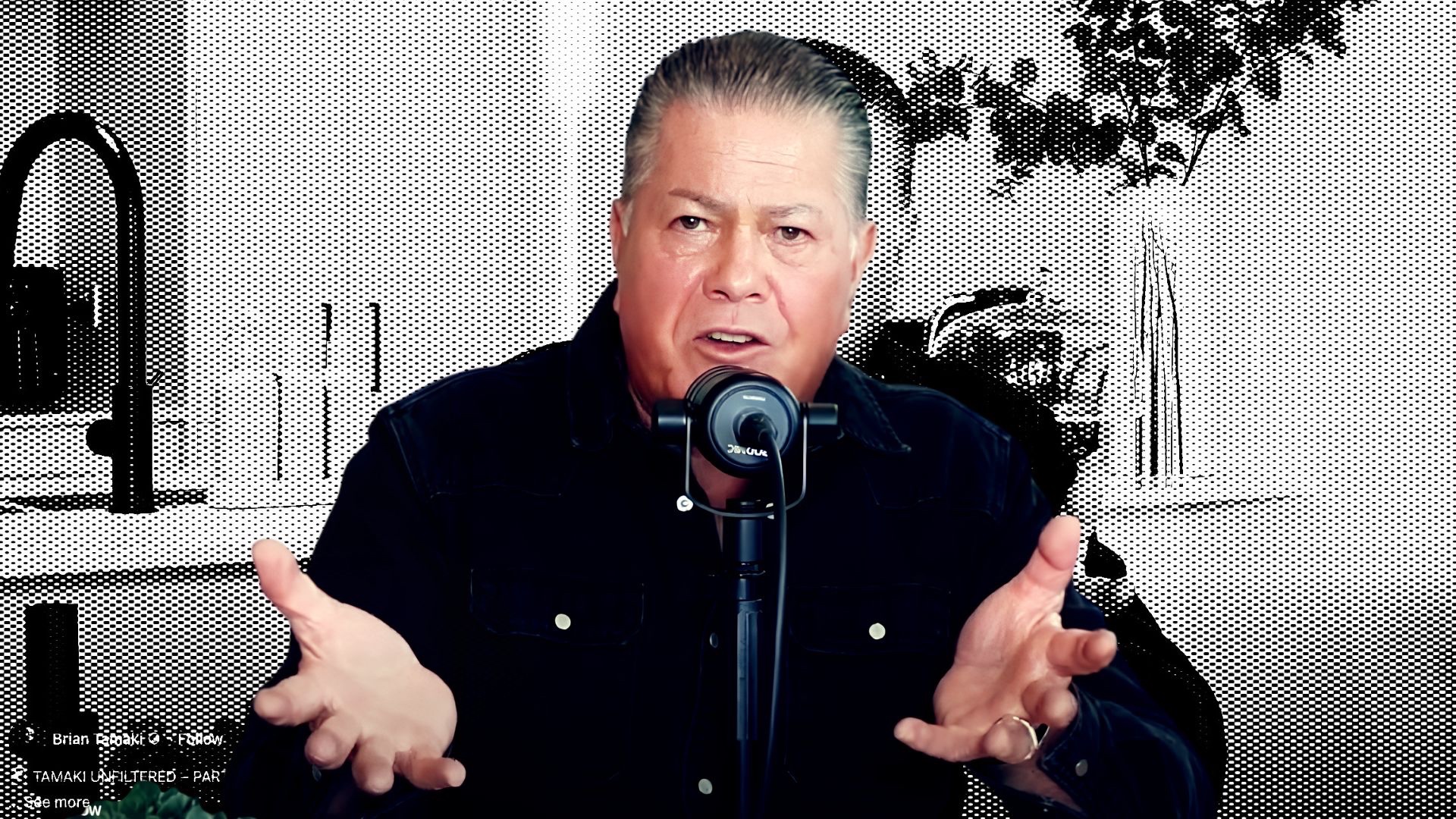
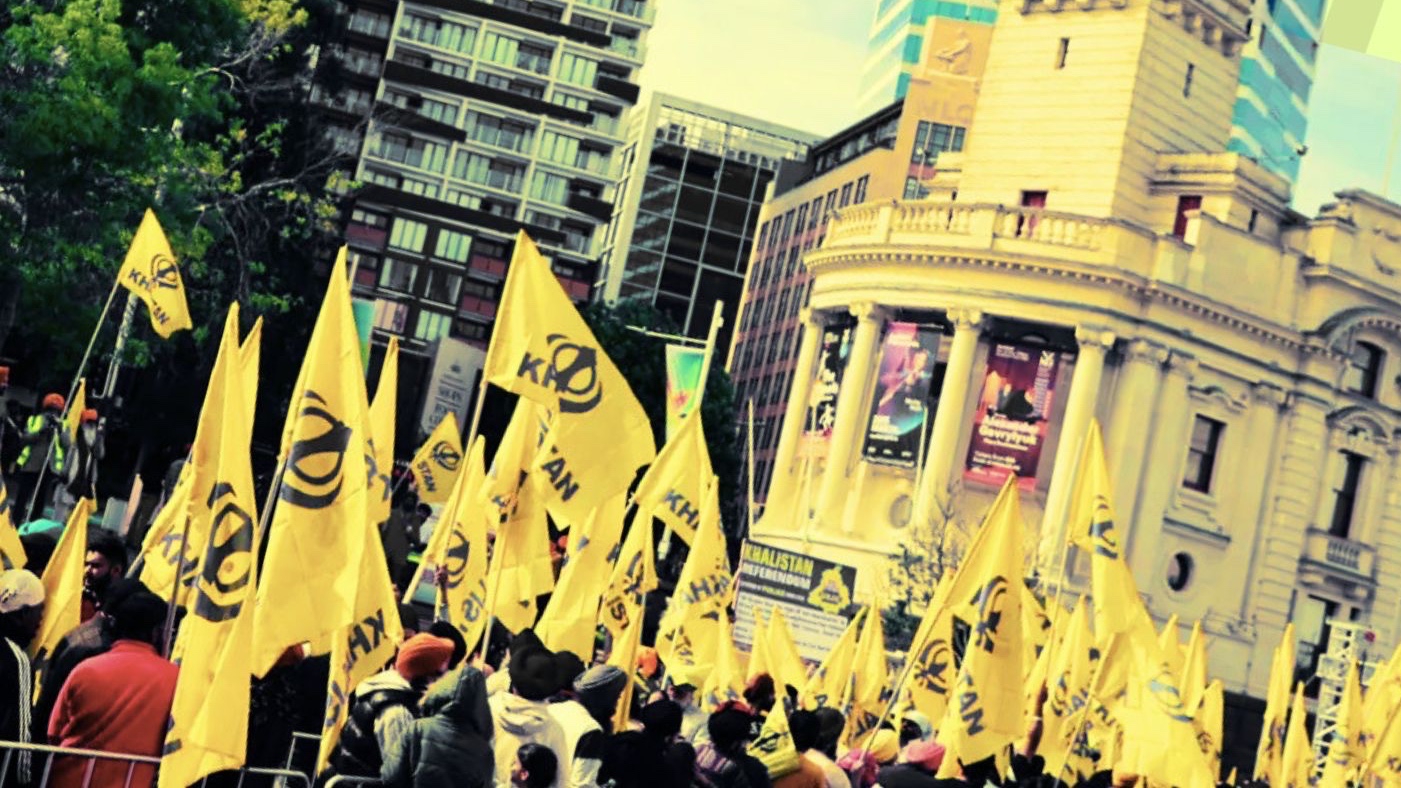
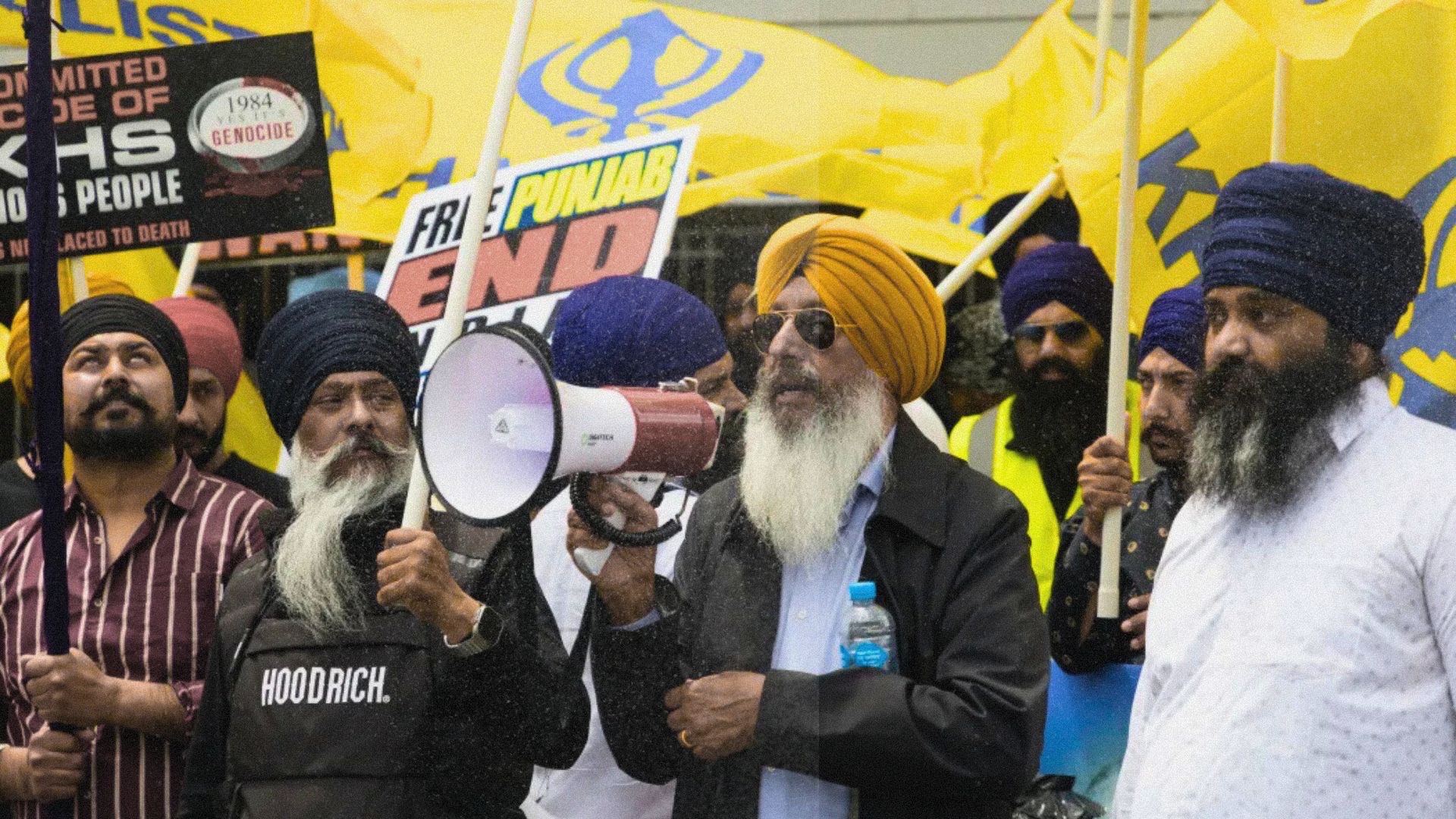
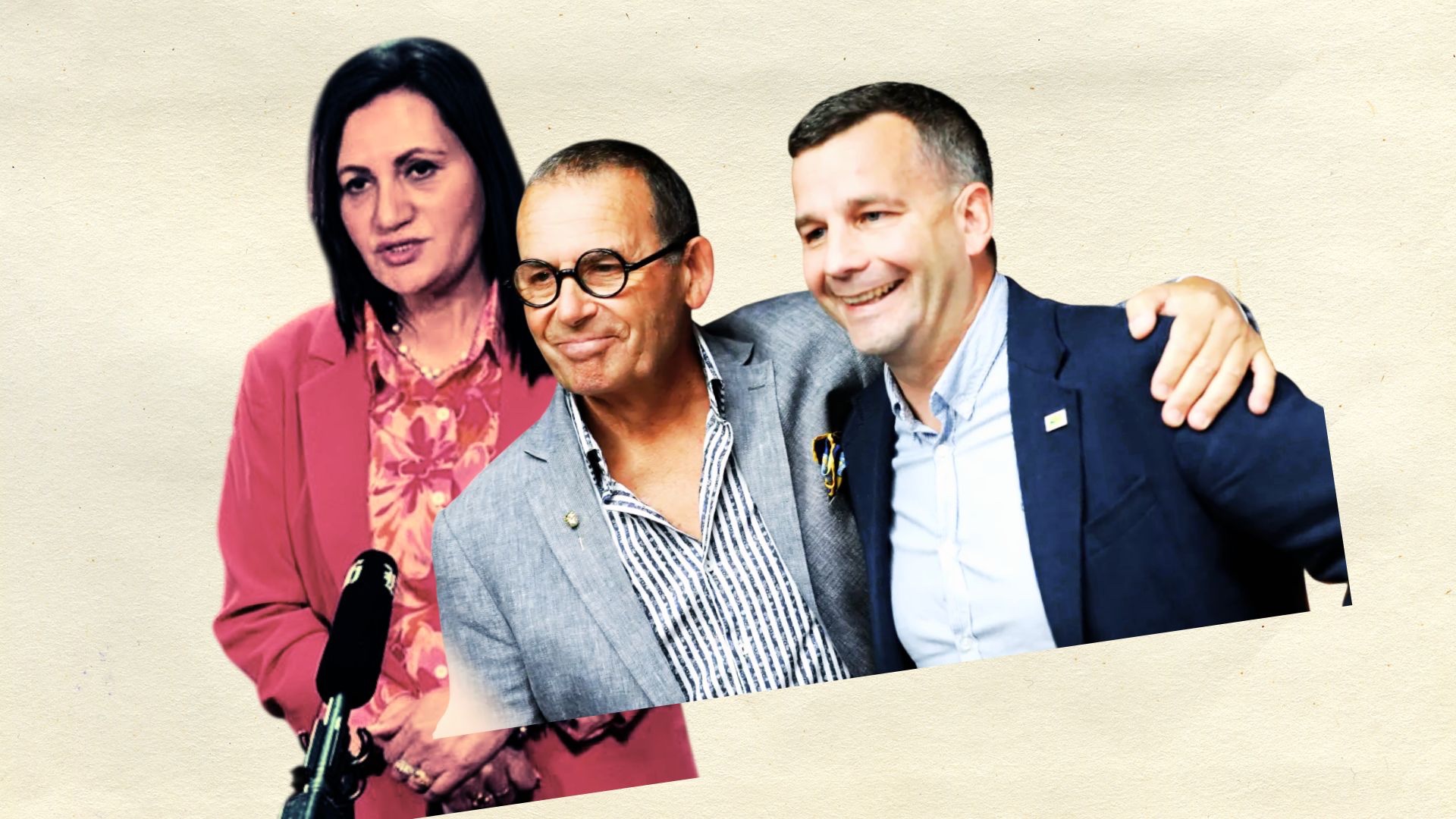
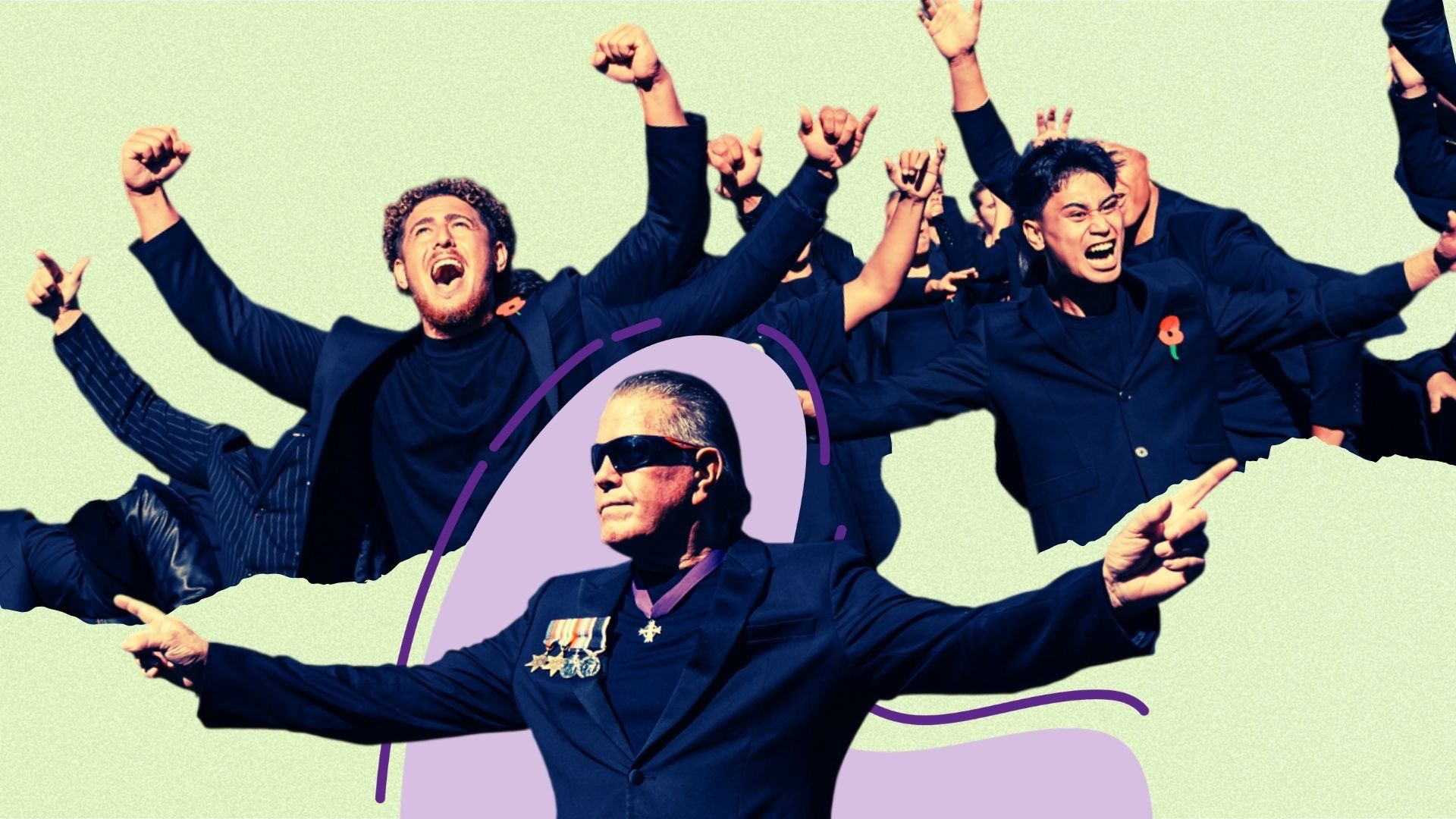
Tamaki says he was detained in Australia and sent back from airport over Sikhs, Muslims remarks The Destiny Church leader claims Australian authorities considered his presence a risk to Sikh and Muslim communities.
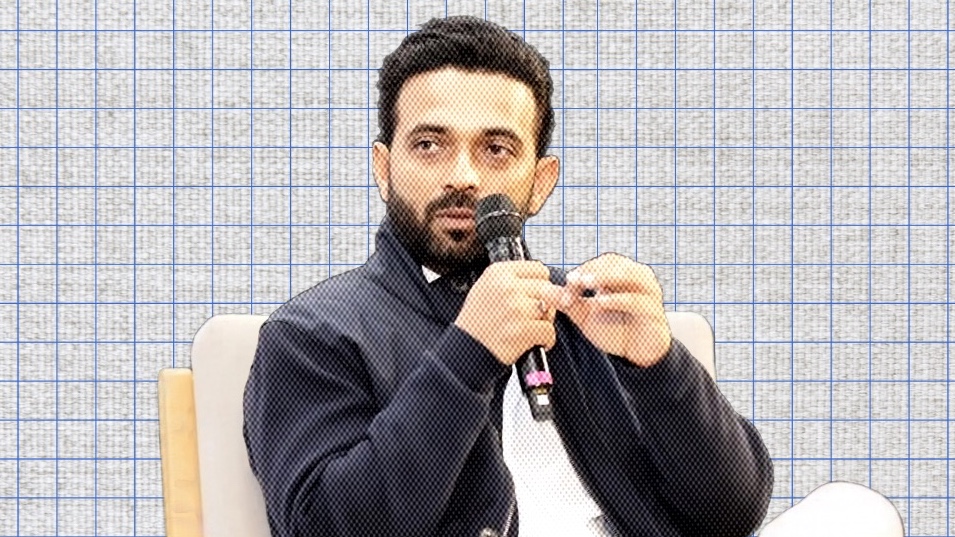
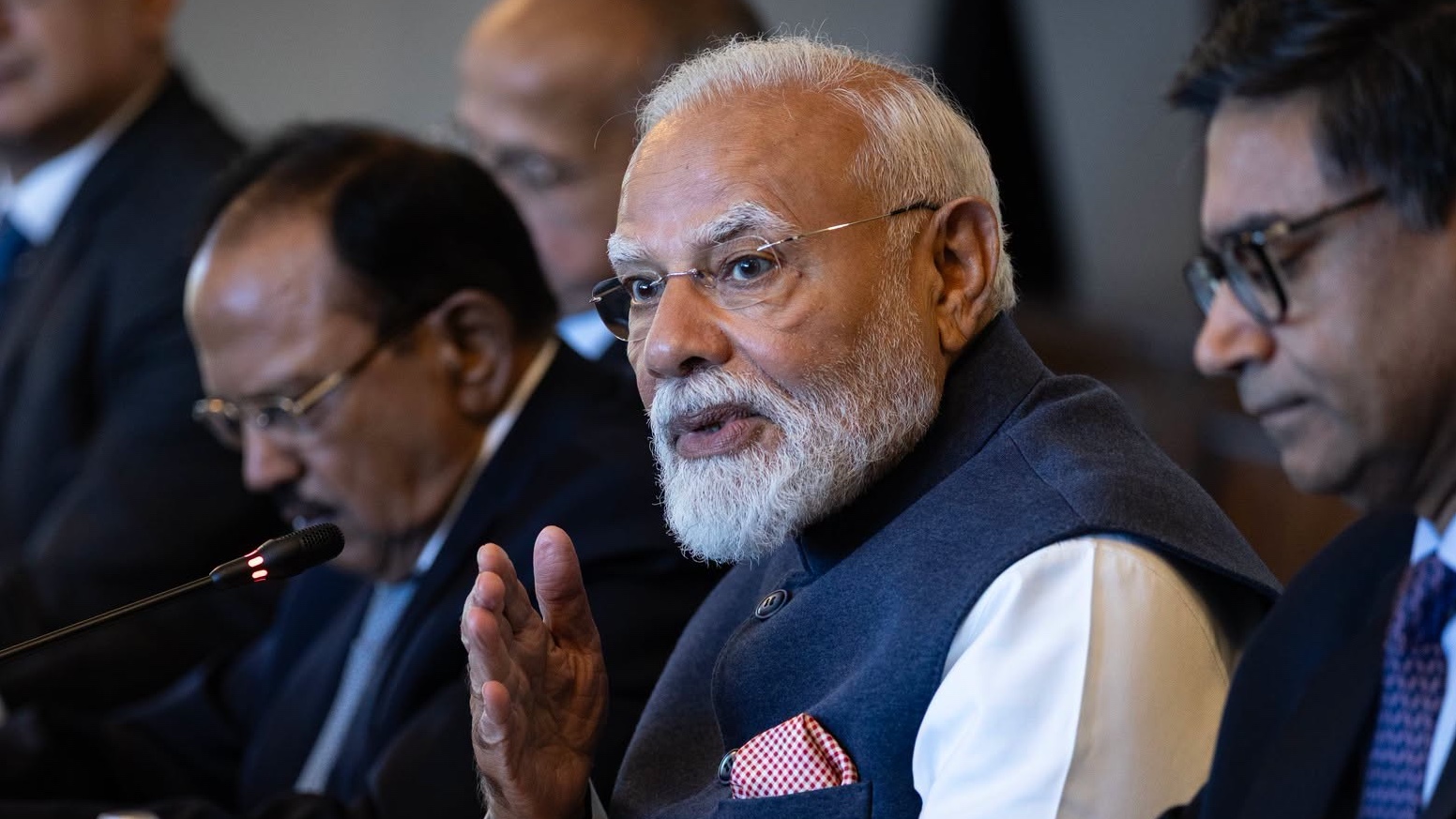
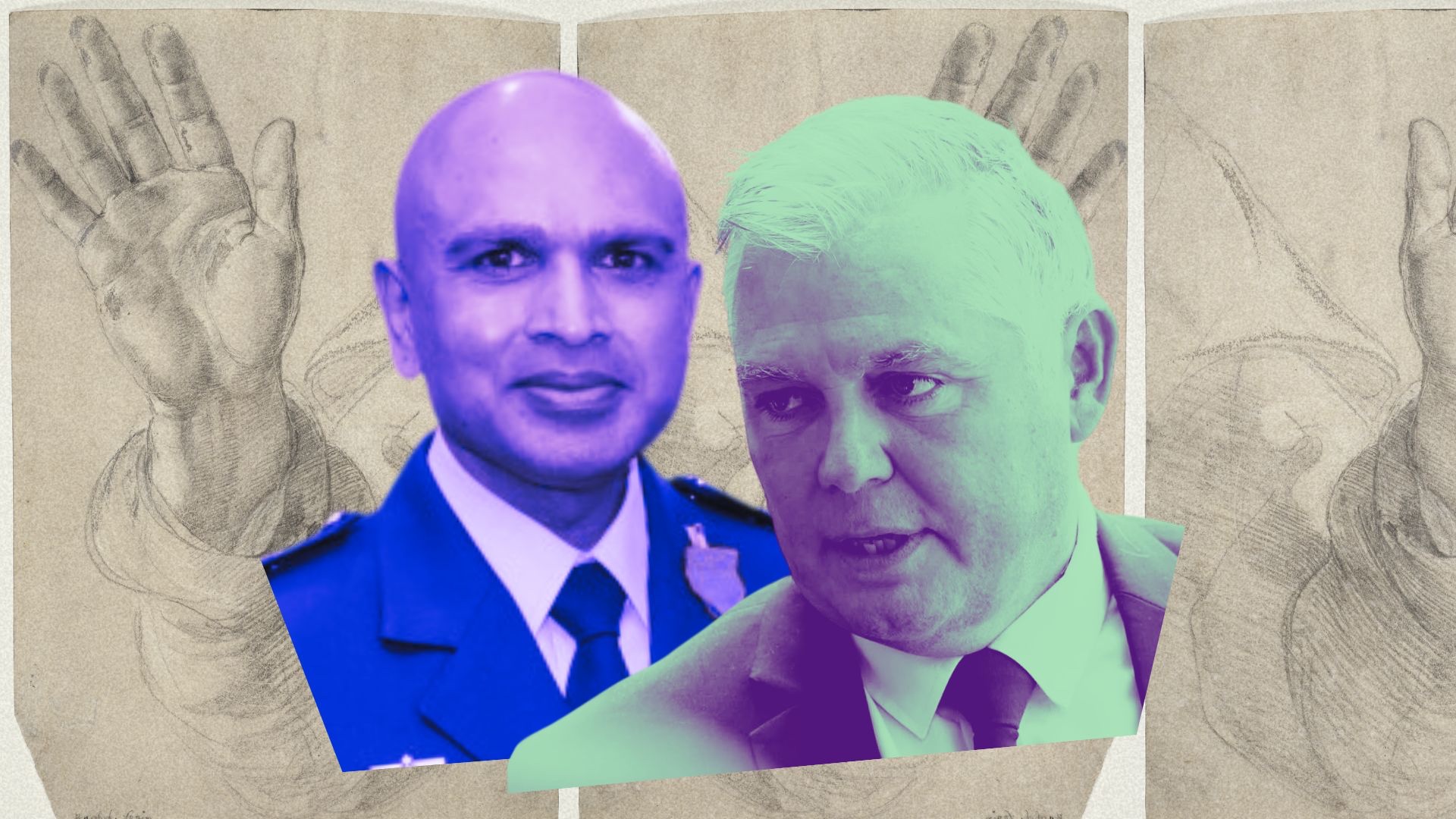
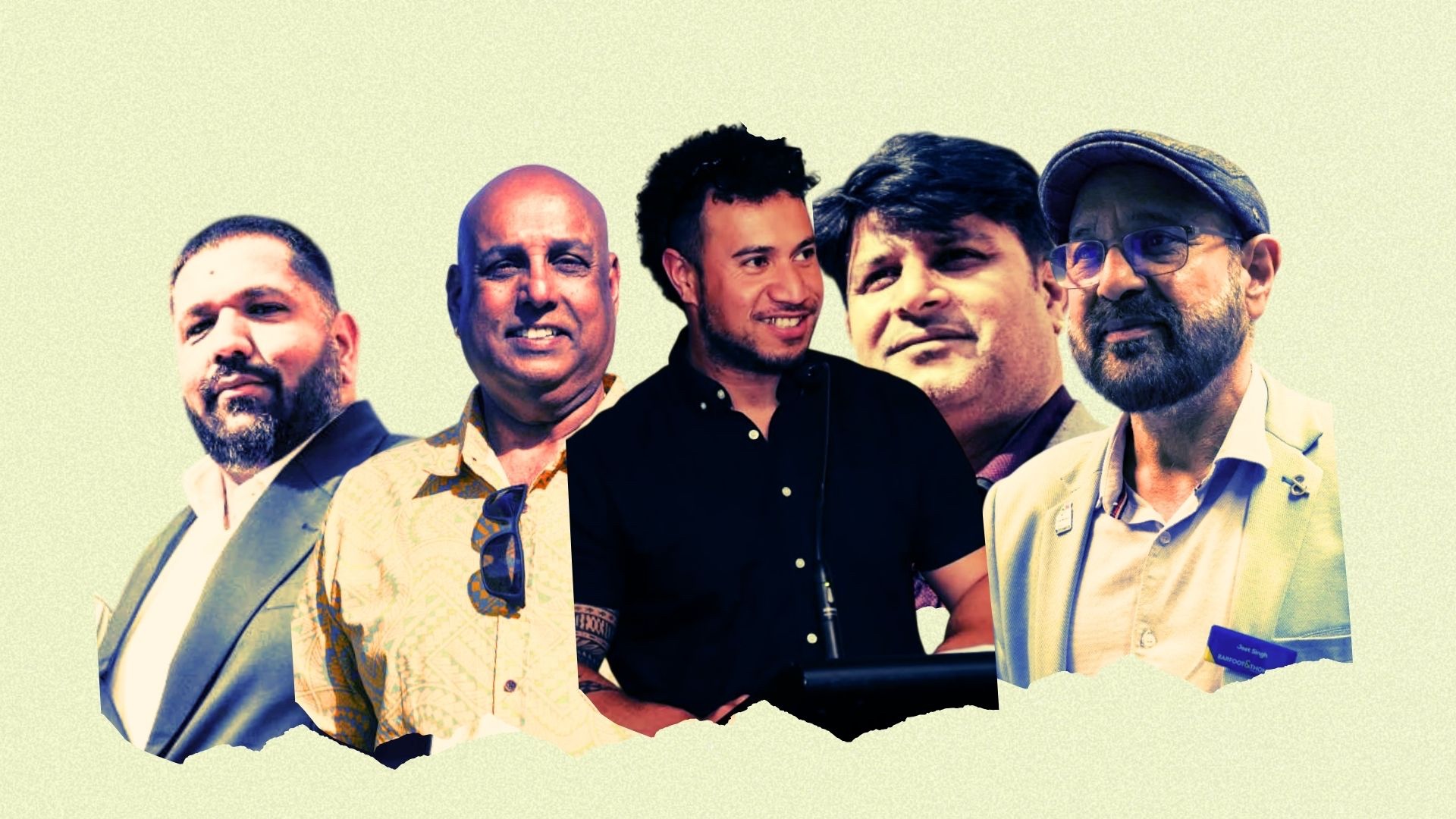
Being Indian and Kiwi at once. How Ajaz Patel's 10-wicket haul brought his two worlds together A historic moment in Mumbai left the Black Caps spinner reflecting on something far deeper than cricket.
Only 431 of those dealt with immigration. But they carried much more weight than the word count would suggest.
Perhaps the most telling moment was Luxon's first public acknowledgment in the election year that migration could be splitting New Zealand down the middle.
"Failed immigration policies in Europe and North America have also stoked a politics of division online," he said.
The prime minister patted himself on the back for "prudent policies" and pointed to the country's "natural advantages of geography" before laying out the problem rather bluntly.
"Holding our society together under those pressures will be challenging."
That rhetoric about immigration stands out even more when you see the context in which it was invoked.
"Today, I’d like to provide some guidance on my party’s direction of travel on some components of that national security," Luxon said in the lead-up to his diagnosis.
Immigration and social cohesion rubbed shoulders with such issues of national importance as energy independence, and international and financial security.
It won't be a surprise if Luxon has deduced (though rather late) that migrant Kiwis are copping hate in the lead-up to the election.
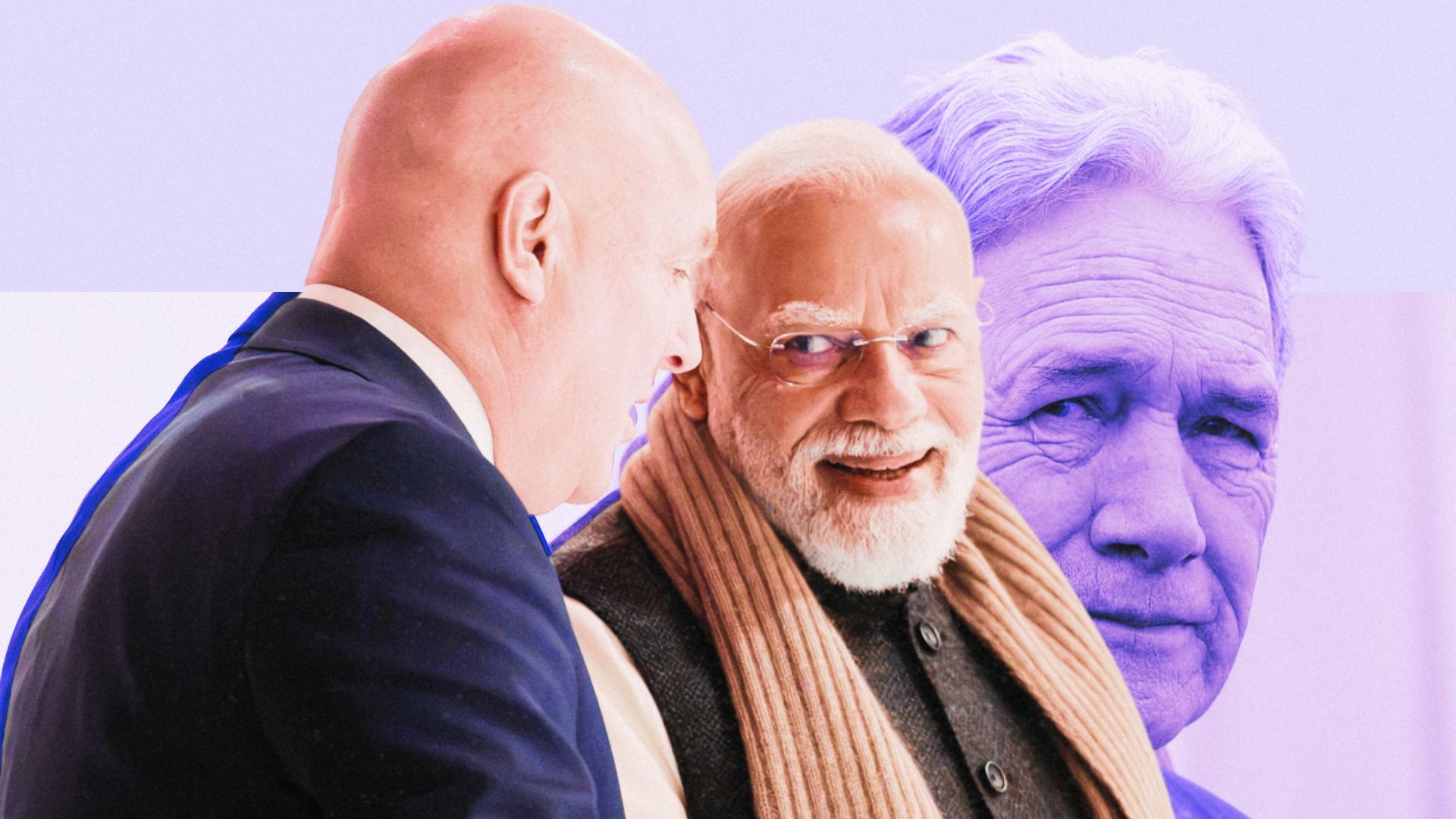
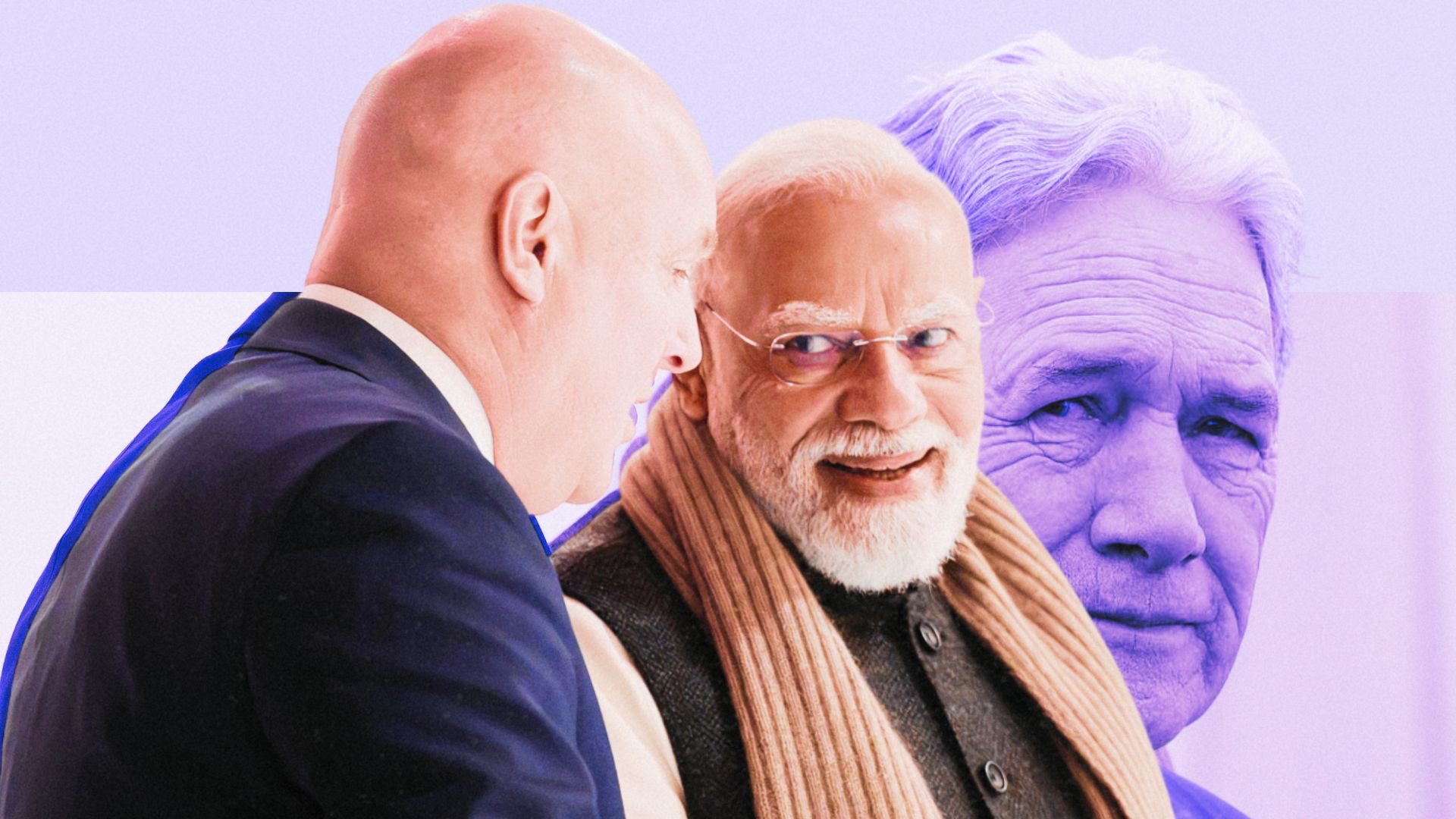
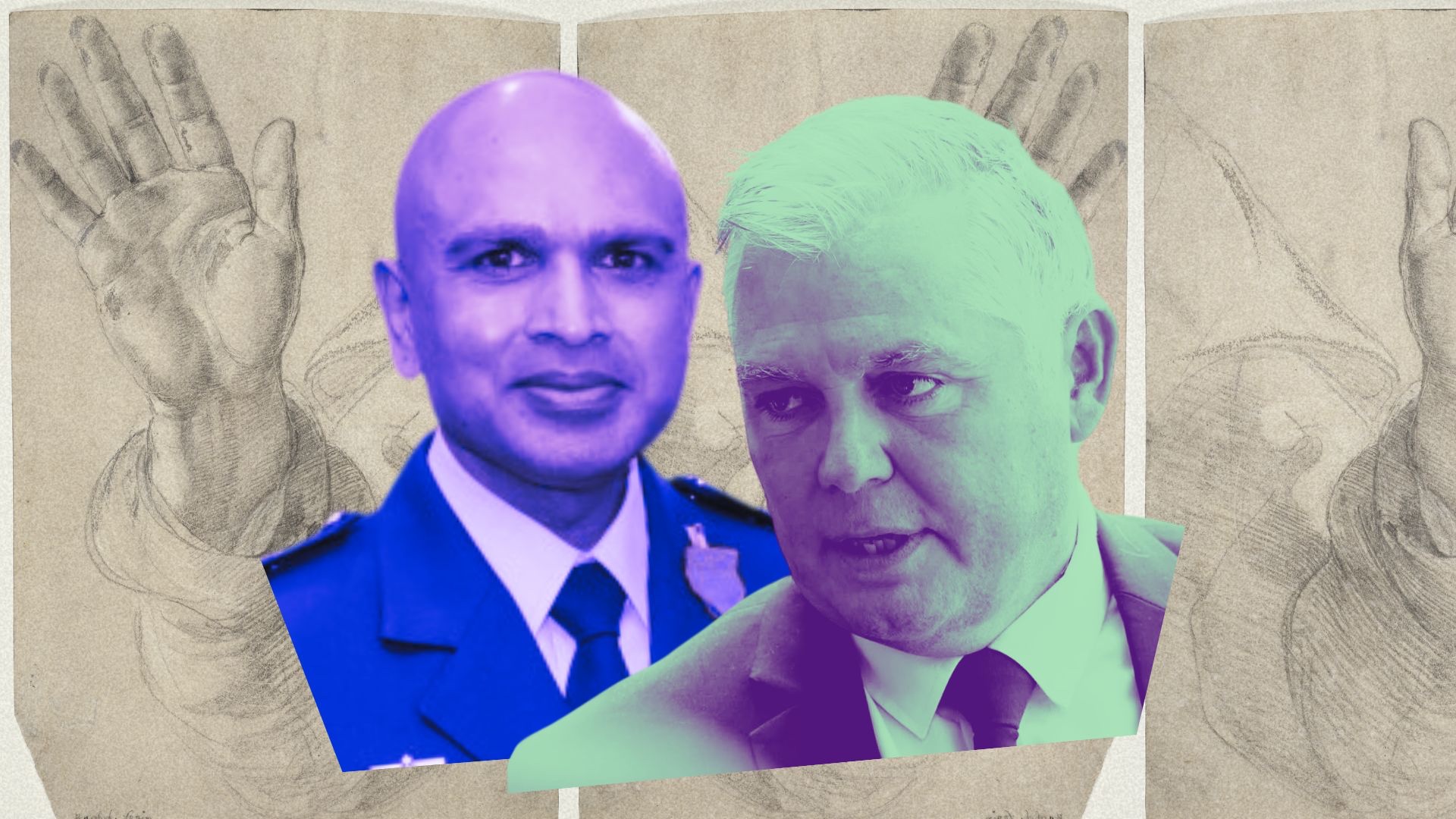
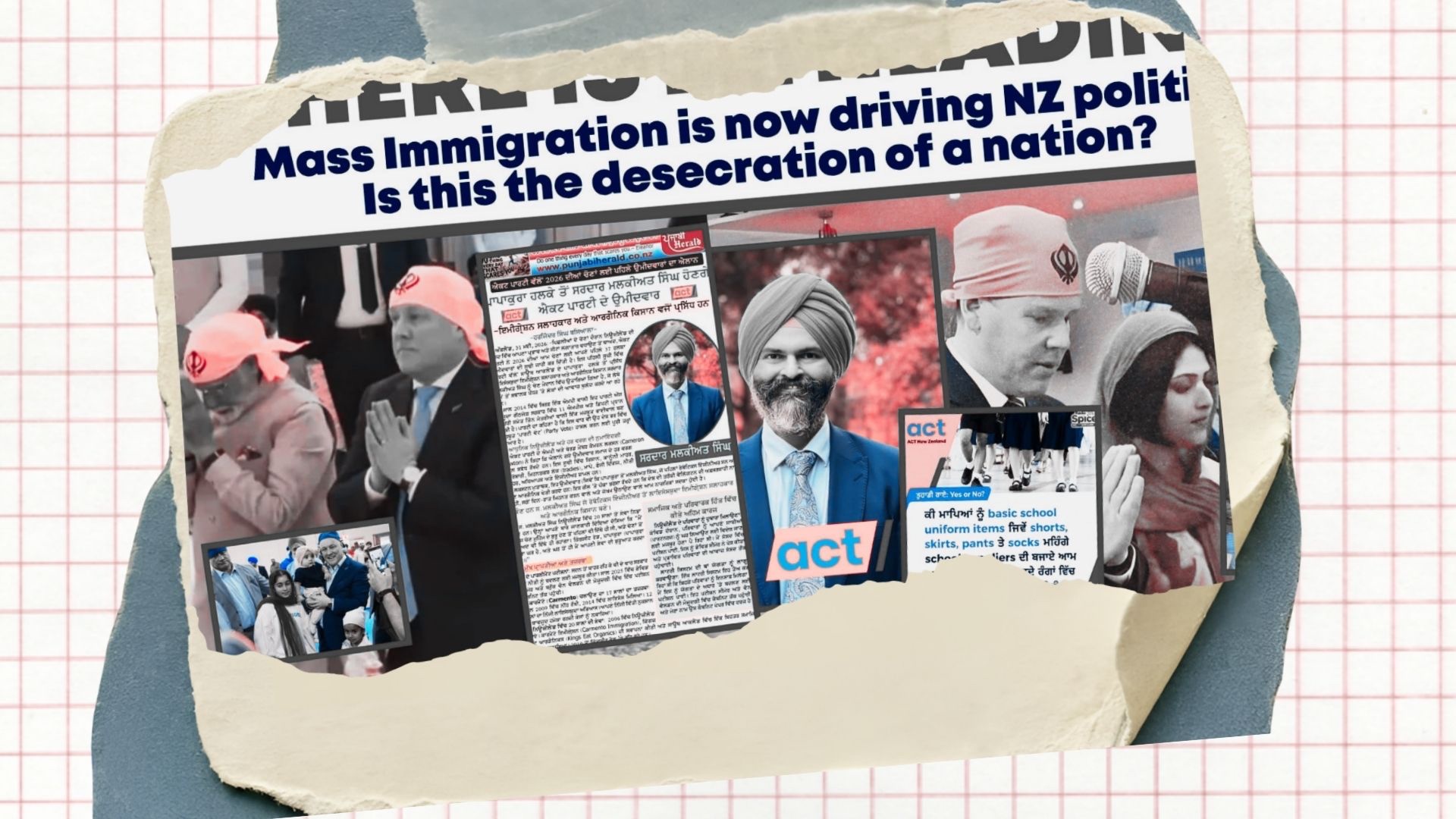
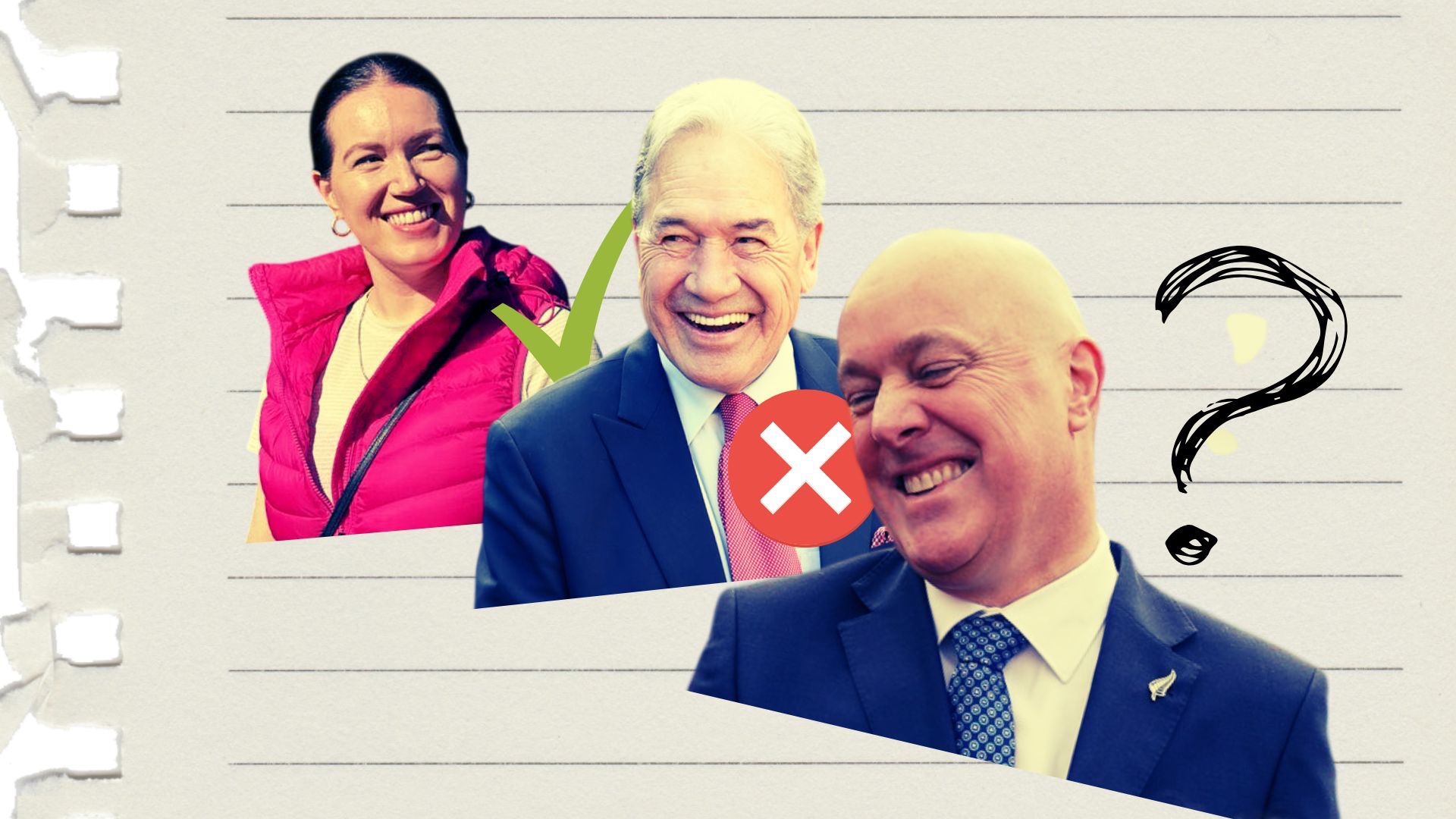
But it could also be that Luxon is, as an academic has suggested, beginning to react to his two coalition partners who want to make immigration a central election issue.
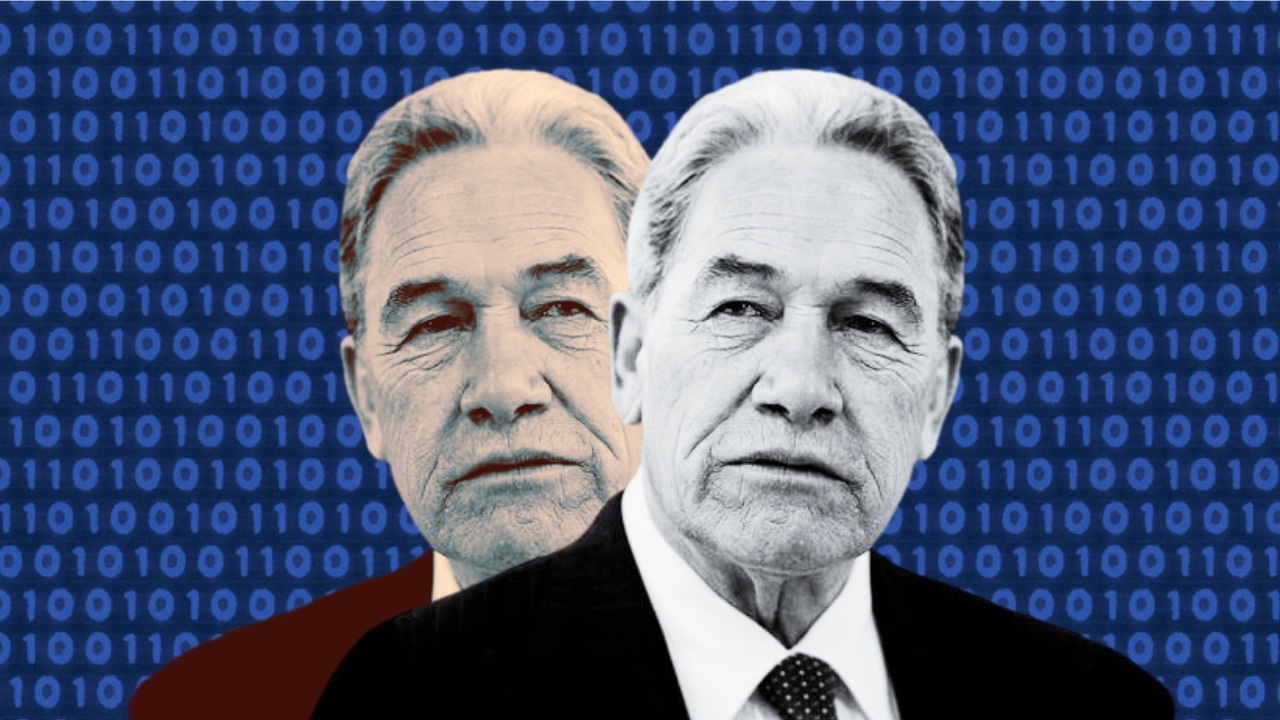
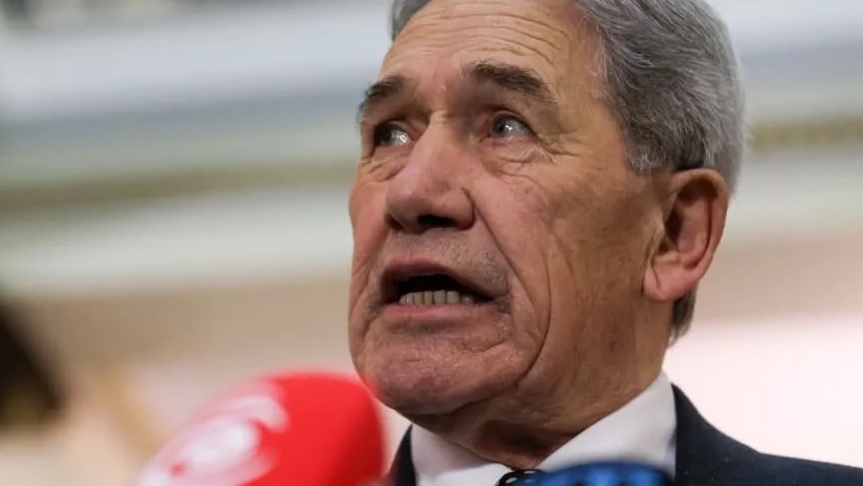
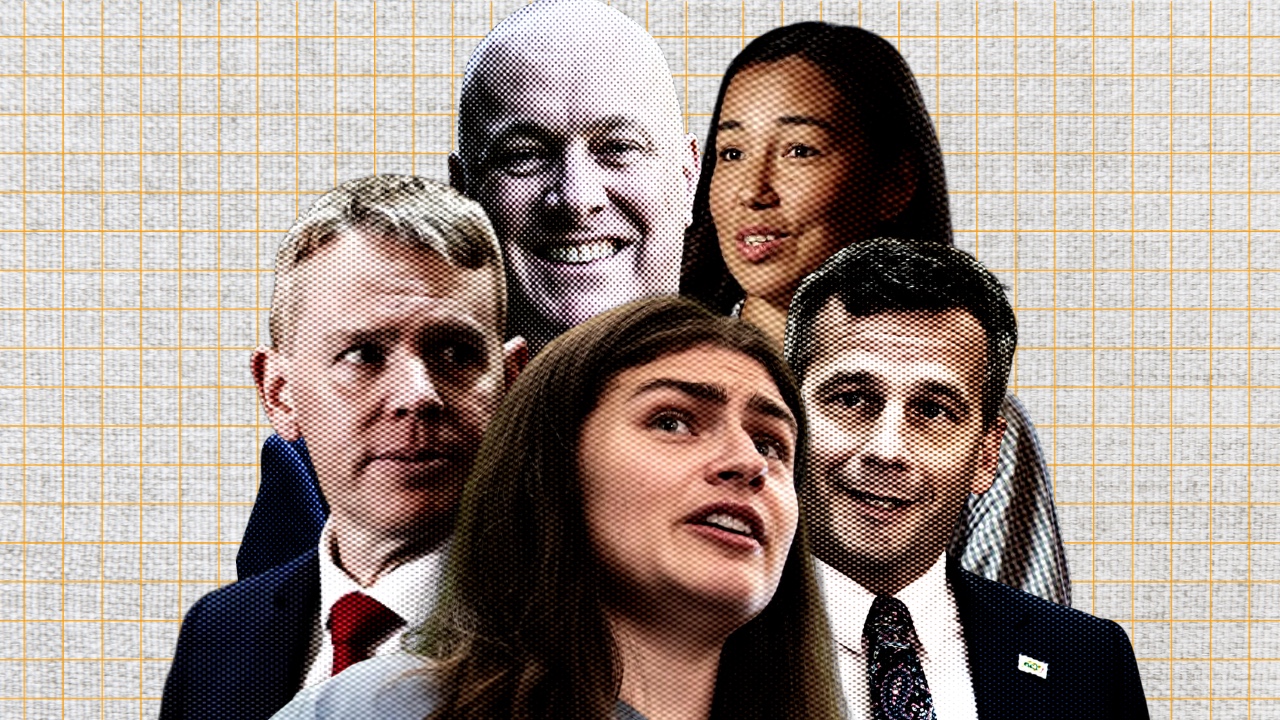
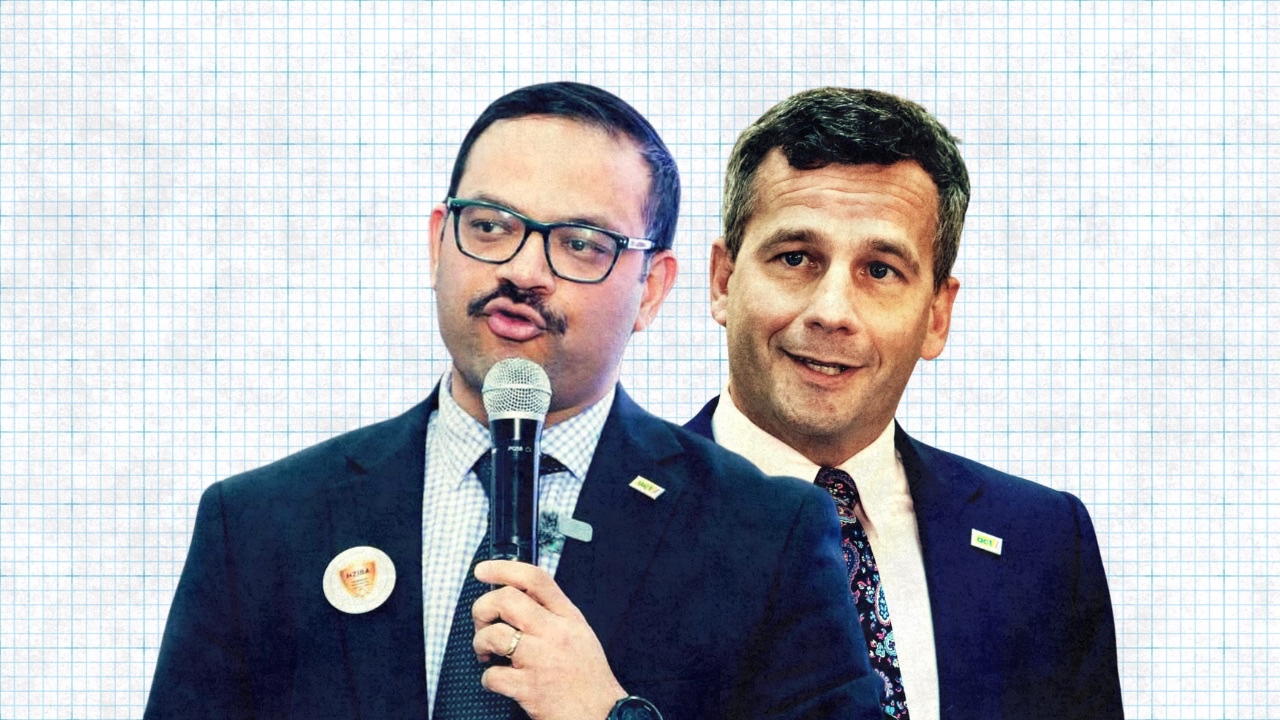
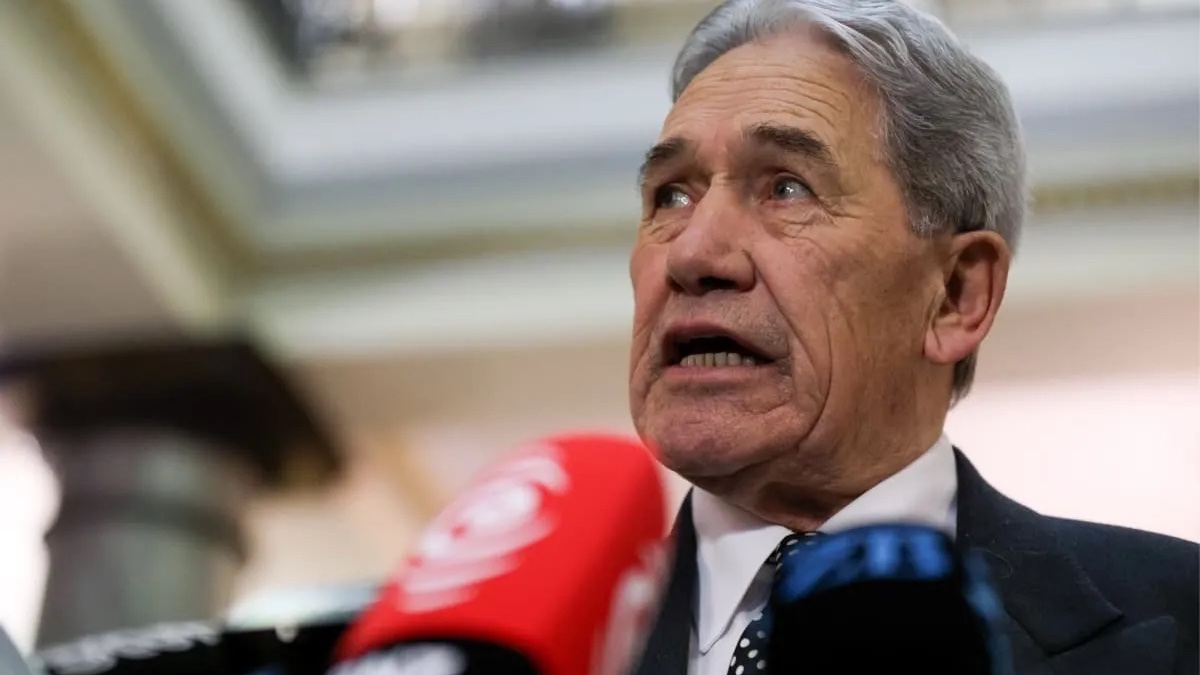
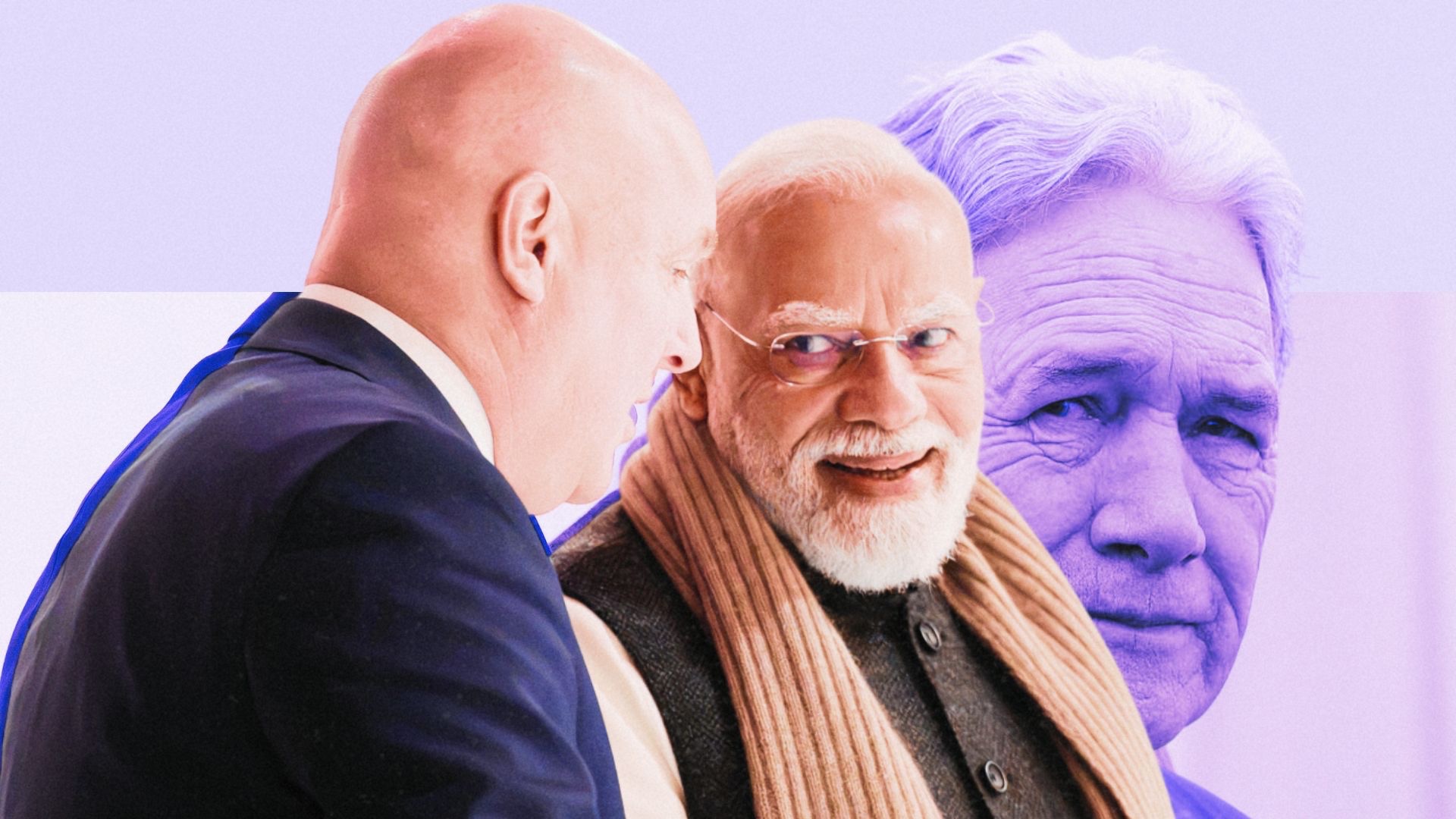
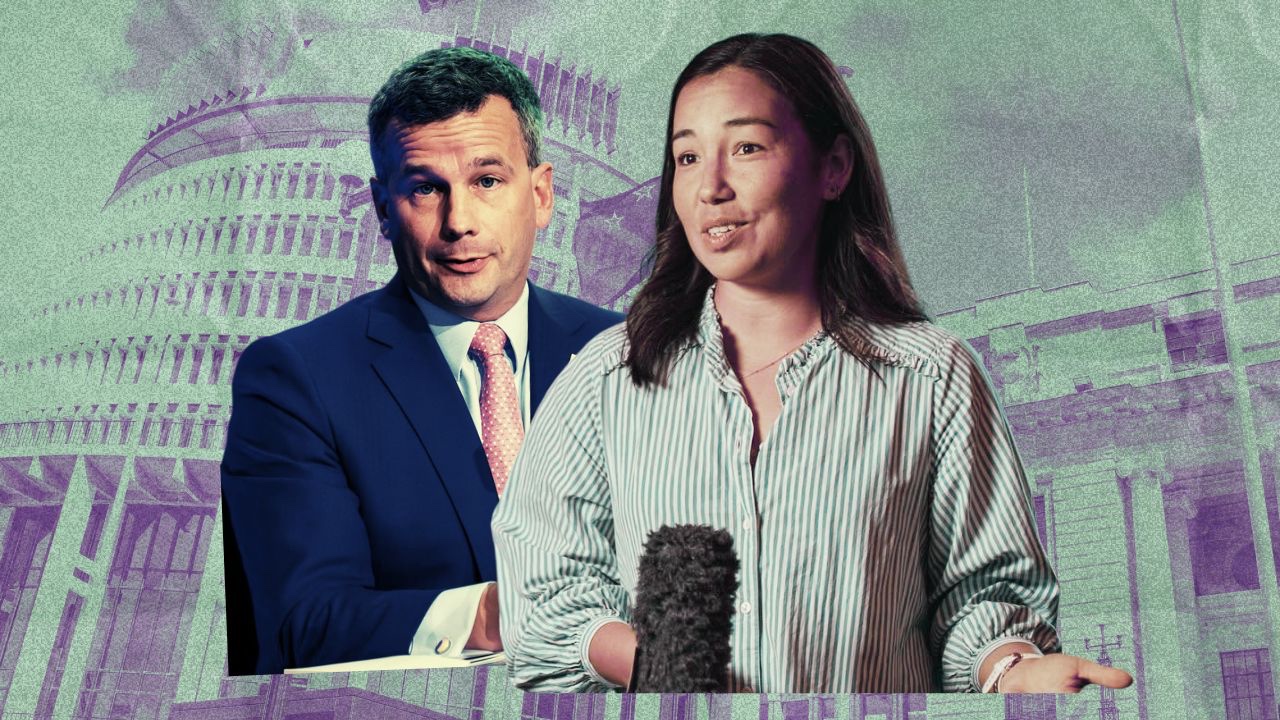
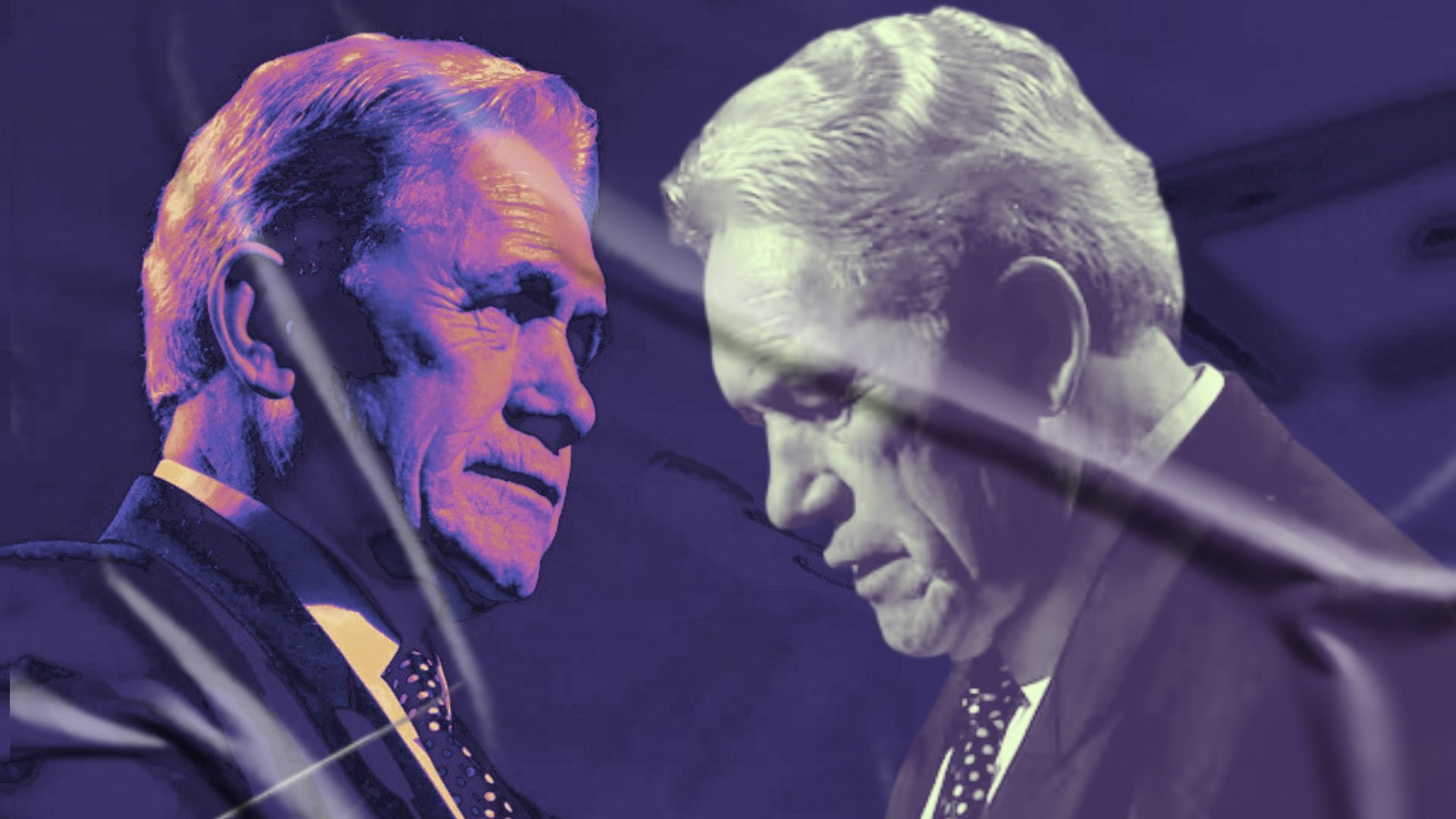
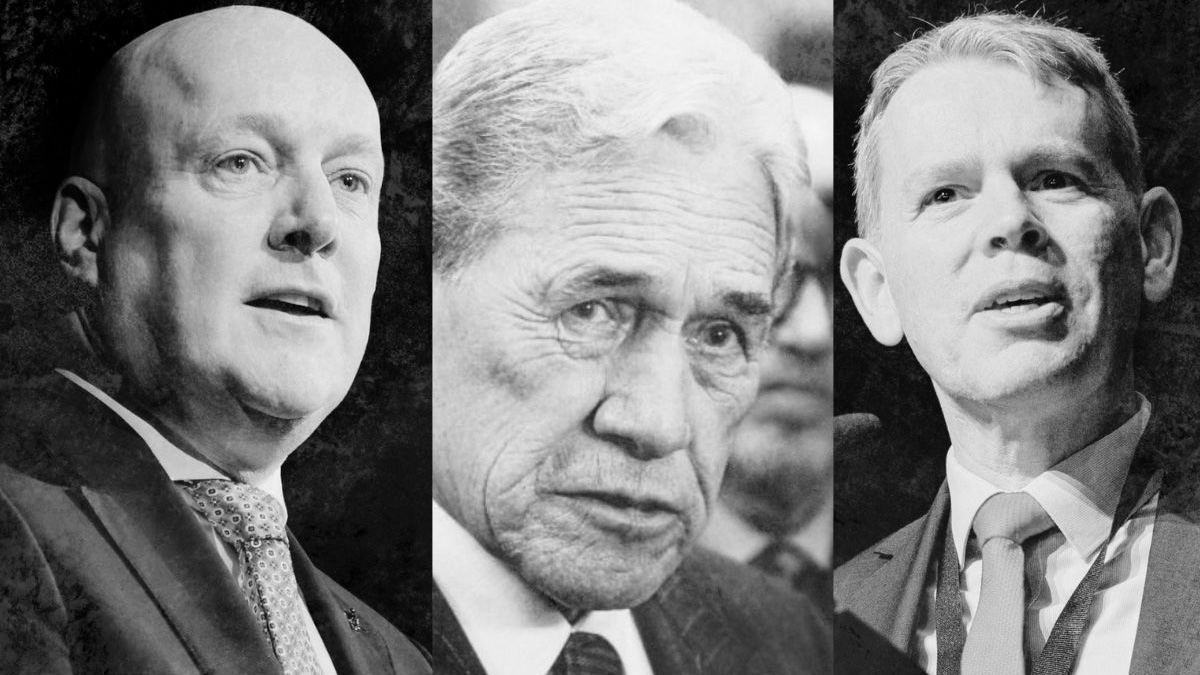
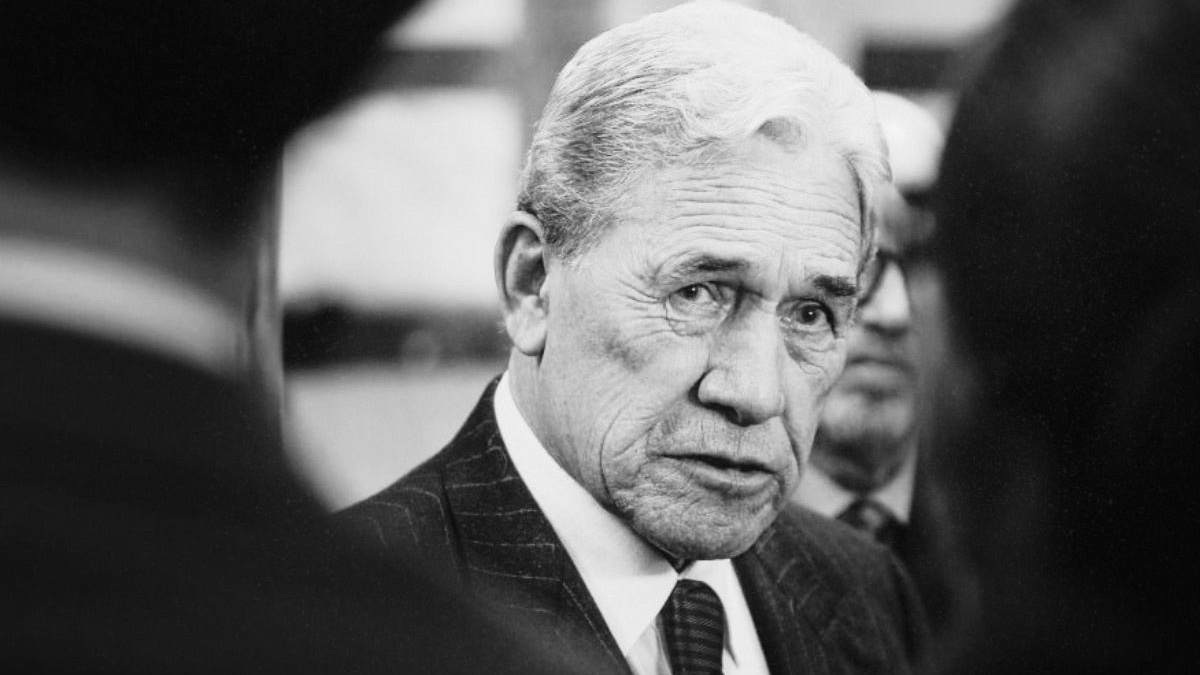
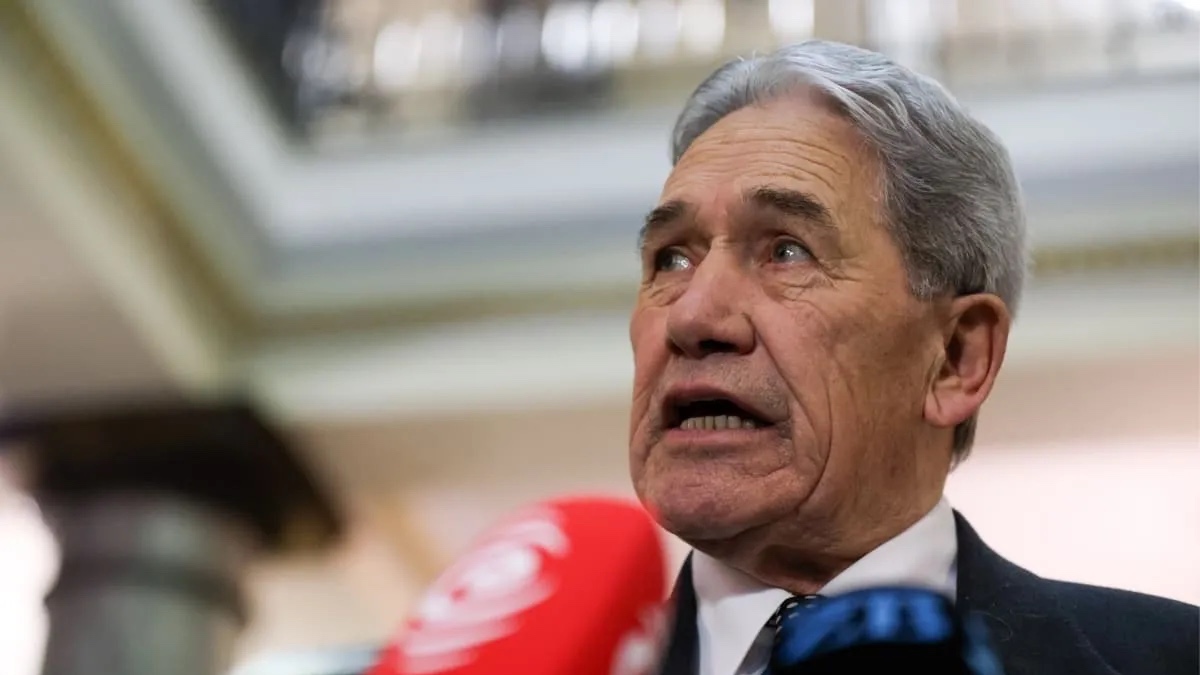
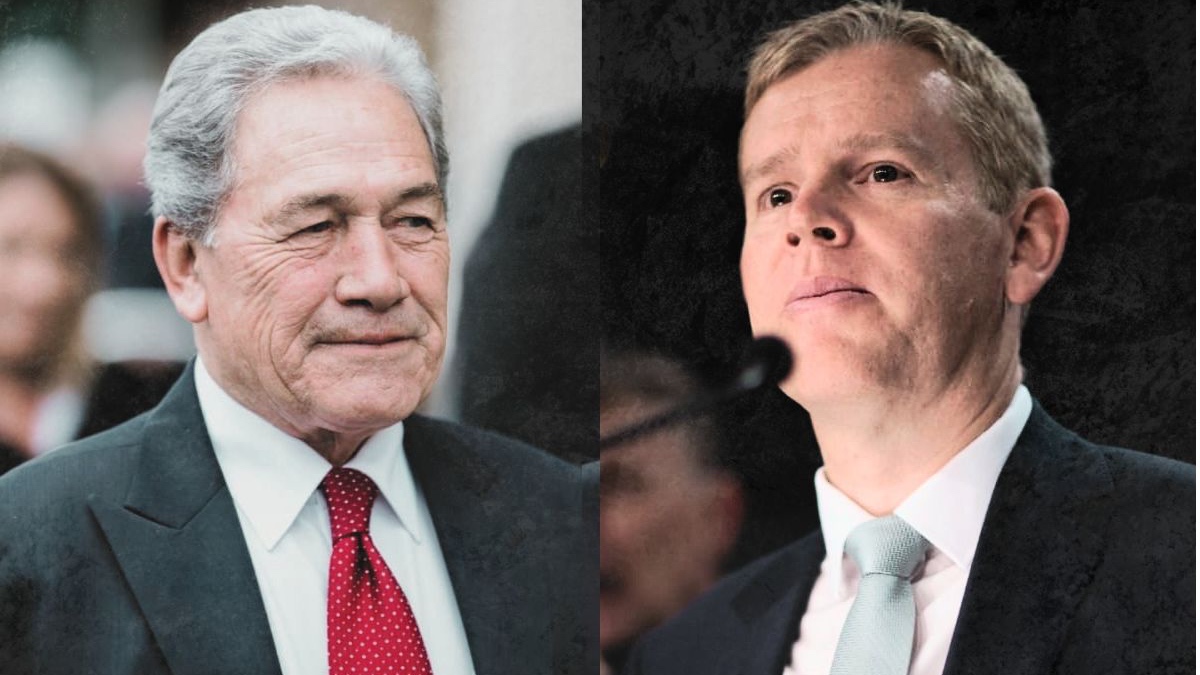
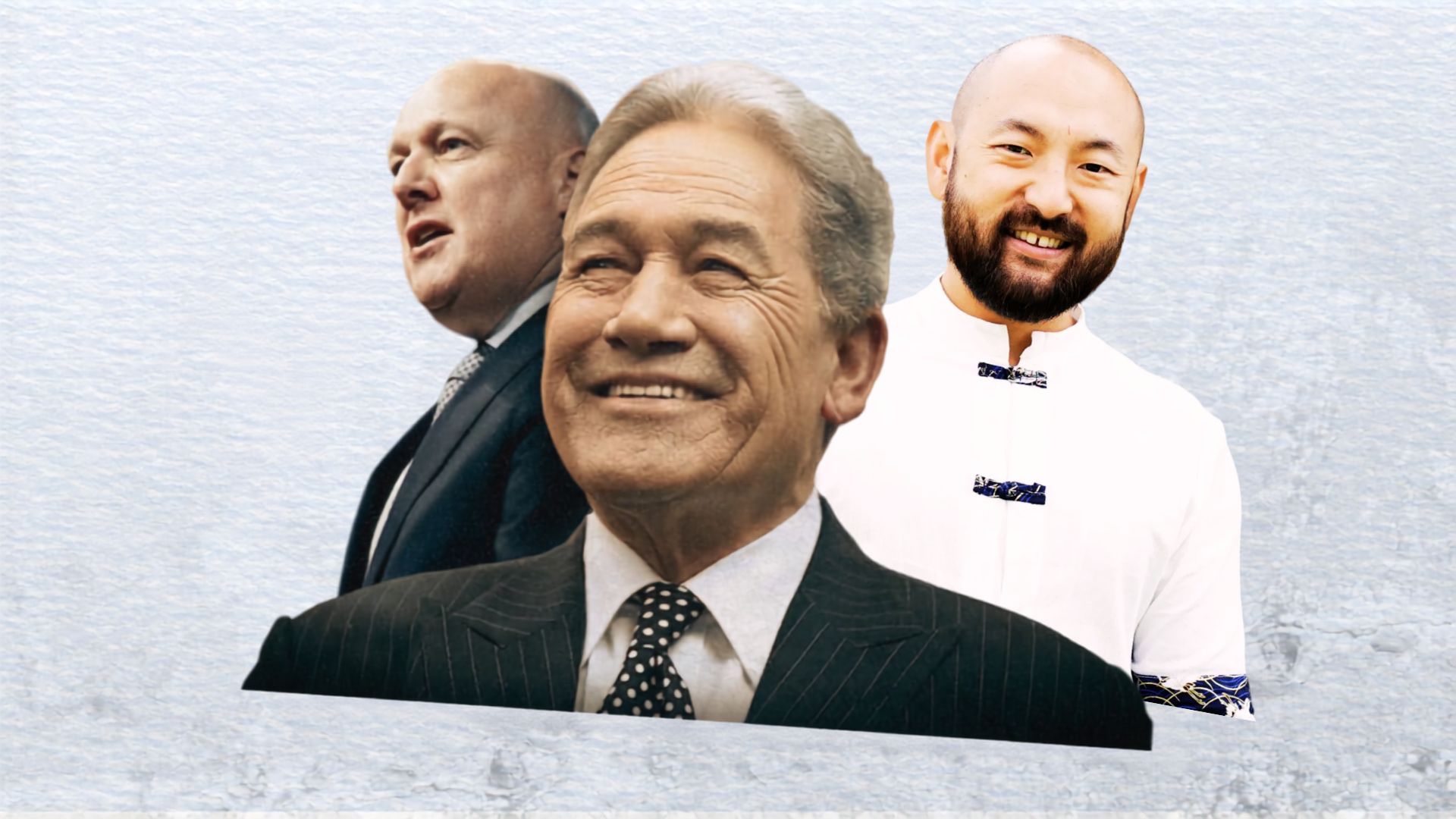
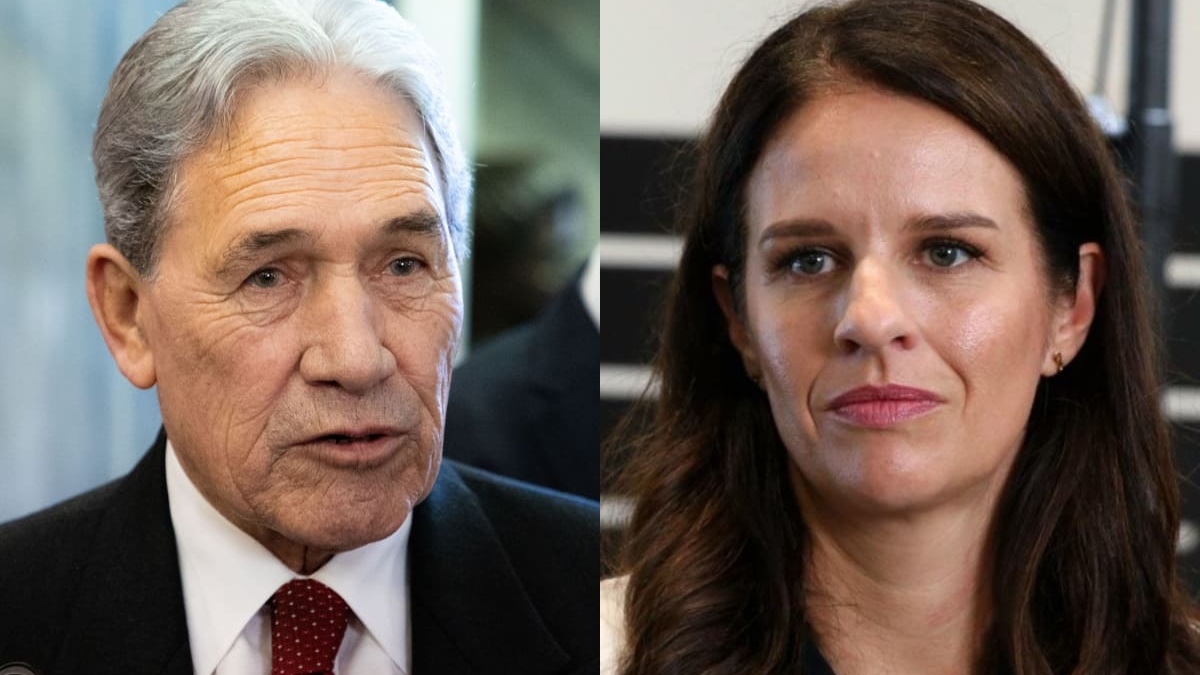
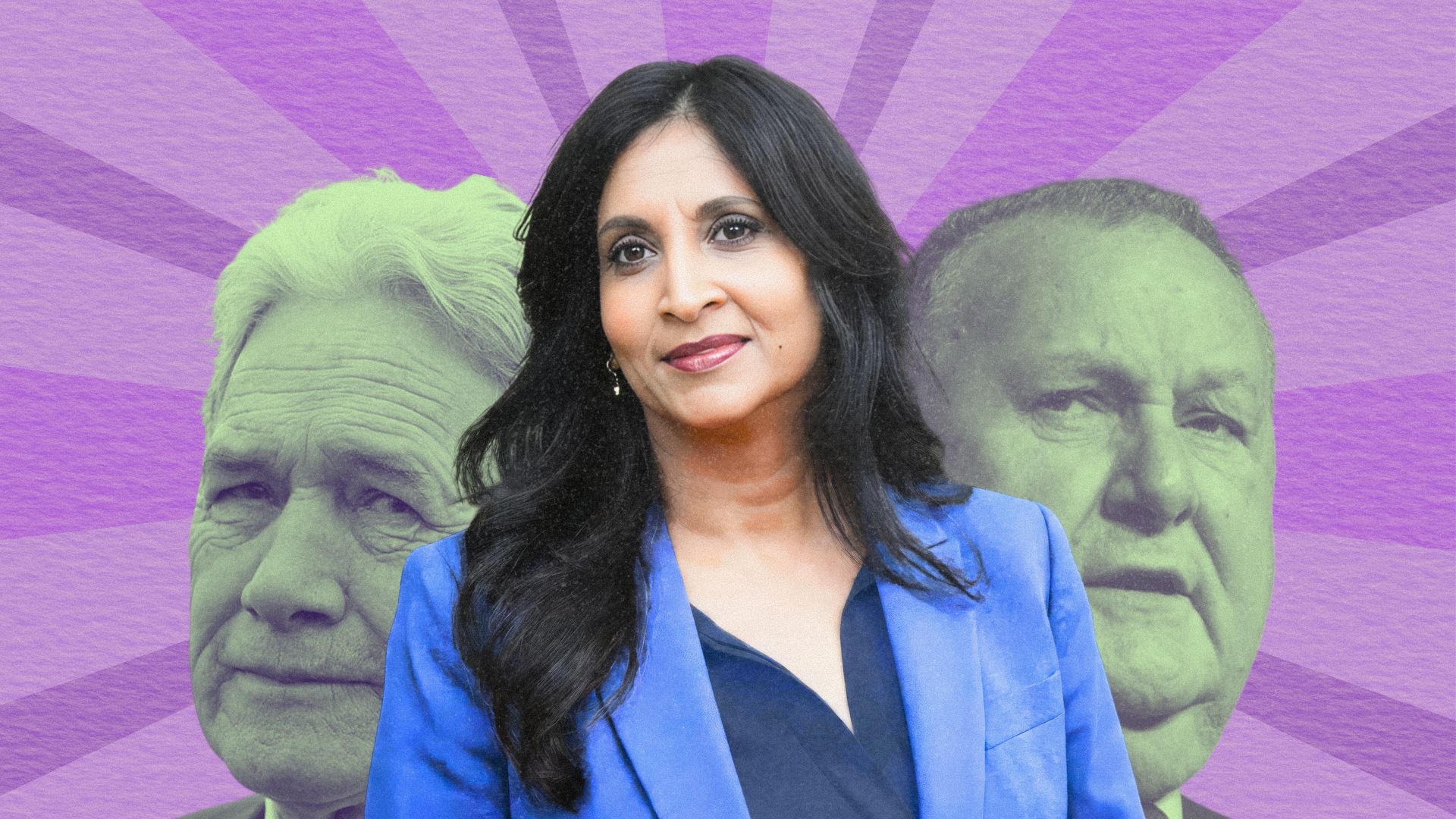
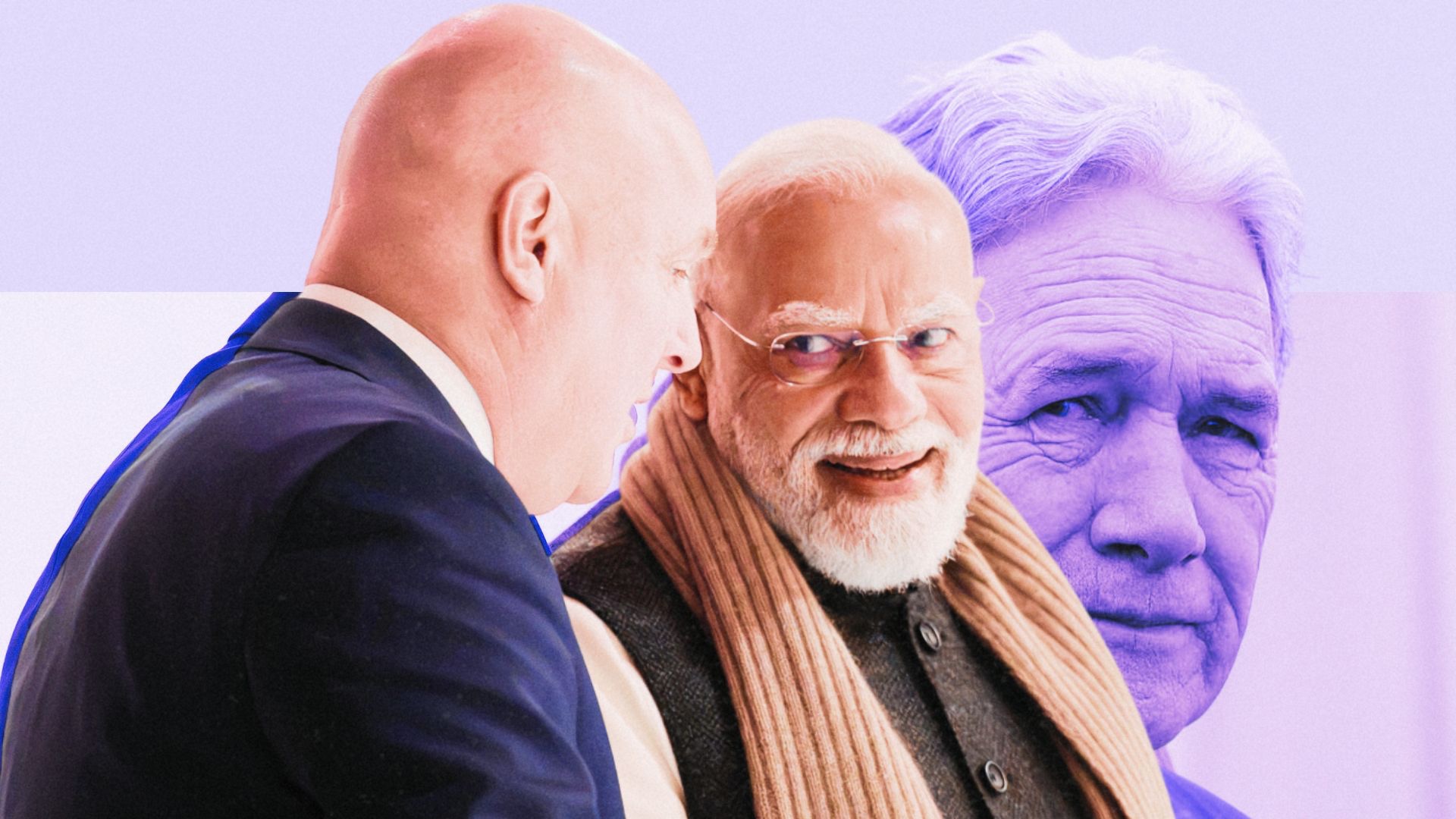
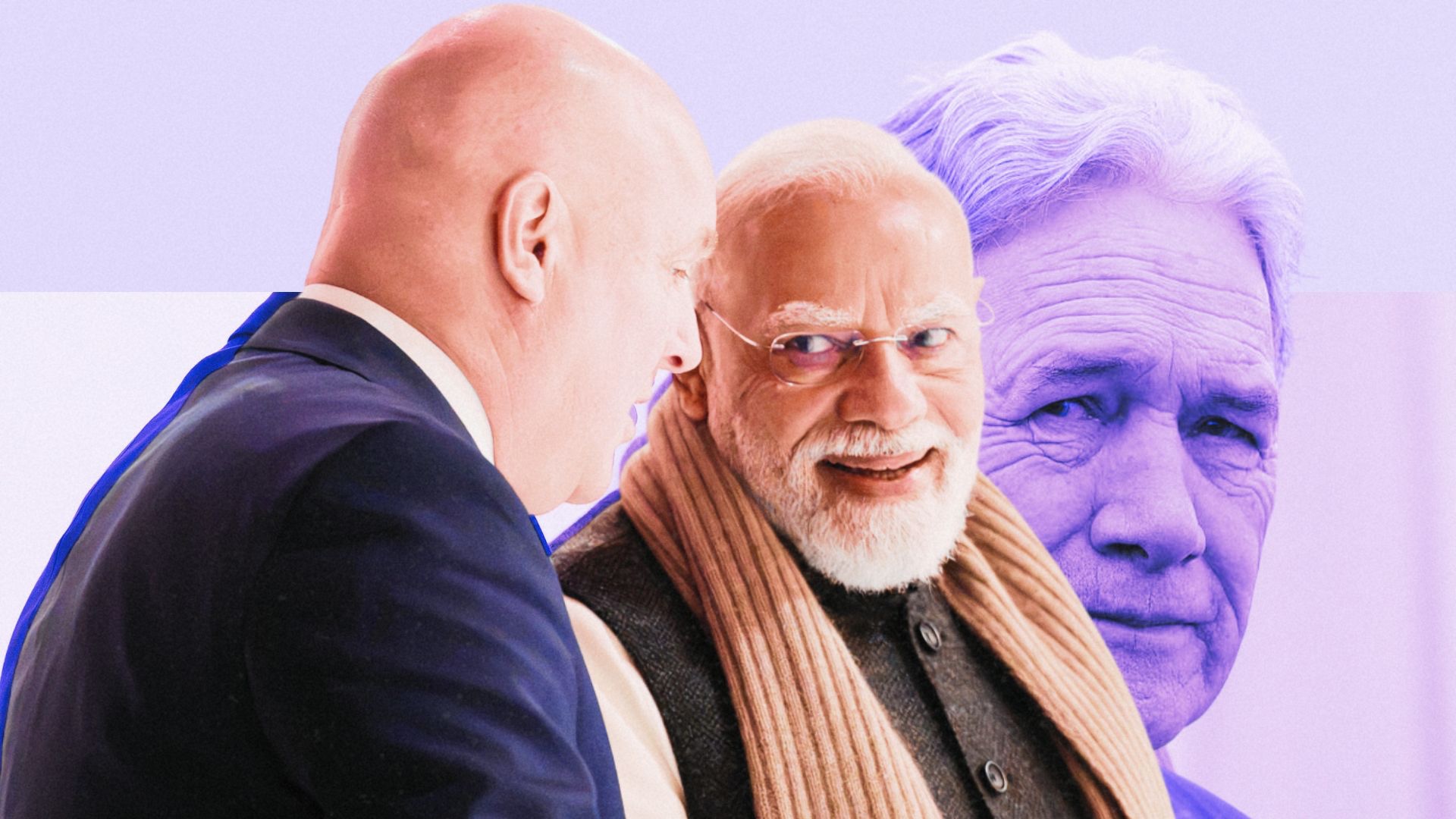
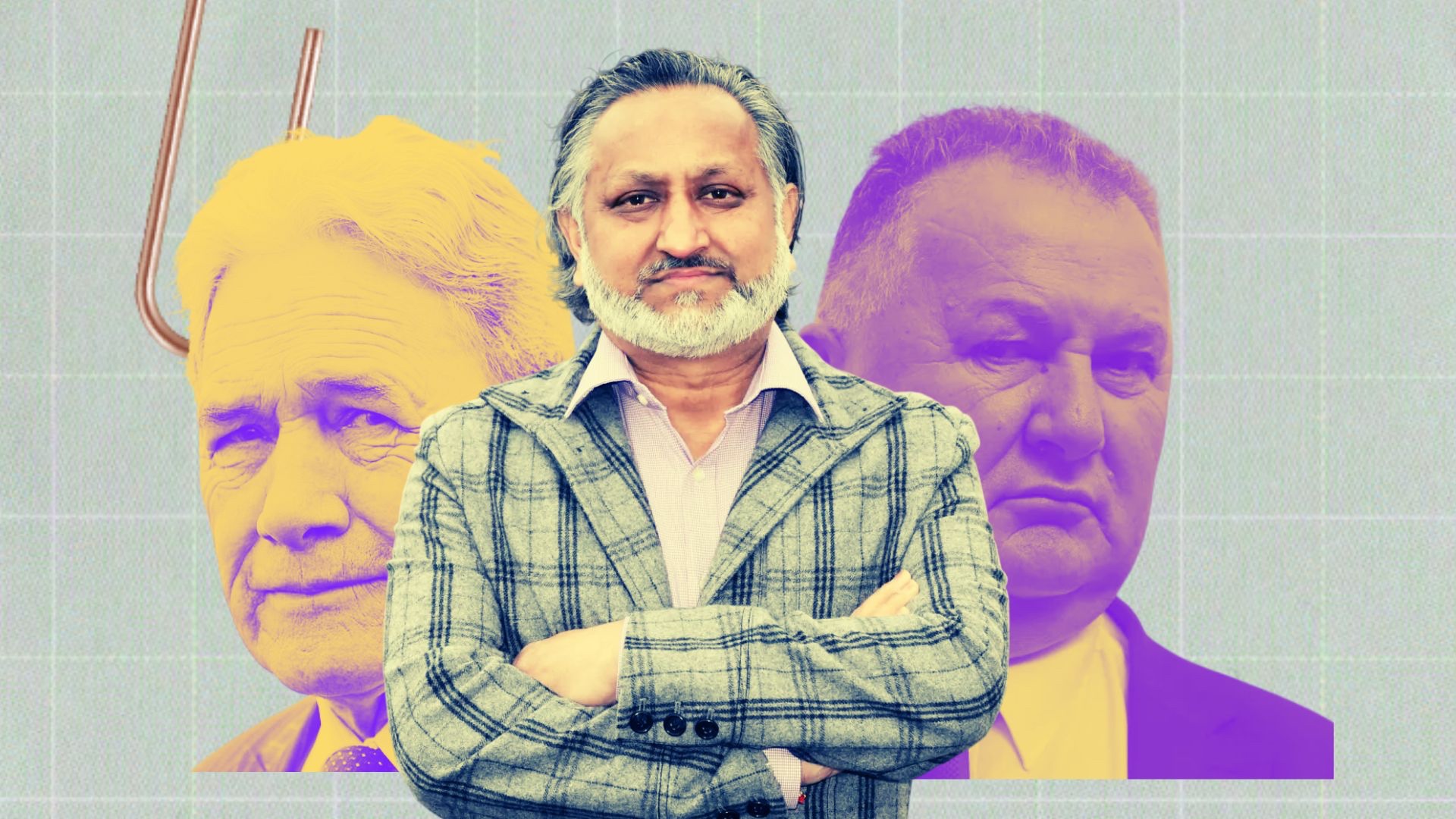
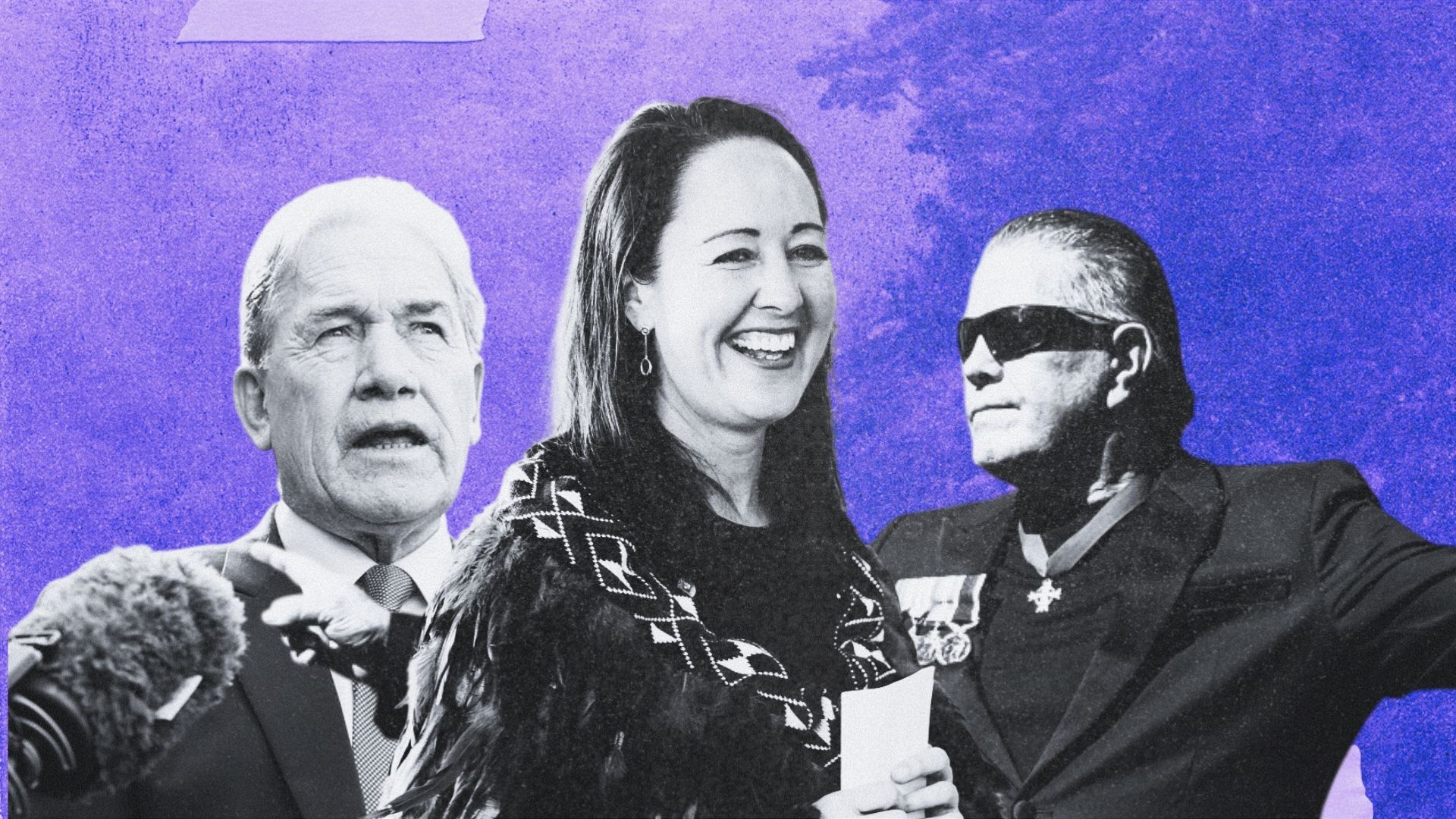
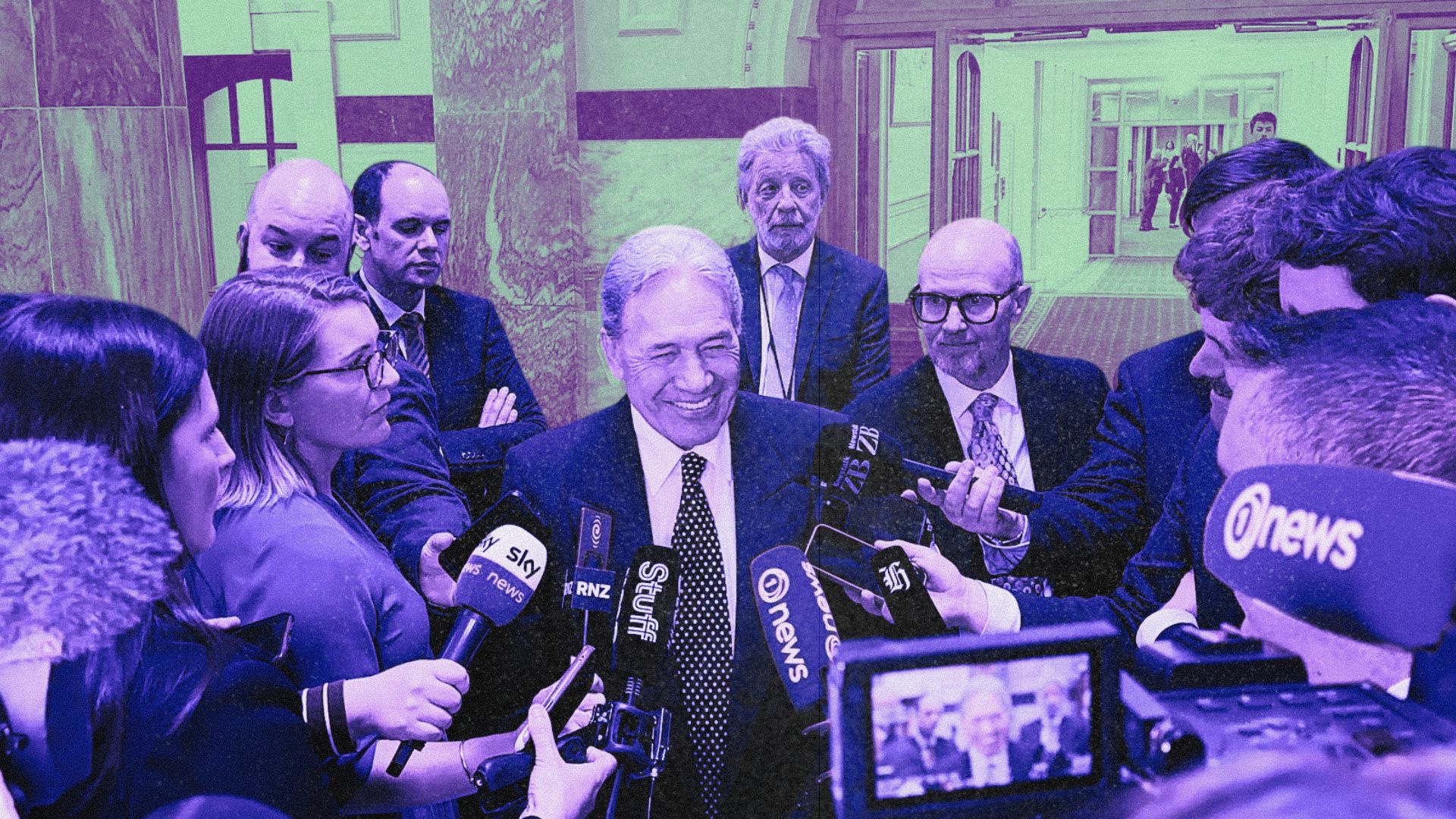
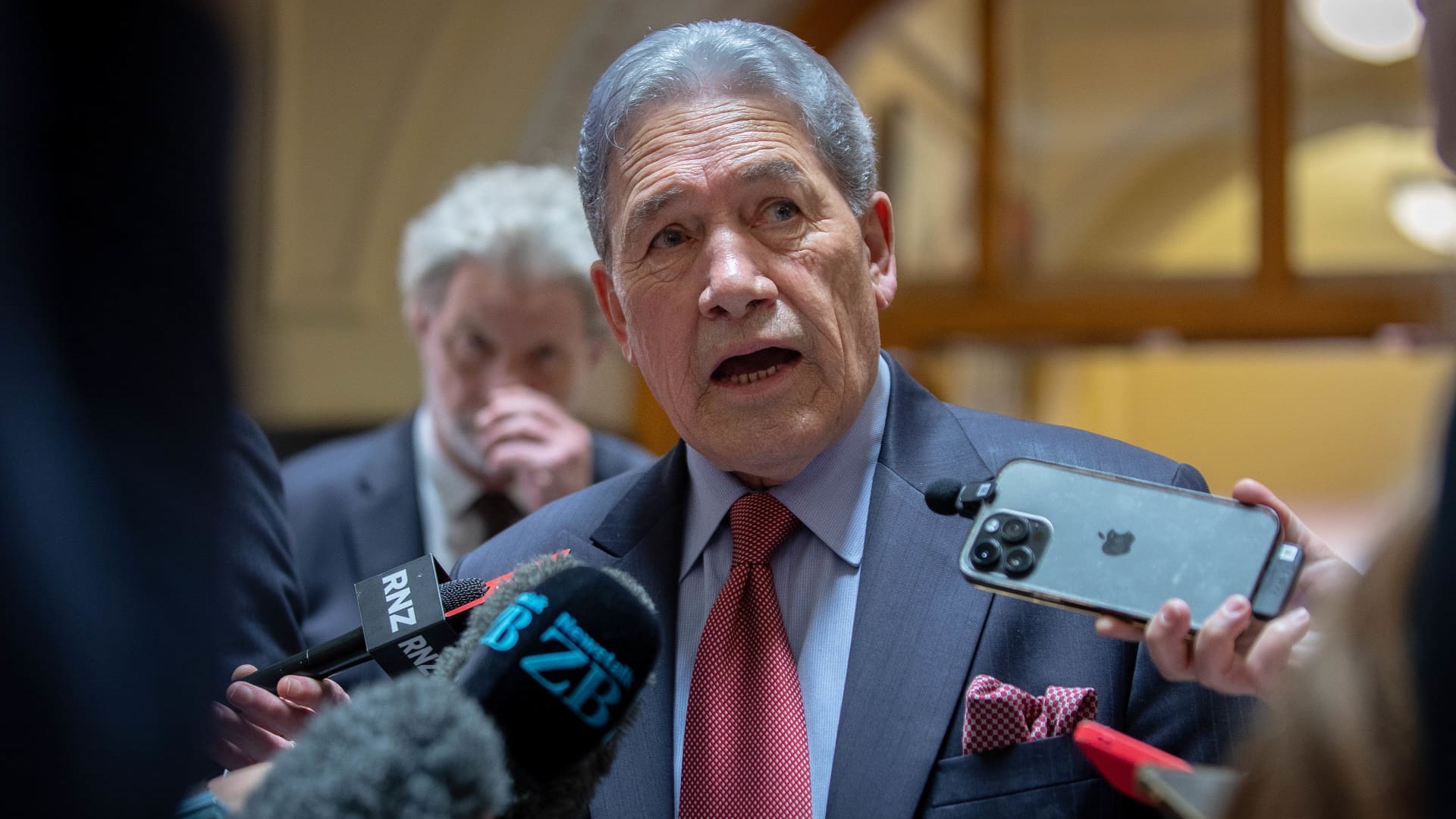
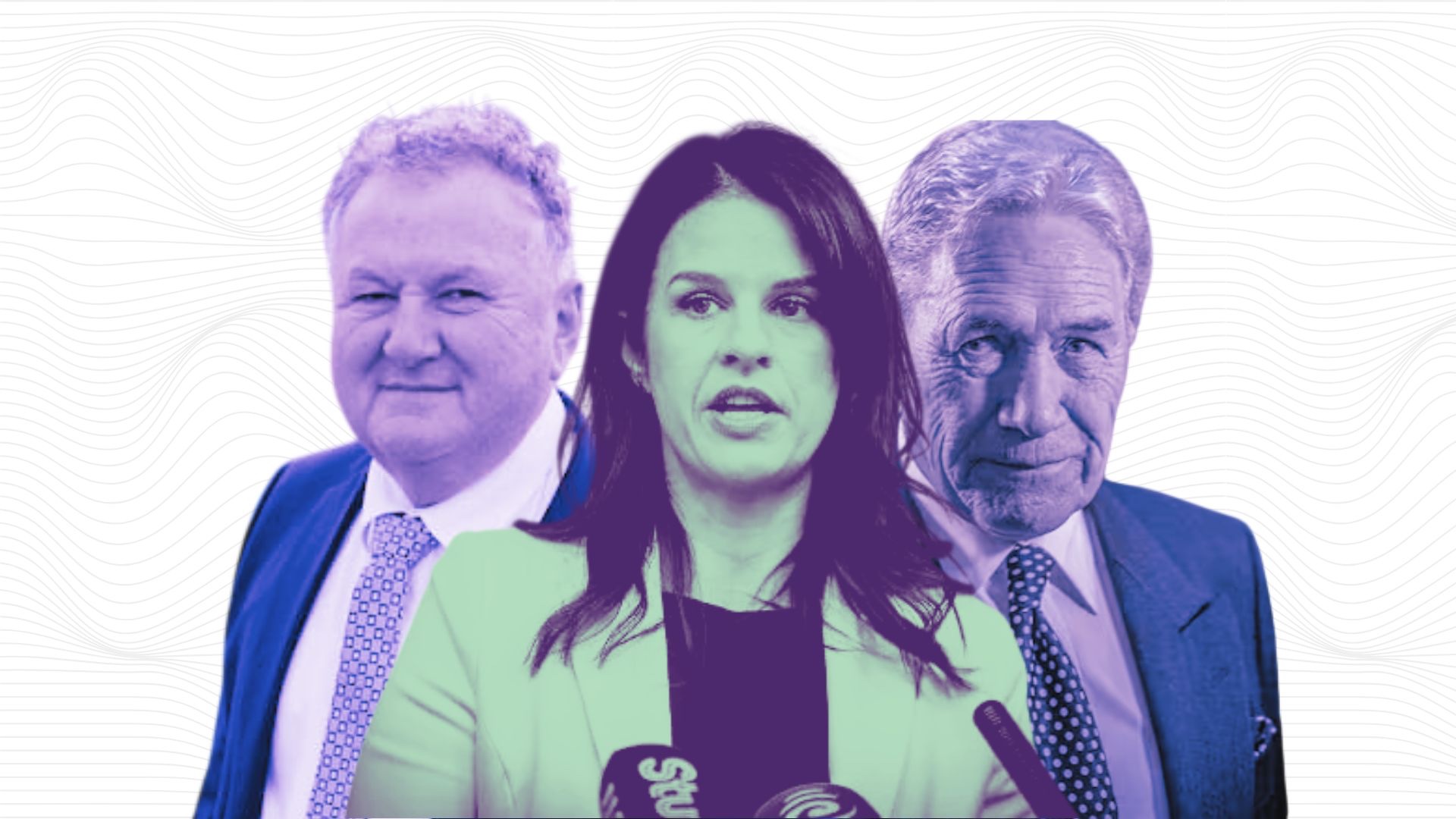
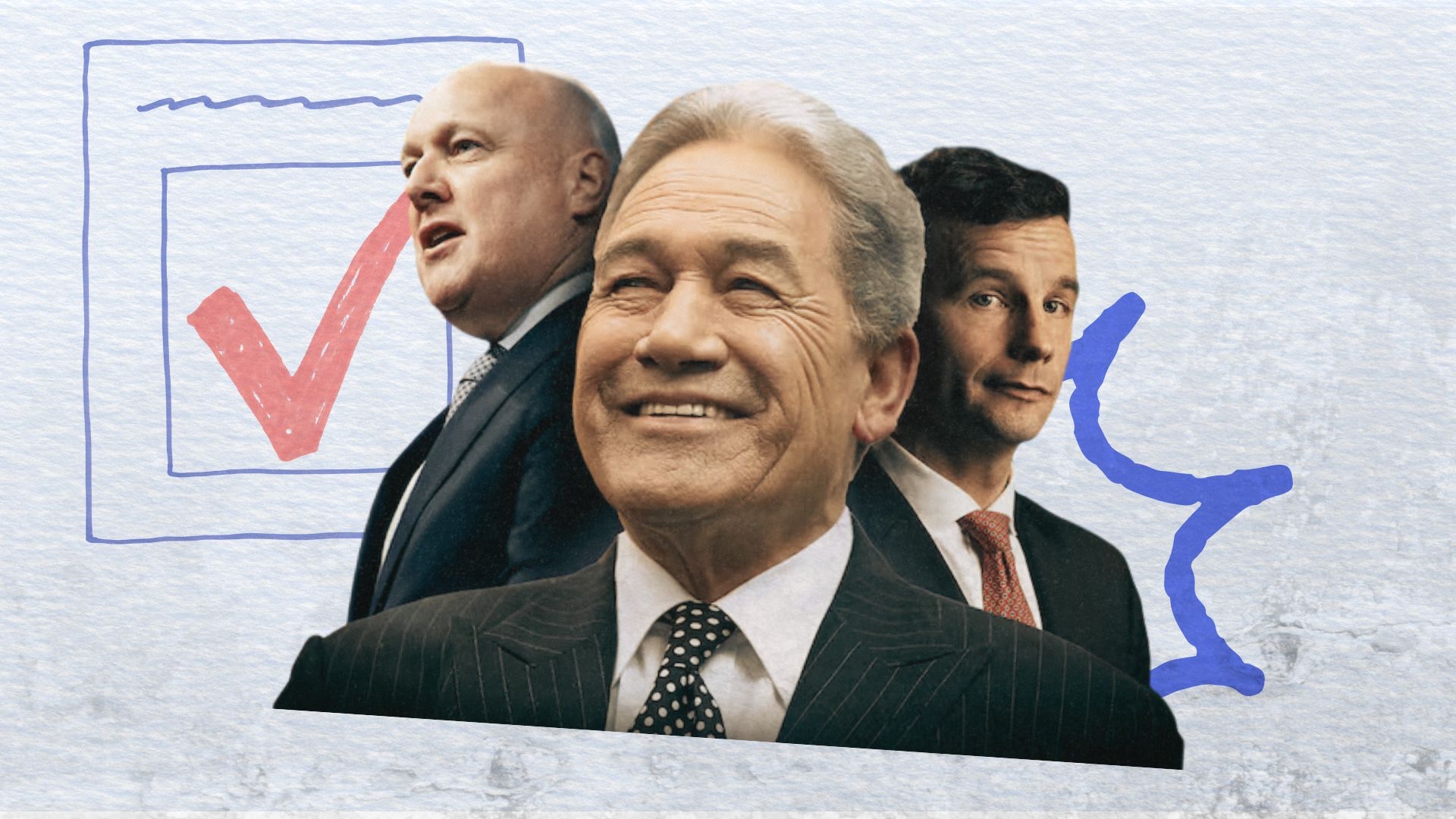
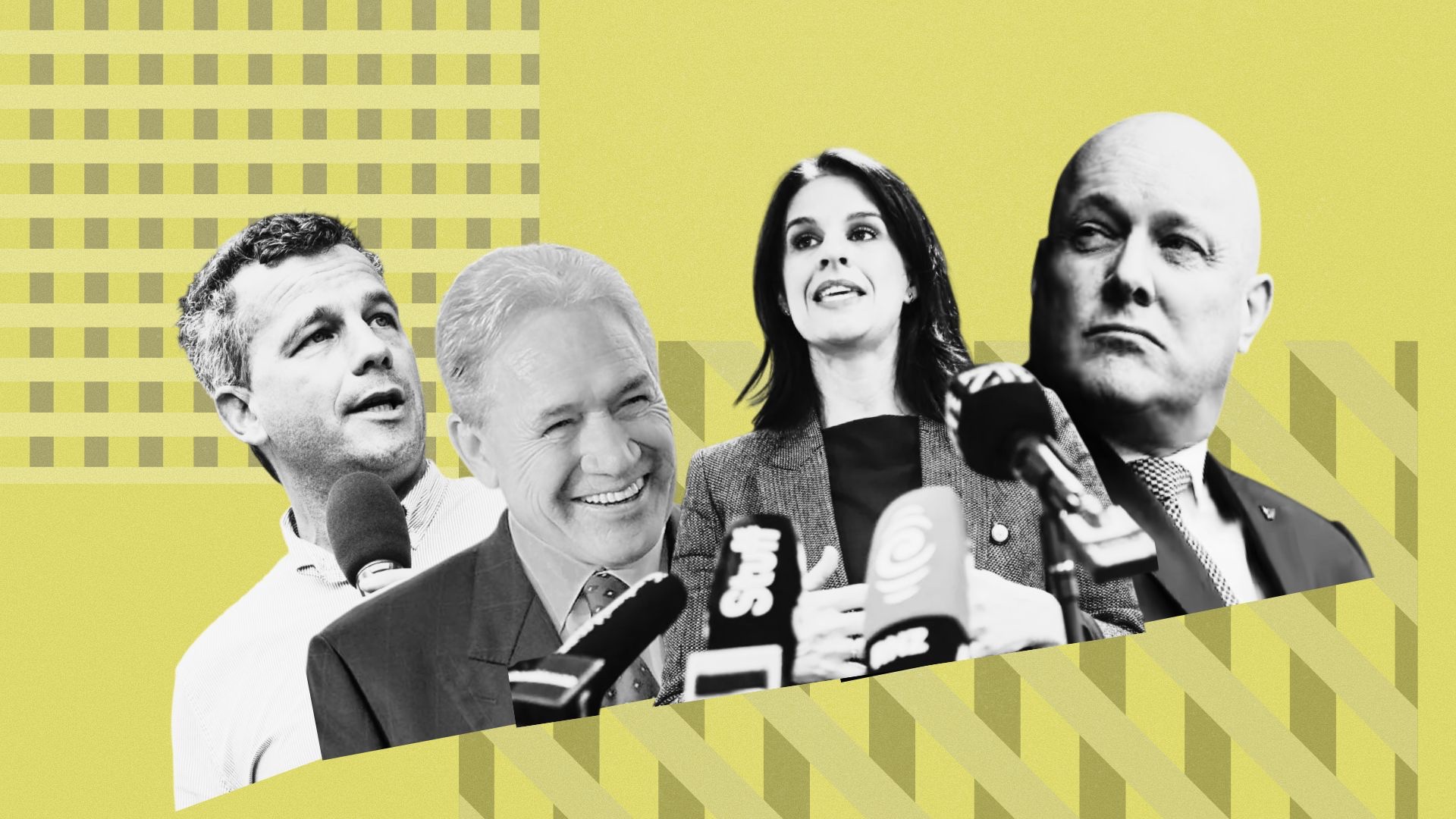
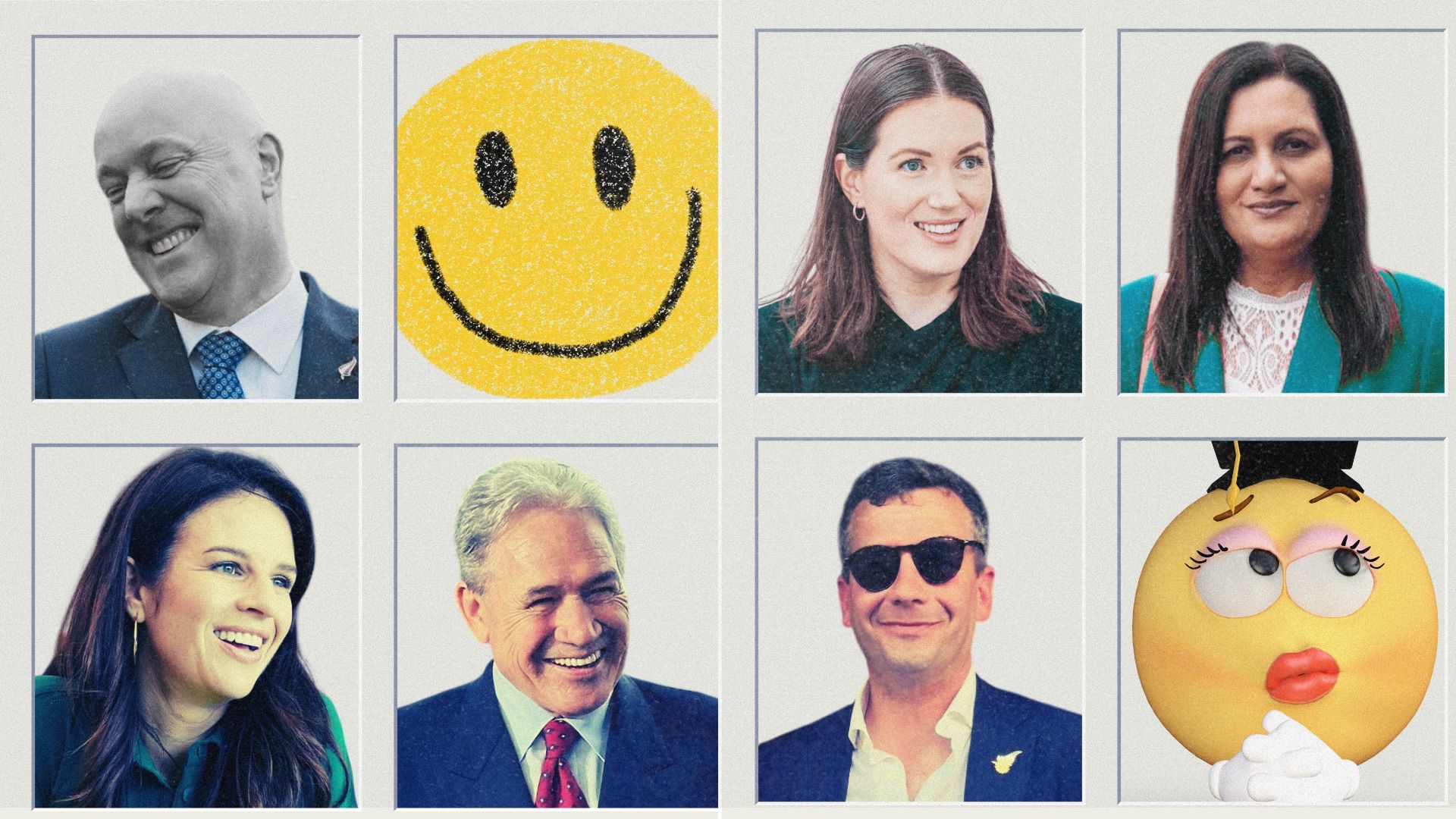
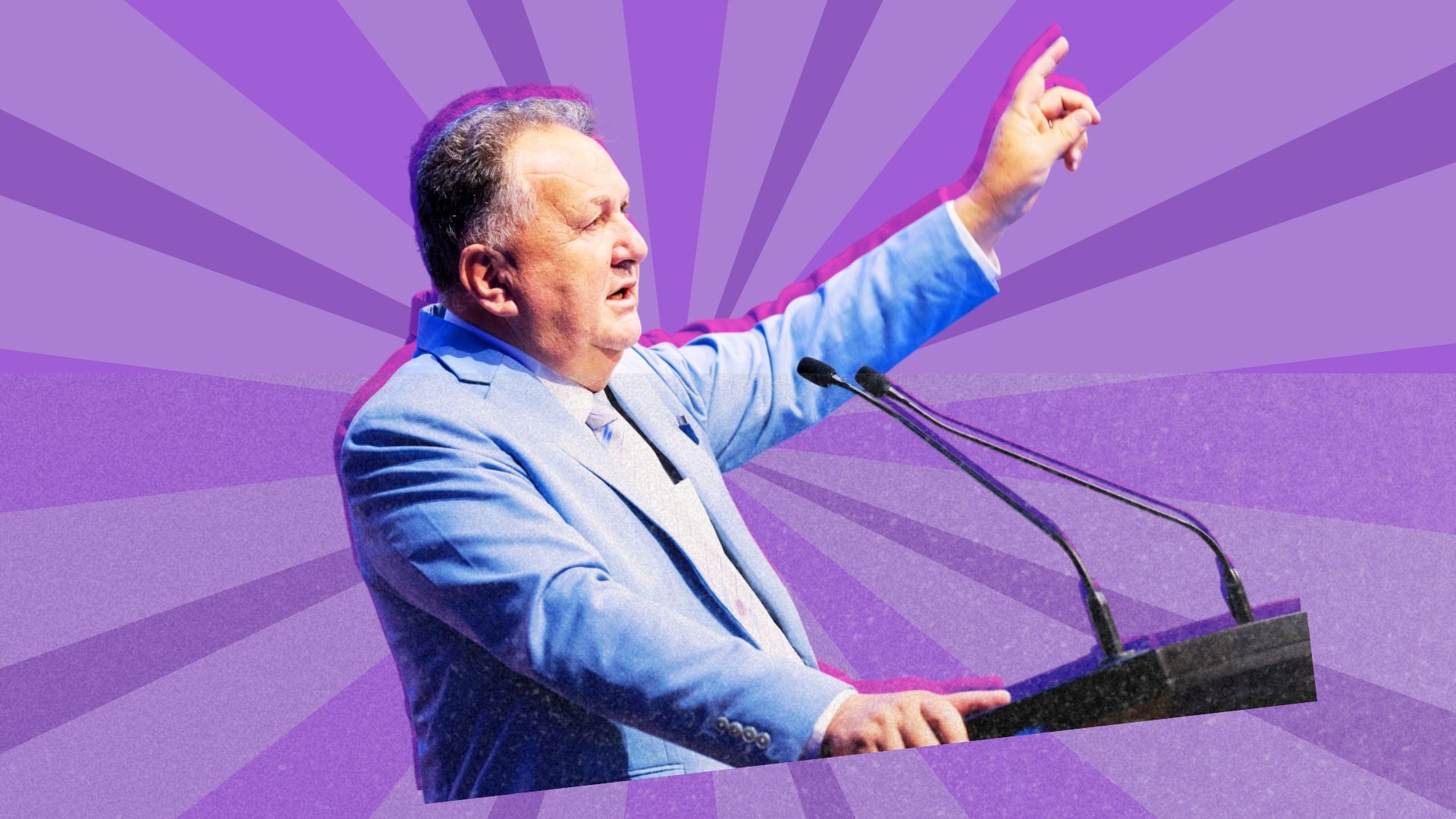
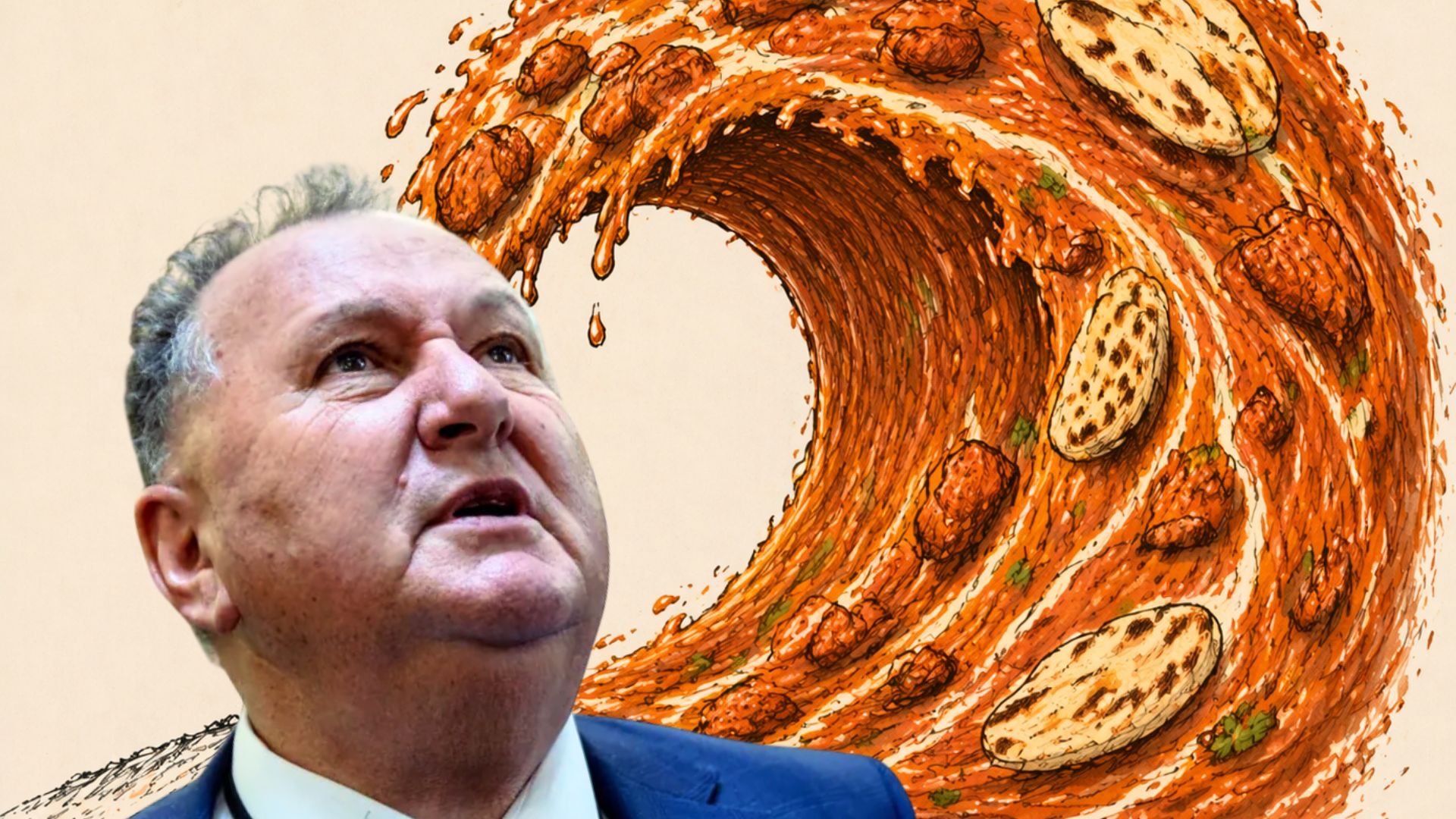
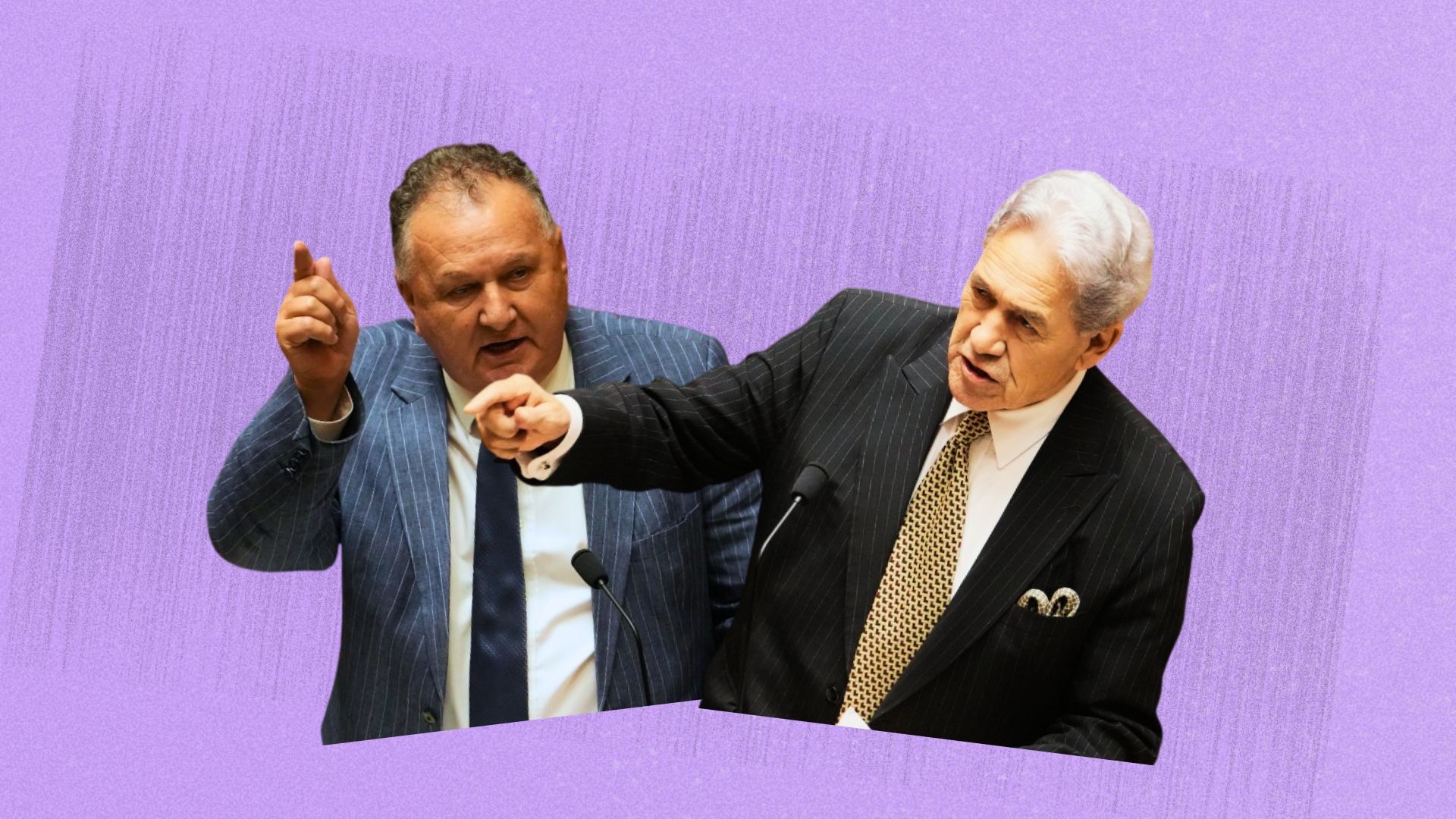
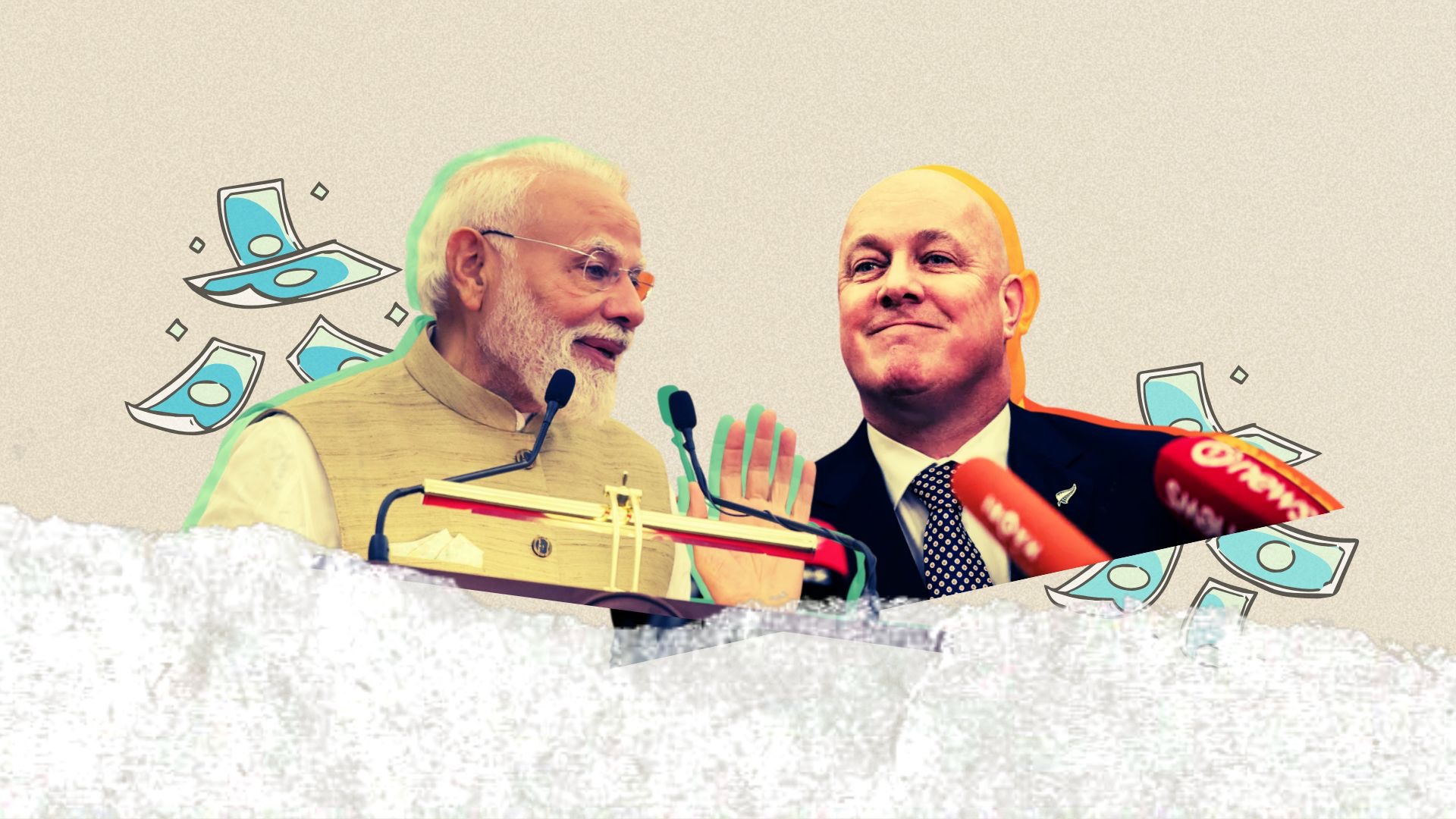
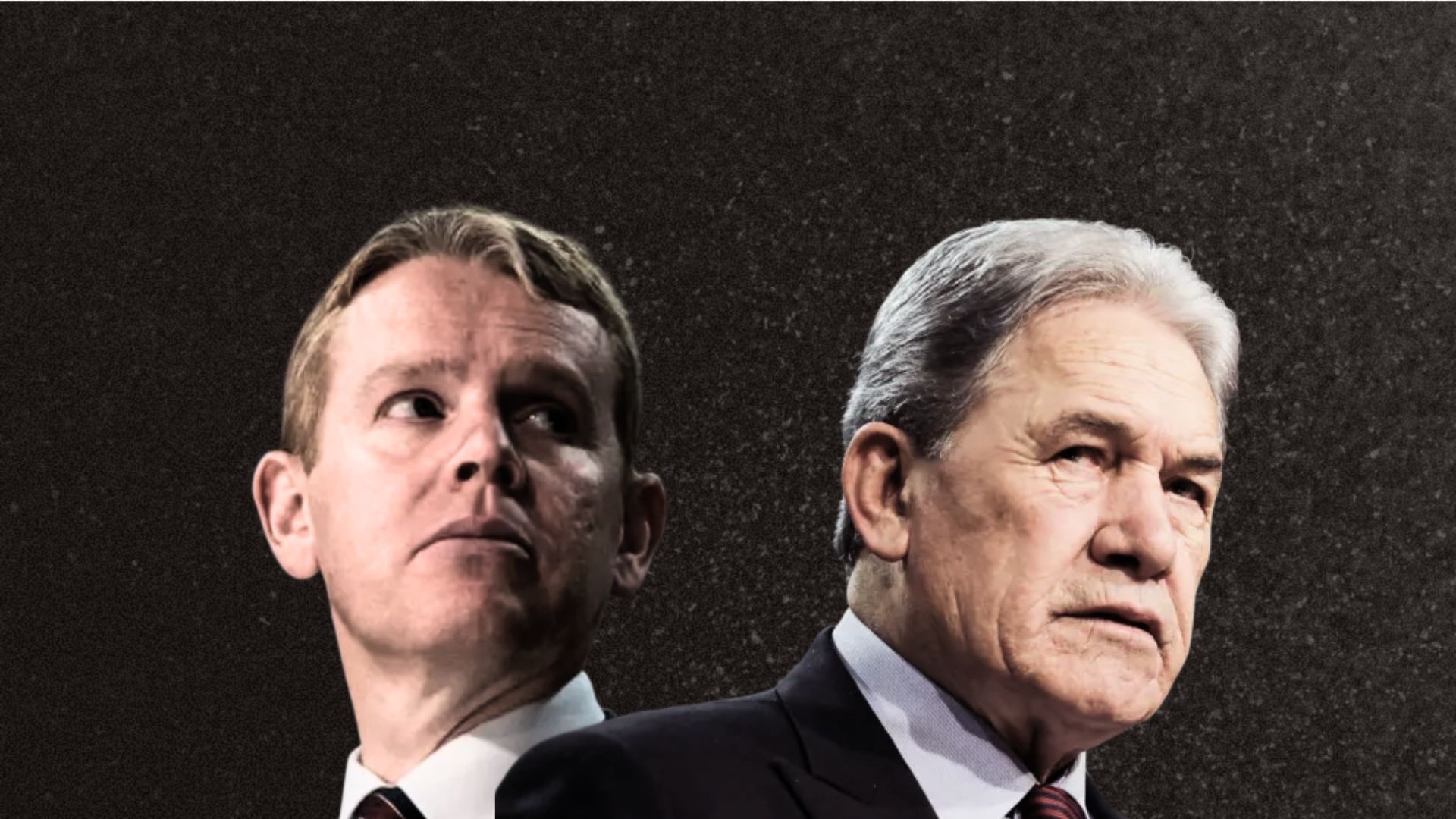
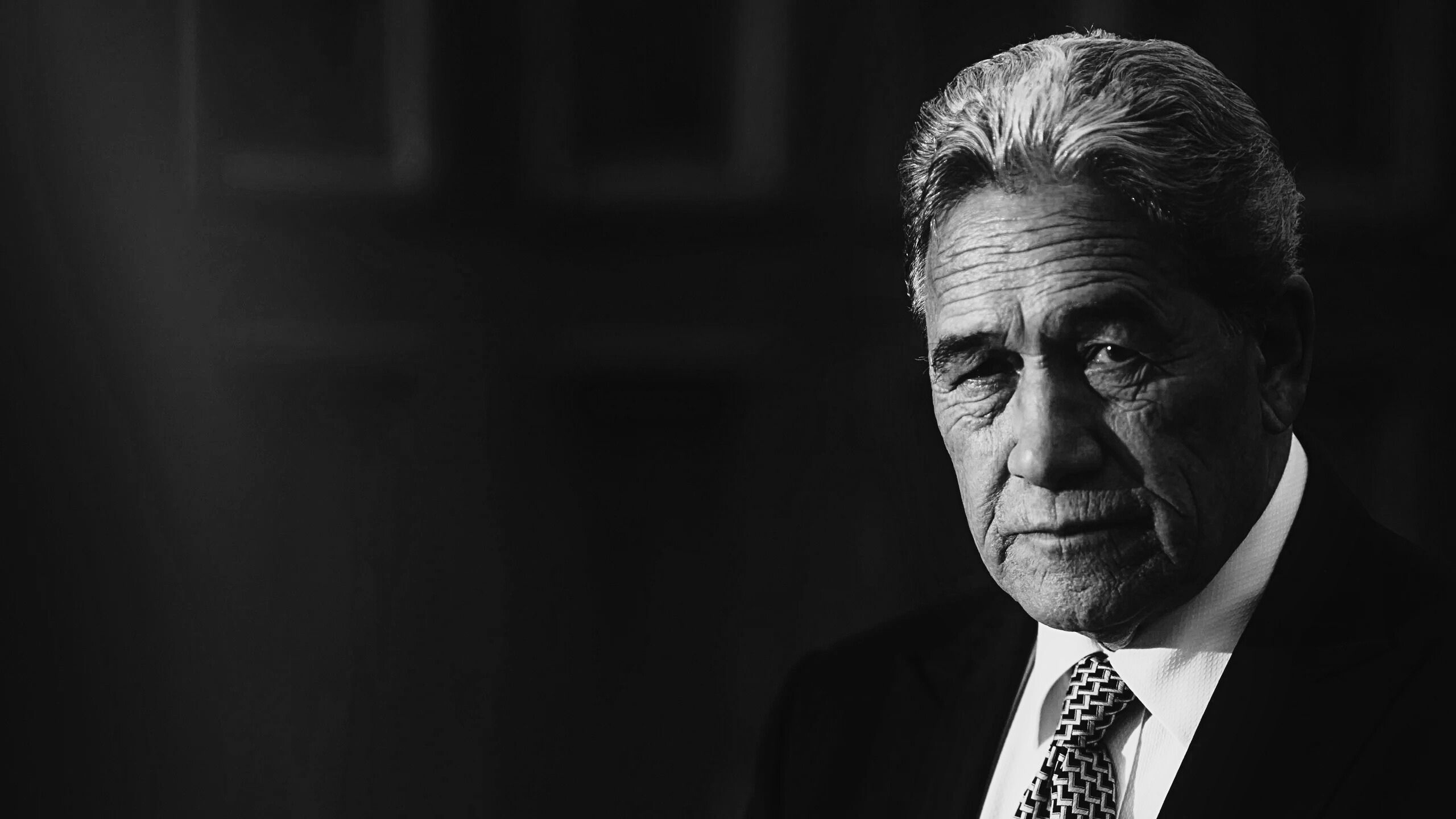
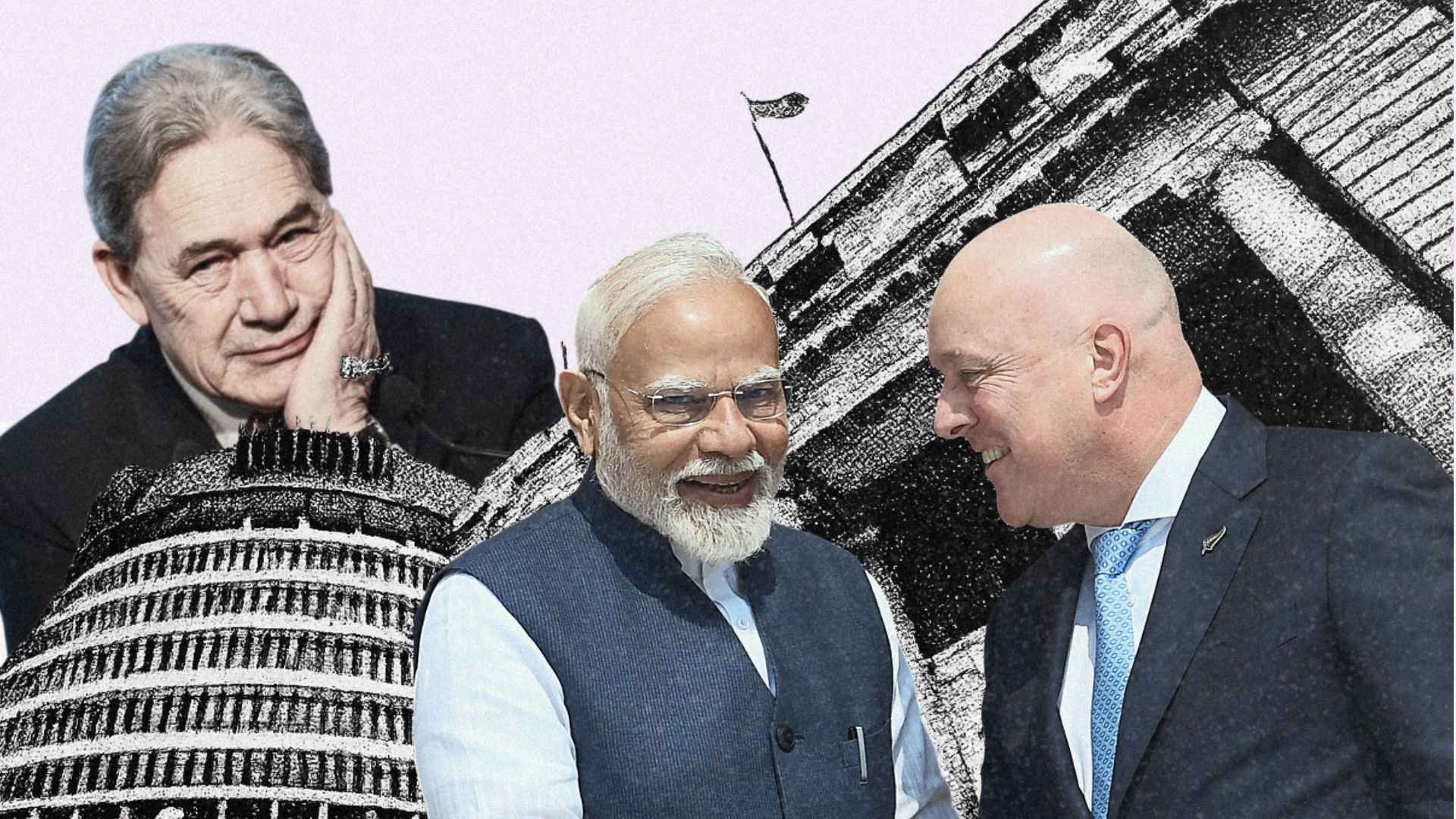
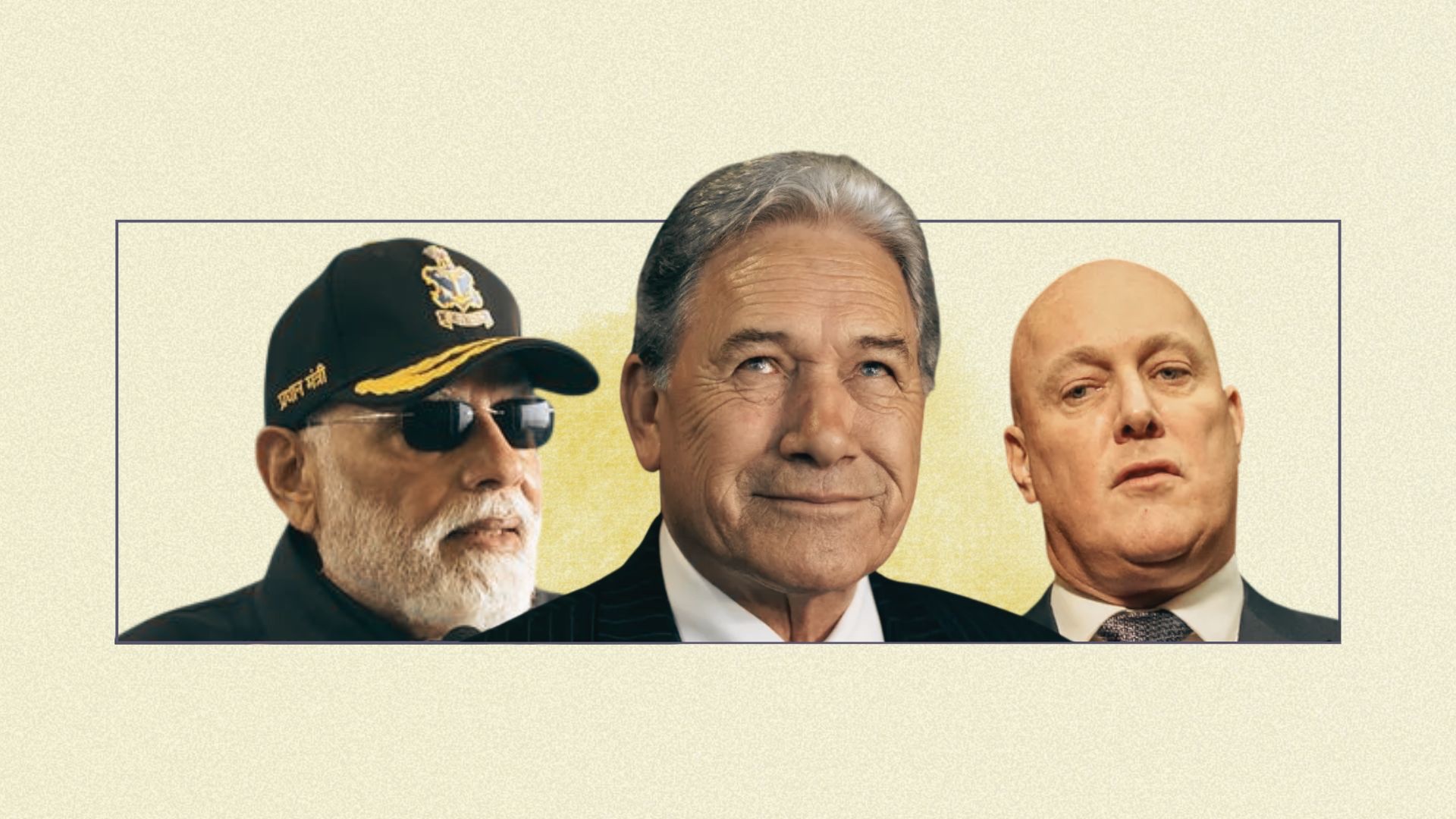
New Zealand First and its leader Winston Peters have led from the front when it comes to skepticism about immigration as a potential problem. Deputy Shane Jones is even gaslighting about a migration tsunami.
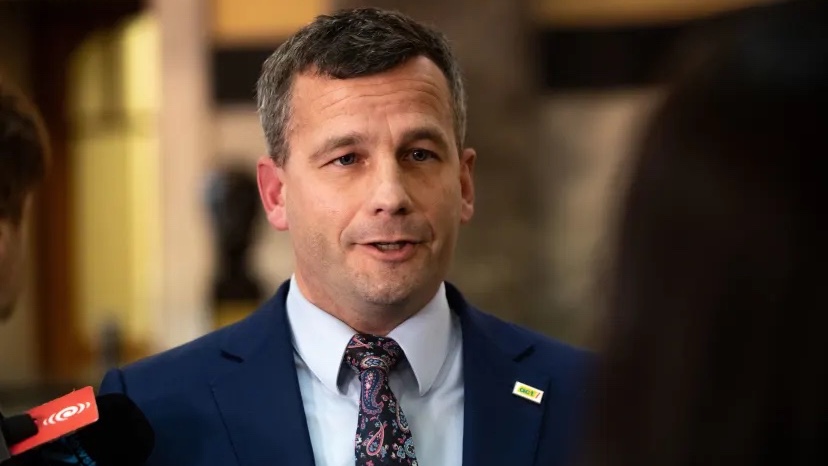
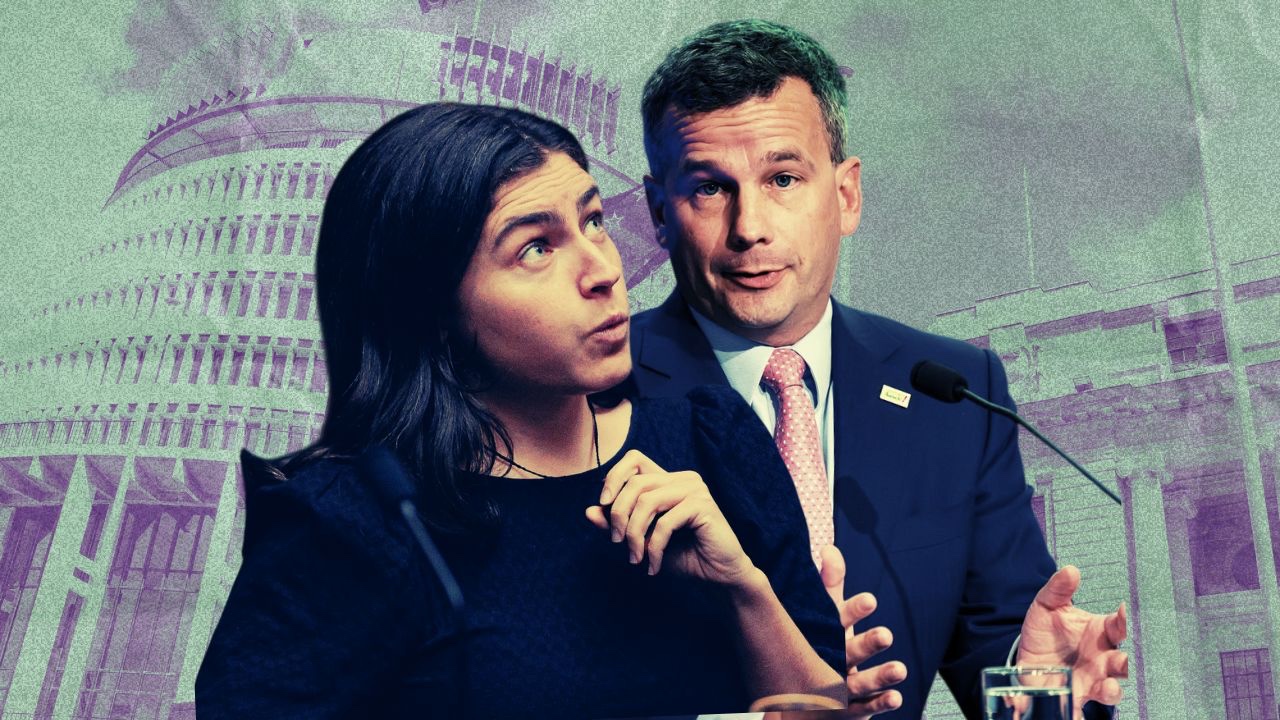
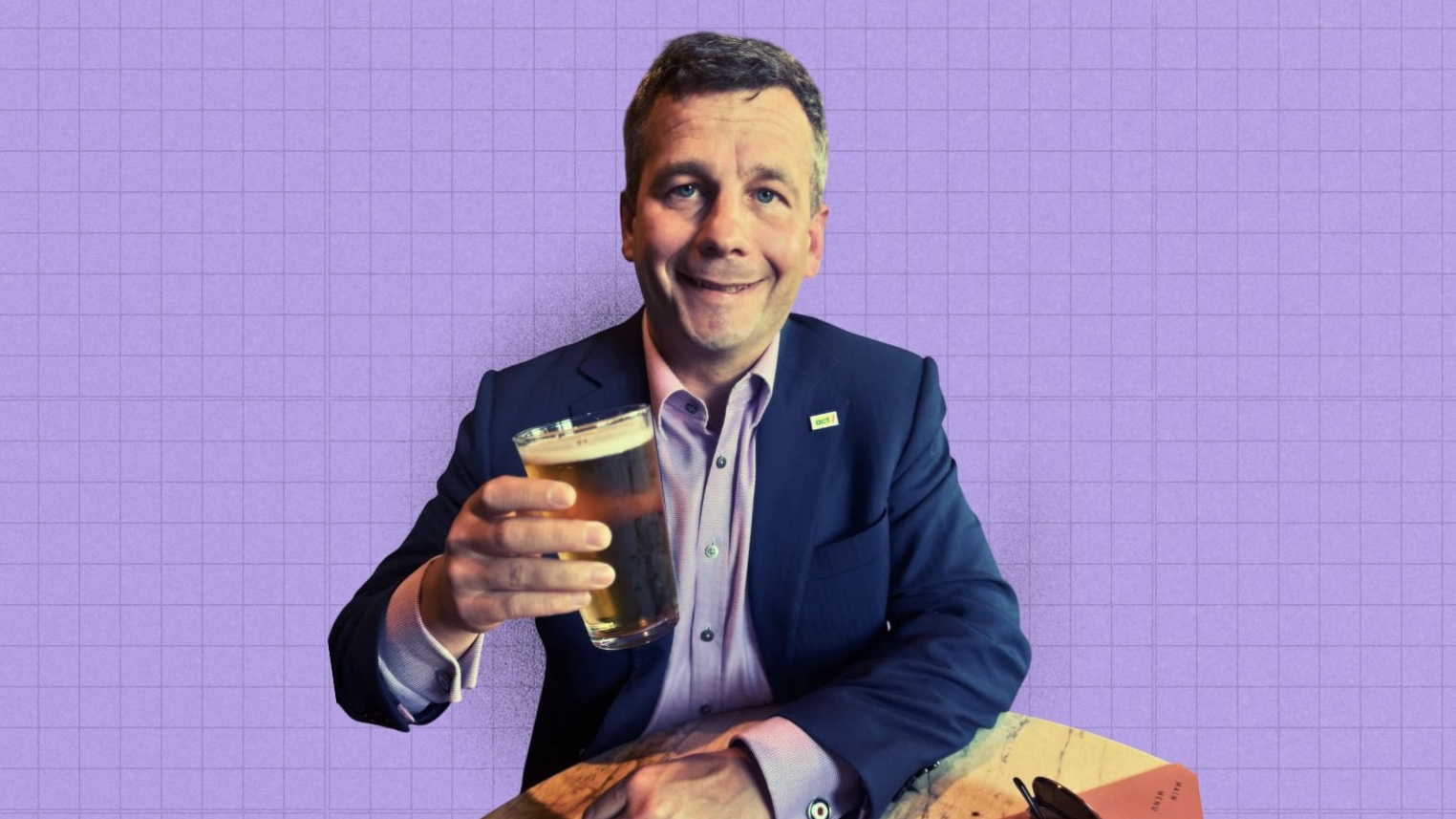
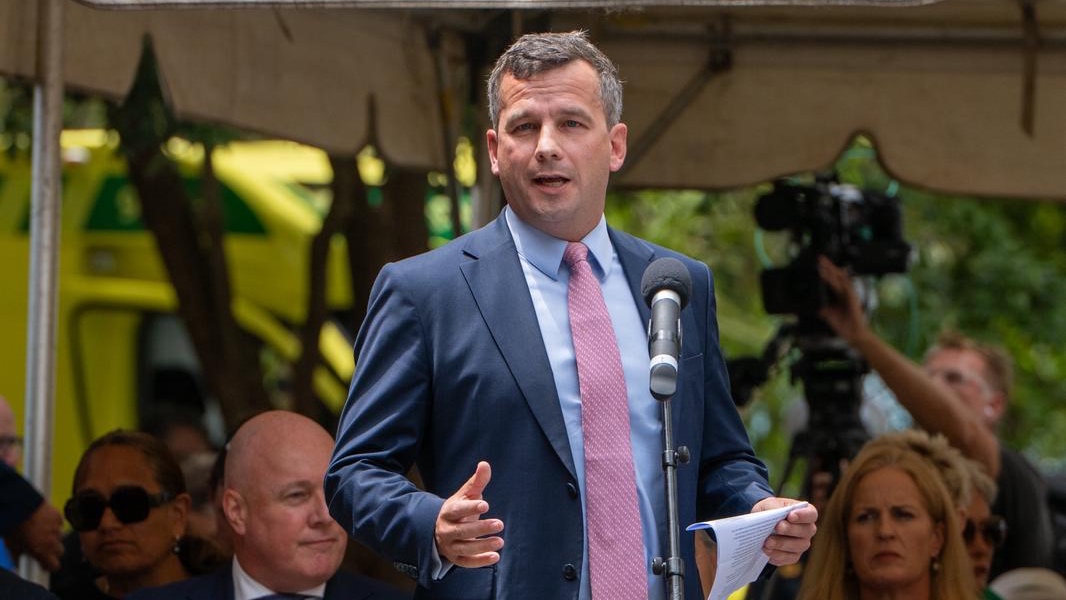
ACT Party leader David Seymour is proposing a tougher, values-based reset of New Zealand’s immigration system. He says the current model has become a “general-purpose labour tap” straining infrastructure and public confidence.
Luxon's speech is a clear indication of the National Party's position on immigration as New Zealand prepares to vote for a new government.
The prime minister pointed out "our greatest strategic asset is the trust that New Zealanders have in each other and in our institutions".
"Disinformation exploits division. And adversaries will always probe our social fault lines looking for leverage."
If his government's immigration policies have been "prudent", as Luxon says, then how did we end up turning immigration into a social cohesion threat?
"During Covid, ministers, given extraordinary powers by the Parliament, too often prioritised their own political interests over the interest of the public in honest and open government," Luxon said, alluding to the previous Labour government.
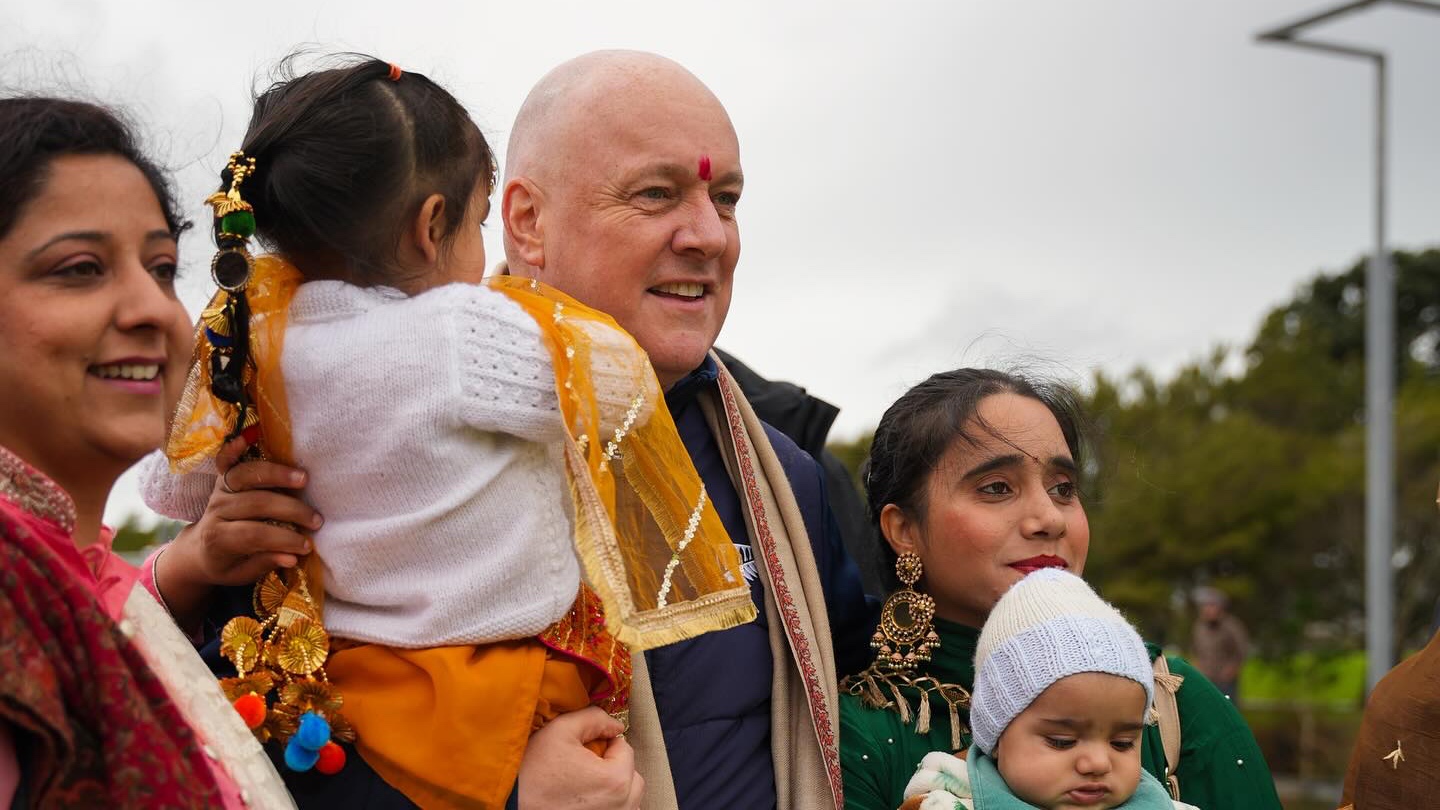
The prime minister did make a mention of his incredibly diverse electorate in South Auckland, which sent him to Parliament as an electorate MP.
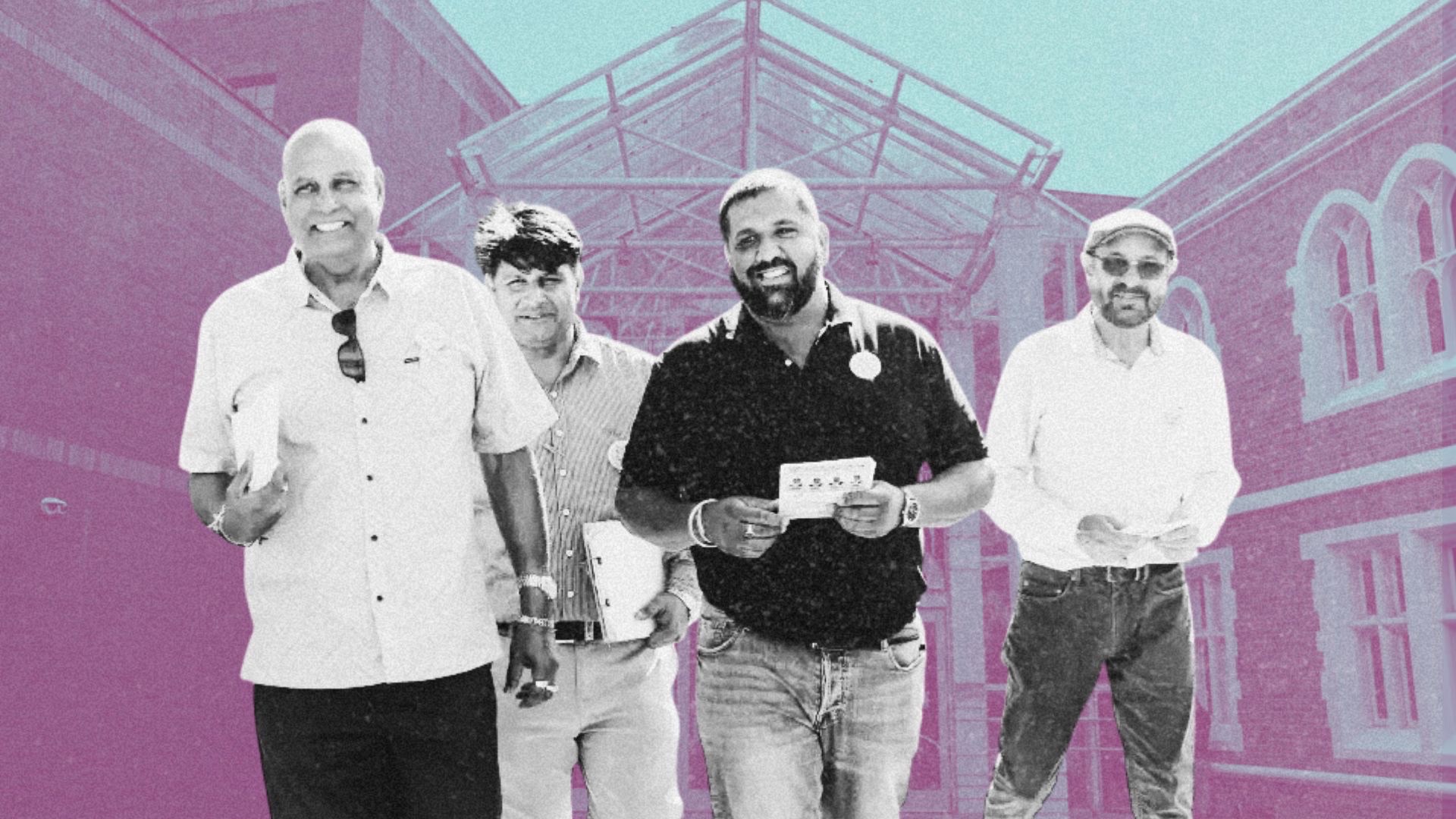
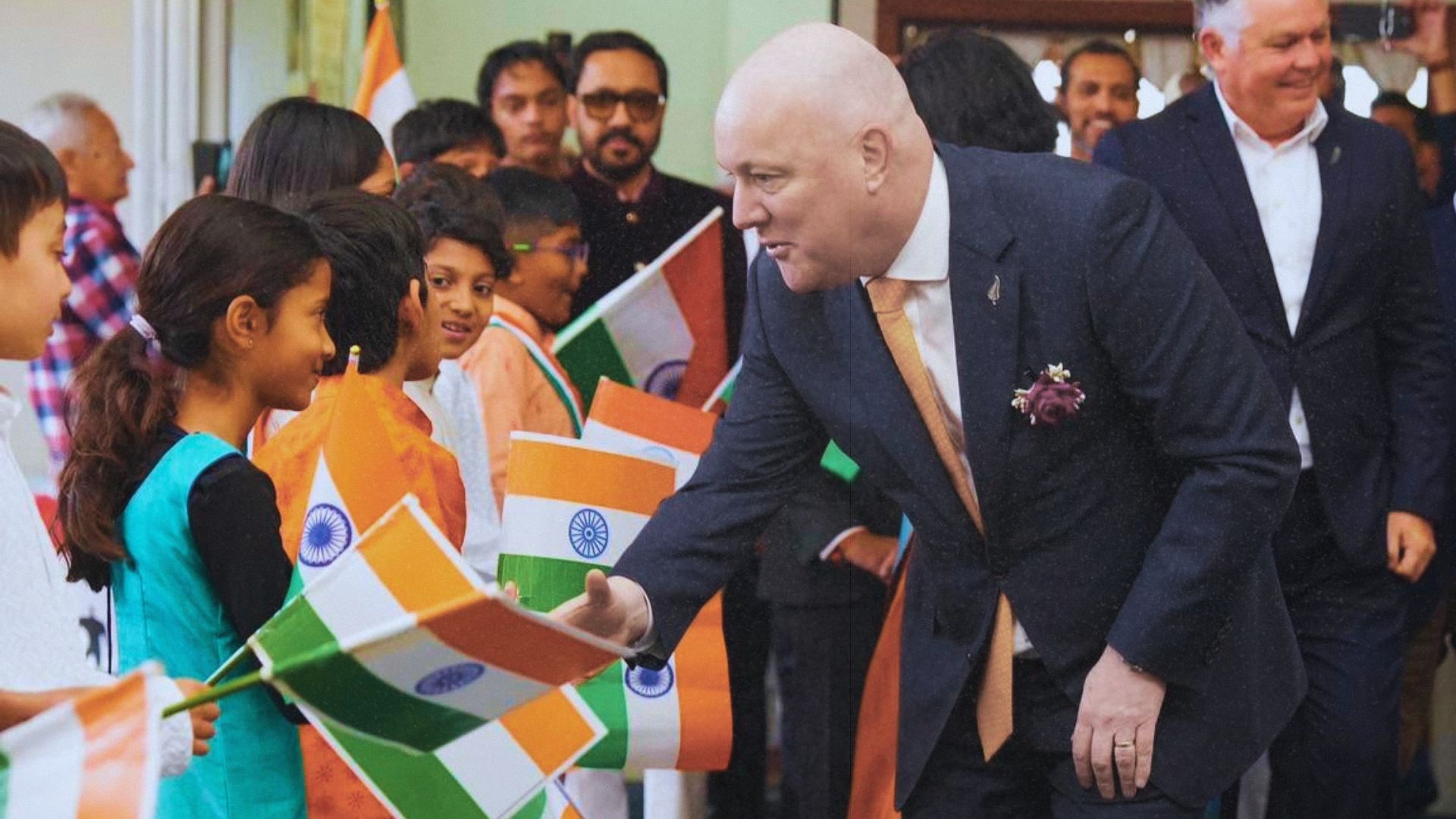
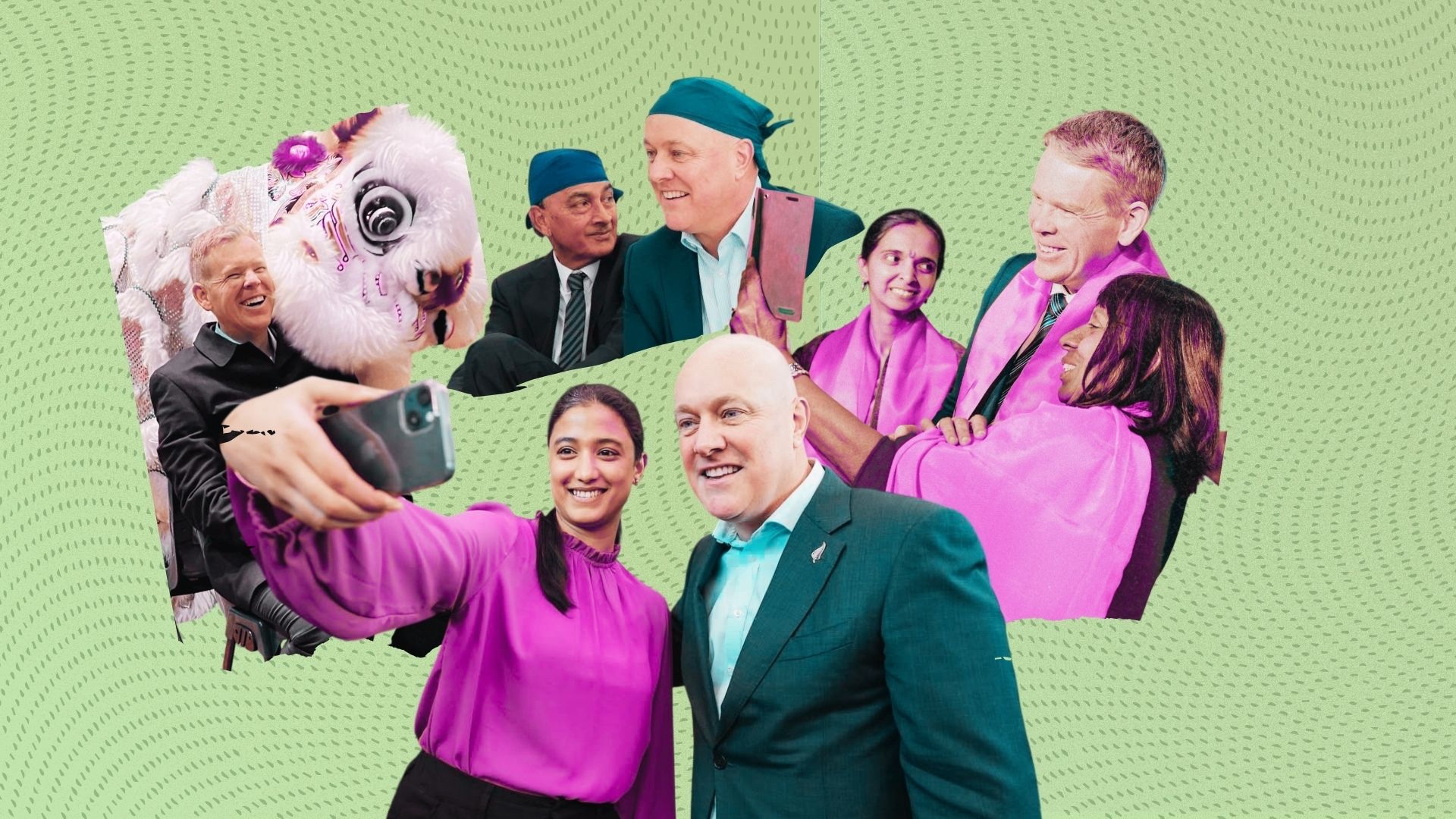
"As MP for Botany, I represent a part of New Zealand which is more diverse than most. Thousands of Chinese, Korean, Malaysian, and Indian Kiwis call Botany home."
These are Kiwis, Luxon said, who deserve better than being "unfairly and unreasonably vilified".
"But that only works when we have a smart, targeted, and fair immigration system, that serves New Zealand’s interests," he said.
He pointed out at least some of the "political fracturing" in Europe over immigration was a result of politicians refusing to implement the preference of their voters on immigration.
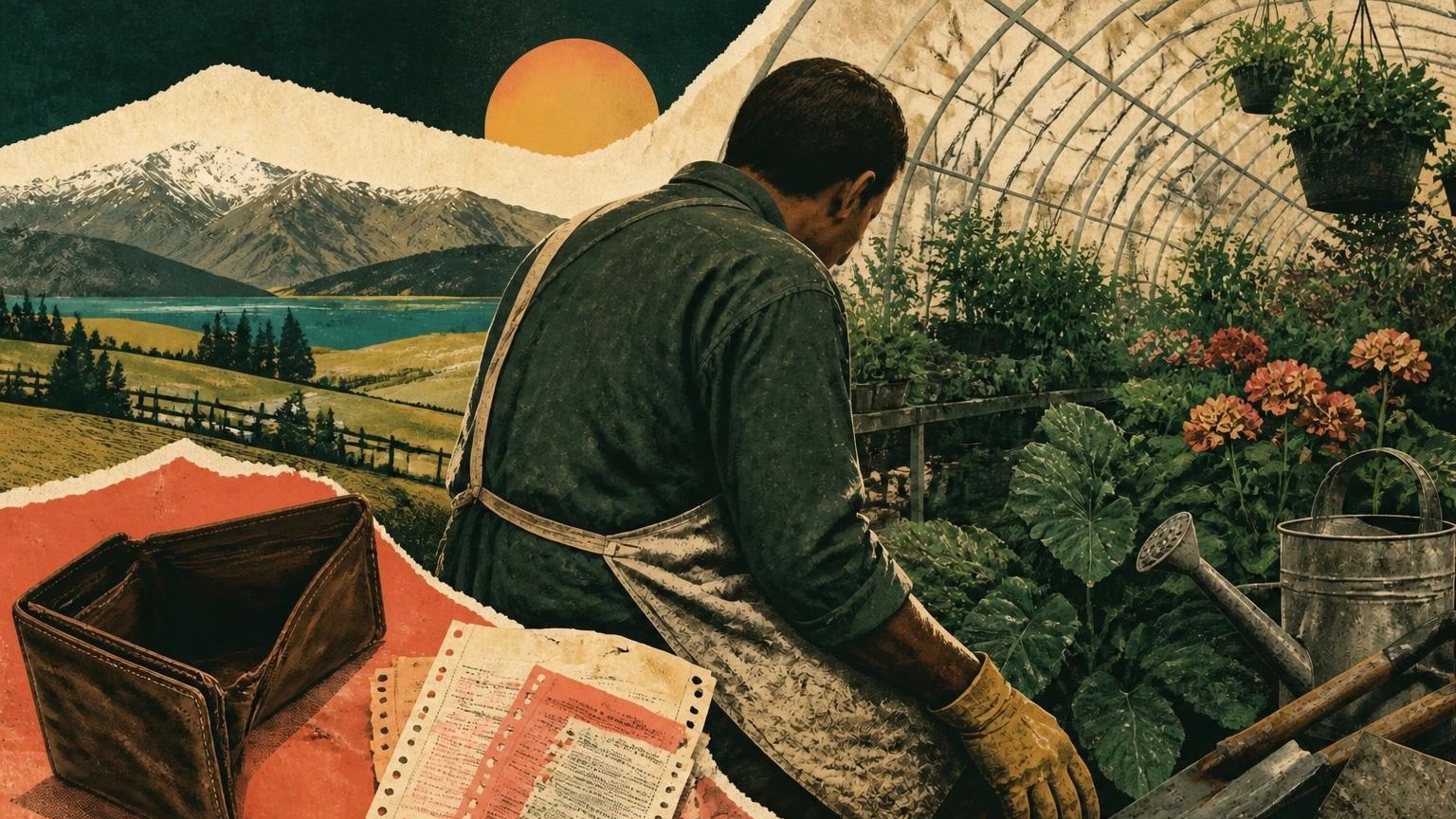
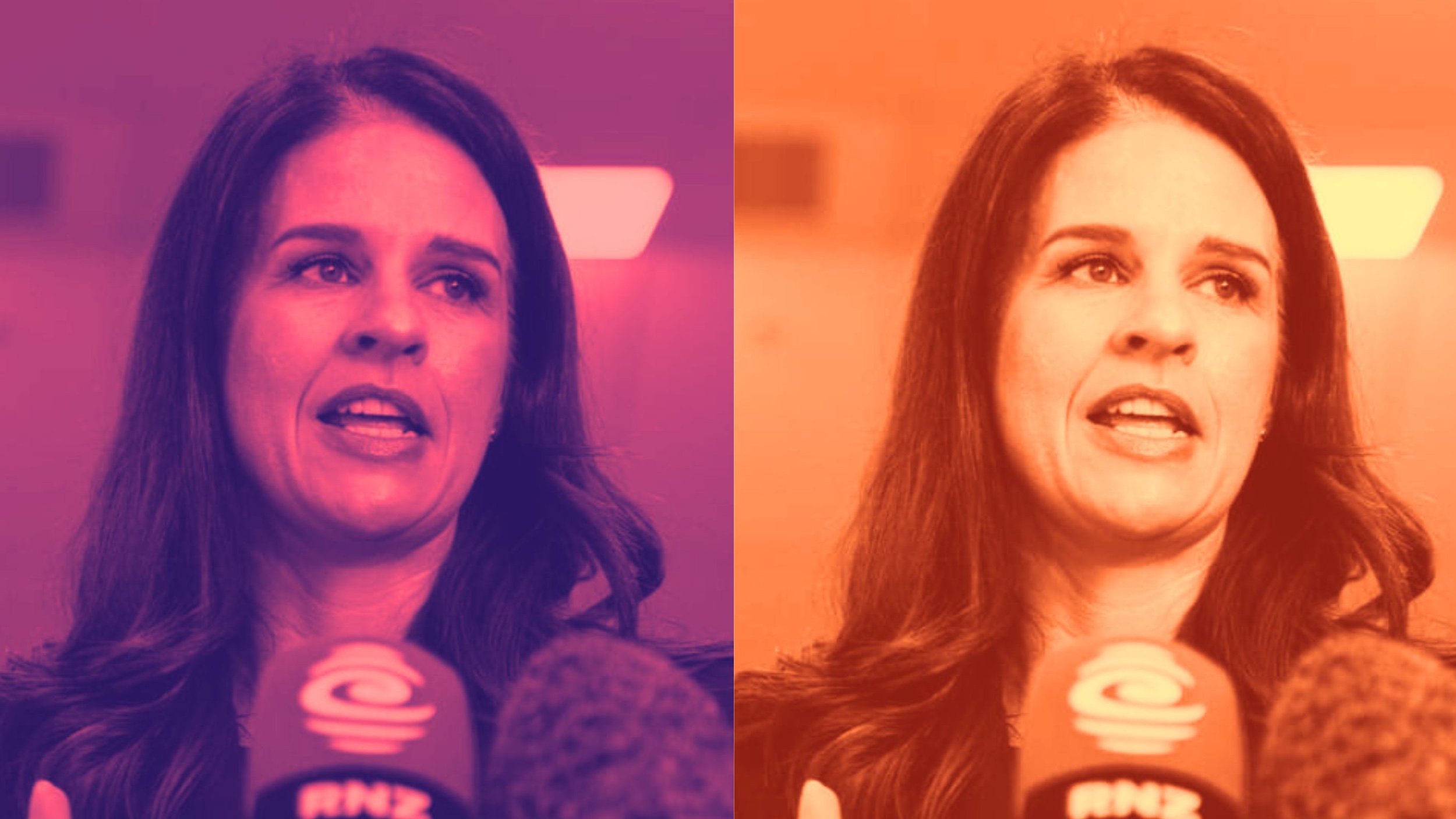
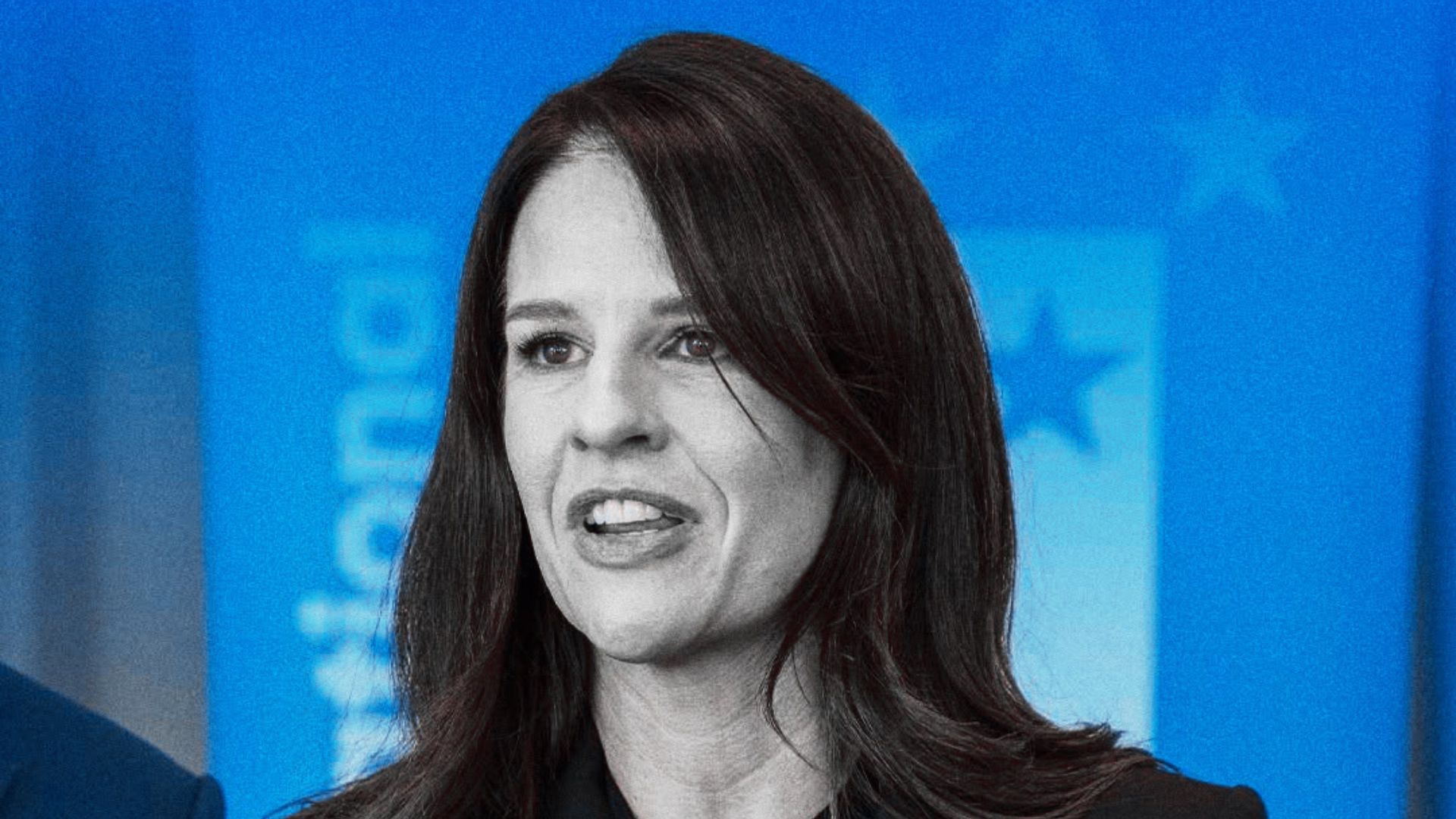
"Earlier this year, Erica Stanford spoke on many of the recent changes we’ve made to strengthen our immigration system, designed to prioritise skilled, not unskilled, migrants – through higher English language requirements, more enforcement and tougher penalties," he said.
As the election campaign intensifies over the next few months, Luxon said immigration is "an issue we'll watch closely, and you should expect to see careful policy on immigration from National as we get closer to the election".